Medical Waste Management In DNA Testing: A Comprehensive Guide
DNA Testing, Medical Waste Disposal, and Solutions: Guidelines for Safe Handling and Disposal
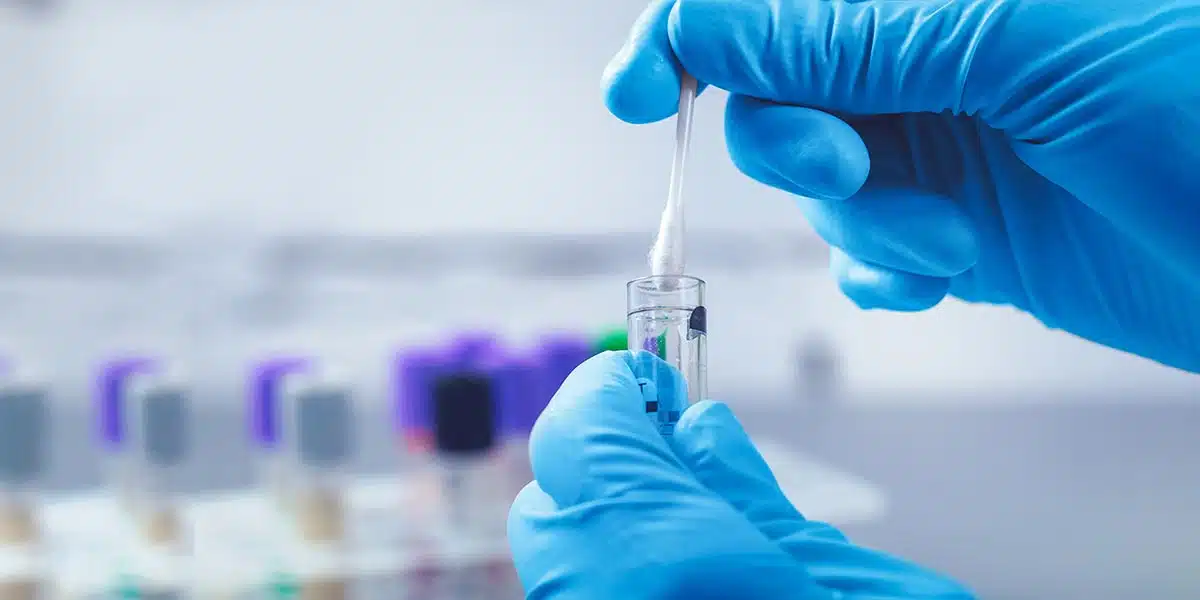
Secure Waste explains that medical waste generated during DNA testing includes biological samples such as blood, saliva, and tissues, as well as disposable materials like swabs, pipettes, and extraction kits.
This type of waste is generally classified as Regulated Medical Waste (RMW) or biohazardous waste due to the risk of transmission of infectious agents.
As such, it is crucial to follow meticulous handling and disposal protocols to mitigate any potential health hazards. Proper waste management involves effective segregation, packaging, and treatment—commonly achieved through methods like autoclaving and incineration—before safe disposal is possible.

Welcome to Secure Waste, the leading medical waste disposal company serving the DMV area, specializing in the safe and responsible disposal of DNA testing waste. With over 30 years of experience in Washington D.C., Maryland, and Virginia, we have perfected our processes for handling a diverse range of laboratory, medical, and biohazardous waste.
Our expertise particularly shines in the management of DNA waste and chemical disposal services, ensuring compliance with all safety regulations and best practices.
At Secure Waste, we understand the critical importance of proper waste disposal in maintaining both safety and environmental integrity.
Our dedicated team is committed to providing tailored solutions that meet the unique needs of your facility. Whether you operate a large testing laboratory or a small healthcare practice, we are here to assist you with efficient and effective waste management.
Please don’t hesitate to contact us today to learn more about our comprehensive DNA waste management services in the DMV area. Let’s explore how we can help you safeguard your operations and the environment.
Segregation Of Waste Streams
Efficient segregation of medical waste is essential to ensure compliance with health regulations and to safeguard public health. Below are detailed categories for waste management:
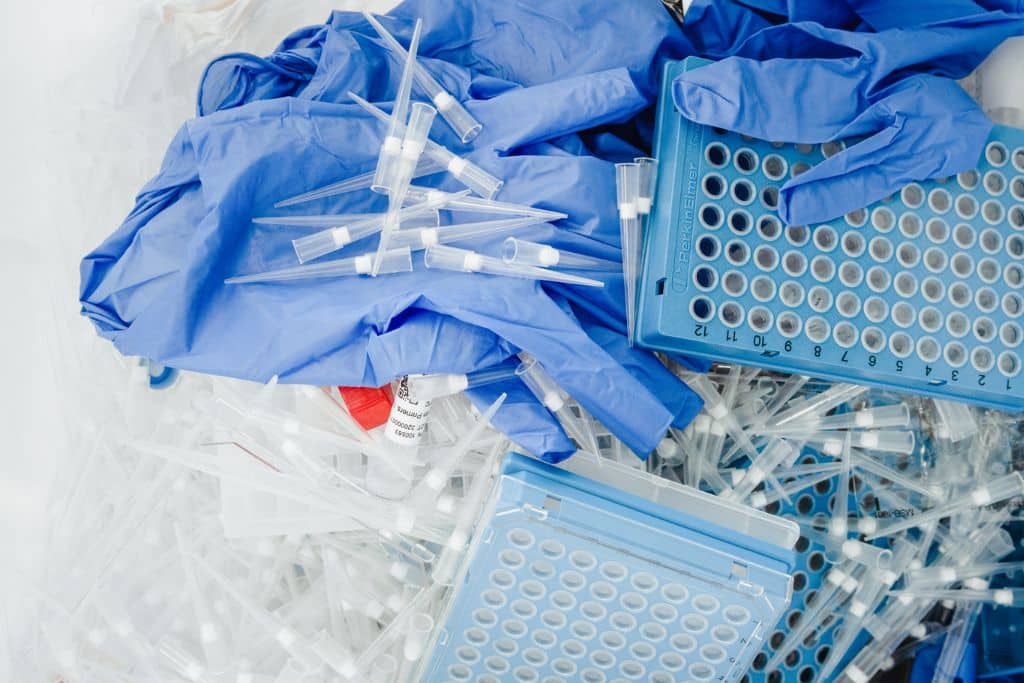
- Solid Biohazardous Waste: This category includes items such as gloves, sample tubes, swabs, and plastic pipettes. These items should be collected in clearly marked orange or red biohazard bags or durable, rigid containers expressly designed for biohazardous materials. Labeling is crucial because it helps prevent contamination, ensures handling personnel can easily identify contents, and minimizes the risk of exposure.
- Sharps Waste: Items classified as sharps include needles, lancets, scalpels, and any broken glass that may be tainted with DNA samples. These items must be disposed of immediately into puncture-resistant, leak-proof sharps containers, which are specially designed to prevent accidental injuries and minimize exposure risks to healthcare workers and the environment.
- Liquid Waste: This category pertains to biological fluids such as blood, supernatants, and cell culture media. It is critical to collect these liquids in strong, rigid, leak-proof containers. Before disposal, these liquids often require chemical disinfection with bleach or another appropriate disinfectant to neutralize any pathogens. The treated liquid may then be safely disposed of by pouring it down a designated drain or by autoclaving for further sterilization.
- Chemical and DNA Kit Waste: DNA extraction kits often contain hazardous chemical reagents, such as phenol and chloroform, which require specialized disposal methods. These materials cannot simply be discarded in biohazard bags; instead, they should be managed through a dedicated chemical waste program in compliance with safety guidelines established by environmental and health authorities.
Treatment And Decontamination Methods
Once waste has been correctly segregated, it must undergo specific treatment and decontamination procedures to ensure safety:
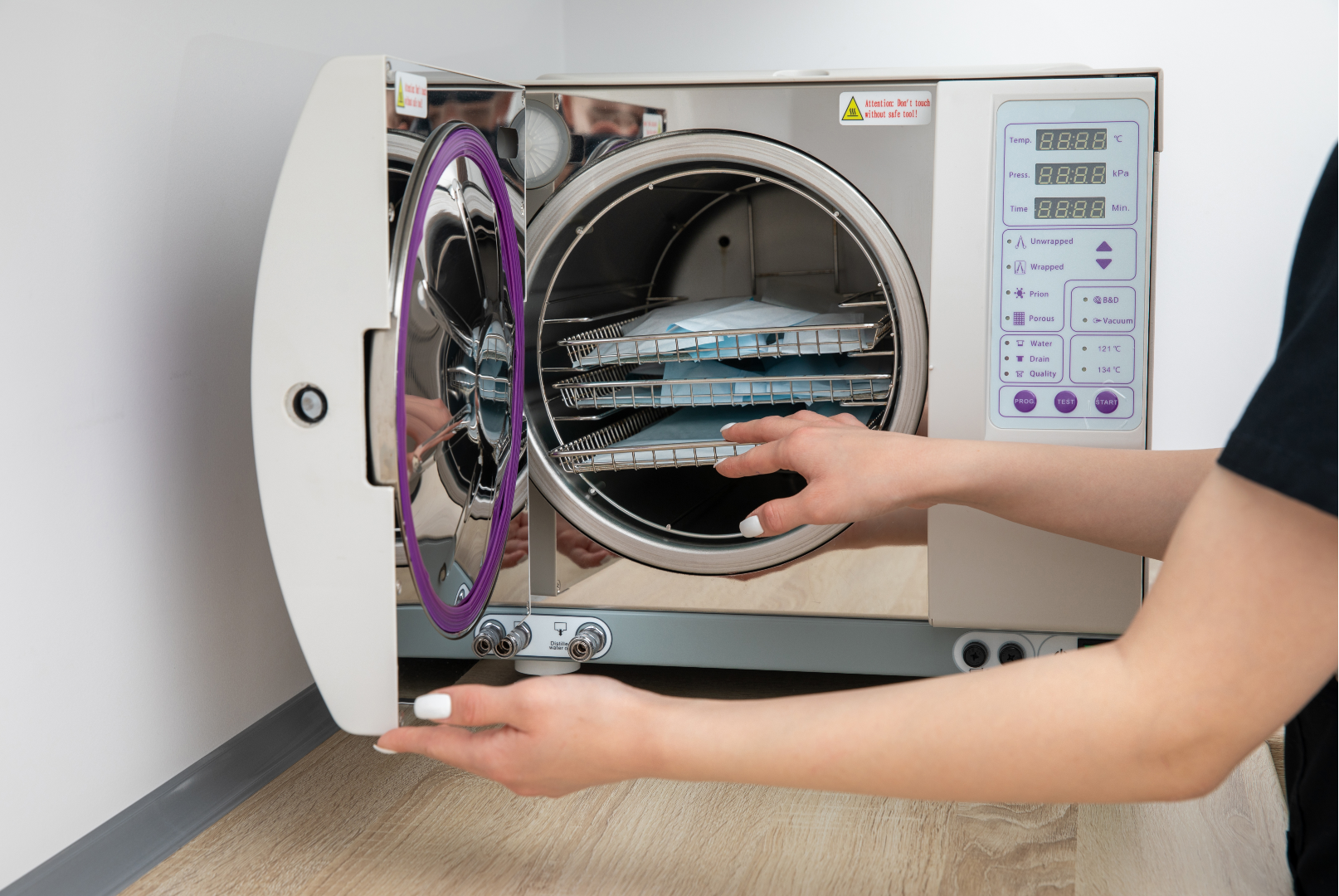
- Autoclaving (Steam Sterilization): Widely regarded as one of the most effective methods for treating solid, non-sharp biohazardous waste, autoclaving employs high-pressure steam to sterilize materials. Bags designated for autoclaving should be clearly marked with autoclave tape, loosely closed to allow steam entry, and placed within secondary containment to prevent potential spills during processing.
- Incineration: This method is critical for pathological waste disposal, which includes human tissues and organs. Incineration is frequently used for contaminated materials categorized as “red bag” waste, as it ensures complete combustion and destruction of hazardous waste, significantly mitigating the risk of environmental contamination.
- Chemical Disinfection: For liquid waste, a common practice involves treating the waste with sodium hypochlorite (household bleach) to achieve a final concentration of 10%. After the disinfectant has been added, the liquid should rest for at least 30 minutes to ensure effective pathogen neutralization before it is safely disposed of using the appropriate method.
Container Requirements For DNA Waste
For the safe handling and disposal of medical waste, specific types of containers must be utilized:
- Biohazard Bags/Boxes: These bags must be prominently marked with the universal biohazard symbol for easy identification. Upon reaching capacity, these bags are typically placed in a designated “burn box,” specifically designed for the safe and compliant removal of biohazardous waste.
- Sharps Containers: These specialized containers must be engineered to hold sharps waste safely; they should never be overfilled—ideally, they should be closed and sealed when they reach three-quarters of their capacity. Once sealed, these containers are classified as hazardous waste and disposed of in accordance with local regulations.
- Liquid Containers: Any container used for liquid waste must be constructed of materials compatible with the stored contents. High-density polyethylene (HDPE) carboys are often utilized to ensure they are leak-proof and prevent chemical reactions.
Disposal and Regulatory Compliance
The disposal of medical waste must be conducted in accordance with rigorous regulations to promote public health and safety:
- Licensed Disposal Contractors: Laboratories typically engage the services of licensed vendors, such as Secure Waste, to ensure the proper final removal, transport, and destruction of medical waste. These contractors are trained in regulatory compliance, which is essential for adhering to local, state, and federal laws.
- Regulatory Standards: All stages of waste management must observe OSHA guidelines and local and state environmental health and safety regulations. Following these standards not only minimizes risk but also promotes overall safety within the facility.
- Documentation: Keeping precise records via a waste manifest or bill of lading is imperative for tracking waste from generation to ultimate disposal. This accountability ensures that waste management practices can be audited and verified.
DNA Waste Key Safety Reminders
It is critical not to dispose of sharps in regular trash containers or biohazard bags, as this could lead to serious injuries. I would also like to avoid pouring any liquids into standard waste receptacles.
Adhering to these guidelines is essential for maintaining a safe laboratory environment and effectively preventing contamination and public health risks.
In Conclusion:
Secure Waste will save you money on Regulated healthcare waste disposal. We understand these hazards.
Staying informed and proactive is vital as new disposal management challenges arise. Together, we can prioritize health and safety, increase awareness, and promote responsible actions to create a healthier future for all in Maryland, Virginia, and D.C.
We provide reliable, compliant, and environmentally friendly waste disposal solutions tailored to your facility’s specific needs.
Disclaimer: This information is provided for reference purposes only and should not be considered as legal advice or factual information at the time of your reading. Regulations frequently change and can vary from state to state. We encourage you to contact your local regulatory authorities or Secure Waste directly for the most current information. Please note that Secure Waste is not liable, in part or in whole, for any information contained on this page or website.
Expert Medical Waste Management: With over 25 years of industry experience, Secure Waste is a trusted local leader in hazardous and biohazardous waste disposal across Maryland, Virginia, and Washington, D.C. Specializing in medical waste management, sharps needle disposal, and biohazard waste removal, the company ensures full compliance with federal, state, and local regulations while prioritizing environmental sustainability.
The company also offers additional services, including secure document shredding and sharps container sales, providing comprehensive solutions for healthcare facilities and businesses. Our cost-effective services help clients maintain regulatory compliance without unexpected costs.
With a commitment to customer satisfaction, Secure Waste offers tailored waste management plans that align with industry best practices. Their team of experts provides reliable, timely, and compliant services, making them the preferred choice for medical waste disposal. For a free waste quote or more information, visit www.securewaste.net