
Challenges Facing Healthcare Providers and Medical Waste Disposal Companies During Flu Season in the hospital setting
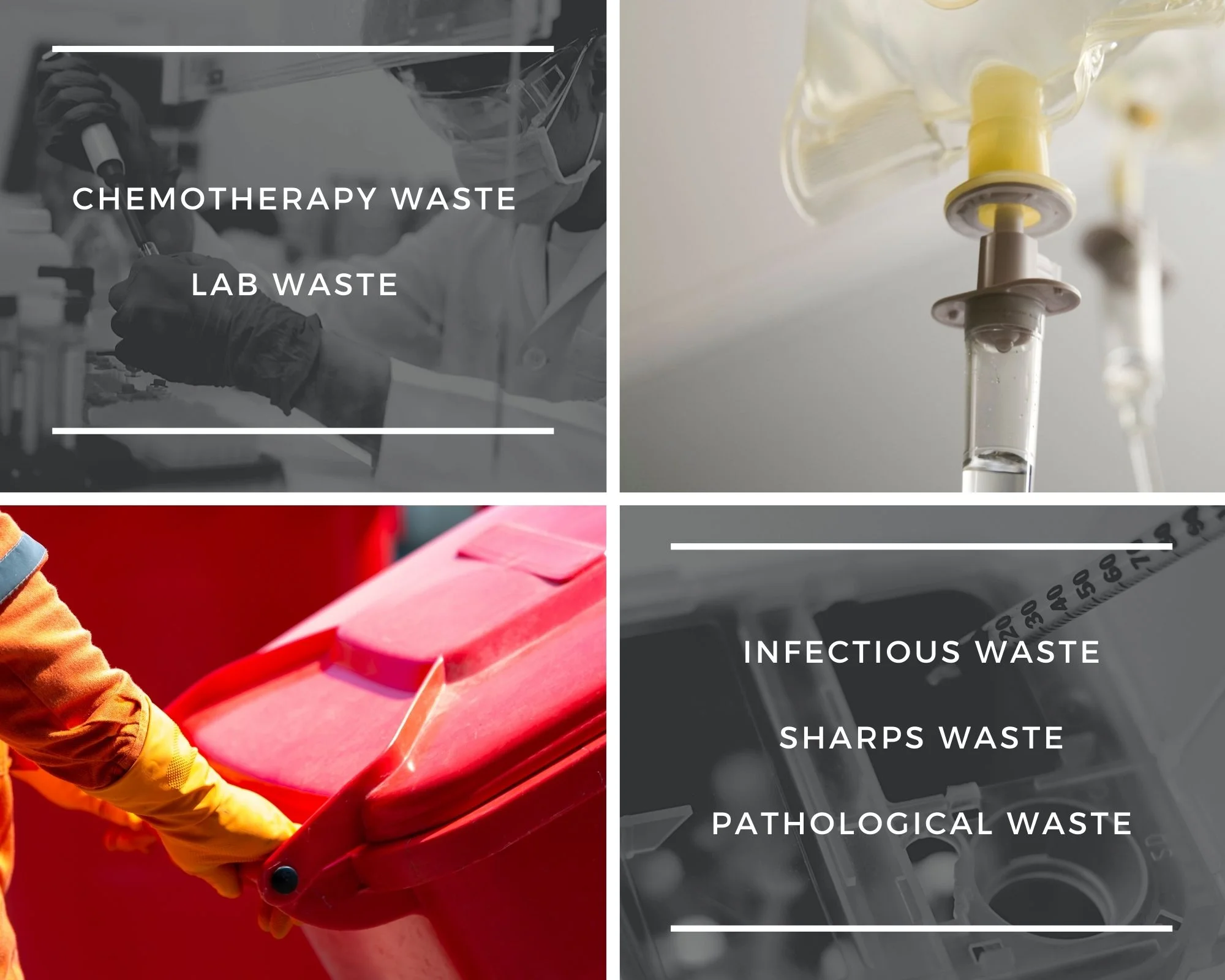
The flu season presents numerous challenges for healthcare providers and medical waste disposal companies, particularly concerning the substantial increase in medical waste generated during this time. One of the primary concerns is the increase in discarded sharps, including needles, syringes, and vaccine vials. This increase not only elevates the volume of waste but also heightens the risk of needlestick injuries among healthcare workers, especially when established protocols for safe disposal and management of waste containers are not strictly followed.
To address this pressing issue, hospitals and healthcare facilities must prioritize maintaining an adequate supply of safety-compliant disposal containers, ensuring they are conveniently located throughout their facilities. Additionally, it is essential to implement more frequent waste collection schedules, with strategic routing and timing, to ensure adherence to local and federal regulations regarding medical waste management.
Training for hospital staff on proper disposal techniques is crucial during this heightened period of waste generation. Comprehensive training programs can significantly reduce risks associated with medical waste handling and promote best practices for waste management.
**Hospital Treatment for Severe Influenza**
In hospitals, the treatment of severe influenza involves a multi-pronged approach focused on comprehensive supportive care and the timely administration of potent antiviral medications. One pivotal medication is intravenous peramivir (Rapivab), which is administered to patients experiencing severe complications. This is often combined with interventions that address secondary complications, such as pneumonia or respiratory failure, which may necessitate the use of corticosteroids, oxygen therapy, or advanced support techniques like Extracorporeal Membrane Oxygenation (ECMO).
The urgency of treatment is emphasized by the necessity to initiate rapid antiviral therapy—options include oral antivirals such as oseltamivir (Tamiflu), baloxavir (Xofluza), or inhaled zanamivir—within a critical 48-hour timeframe following the onset of symptoms. This prompt intervention is vital, as it significantly enhances the likelihood of favorable patient outcomes and shortens the duration of illness.
**Key Treatments in the Hospital:**
– **Antivirals:** Intravenous peramivir serves as a cornerstone treatment for patients requiring hospitalization, and is often supplemented with oral antiviral treatments like oseltamivir and baloxavir to address viral replication effectively.
– **Supportive Care:** Ensuring proper oxygenation is crucial for patients displaying symptoms of hypoxia. Oxygen therapy may be delivered via nasal cannula or face mask to maintain adequate blood oxygen saturation levels.
– **ICU Care:** For patients exhibiting severe complications such as acute respiratory distress syndrome (ARDS) or septic shock, admission to an Intensive Care Unit (ICU) allows for meticulous monitoring and management of their fluctuating conditions, employing round-the-clock nursing care and advanced technology.
– **Advanced Respiratory Support:** In cases of extreme respiratory failure, the initiation of mechanical ventilation or ECMO may prove indispensable, providing life-saving support by either aiding or taking over intrinsic respiratory functions.
– **Corticosteroids:** Utilized to reduce inflammatory responses, corticosteroids are particularly beneficial in severe instances of influenza, providing relief from inflammation and contributing to improved respiratory function.
– **Managing Complications:** It is critical to address not only the viral infection but also any resultant secondary bacterial infections with appropriate antibiotic therapy, while simultaneously managing dehydration and electrolyte imbalances through intravenous fluids.
**When to Seek Hospital Care (Emergency Signs)**
Patients and caregivers should seek immediate medical assistance if they notice any of the following emergency warning signs indicative of severe flu complications:
– Difficulty breathing or persistent shortness of breath, suggesting airway obstruction or respiratory distress.
– Intense chest pain or pressure, which may be indicative of a serious cardiovascular event.
– Dizziness, confusion, or difficulty waking, which could point to reduced oxygenation or systemic infection.
– Severe vomiting or an inability to retain fluids, suggestive of dehydration that may lead to acute kidney injury or electrolyte imbalances.
– Seizures, which indicate neurological involvement and require immediate medical evaluation.
– Fever accompanied by a rash, which may signal a more serious infection or a systemic response.
**Important Considerations**
– **Antibiotics Don’t Work:** It is vital to understand that antibiotics are ineffective against viral infections such as influenza and should not be utilized unless a secondary bacterial infection is confirmed.
– **Timeliness:** The administration of antiviral medications is most beneficial when given early, ideally within the first 48 hours post-symptom onset. However, they can still help mitigate the severity of illness at later stages, underscoring the need for timely medical intervention.
Expert Medical Waste Management: With over 25 years of industry experience, Secure Waste is a trusted local leader in hazardous and biohazardous waste disposal across Maryland, Virginia, and Washington, D.C. Specializing in medical waste management, sharps needle disposal, and biohazard waste removal, the company ensures full compliance with federal, state, and local regulations while prioritizing environmental sustainability.
The company also offers additional services, including secure document shredding and sharps container sales, providing comprehensive solutions for healthcare facilities and businesses. Our cost-effective services help clients maintain regulatory compliance without unexpected costs.
With a commitment to customer satisfaction, Secure Waste offers tailored waste management plans that align with industry best practices. Their team of experts provides reliable, timely, and compliant services, making them the preferred choice for medical waste disposal. For a free waste quote or more information, visit www.securewaste.net