Is Funeral Home Waste Considered Biohazard Or Medical Waste In The DMV? Expert Solutions From Secure Waste
Secure Waste explains that in the DMV, funeral home waste encompasses a variety of materials that primarily fall under the category of regulated medical waste, commonly referred to as biohazardous waste or “red bag” waste.
The classification stems from the risk of contamination with bodily fluids and tissues, an issue highlighted by reputable organizations such as Secure Waste and Stericycle.
Effective management of this waste is critical for preventing infection risks and safeguarding both public health and the environment. Below are the key aspects that define the management of waste in funeral homes, elaborated for greater clarity and detail.
Welcome to Secure Waste, the preferred choice for funeral home waste management throughout the local DMV area.
With over 30 years of experience, Secure Waste specializes in safe, compliant, and cost-effective solutions for regulated medical waste management.
We pride ourselves on providing quality service without requiring long-term contracts, giving our clients flexibility and peace of mind.
Our comprehensive services cater specifically to the needs of funeral directors and facilities, ensuring that all waste is handled in accordance with industry regulations to safeguard staff and the environment. We understand the unique challenges you face and are committed to offering reliable support every step of the way.
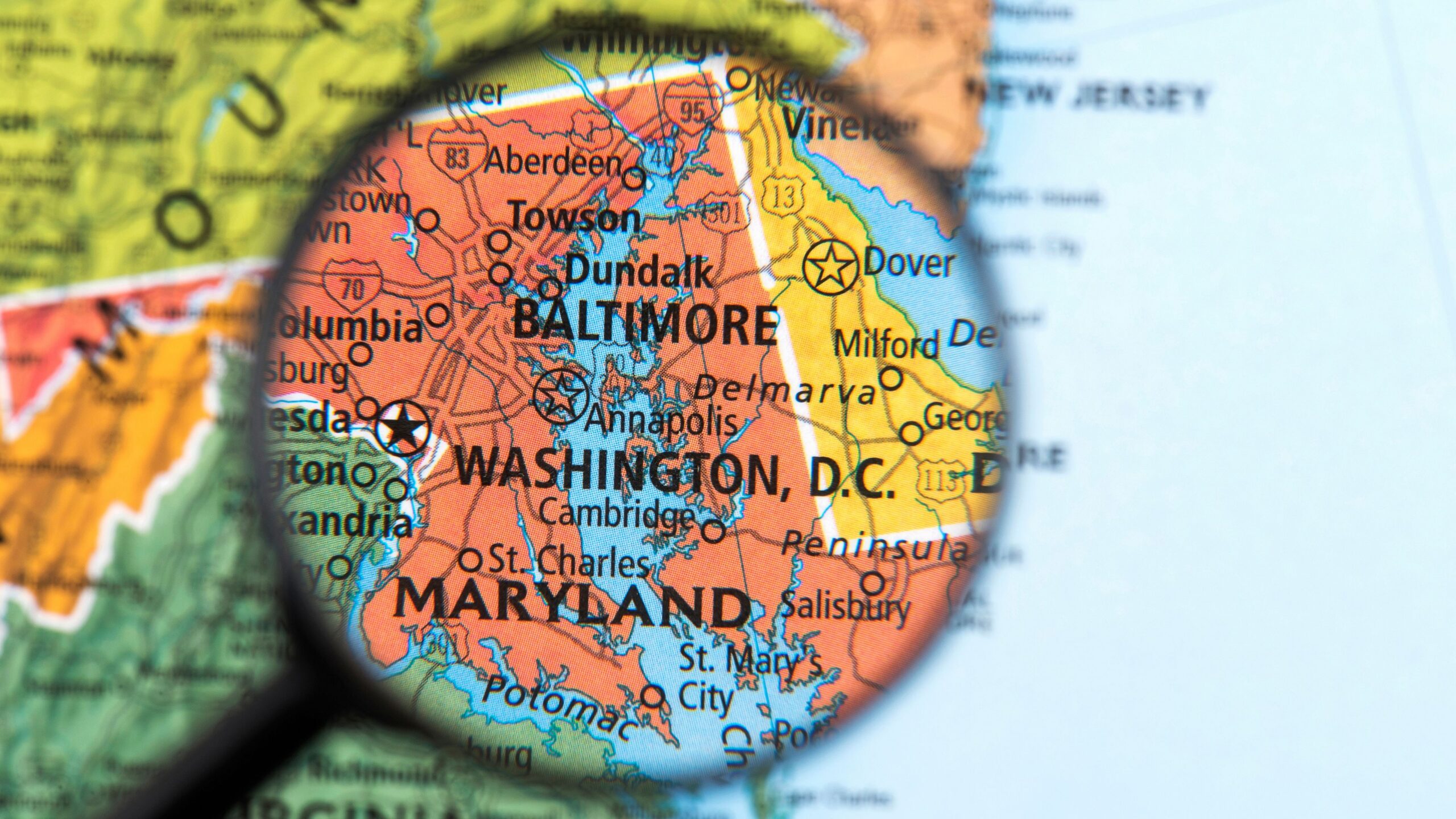
If you would like to learn more about our services or if you need assistance, please don’t hesitate to reach out to us. We serve clients throughout Washington D.C., Maryland, and Virginia. Contact us today to discuss how we can help you manage your waste needs effectively and efficiently.
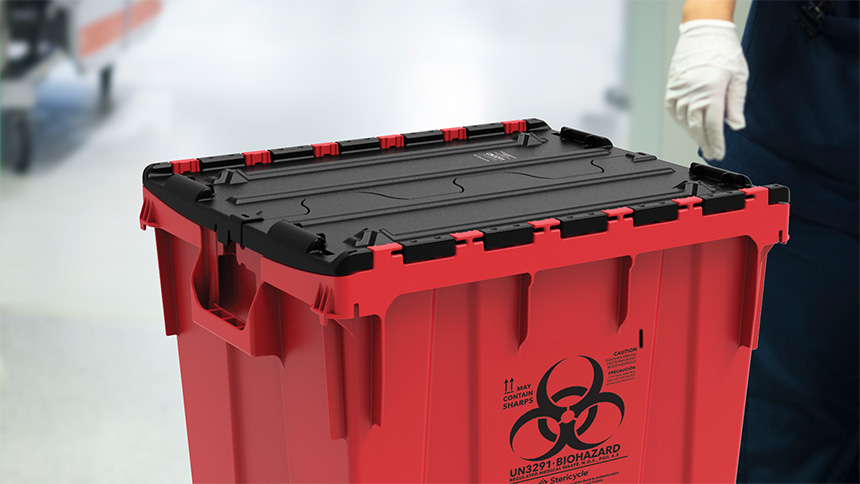
When it comes to understanding medical waste the DMV area has its own unique set of challenges and classifications From the bustling hospitals to local clinics medical waste comes in various forms each with specific handling and disposal requirements Lets delve into the different types of medical waste that play a critical role in keeping our healthcare system safe and efficient
Important Elements of Waste Management in Funeral Homes
- Biohazardous Waste: This crucial category includes all items that have come into contact with blood, other bodily fluids, or potentially infectious materials. Common examples of biohazardous waste include dressings, gauze, absorbent materials, and various types of personal protective equipment (PPE) such as gloves, masks, and gowns. Due to the inherent risk of infection associated with these materials, they must be properly contained, handled, and disposed of in accordance with stringent regulatory guidelines. This management practice is essential to mitigate any potential health hazards to both funeral home staff and the general public, as improper handling can lead to outbreaks of infections or communicable diseases.
- Pathological Waste: Pathological waste is composed of biological materials sourced from human remains, including tissues, organs, or specific body parts removed during embalming or other preparatory procedures. Due to their high pathogenicity, these materials are classified as particularly hazardous and typically require incineration for safe disposal. The incineration process must comply with state and federal environmental regulations to ensure that all pathogens are destroyed, thereby eliminating any risks to public health and the surrounding ecosystem. Failing to follow proper disposal protocols can lead to serious health and environmental consequences, making it imperative that funeral homes adhere to established protocols.
- Sharps Waste: This subset of waste includes sharp medical instruments and materials such as scalpels, lancets, needles, and any other sharp objects utilized during preparation and embalming processes. Given their potential to cause serious injury through punctures or lacerations, sharps waste must be placed in designated, puncture-proof containers immediately after use. This protocol is critical to preventing accidents involving staff and others who may come into contact with such waste. By adhering to stringent sharps waste management practices, funeral homes can maintain a safe work environment, reduce the risk of injury, and promote overall safety for all personnel.
- Hazardous Chemical Waste: The embalming process often involves the use of various chemical substances, with formaldehyde being one of the most notable. These chemical substances are classified as hazardous waste due to their potential to harm human health and the environment. The disposal of hazardous waste requires meticulous adherence to environmental regulations to prevent toxic substances from contaminating soil and water sources. Funeral homes must implement special handling and disposal procedures that involve proper labeling, storage, and transportation of these chemicals to ensure compliance and protect ecological health.
Safety Protocols And Compliance
To ensure compliance with state and federal regulations, all types of funeral home waste must be meticulously segregated into their designated categories. Each waste type should be clearly labeled to avoid confusion or mishandling during disposal.
Furthermore, comprehensive training programs for staff members involved in waste management and disposal are necessary to ensure they understand the required procedures and regulatory mandates.
Engaging authorized professional medical waste disposal services is critical to maintaining the highest standards of public health safety and preventing contamination.
By adhering to these stringent guidelines, funeral homes can reinforce their commitment to both safety and compliance, ensuring the responsible and effective handling and disposal of all waste types.
This holistic approach not only protects community health and the environment but also underscores the funeral home’s dedication to ethical care and community well-being in a time of loss.
In Conclusion:
Secure Waste will save you money on Regulated healthcare waste disposal. We understand these hazards.
Staying informed and proactive is vital as new disposal management challenges arise. Together, we can prioritize health and safety, increase awareness, and promote responsible actions to create a healthier future for all in Maryland, Virginia, and D.C.
We provide reliable, compliant, and environmentally friendly waste disposal solutions tailored to your facility’s specific needs.
Disclaimer: This information is provided for reference purposes only and should not be considered as legal advice, healthcare, or factual information at the time of your reading. Regulations frequently change and can vary from state to state. We encourage you to contact your local regulatory authorities or Secure Waste directly for the most current information. If you are having healthcare issues, contact your doctor immediately or call 911. Please note that Secure Waste is not liable, in part or in whole, for any information contained on this page or website.
Expert Medical Waste Management: With over 25 years of industry experience, Secure Waste is a trusted local leader in hazardous and biohazardous waste disposal across Maryland, Virginia, and Washington, D.C. Specializing in medical waste management, sharps needle disposal, and biohazard waste removal, the company ensures full compliance with federal, state, and local regulations while prioritizing environmental sustainability.
The company also offers additional services, including secure document shredding and sharps container sales, providing comprehensive solutions for healthcare facilities and businesses. Our cost-effective services help clients maintain regulatory compliance without unexpected costs.
With a commitment to customer satisfaction, Secure Waste offers tailored waste management plans that align with industry best practices. Their team of experts provides reliable, timely, and compliant services, making them the preferred choice for medical waste disposal. For a free waste quote or more information, visit www.securewaste.net