Is Blood A Biohazard? Yes, It Is! Expert Solutions From Secure Waste
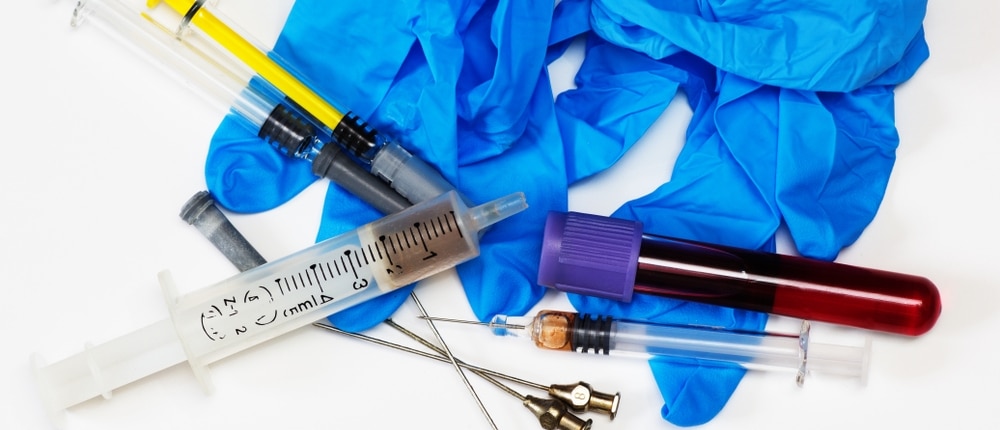
Secure Waste frequently receives inquiries regarding whether blood qualifies as a biohazard. Blood is classified under category 6.2 CFR, which pertains to infectious medical waste, including all forms of blood.
To address this critical need, Secure Waste offers specialized biohazard waste disposal services that encompass not only blood-soaked items but also any materials contaminated with blood, such as sharps containers and other biohazardous materials.
Our commitment to safe and compliant disposal ensures a secure environment for both medical professionals and the community.
Blood is classified as a biohazard due to its potential to transmit serious infectious diseases, making it imperative to handle and dispose of it correctly to mitigate the risk of infection.
This classification arises from the potential presence of bloodborne pathogens, including viruses and bacteria, which can pose severe health risks to individuals who come into contact with contaminated blood.
Before We Get Into Why Blood Is A biohazard. Let’s Discuss and Learn About Biohazard Waste In General
Biohazardous waste is any material that contains potentially infectious agents, which are harmful to humans, animals, or the environment.
Understanding it in a broader context is essential, not just for complying with legal regulations but also to prevent the spread of infections, reduce environmental contamination, and protect staff and the public.
In the following sections, we’ll explore the different types of biohazardous waste, the rules governing its handling, and the technologies used to dispose of it safely.
Types Of Biohazardous Waste?
- Sharps Waste: Needles and scalpels pose puncture risks and transmit infections easily.
- Infectious Waste (Pathological Waste): Human tissues, blood, or organs discarded after medical use may harbor harmful microbes.
- Contaminated Laboratory Waste: Lab disposables such as gloves or Petri dishes become hazardous once exposed to pathogens.
- Animal Waste: Research animals, their carcasses, or bedding often carry zoonotic diseases requiring controlled disposal.
- Biotechnology Waste / Recombinant DNA Waste: Genetic engineering byproducts, including altered organisms, demand secure destruction to prevent environmental release.
- Cytotoxic (Pharmaceutical) Waste: Potent chemotherapy drugs and expired toxic medications can damage health if mishandled, so they fall under stricter biomedical waste disposal guidelines.
- General Biohazardous Waste: Contaminated materials like bandages, masks, and swabs need careful, separate disposal every day.
Why is blood considered a Biohazard?
Pathogen Transmission:
Blood can carry a diverse range of infectious agents, including, but not limited to, human immunodeficiency virus (HIV), hepatitis B virus (HBV), and hepatitis C virus (HCV).
These pathogens may survive outside the body for varying durations; for instance, HIV can live in a dried state for several hours, while HBV can remain infectious on dried surfaces for up to a week.
When blood penetrates the body through breaks in the skin, mucous membranes (such as the eyes, nose, or mouth), or any open wounds, it poses an imminent threat of illness.
Even minute amounts of infected blood can result in transmission, underscoring the importance of meticulous handling and a prompt response to any exposure incidents.
Regulation:
Organizations dedicated to health and safety, including the Occupational Safety and Health Administration (OSHA), categorize blood and other potentially infectious materials (OPIM) as regulated waste.
This classification mandates strict adherence to specific guidelines regarding handling, storage, and disposal, primarily due to the significant health risks associated with bloodborne pathogens.
Facilities must implement a comprehensive Exposure Control Plan to protect employees and ensure compliance with federal and state regulations.
Dangers of Improper Cleanup:
Even dried blood can harbor dangerous pathogens, making improper cleanup a substantial health risk.
In environments where blood spills occur—such as hospitals, clinics, and laboratories—the failure to thoroughly disinfect surfaces can lead to outbreaks of infectious diseases.
The critical nature of this concern is particularly pronounced in healthcare settings, where the likelihood of exposure is significantly increased among both medical personnel and patients.
Contaminated surfaces can act as foci for transmission, rendering thorough cleaning protocols vital.
What to Do with Blood as a Biohazard Waste
Proper Containment:
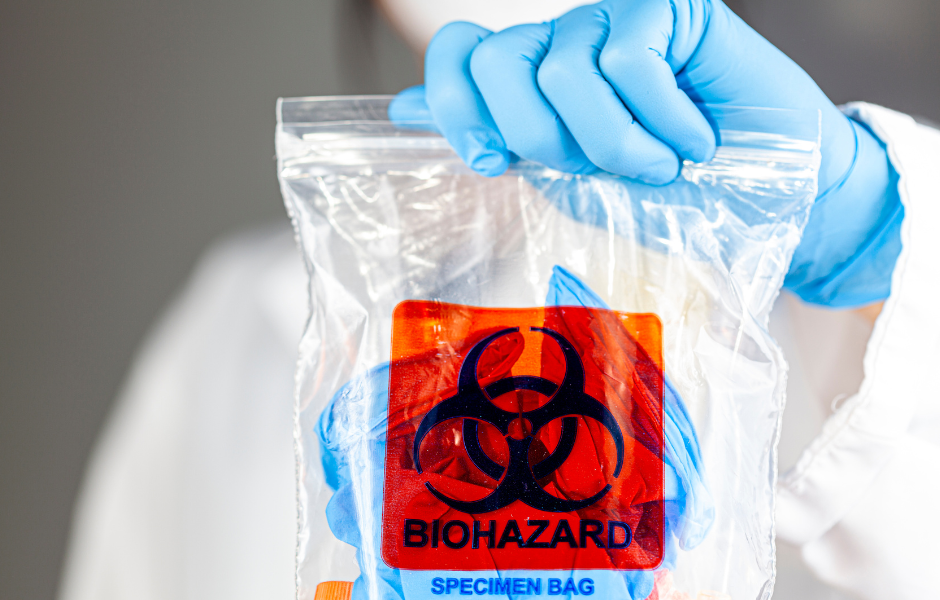
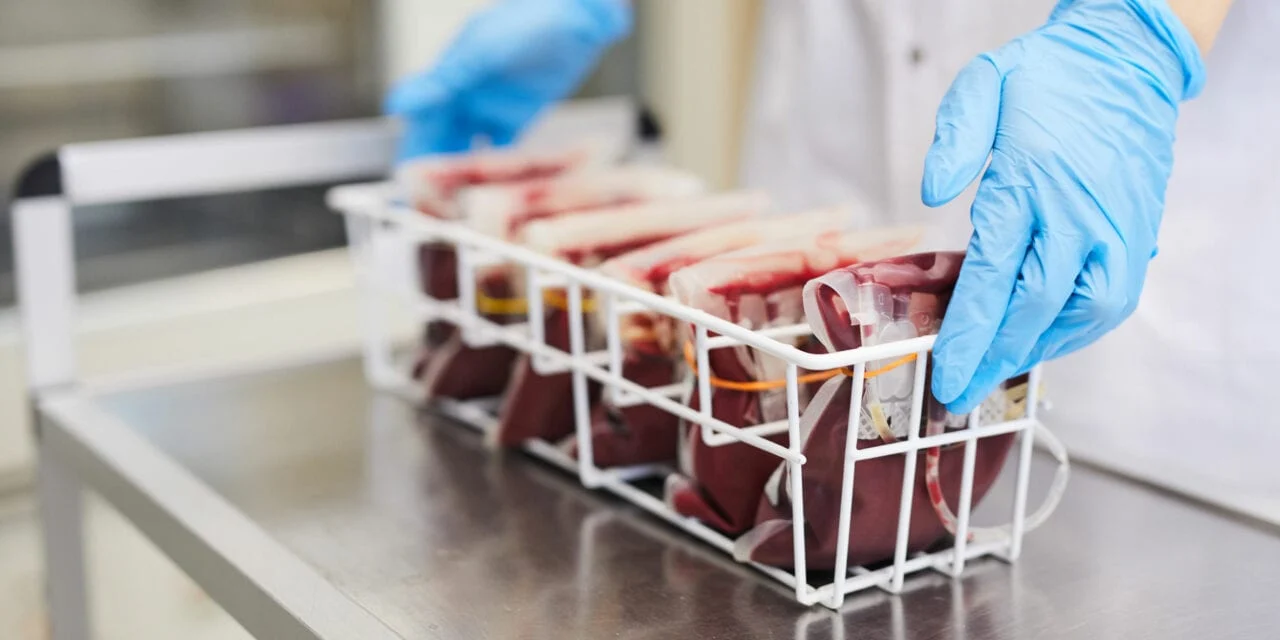
Any liquid or semi-liquid blood, as well as items that have come into contact with it (such as gloves, gauze, or bandages), must be securely placed in designated biohazard containers.
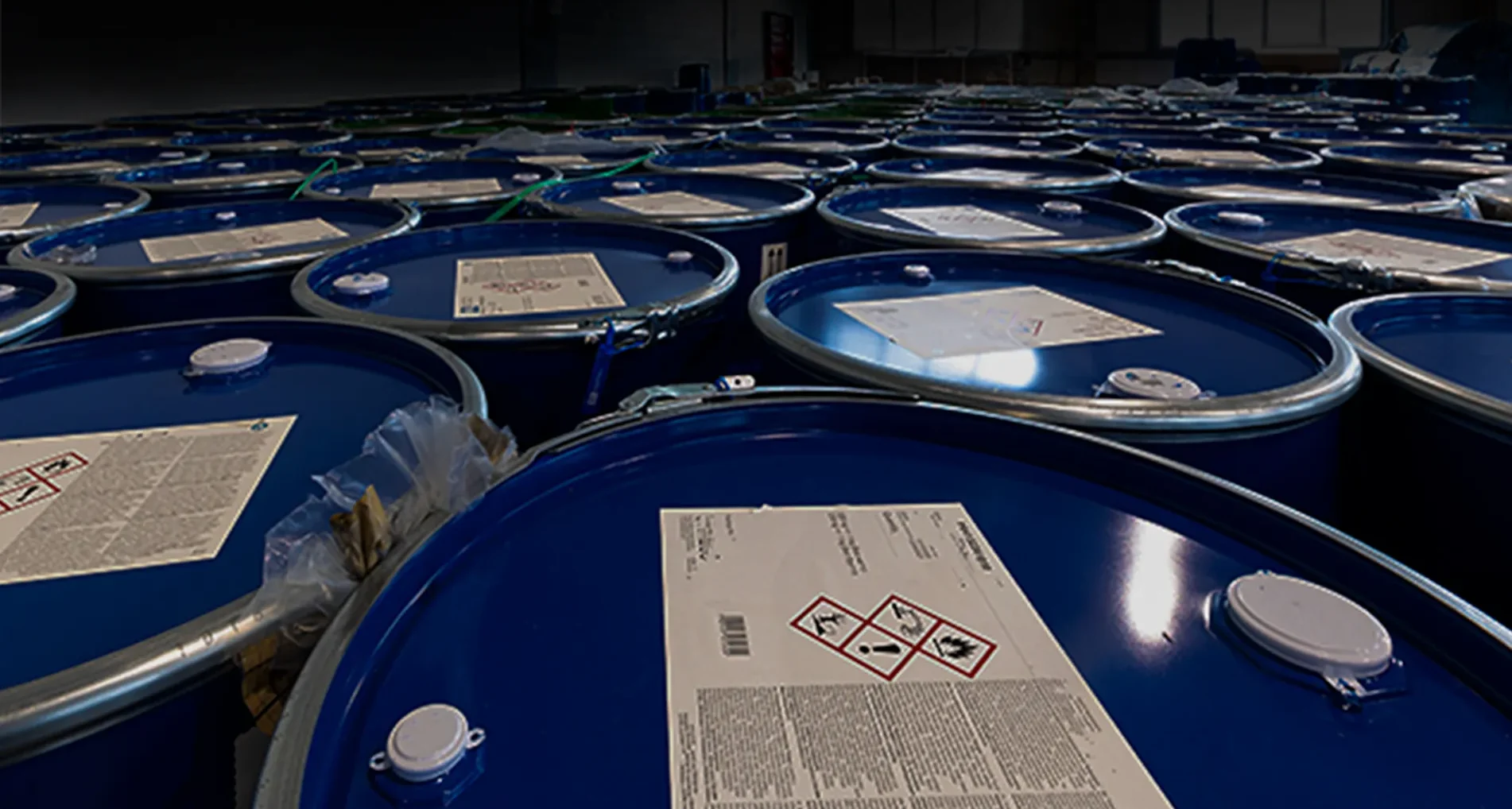
These containers are typically constructed to be puncture-resistant, leak-proof, and brightly labeled to signify their hazardous contents. These containers must be easily accessible in environments where blood might be encountered to facilitate prompt disposal.
Disposal:
Blood should never be disposed of in regular trash to prevent potential exposure to waste handlers and the public.
Instead, it requires specialized handling methods, including autoclaving—a sterilization process that employs pressurized steam—to effectively eliminate infectious agents.
Incineration is another method that safely reduces biological waste to ash, ensuring that no pathogens are released into the environment. Alternatively, employing professional medical waste management services, such as Secure Waste, which are specifically equipped to handle biohazardous materials, is highly recommended to ensure compliance with legal and safety regulations.
Protection:
When handling blood or items contaminated with blood, it is imperative to wear appropriate personal protective equipment (PPE).
This includes gloves, masks, face shields, and gowns, which protect against splashes or contact with bodily fluids. The correct use of PPE minimizes the risk of exposure to potentially infectious materials and ensures a safer environment for both the handler and those in the vicinity.
Regular training on the proper use of PPE and emergency procedures is essential to enhance safety measures in workplaces.
By following these comprehensive guidelines for blood and biohazard waste, individuals and organizations can significantly reduce the health risks associated with blood as a biohazard and foster a safer workplace or community environment.
Conclusion:
Biohazard waste impacts our workplaces, environments, and health. Understanding these hazards is crucial for protecting ourselves and others.
This article defines biological hazards, provides examples such as bloodborne pathogens and stinging insects, and outlines control measures, including proper waste management, the use of personal protective equipment, and education.
By identifying risks, we can develop strategies to mitigate their effects, fostering safe environments through shared responsibility. Regular risk assessments and training can help manage potential biohazard threats.
Staying informed and proactive is vital as new biological challenges arise. Together, we can prioritize health and safety, increase awareness, and promote responsible actions to create a healthier future for all!
Now that you have a more comprehensive understanding of a blood waste partnership in relation to biological hazards, don’t hesitate to contact Secure Waste.
We provide reliable, compliant, and environmentally friendly medical waste disposal solutions tailored to your facility’s specific needs.
We have expertise in biomedical waste, hazardous waste, and Sharps container disposal. Additionally, we offer customized waste management plans, including secure collection and transportation, as well as sustainable disposal practices.
**Disclaimer** This information is provided for reference purposes only and should not be considered as legal advice or factual information at the time of your reading. Regulations frequently change and can vary from state to state. We encourage you to contact your local regulatory authorities or Secure Waste directly for the most current information. Please note that Secure Waste is not liable, in part or in whole, for any information contained on this page or website
Expert Medical Waste Management: With over 25 years of industry experience, Secure Waste is a trusted local leader in hazardous and biohazardous waste disposal across Maryland, Virginia, and Washington, D.C. Specializing in medical waste management, sharps needle disposal, and biohazard waste removal, the company ensures full compliance with federal, state, and local regulations while prioritizing environmental sustainability.
The company also offers additional services, including secure document shredding and sharps container sales, providing comprehensive solutions for healthcare facilities and businesses. Our cost-effective services help clients maintain regulatory compliance without unexpected costs.
With a commitment to customer satisfaction, Secure Waste offers tailored waste management plans that align with industry best practices. Their team of experts provides reliable, timely, and compliant services, making them the preferred choice for medical waste disposal. For a free waste quote or more information, visit www.securewaste.net