Biohazardous Waste Management | Types, Regulations & Disposal Technologies Explained
If you work in healthcare, research, or a laboratory, managing biohazardous waste is a crucial responsibility that can’t be ignored. But before moving forward to anything else, first, everything you need to know about safe Biohazard waste management!
What Is Biohazardous Waste?
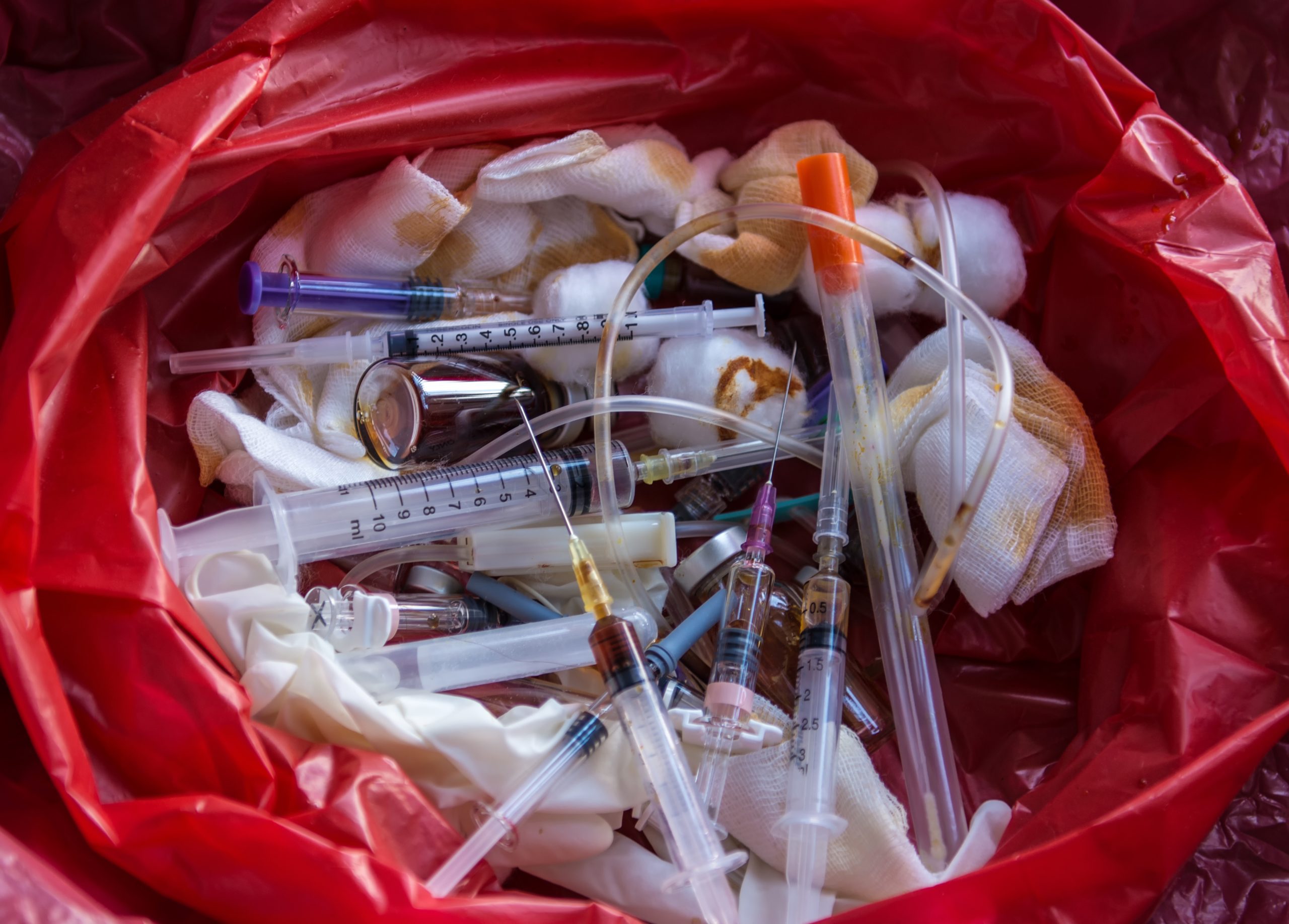
Biohazardous waste is any material that contains potentially infectious agents harmful to humans, animals, or the environment.
Understanding it in a broader context is essential, not just for complying with legal regulations but also for preventing the spread of infections, reducing environmental contamination, and protecting staff and the public.
In the following sections, we’ll explore the different types of biohazardous waste, the rules governing its handling, and the technologies used to dispose of it safely.
Types Of Biohazardous Waste?

When it comes to handling sharps safety is our top priority Discover the best practices for disposing of biohazardous needles to protect yourself and the environment Lets work together to ensure a safer future
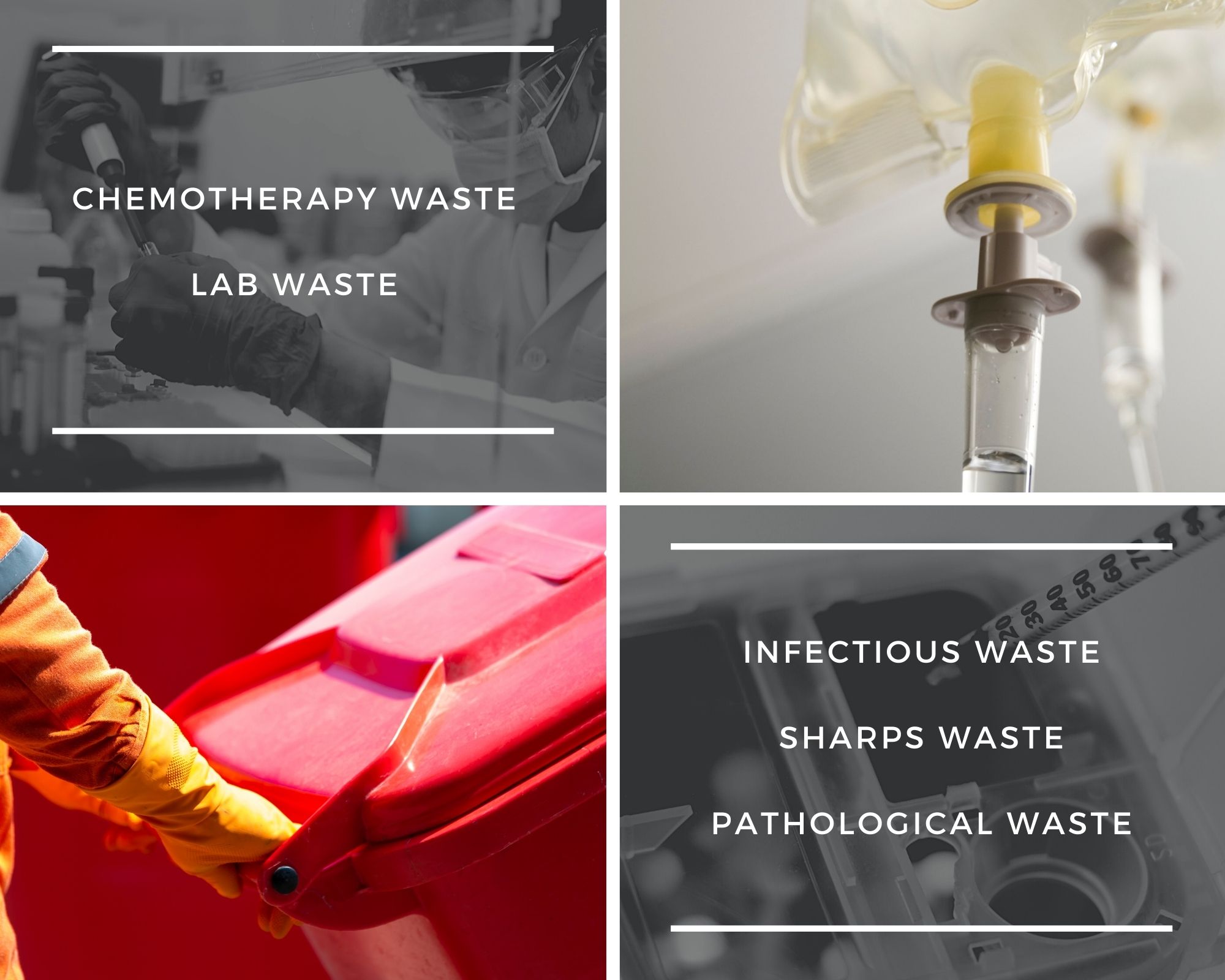
- Sharps Waste: Needles and scalpels pose puncture risks and transmit infections easily.
- Infectious Waste (Pathological Waste): Human tissues, blood, or organs discarded after medical use may harbor harmful microbes.
- Contaminated Laboratory Waste: Lab disposables such as gloves or Petri dishes become hazardous once exposed to pathogens.
- Animal Waste: Research animals, their carcasses, or bedding often carry zoonotic diseases requiring controlled disposal.
- Biotechnology Waste / Recombinant DNA Waste: Genetic engineering byproducts, including altered organisms, demand secure destruction to prevent environmental release.
- Cytotoxic (Pharmaceutical) Waste: Potent chemotherapy drugs and expired toxic medications can damage health if mishandled, so they fall under stricter biomedical waste disposal guidelines.
- General Biohazardous Waste: Contaminated materials like bandages, masks, and swabs need careful, separate disposal every day.
The management of biohazardous waste is governed by a comprehensive regulatory framework that ensures safety and environmental protection This framework outlines the necessary procedures for the proper disposal of waste that may pose a risk to human health or the environment including medical and laboratory waste Compliance with these regulations is essential for facilities generating biohazardous waste as it helps mitigate the risks associated with improper handling and disposal
Regulatory Framework For Biohazardous Waste Disposal
Below are the key elements outlined in the biohazard waste disposal guidelines:
- Environmental Protection Agency (EPA): Under the Resource Conservation and Recovery Act (RCRA), the EPA regulates disposal methods that could impact air, soil, or water, including incineration and chemical treatment.
- Occupational Safety and Health Administration (OSHA): Protects workers through the Bloodborne Pathogens Standard, requiring training, protective equipment, and safe practices in facilities handling infectious waste, which ties directly to safe healthcare waste management protocols.
- Department of Transportation (DOT): The DOT governs the packaging, labeling, and transport of regulated medical waste to prevent spills or exposure during transit.
- Centers for Disease Control and Prevention (CDC): Provides biosafety guidelines, especially for laboratories, to prevent infectious diseases.
Biohazard State-Level Regulations
While federal agencies provide overarching standards, each U.S. state enforces detailed rules for biohazardous waste management. These regulations can vary in terms of storage duration, approved treatment methods, and reporting requirements.
For instance, California enforces stricter storage limits and mandates specific treatment facilities, whereas New York focuses on manifest tracking and documentation.
Healthcare providers, laboratories, and research centers must comply with federal and state rules. Ignoring state-level regulations can lead to fines, legal penalties, or facility closures.
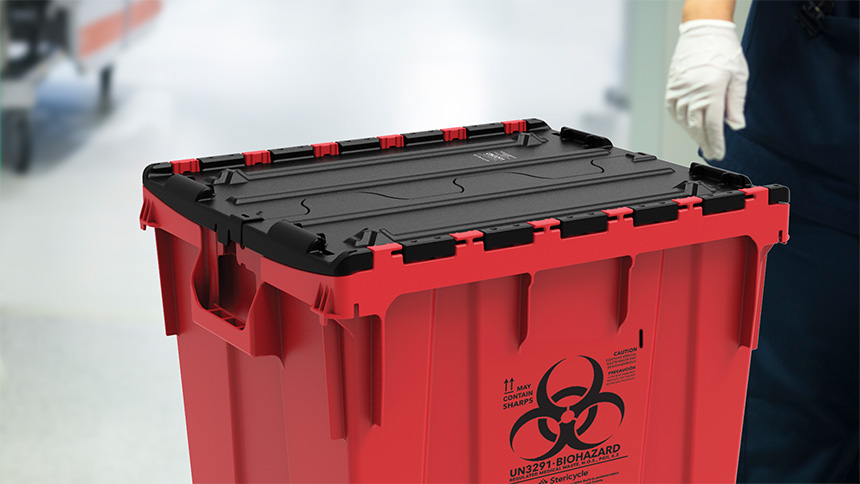
How Is Biohazard Waste Disposed Of?
After reading the details below, you will know how to dispose of biohazard waste!
Segregation At The Source: Waste is immediately separated into sharps, pathological, or pharmaceutical categories to prevent cross-contamination
Proper Packaging And Labeling: Each type is placed in color-coded, leak-proof, or puncture-proof containers marked with biohazard symbols.
Storage: Facilities keep waste in secure areas until medical waste pickup schedules are met.
Transportation: Certified haulers transport waste using sealed vehicles and maintain detailed tracking documents for accountability.
Treatment Methods: Neutralization occurs through autoclaving, incineration, chemical disinfection, or advanced eco-friendly technologies, each serving as a core method of safely disposing of biohazardous waste.
Final Disposal: After treatment, waste is reduced to ash or rendered noninfectious, then sent to approved landfills.
Innovative Solutions In Biohazard Waste Management
On-Site Sterilization Technologies
Traditional disposal often requires transporting biohazardous waste to external facilities, which increases costs and exposure risks.
On-site sterilization units solve this by allowing hospitals and laboratories to neutralize pathogens immediately after generating waste. These machines use steam, dry heat, or microwave energy to render materials safe.
The treated waste can then be compacted and sent to regular trash collection. By eliminating transport risks and reducing reliance on external vendors, on-site sterilization increases safety, saves money, and enhances operational control.
Plasma Gasification
Plasma gasification is a cutting-edge process that uses plasma torches to reach temperatures exceeding 3,000°F, breaking down waste into its simplest elements. Instead of producing harmful smoke from incineration, the system generates syngas, a clean fuel, and a stable, non-toxic, glassy byproduct.
This method reduces the environmental footprint of medical waste disposal.
Although not yet widespread, it is being explored in the U.S. as an eco-friendly, energy-positive alternative that can convert dangerous waste into renewable energy.
Autoclave-Shredding Hybrid Systems
Hybrid autoclave-shredding systems integrate two processes into one seamless cycle.
First, waste is sterilized using high-pressure steam, which kills bacteria, viruses, and other microorganisms.
Immediately afterward, the sterilized waste is shredded into unrecognizable pieces, reducing its volume by up to 80%.
The shredded material is safer and easier to transport for final disposal. Hospitals and labs that generate large volumes of waste find these systems especially valuable, as they save space, improve safety, and streamline compliance.
Ai-Driven Waste Segregation
One of the most common problems in biohazardous medical waste disposal is improper segregation, often due to human error.
Artificial intelligence uses computer vision and sensors to identify and categorize waste materials automatically.
The system can distinguish between sharps, plastics, and contaminated disposables, directing each to the correct container.
By improving accuracy, AI reduces the risk of cross-contamination, ensures compliance with strict U.S. regulations, and lowers disposal costs.
Robotic Waste Handling
Handling infectious waste exposes healthcare staff to sharp injuries, bloodborne pathogens, and other serious risks.
Robotics is emerging as a safer alternative. Automated robotic arms, conveyor systems, and guided vehicles can lift, transport, and load biohazardous waste containers without direct human involvement.
By minimizing contact, these systems protect employees from exposure while ensuring faster, more consistent workflows.
Waste-To-Energy Conversion
Instead of sending sterilized medical waste to landfills, waste-to-energy systems transform it into usable power.
The waste is incinerated or processed in specialized plants to generate electricity, heat, or alternative fuels.
This method reduces reliance on landfills, lowers environmental impact, and creates a sustainable cycle where waste contributes to energy production.
Some advanced systems can achieve near-zero emissions.
Partner With Secure Waste For Compliant Medical Waste Management Today
We deliver trusted and regulation-ready solutions for handling medical waste at Secure Waste.
We provide end-to-end support, from safe collection and transport to advanced treatment methods designed to protect people and the environment.
Unlike many other biohazard waste disposal companies, we prioritize tailored services that adapt to each facility’s specific needs, ensuring peace of mind throughout the process. If you want more information or to schedule a consultation, please call us at 877-633-7328.
In Conclusion Biohazardous Waste Management:
Secure Waste will save you money on Regulated healthcare biohazard waste management. We understand these hazards.
Staying informed and proactive is vital as new disposal management challenges arise. Together, we can prioritize health and safety, increase awareness, and promote responsible actions to create a healthier future for all in Maryland, Virginia, and D.C.
We provide reliable, compliant, and environmentally friendly waste disposal solutions tailored to your facility’s specific needs.
Disclaimer: This information is provided for reference purposes only and should not be considered as legal advice or factual information at the time of your reading. Regulations frequently change and can vary from state to state. We encourage you to contact your local regulatory authorities or Secure Waste directly for the most current information. Please note that Secure Waste is not liable, in part or in whole, for any information contained on this page or website.
Expert Medical Waste Management: With over 25 years of industry experience, Secure Waste is a trusted local leader in hazardous and biohazardous waste disposal across Maryland, Virginia, and Washington, D.C. Specializing in medical waste management, sharps needle disposal, and biohazard waste removal, the company ensures full compliance with federal, state, and local regulations while prioritizing environmental sustainability.
The company also offers additional services, including secure document shredding and sharps container sales, providing comprehensive solutions for healthcare facilities and businesses. Our cost-effective services help clients maintain regulatory compliance without unexpected costs.
With a commitment to customer satisfaction, Secure Waste offers tailored waste management plans that align with industry best practices. Their team of experts provides reliable, timely, and compliant services, making them the preferred choice for medical waste disposal. For a free waste quote or more information, visit www.securewaste.net