How To Properly Manage C. difficile (C. diff) Biohazard Waste
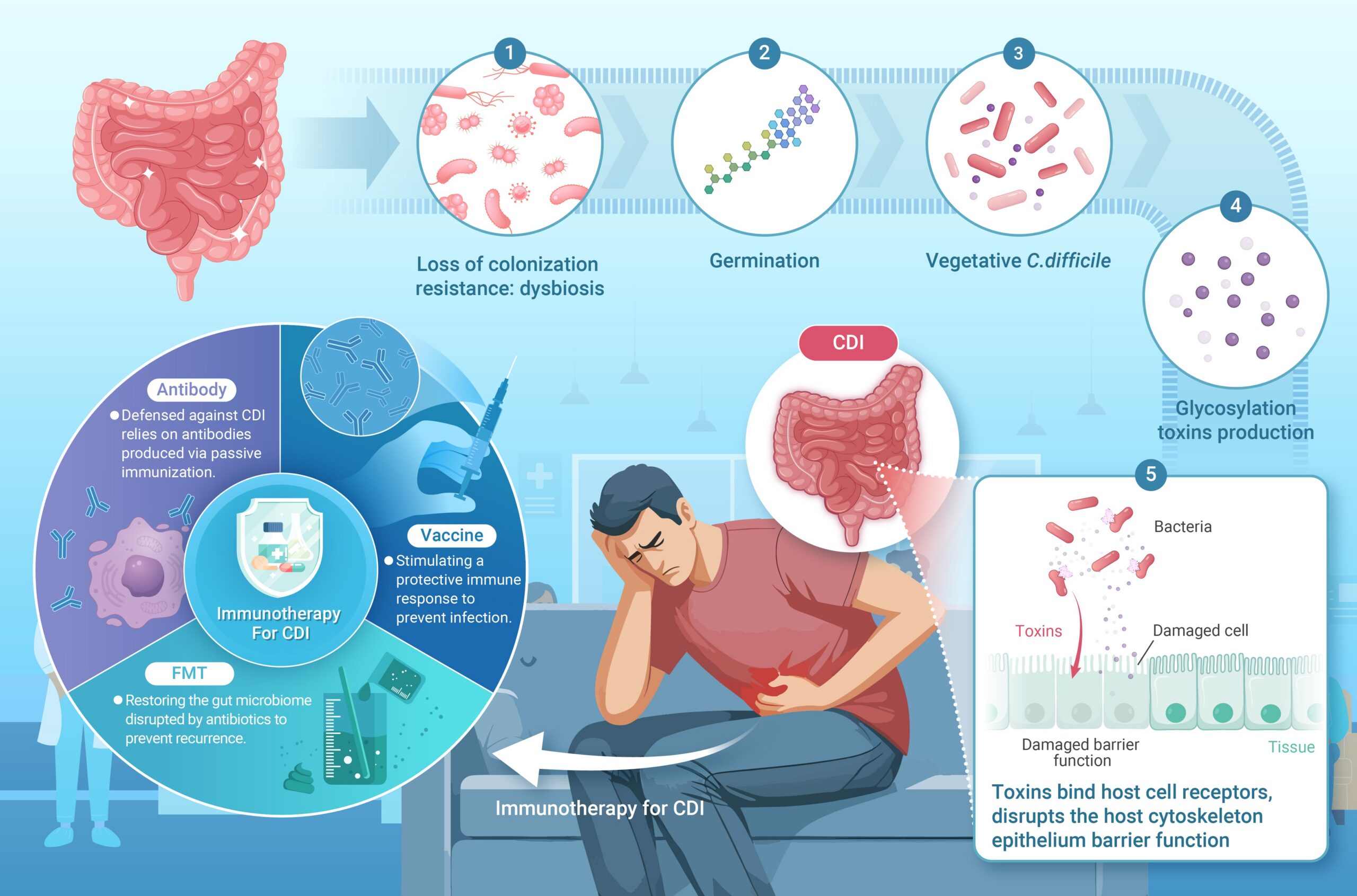
Secure Waste explains that handling biohazard infectious waste contaminated with Clostridioides difficile (C. diff) requires strict adherence to safety protocols to reduce the risk of spore transmission.
At Secure Waste, we emphasize the critical importance of enforcing strict contact precautions, utilizing sporicidal agents—such as industrial-strength bleach—and ensuring the correct disposal of contaminated materials to maintain a safe healthcare environment.
Introduction To Secure Waste Infectious Biohazard Solutions
Welcome to Secure Waste, the premier provider of infectious waste management services in the DMV area, including Washington D.C., Maryland, and Virginia.
With over three decades of experience in the field, we have positioned ourselves as the preferred choice for physicians seeking effective and compliant biohazard and sharps disposal solutions.
Our reputation for quality and reliability is built on our commitment to uphold the highest standards in medical waste management, particularly in the face of infectious diseases.
What is OPIM? Other Potentially Infectious Material Learn More Here From Secure Waste Solutions For Handling OPIM
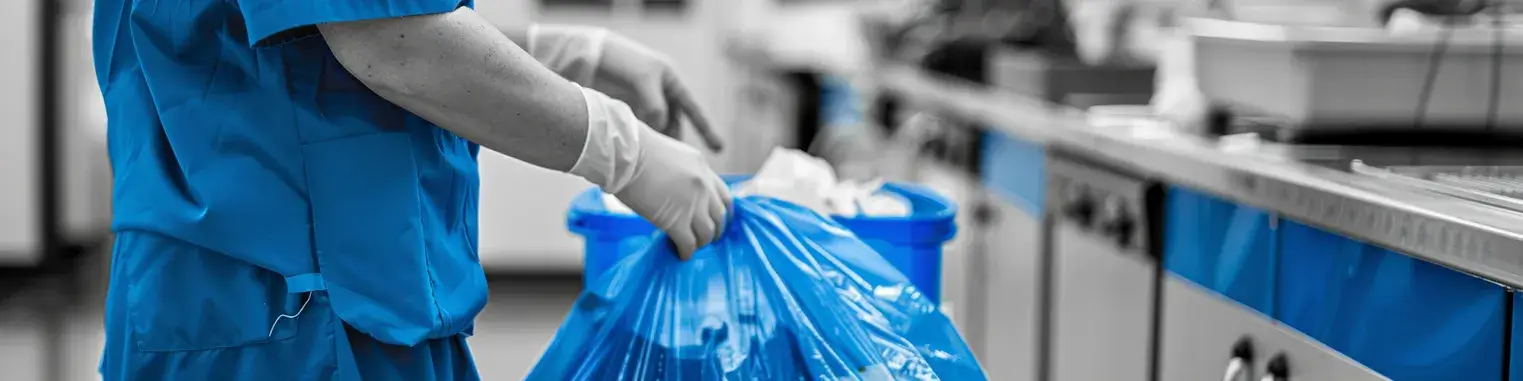
We specialize in the disposal of a diverse range of healthcare-related waste, tailored to address the unique challenges of the healthcare industry.
Our services align strictly with the regulatory framework governing the disposal of biohazard infectious waste, recognizing the vital need to ensure a clean, safe environment for healthcare providers and their patients alike.
Our dedicated team takes pride in providing affordable, contract-free infectious medical waste disposal services throughout the DMV.
This approach ensures our clients benefit from the support they need without the stress of long-term commitments. We prioritize customer satisfaction and compliance with all pertinent local and federal regulations, offering peace of mind in our waste management capabilities.
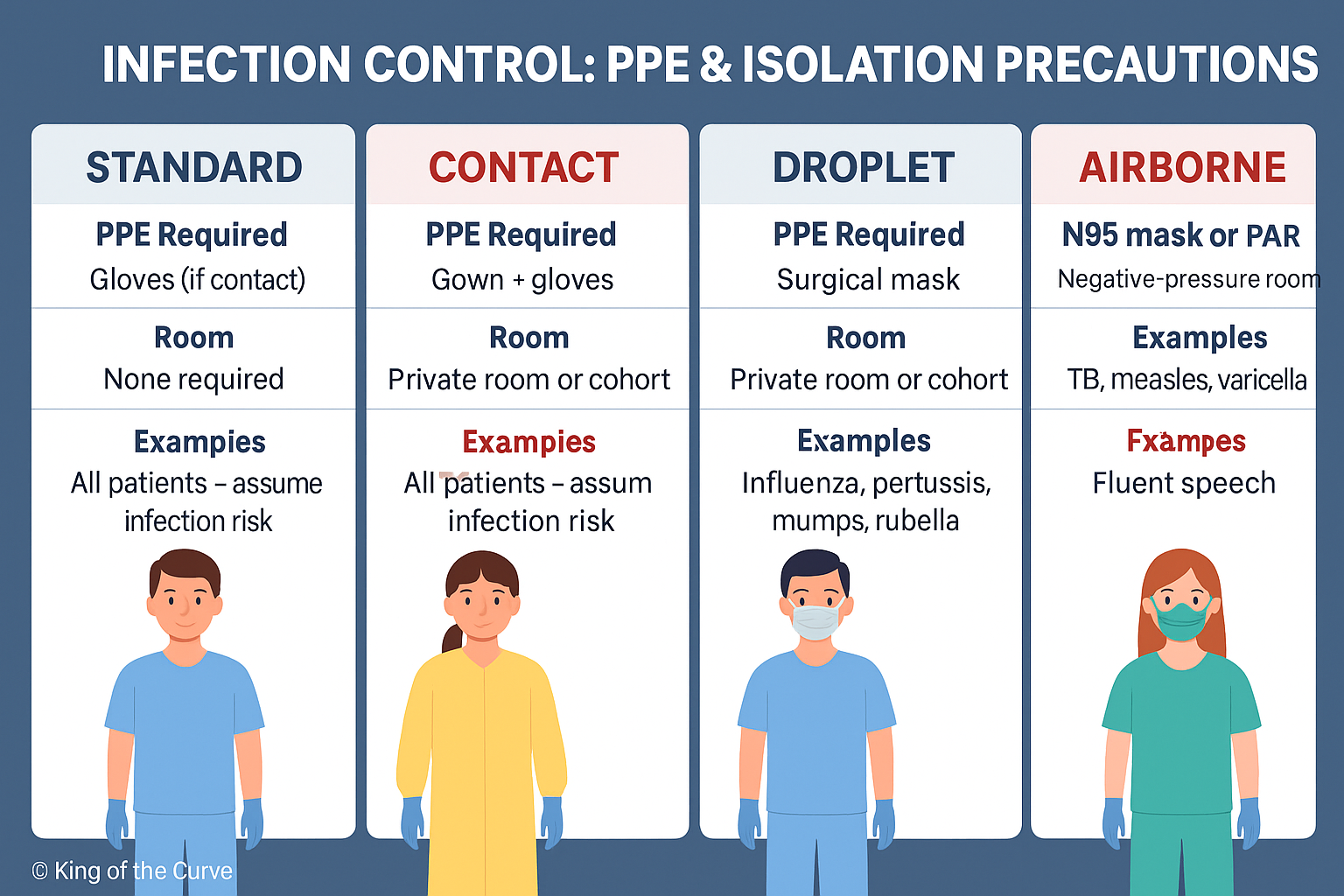
When it comes to handling C diff waste its crucial to understand the best practices to ensure safety and prevent the spread of infection Proper use of personal protective equipment PPE is key to safeguarding yourself and others Lets dive into some engaging and effective strategies for managing this challenging situation
Managing C. diff Waste: Essential Practices
The management of biohazard waste associated with C. diff infections presents specific challenges. Implementing effective protocols is essential for minimizing risks:
- Personal Protective Equipment (PPE): The use of appropriate PPE is paramount. Healthcare workers should wear gloves, gowns, and protective eyewear when handling contaminated materials to safeguard against exposure to harmful spores. PPE must be disposed of safely to avoid cross-contamination.
- Environmental Cleaning: It is crucial to utilize EPA-registered disinfectants specifically designed to combat C. diff spores. Products listed on List K, such as sodium hypochlorite (bleach) solutions or hydrogen peroxide-based disinfectants, should be employed. Surfaces must be thoroughly cleaned before disinfection, with particular attention to high-touch areas in patient rooms, such as bedrails, doorknobs, and light switches. This cleaning should occur at least once daily and after any suspected contamination incidents. Following patient discharge, terminal cleaning procedures must be conducted to effectively eliminate any lingering spores.
- Surface Disinfection: Cleaning and disinfection protocols should extend to frequently contacted surfaces. All surfaces must be disinfected with agents proven effective against C. diff spores, with appropriate contact times to maximize efficacy.
- Waste Disposal: All contaminated medical waste must be disposed of using robust, leak-proof, and puncture-resistant bags or containers. Contaminated linens pose a particular risk and should be handled with care. Gloves must be worn, and linens should be bagged immediately after use. Laundering should involve hot water and bleach to thoroughly eradicate any potential spores.
- Equipment Care: To minimize the risk of cross-contamination, specific equipment, such as stethoscopes and thermometers, should be assigned for use by individual patients. When equipment must be shared, it is critical to disinfect items with sporicidal wipes between uses to ensure thorough decontamination.
- Hand Hygiene: Effective hand hygiene practices cannot be overemphasized. Washing hands thoroughly with soap and water is essential after contact with potentially contaminated materials, as alcohol-based hand sanitizers are ineffective against C. diff spores.
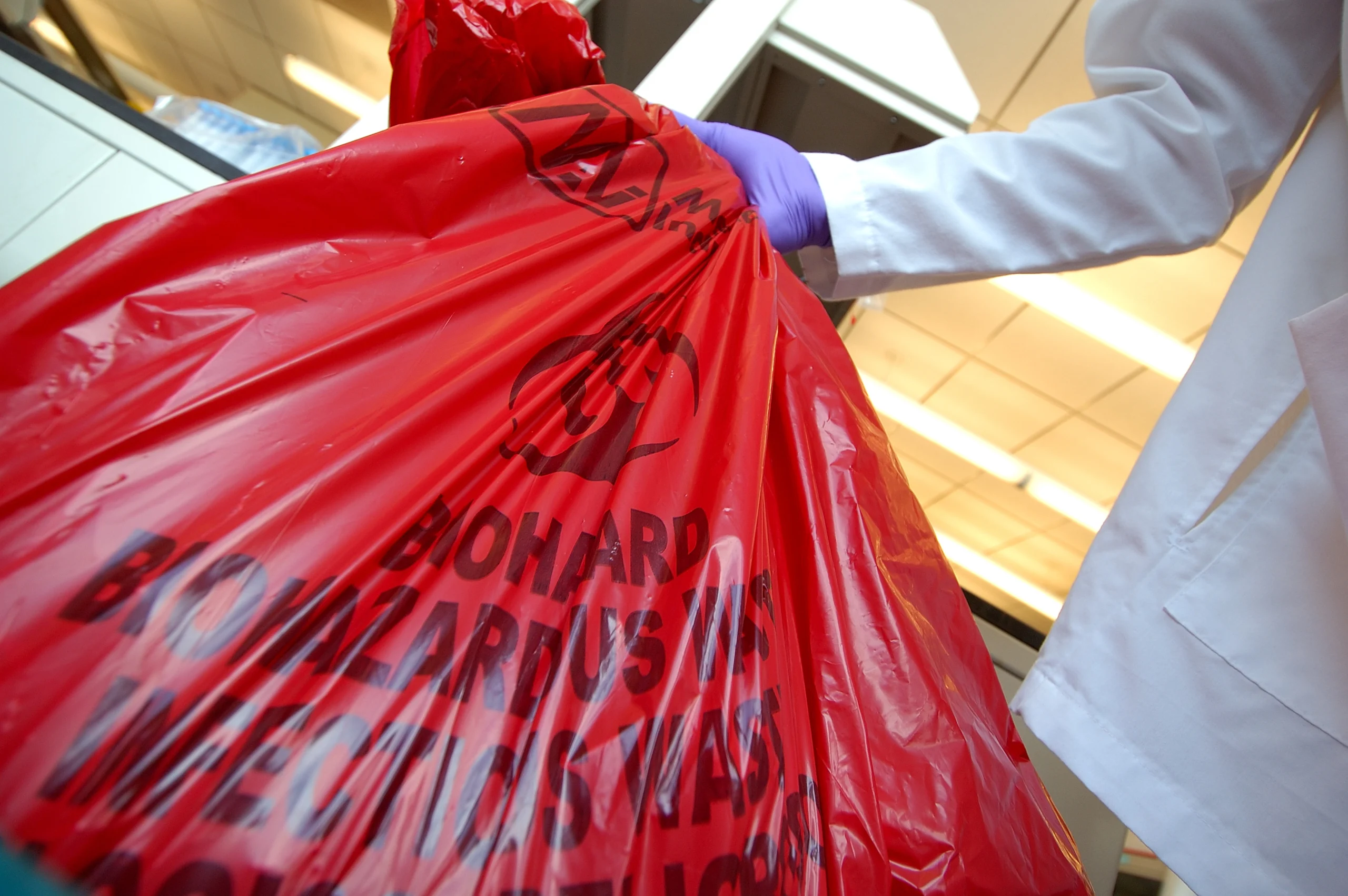
Managing waste from C diff patients is critical to preventing the spread of infection Heres how we can tackle this challenge effectively and ensure a safe environment for everyone
Waste Management Protocols
- Spill Management: Prompt and careful management of spills is crucial. Any contaminated area must be treated with a 1:10 bleach solution, allowing at least 10 minutes of contact time to ensure effective disinfection and minimize the risk of spore transmission.
- Fecal Management: Solid feces should be flushed down the toilet immediately to prevent contamination. Bedpans and commodes must be cleaned thoroughly with sporicidal agents to reduce the risk of airborne or surface spore transmission.
- Handling Precautions: Healthcare personnel should always don appropriate PPE, including gloves and gowns, when handling soiled laundry or waste. These items should be disposed of as regulated medical waste in accordance with established guidelines to maintain safety standards and prevent cross-contamination.
By rigorously implementing these comprehensive protocols, healthcare facilities can significantly reduce the risk of C. diff transmission while ensuring the safety and well-being of both patients and staff.
Secure Waste is committed to guiding healthcare providers through the complexities of medical waste management, providing support and expertise to navigate these critical challenges.
In Conclusion:
Secure Waste will save you money on Regulated healthcare waste disposal. We understand these hazards.
Staying informed and proactive is vital as new disposal management challenges arise. Together, we can prioritize health and safety, increase awareness, and promote responsible actions to create a healthier future for all in Maryland, Virginia, and D.C.
We provide reliable, compliant, and environmentally friendly waste disposal solutions tailored to your facility’s specific needs.
Disclaimer: This information is provided for reference purposes only and should not be considered as legal advice or factual information at the time of your reading. Regulations frequently change and can vary from state to state. We encourage you to contact your local regulatory authorities or Secure Waste directly for the most current information. Please note that Secure Waste is not liable, in part or in whole, for any information contained on this page or website.
Expert Medical Waste Management: With over 25 years of industry experience, Secure Waste is a trusted local leader in hazardous and biohazardous waste disposal across Maryland, Virginia, and Washington, D.C. Specializing in medical waste management, sharps needle disposal, and biohazard waste removal, the company ensures full compliance with federal, state, and local regulations while prioritizing environmental sustainability.
The company also offers additional services, including secure document shredding and sharps container sales, providing comprehensive solutions for healthcare facilities and businesses. Our cost-effective services help clients maintain regulatory compliance without unexpected costs.
With a commitment to customer satisfaction, Secure Waste offers tailored waste management plans that align with industry best practices. Their team of experts provides reliable, timely, and compliant services, making them the preferred choice for medical waste disposal. For a free waste quote or more information, visit www.securewaste.net