
Guaranteed Steps On How To Save On Medical Waste In DC-MD-VA
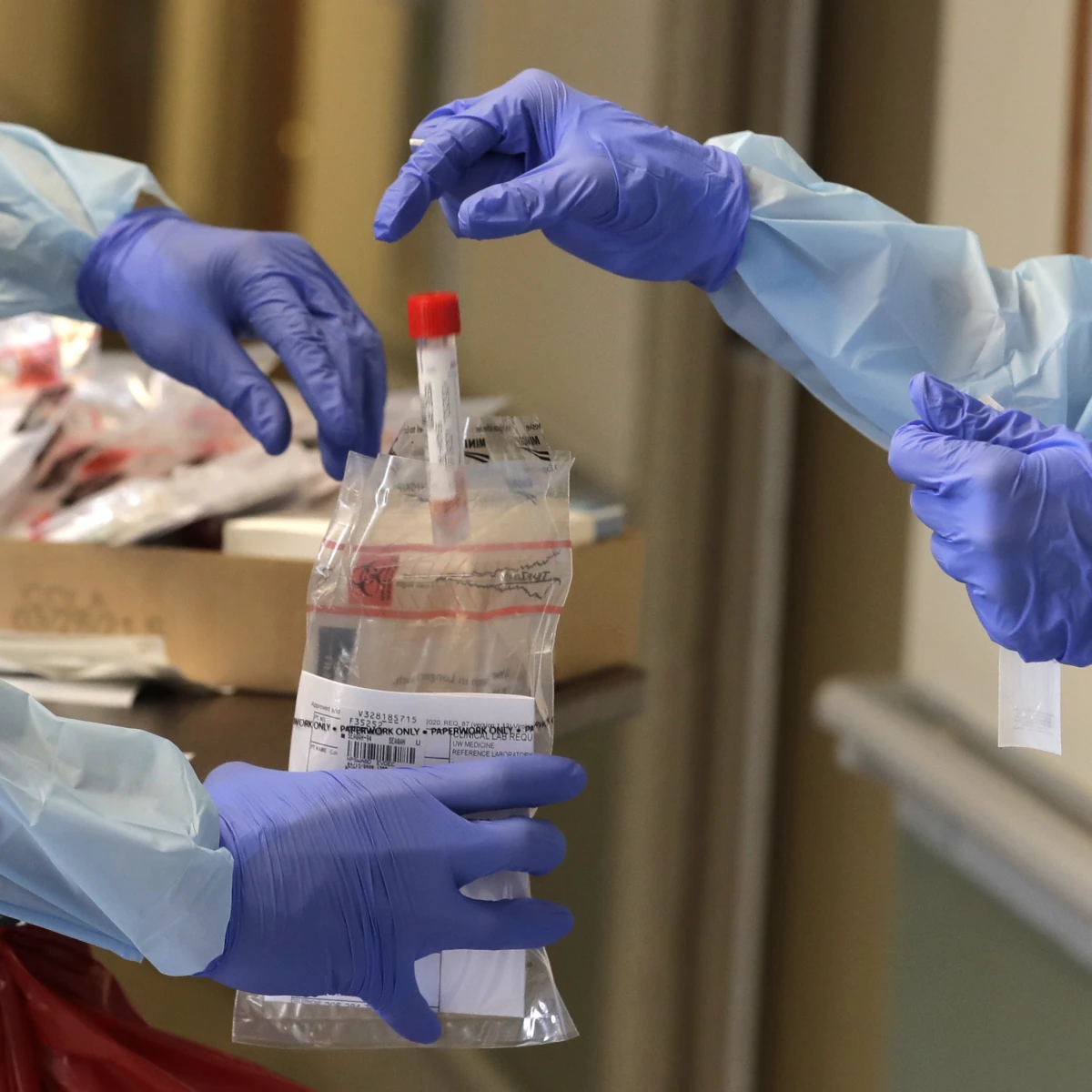
To effectively reduce costs associated with medical waste disposal in the DMV area—including Washington D.C., Maryland, and Virginia—it is imperative that healthcare facilities implement rigorous waste segregation practices and explore cost-efficient service provider options.
A crucial aspect of this strategy is ensuring that non-hazardous waste is disposed of correctly, avoiding improper placement in red biohazard bags.
Improper waste categorization can significantly inflate disposal costs, as many industry experts emphasize that misclassifying regular, non-hazardous trash as biohazardous waste results in higher pricing due to the much higher rates for hazardous material disposal.
By adopting effective waste management practices, healthcare facilities can substantially reduce waste volume and associated costs.
Welcome to Secure Waste, the leading provider of medical waste disposal services in Washington, D.C., Maryland, and Virginia.
With over 30 years of industry experience, we specialize in safe, cost-effective management of medical waste, including comprehensive sharps and needle management solutions.
Throughout our extensive history in healthcare waste management, we have encountered a wide range of situations and challenges. We are dedicated to helping healthcare providers not only meet compliance requirements but also significantly reduce their medical waste disposal expenses.
In this article, we will explore nine actionable strategies that your practice can implement to begin saving money on medical waste disposal. By the end of this read, you will have valuable insights to enhance your operational efficiency and reduce costs.
In addition, we will show our top guaranteed method to save money by making just one change to your current practices. Let’s dive into the details and start learning how to optimize your medical waste management!
9 Guaranteed Cost-Saving Strategies On Medical Waste In The DMV
- Proper Waste Segregation (Highest Impact): Establishing a comprehensive training program for staff on the correct waste segregation procedures is essential for minimizing disposal costs. It is vital that only items clearly contaminated with blood or bodily fluids are placed in red biohazard bags, while non-hazardous materials such as paper products, food wrappers, and general waste should be kept completely separate. By rigorously enforcing this policy and conducting regular audits to ensure compliance, facilities can avoid incurring additional charges that can frequently escalate to 5 to 10 times the cost of biohazard waste disposal compared to regular waste.
- Utilize Smaller Containers: Implementing the use of smaller sharps containers in clinical areas, such as examination rooms and procedure areas, can dramatically reduce the frequency of pick-ups. Many facilities rely on large containers that often remain only partially full, necessitating frequent changes that do not reflect actual waste generation. Smaller containers can streamline the process, thereby reducing costs while also supporting environmental initiatives by lowering the overall waste volume.
- Consider No-Contract Service Providers: To minimize the challenges posed by long-term contracts—particularly those that may include automatic price increases—healthcare facilities should proactively seek partnerships with waste disposal companies such as Secure Waste Inc., which serves Maryland, Virginia, and D.C., and Biomedical Waste Solutions. These providers typically offer transparent, fixed pricing models without the constraints of lengthy agreements, which promotes financial predictability and enables healthcare organizations to adapt their budgets accordingly.
- Negotiate Pickup Frequency: Facilities must assess their actual waste production and tailor their waste pickup schedules accordingly. Many practices pay for pickups far beyond their real needs due to standardized schedules. By conducting regular evaluations of waste generation patterns, facilities can determine optimal pickup frequencies, ensuring they pay only for the services they truly require and thereby enhancing cost-efficiency.
- Implement Mail-Back Kits: For healthcare providers producing smaller quantities of sharps waste—such as small clinics or outpatient facilities—implementing prepaid mail-back kits can be a practical and financially advantageous alternative. These kits allow for safe disposal without the need for full-service pickups, potentially reducing disposal costs by up to 50% for lower volume waste streams.
- Incorporate Reusable Containers: Transitioning to reusable sharps containers and waste bins can lead to significant long-term savings. By eliminating the ongoing expense of purchasing single-use containers, organizations not only cut costs but also advance sustainable waste management practices, thereby strengthening their commitment to environmental stewardship.
- Renegotiate Existing Contracts: Healthcare providers should routinely review and renegotiate their waste disposal contracts to ensure they are getting the best value. This proactive approach can help uncover hidden expenses, such as fuel surcharges, and ensure service levels align with the actual volume of waste generated, further optimizing cost management.
- Explore Alternative Disposal Technologies: The adoption of on-site waste treatment technologies, such as autoclaves or ozone treatment systems, can drastically reduce the volume of waste requiring external disposal. By processing waste on-site, facilities can reduce transportation costs, cut associated expenses, and improve their overall waste management footprint, promoting both sustainability and cost-effectiveness.
- Promote Waste Segregation Education: Cultivating a culture of awareness around the importance of proper waste classification is vital for long-term success. By providing ongoing education to staff about the financial ramifications of improper segregation—comparing it to “throwing away dollars”—organizations can foster a deeper understanding of waste management implications. This knowledge ultimately leads to better compliance with waste segregation practices and significant reductions in overall disposal costs.
By embedding these comprehensive strategies into their operational frameworks and nurturing an organizational culture focused on meticulous waste segregation, healthcare organizations can significantly reduce their medical waste disposal costs.
Furthermore, adopting these measures aligns with sustainable practices, reinforcing these facilities’ commitment to responsible waste management within the broader community.
Now that you reviewed 9 items to help save money on medical waste, let’s review our guaranteed method for disposal and saving.
Guaranteed #1 Way To Save On Medical Waste And It’s So Easy
85% Of All Medical Waste Is Non Hazardous, that’s right, non-hazardous
In healthcare environments, studies indicate that 85% of waste generated is non-hazardous general trash. Despite this high percentage, a significant amount of this waste is misidentified and disposed of as medical waste. Such misclassification not only contributes to inflated disposal costs but also creates safety risks for healthcare workers and the surrounding environment.
Understanding which items should be placed in biohazard boxes is crucial. Below is a comprehensive list of materials that are NOT considered medical waste and must be kept out of these specialized containers
- Food Wrappers: This category encompasses any packaging associated with food consumption, which includes plastic wrap, sandwich bags, snack wrappers, and similar materials. These items should always be disposed of with general waste, as they are non-hazardous.
- Paper Products: General office supplies such as envelopes, paper towels, and non-contaminated documents fall into this category. These paper items, unless soiled with hazardous substances, do not require disposal in biohazard containers.
- Cardboard: Clean cardboard boxes or packing materials that have not been contaminated with biohazardous substances are to be disposed of in regular recycling or general waste streams, rather than in medical waste containers.
- Clean Personal Protective Equipment (PPE): Equipment like gloves, masks, and gowns that have not had any exposure to hazardous materials must be considered clean waste and, therefore, should not be placed in biohazard boxes.
- Administrative Materials: This includes any documentation or files that do not involve medical waste or contaminants. Administrative waste is typically general waste and should not be placed in biohazard containers.
Commonly misplaced items that often end up in medical waste boxes include
- Office and General Trash: This broad category consists of food waste, paper receipts, unwanted mail, and various types of wrappers, all of which should be discarded in regular waste bins.
- Non-Infectious Linens: While linens that show signs of soiling may appear hazardous, those that are only stained but do not exhibit significant contamination from blood or infectious materials should not be classified as medical waste.
- Disposable Items: Everyday materials such as food containers, plastic bottles, and other items that have not come into contact with hazardous substances must be directed to regular trash disposal.
- Unused Items: Items like clean syringes, unused medical supplies, and packaging materials that haven’t been exposed to hazardous waste must never be placed in medical waste containers, as they do not pose any risk and belong in regular waste streams.
In contrast, it is essential to have a clear understanding of what qualifies as medical waste, also referred to as Regulated Medical Waste (RMW). This category includes various hazardous materials that require specialized handling and disposal methods to ensure safety for both personnel and the environment.
Proper waste segregation is integral to minimizing unnecessary disposal costs and bolstering safety protocols within healthcare facilities.
According to Secure Waste Disposal, the improper disposal of regular waste in medical waste containers can significantly increase waste management expenses.
Regulated medical waste, due to its hazardous nature, is considerably more costly to treat than standard waste, underscoring the need for efficient waste management practices within healthcare operations to ensure both economic and environmental sustainability.
In Conclusion:
Secure Waste will save you money on Regulated healthcare waste disposal. We understand these hazards.
Staying informed and proactive is vital as new disposal management challenges arise. Together, we can prioritize health and safety, increase awareness, and promote responsible actions to create a healthier future for all in D.C., Maryland, and Virginia, Also Known As The DMV.
We provide reliable, compliant, and environmentally friendly waste disposal solutions tailored to your facility’s specific needs.
Disclaimer: The information provided herein is intended solely for reference purposes and should not be interpreted as legal advice or as factually accurate at the time of your reading. It is important to note that regulations are subject to frequent changes and can vary significantly from one state to another. Therefore, we strongly encourage you to contact your local state regulatory authorities or Secure Waste directly to obtain the most current and accurate information. Additionally, please be advised that Secure Waste does not assume any liability, whether in part or in full, for the information contained on this page or website. This information is offered merely as a guide and should not be regarded as a definitive legal rule. In the event of a healthcare emergency, please dial 911 immediately.
Expert Medical Waste Management: With over 25 years of industry experience, Secure Waste is a trusted local leader in hazardous and biohazardous waste disposal across Maryland, Virginia, and Washington, D.C. Specializing in medical waste management, sharps needle disposal, and biohazard waste removal, the company ensures full compliance with federal, state, and local regulations while prioritizing environmental sustainability.
The company also offers additional services, including secure document shredding and sharps container sales, providing comprehensive solutions for healthcare facilities and businesses. Our cost-effective services help clients maintain regulatory compliance without unexpected costs.
With a commitment to customer satisfaction, Secure Waste offers tailored waste management plans that align with industry best practices. Their team of experts provides reliable, timely, and compliant services, making them the preferred choice for medical waste disposal. For a free waste quote or more information, visit www.securewaste.net