Examples Of Bloodborne Pathogens – Expert Solutions From Secure Waste
Secure Waste frequently receives questions regarding the complexities of bloodborne pathogens and Regulated waste management.
As a local expert in this critical field, we specialize in the safe handling of medical waste, biohazardous materials, and sharps containers, as well as hazardous waste management.
Our operations are centered around the responsible management of infectious waste and Bloodborne Pathogens as defined by OSHA, ensuring safety and compliance in every aspect.
In this article, Secure Waste offers a comprehensive, step-by-step guide to help you better understand bloodborne pathogens and their potential risks.
If you need help with bloodborne pathogen waste disposal or consulting services related to these hazards in Maryland, Virginia, or Washington, D.C., please don’t hesitate to contact Secure Waste.
We are committed to being a leader and trusted expert in regulated medical waste management, dedicated to protecting public health and the environment.
Bloodborne pathogens (BBPs) are infectious microorganisms present in human blood and other potentially infectious materials (OPIM), which pose serious health risks due to their ability to cause severe diseases.
The principal examples of BBPs include the Hepatitis B virus (HBV), Hepatitis C virus (HCV), and the Human Immunodeficiency Virus (HIV).
These pathogens are primarily transmitted through blood-to-blood contact or through exposure to infected fluids such as semen, vaginal secretions, and fluids visibly contaminated with blood, underscoring the importance of stringent infection control measures in various settings.
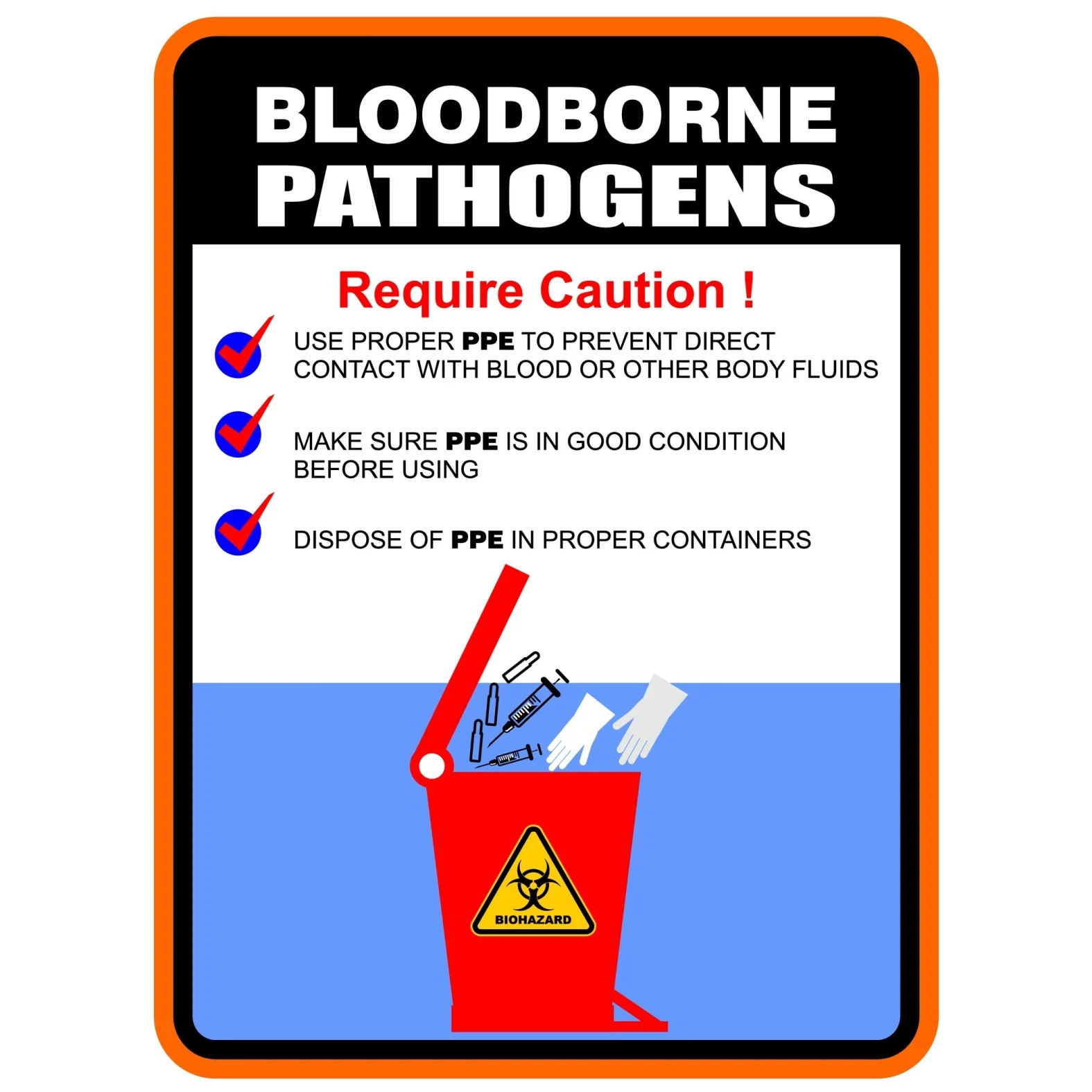
Common Bloodborne Pathogens In Healthcare Settings
– Hepatitis B Virus (HBV): HBV is a highly contagious virus that primarily targets the liver, leading to inflammation and potentially chronic liver disease, including cirrhosis and liver cancer.
Notably, HBV infection can often be prevented through vaccination, as there is a safe and effective vaccine available and recommended for at-risk populations, including healthcare workers and those with high-risk behavior.
– Hepatitis C Virus (HCV): HCV is also a liver infection, but is distinct in its transmission, as it is mainly spread through sharing needles or other drug-injecting equipment.
The prevalence of HCV has been increasing, particularly among specific populations, including individuals who inject drugs. Although there is currently no vaccine for HCV, recent advances in antiviral therapies have made it highly treatable, with a cure rate exceeding 95% for many patients.
– Human Immunodeficiency Virus (HIV): HIV selectively attacks the body’s immune system, specifically targeting CD4 cells (T cells), eventually leading to Acquired Immunodeficiency Syndrome (AIDS) if not effectively treated.
Thanks to significant advancements in antiretroviral therapy (ART), individuals living with HIV can manage the virus effectively, achieving viral suppression that allows for a long and healthy life, while also minimizing the risk of transmission to others.
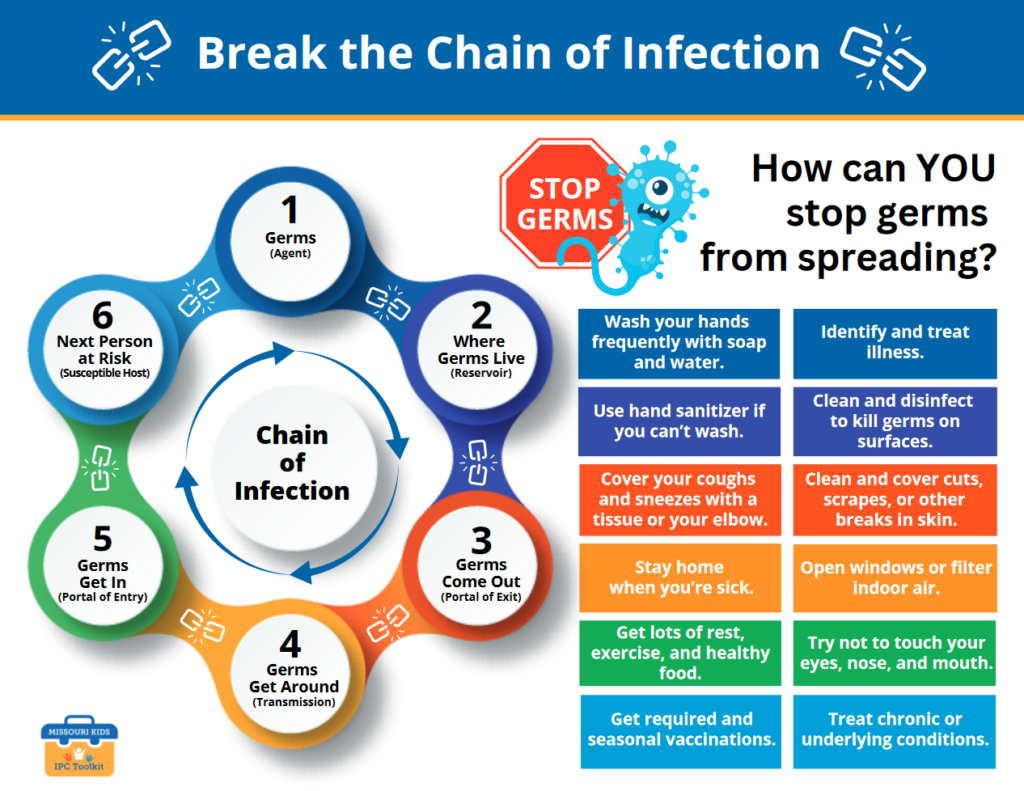
Other Examples & Related Pathogens
– Hepatitis D & E: Hepatitis D is a viral infection that only occurs in those infected with HBV, as it relies on HBV for its replication. Hepatitis E, although less common in the United States, can cause acute liver disease and is primarily transmitted through contaminated water.
Both forms of hepatitis, while less significant in terms of BBPs, highlight the broader landscape of viral infections that can affect liver health.
– Other Viruses: Emerging pathogens, such as the Zika virus, have raised concerns within the medical community, underscoring the importance of ongoing vigilance in infection prevention.
Healthcare professionals must remain informed about new threats and take preventive measures when dealing with these evolving risks.
Other Potentially Infectious Materials (OPIM)
Besides blood, various bodily substances can carry BBPs, particularly when visibly contaminated. These include:
– Semen and vaginal secretions: Both can harbor BBPs and require strict adherence to safety protocols during medical procedures, particularly in sexual health and reproductive healthcare contexts.
– Cerebrospinal fluid: This fluid, which nourishes and protects the brain and spinal cord, poses a significant infection risk if contaminated during specific medical procedures.
– Synovial fluid: Found in joint cavities, synovial fluid can also be a vehicle for transmission, particularly in cases of joint injections or surgeries.
– Pleural fluid and peritoneal fluid: Present within cavities of the body, these fluids need careful handling and disposal in clinical settings to prevent exposure to BBPs.
– Amniotic fluid: During childbirth, this fluid may carry infections, which can be transmitted to the newborn.
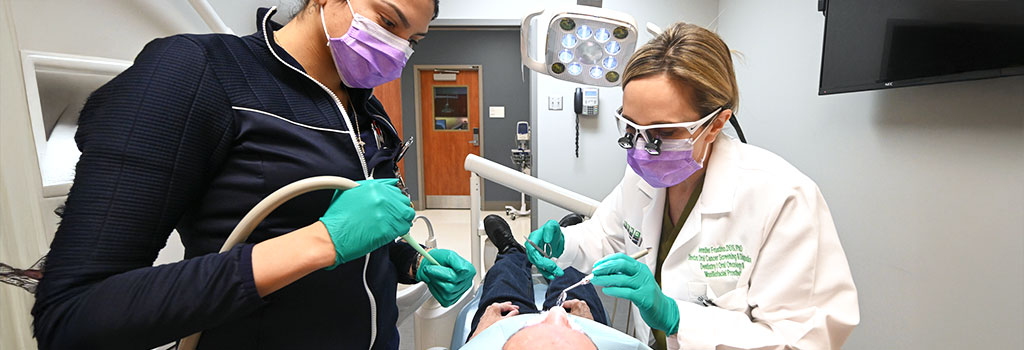
– Saliva: Particularly relevant in dental settings, saliva may pose a risk if contaminated with blood or other infectious materials.
– Unfixed human tissue or organ and cell or tissue cultures containing HIV, HBV, or HCV also represent risks of transmission, particularly in laboratory and research environments.
Transmission of Bloodborne Pathogens
The routes of transmission for BBPs include several critical pathways:
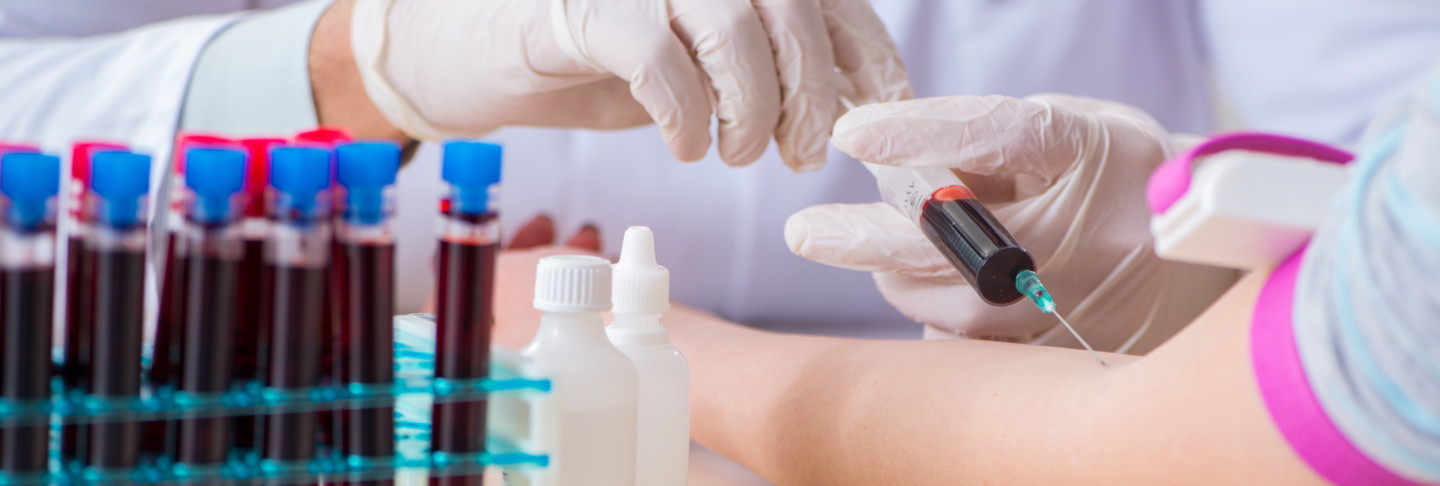
– Sharing needles or contaminated sharps: Needle-stick injuries remain one of the most significant concerns in healthcare settings, necessitating the use of safety-engineered devices and safe disposal practices.
– Contact with infected fluids: Exposure through broken skin or mucous membranes, such as those in the eyes, nose, or mouth, significantly increases the risk of pathogen transmission. This can occur in various healthcare scenarios, from surgical procedures to first aid.
– Mother to baby during childbirth: Infected mothers can transmit these pathogens to their newborns during delivery, which emphasizes the importance of screening and preventative treatments during pregnancy.
Understanding these pathogens, their transmission routes, and the types of potentially infectious materials involved is vital for implementing effective safety protocols.
This knowledge is crucial not only for protecting healthcare workers but also for safeguarding public health and reducing the overall risk of infection in the general population.
In Conclusion:
Bloodborne pathogens impact our workplaces, environments, and health. Understanding these bloodborne hazards is crucial for protecting ourselves and others.
By identifying risks, we can develop strategies to mitigate their effects, fostering safe environments through shared responsibility. Regular risk assessments and training can help manage potential threats from infectious bloodborne pathogens.
Staying informed and proactive is vital as new biological challenges arise. Together, we can prioritize health and safety, increase awareness, and promote responsible actions to create a healthier future for all!
Now that you have a more comprehensive understanding of bloodborne pathogens waste disposal in relation to biological hazards, don’t hesitate to contact Secure Waste.
We provide reliable, compliant, and environmentally friendly medical waste disposal solutions tailored to your facility’s specific needs.
We have expertise in biomedical waste, hazardous waste, and Sharps container disposal. Additionally, we offer customized waste management plans, including secure collection and transportation, as well as sustainable disposal practices.
**Disclaimer** This information is provided for reference purposes only and should not be considered as legal advice or factual information at the time of your reading. Regulations frequently change and can vary from state to state. We encourage you to contact your local regulatory authorities or Secure Waste directly for the most current information. Please note that Secure Waste is not liable, in part or in whole, for any information contained on this page or website.
Expert Medical Waste Management: With over 25 years of industry experience, Secure Waste is a trusted local leader in hazardous and biohazardous waste disposal across Maryland, Virginia, and Washington, D.C. Specializing in medical waste management, sharps needle disposal, and biohazard waste removal, the company ensures full compliance with federal, state, and local regulations while prioritizing environmental sustainability.
The company also offers additional services, including secure document shredding and sharps container sales, providing comprehensive solutions for healthcare facilities and businesses. Our cost-effective services help clients maintain regulatory compliance without unexpected costs.
With a commitment to customer satisfaction, Secure Waste offers tailored waste management plans that align with industry best practices. Their team of experts provides reliable, timely, and compliant services, making them the preferred choice for medical waste disposal. For a free waste quote or more information, visit www.securewaste.net