
EPA: The Role It Plays In Medical Waste Management
The Environmental Protection Agency (EPA) plays a crucial role in regulating and managing medical waste, with a particular focus on hazardous pharmaceutical waste.
The cornerstone of the EPA’s regulatory framework is enforcement of the Resource Conservation and Recovery Act (RCRA). This comprehensive federal law establishes nationwide standards for the management of solid and hazardous waste.
Enacted in 1976, the RCRA’s primary intent is to protect public health and the environment by establishing a systematic approach to hazardous waste management, including waste generated from medical facilities, such as hospitals, clinics, and laboratories.
How Does the EPA Influence Regulated Medical Waste Disposal?
Welcome to Secure Waste, the premier provider of medical waste management services in the local DMV area.
With over 30 years of experience in compliant medical waste disposal, we have worked with a diverse range of healthcare providers, including physicians, dentists, dental clinics, surgical centers, urgent care facilities, funeral homes, and more.
Secure Waste proudly serves various regions of Washington, D.C., Maryland, and Virginia, including Montgomery County, Rockville, Bethesda, Chevy Chase, Silver Spring, and more. In addition, we serve Prince George’s County and areas of Virginia, including Loudoun County, Fairfax, Manassas, Arlington, and even Alexandria.
As the local industry leader, Secure Waste adheres strictly to the Environmental Protection Agency (EPA) regulations and guidelines to ensure safe, compliant medical waste disposal. Our mission is to share our extensive knowledge and best practices with our partners in the healthcare industry.
If you are looking for affordable medical waste management solutions without long-term contracts, we invite you to contact Secure Waste today. We are committed to providing reliable, safe services tailored to your specific needs.

EPA The Guidelines For RCRA
Under RCRA guidelines, the EPA conducts meticulous monitoring and regulation of hazardous substances, including chemicals and toxins.
This involves crafting detailed, rigorous guidelines that dictate how these substances are to be handled, stored, and ultimately disposed of, prioritizing environmental safety and public health.
Such guidelines are designed to prevent environmental or health hazards arising from improper waste management practices, including contamination of air, water, or soil.
A pivotal element of the EPA’s regulatory approach is the establishment and enforcement of stringent air emission standards specifically tailored for medical waste incinerators.
While incineration is a common method for disposing of certain types of medical waste, it poses significant risks by emitting a range of harmful pollutants into the air.
These pollutants can include dioxins, furans, heavy metals, and particulate matter, all of which have serious implications for both human health and environmental quality.
EPA Mandates The Incorporation Of Advanced Pollution Controls
To address this concern, the EPA mandates the incorporation of advanced pollution-control technologies and techniques within incineration processes. Facilities must consistently demonstrate compliance with these standards through regular assessments, inspections, and monitoring, ensuring that emissions are kept within safe limits and that air quality is protected.
In addition to its regulatory oversight functions, the EPA actively assesses and monitors various technologies used to treat medical waste.
This includes evaluating innovative methods such as autoclaving, which uses steam heat and high pressure to sterilize waste, and chemical disinfection methods that neutralize infectious agents.
Many of these treatment technologies also fall under additional regulatory scrutiny under other statutes, such as the Federal Insecticide, Fungicide, and Rodenticide Act (FIFRA), which regulates the use of specific chemicals used in waste treatment.
The EPA’s comprehensive evaluation process is vital for identifying and promoting technologies that enhance public and environmental safety while ensuring compliance with established safety standards.
Furthermore, the EPA provides extensive guidance on best practices for the effective management, storage, and disposal of various types of medical waste.
EPA Guidance Is Indispensable For Healthcare Waste
This guidance is indispensable for healthcare institutions, waste disposal organizations, and other stakeholders. It ensures they adhere to necessary safety protocols and regulatory requirements, ultimately safeguarding the environment and public health.
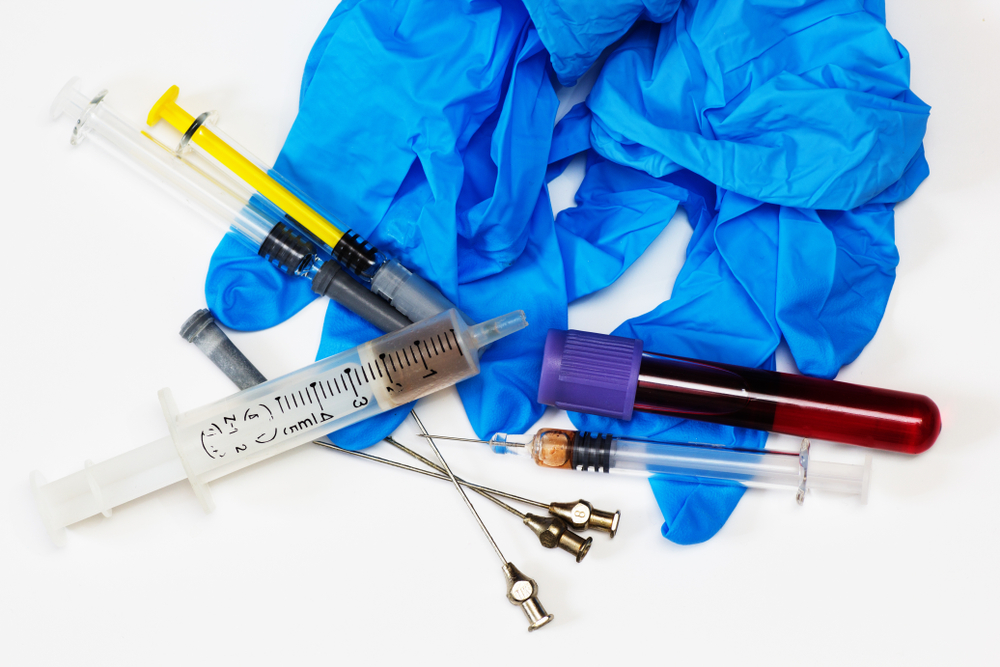
The guidance covers a wide range of topics, including recommended waste segregation practices (to categorize hazardous vs. non-hazardous waste), optimal storage conditions (like temperature and containment requirements), and disposal options that meet regulatory standards.
This educational outreach is crucial for increasing awareness and responsibility in medical waste management.
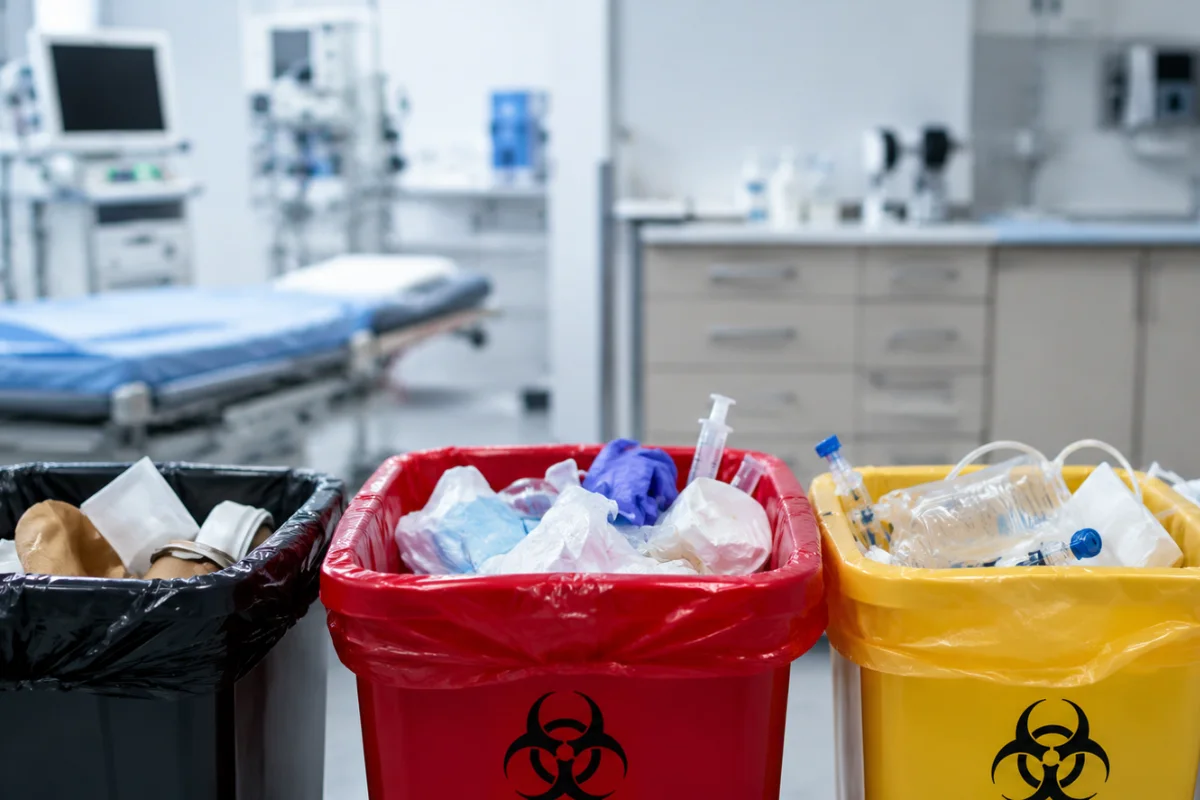
Although the EPA’s oversight primarily targets hazardous components of medical waste, it is important to understand that the regulation of infectious medical waste—often referred to as “red bag waste”—is largely the domain of state environmental and health departments.
These state agencies hold the authority to enact specific regulations and operational practices for managing infectious waste, which can differ considerably from one jurisdiction to another.
This decentralized regulatory framework allows the establishment of rules tailored to local conditions and public health needs, which can vary widely by geographic and demographic factors.
Moreover, regulations about occupational safety in the handling of medical waste fall under the jurisdiction of the Occupational Safety and Health Administration (OSHA).
OSHA’s standards are meticulously designed with workers’ welfare in mind, ensuring that individuals who manage medical waste operate in safe working conditions. These regulations aim to minimize exposure to hazardous materials and mitigate the risk of workplace injuries or accidents.
OSHA’s comprehensive standards encompass a range of requirements, including mandated employee training, specifications for personal protective equipment (PPE), and established protocols for proper waste handling.
All these measures are put in place to enhance the safety and health of workers engaged in medical waste management.
In summary, the EPA’s multifaceted approach to medical waste management encompasses not only strict enforcement of regulations and oversight of technologies associated with hazardous waste but also the provision of in-depth guidance and collaboration with state health departments and OSHA.
This integrated and cooperative framework is vital for safeguarding both environmental quality and public health, ensuring that medical waste is managed responsibly and effectively throughout its entire lifecycle, from generation to treatment and disposal.
Through these concerted efforts, the EPA aims to create a safer, healthier environment for all.
In Conclusion:
Secure Waste will save you money on Regulated healthcare waste disposal. We understand these hazards.
Staying informed and proactive is vital as new disposal management challenges arise. Together, we can prioritize health and safety, increase awareness, and promote responsible actions to create a healthier future for all in Maryland, Virginia, and D.C.
We provide reliable, compliant, and environmentally friendly waste disposal solutions tailored to your facility’s specific needs.
Disclaimer: This information is provided for reference purposes only and should not be considered as legal advice or factual information at the time of your reading. Regulations frequently change and can vary from state to state. We encourage you to contact your local regulatory authorities or Secure Waste directly for the most current information. Please note that Secure Waste is not liable, in part or in whole, for any information contained on this page or website.
Expert Medical Waste Management: With over 25 years of industry experience, Secure Waste is a trusted local leader in hazardous and biohazardous waste disposal across Maryland, Virginia, and Washington, D.C. Specializing in medical waste management, sharps needle disposal, and biohazard waste removal, the company ensures full compliance with federal, state, and local regulations while prioritizing environmental sustainability.
The company also offers additional services, including secure document shredding and sharps container sales, providing comprehensive solutions for healthcare facilities and businesses. Our cost-effective services help clients maintain regulatory compliance without unexpected costs.
With a commitment to customer satisfaction, Secure Waste offers tailored waste management plans that align with industry best practices. Their team of experts provides reliable, timely, and compliant services, making them the preferred choice for medical waste disposal. For a free waste quote or more information, visit www.securewaste.net