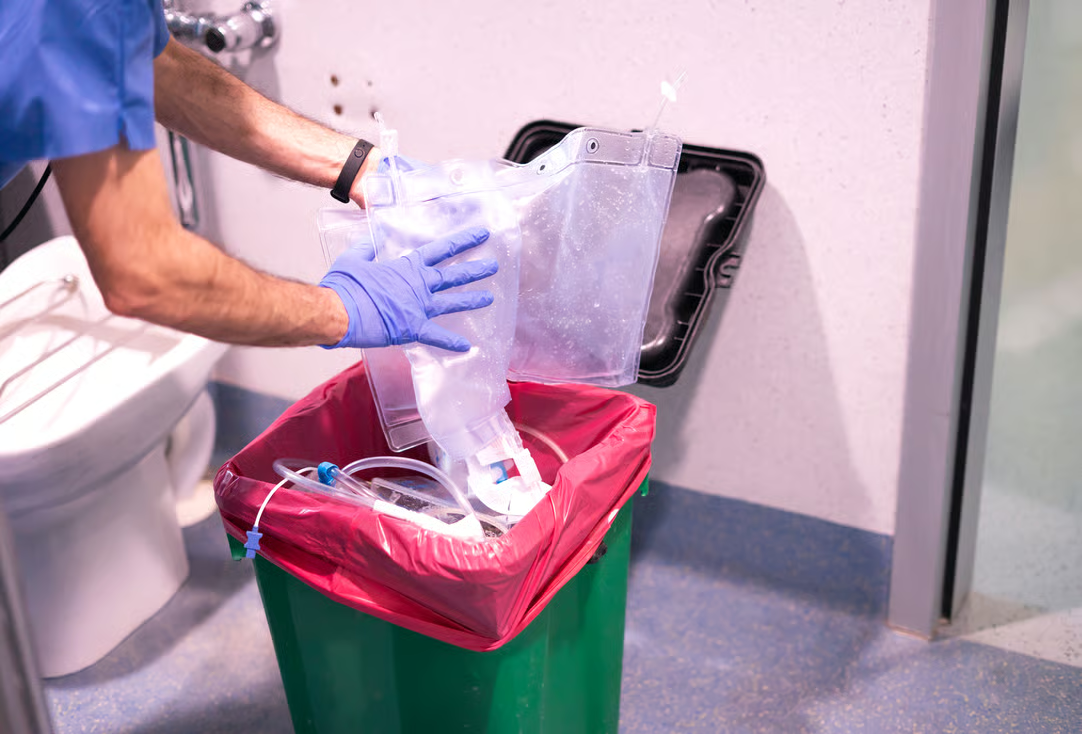
Can You Recycle Biohazard Waste? No! Understanding the Management of Biohazard Waste
Biohazard Waste Management And Recycling
Biohazard waste refers to a diverse range of materials that pose health risks because they may harbor infectious agents and pollutants.
These materials include, but are not limited to, sharps such as needles, syringes, and scalpel blades; infectious substances that can transmit diseases; and various other items deemed hazardous to both human health and the environment.
In contrast to regular household waste, biohazard waste requires specialized handling and cannot be discarded through conventional municipal waste management systems. The critical nature of this waste necessitates strict adherence to safety protocols to protect public health and to prevent environmental contamination.
How To Safely Recycle Sharps Needles At Home Learn More Here

Welcome to Secure Waste, the leading provider of biohazard waste management and needle container disposal services in the Washington D.C., Maryland, and Virginia areas.
If you’re seeking professional, compliant, and dependable biohazard waste disposal solutions, look no further—reach out to us today. Our services not only prioritize safety and regulatory compliance but are also remarkably affordable and flexible, with no contracts required for your convenience.
Understanding the importance of proper biohazard waste management in healthcare settings is crucial.
Recycling biohazard waste poses significant risks and should be avoided. To ensure the responsible handling of this type of waste, it is essential to implement specific, meticulous practices.
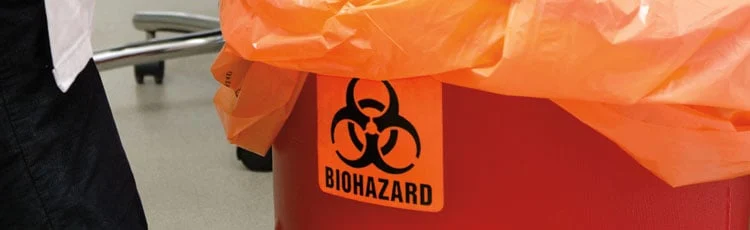
This begins with carefully segregating various waste types into clearly labeled, designated containers to prevent cross-contamination.
Furthermore, effective sterilization methods, such as autoclaving or incineration, are necessary to neutralize hazardous materials safely; however, these procedures must be performed only by licensed and experienced waste management services.
Adopting these rigorous precautions is vital not only to minimize contamination risk but also to ensure compliance with established safety regulations that protect public health and the environment. By prioritizing responsible waste management, healthcare practices can contribute to a safer, cleaner community.
When it comes to handling biohazard waste safety and responsibility are paramount The following guidelines are designed to ensure that we protect our communities and the environment while managing biohazard materials effectively Lets work together to create a safer and healthier future
Key Procedures for Safe Biohazard Waste Management
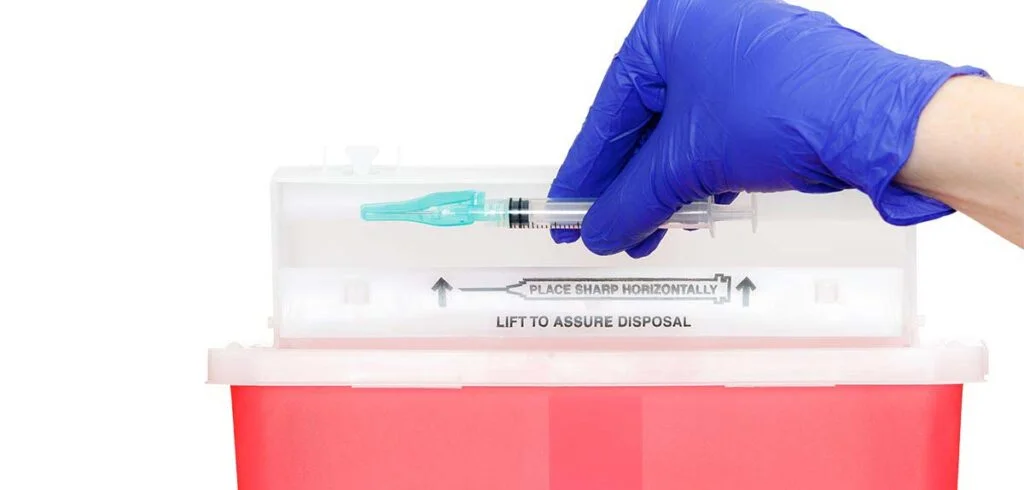
- Sharps Disposal: Proper disposal of sharps is fundamental to preventing needle-stick injuries and infections. All sharps, including needles, syringes, and scalpel blades, should be immediately placed in specialized, puncture-resistant containers. These containers need to be constructed from a strong, rigid plastic material capable of withstanding the weight and sharpness of the items without compromising integrity. Furthermore, they must be clearly labeled with a conspicuous “BIOHAZARD—DO NOT RECYCLE” insignia to warn against any mismanagement or accidental exposure. The importance of adhering to these guidelines for sharps disposal has been endorsed by several authoritative organizations, including the Fairfax County (.gov) and DC.gov websites, which highlight the critical safety implications.
- Pathological Waste: This category encompasses various biological materials, such as human tissues, organs, and animal carcasses. These materials should be handled with extreme caution and stored in designated red, puncture-resistant biohazard bags. Each bag should be placed in durable containers clearly marked with usage instructions to minimize the risk of accidental exposure or mishandling. Pathological waste should be disposed of strictly by licensed environmental health services, using approved destruction methods such as incineration. Organizations such as the University of Maryland emphasize the need for rigorous controls and expert handling of pathological waste to maintain high health and environmental standards.
- Household Medical Waste: Residents are encouraged to take an active role in local initiatives that promote the responsible disposal of household medical waste. Participation in local drug take-back programs or attendance at designated Household Hazardous Waste (HHW) collection events allows individuals to dispose of unused or expired medications safely. These efforts are supported by the District of Columbia and other local entities to prevent improper disposal practices that could expose the public to harmful substances and reduce the risk of environmental pollution.
- Home-Generated Sharps: It is imperative that once a sharps container reaches approximately three-quarters full, it is promptly and securely closed using heavy-duty tape to prevent accidental opening. The filled container must be disposed of through proper channels—either in designated waste management systems or through specialized collection services that handle hazardous waste—never in regular trash streams or standard household recycling bins. This procedure is supported by Secure Waste Management and reinforced by guidance from Fairfax County (.gov), which emphasizes the importance of safety during disposal.
Important Reminders For Biohazardous Waste Management In Healthcare
- Strictly avoid placing biohazard bags or sharps containers in regular household recycling bins, as this action can create dire safety hazards for waste management personnel and the surrounding community.
- When handling sharps, individuals should refrain from actions such as recapping, bending, or breaking needles before disposal. The Fairfax County (.gov) website recommends these precautions to maintain safe handling practices.
- Regulated medical waste (RMW) originating from healthcare providers in home settings must be managed and disposed of solely by licensed professional services. This critical information is emphasized by Fairfax County (.gov) to guide residents in adopting responsible waste management practices aligned with disposal regulations and environmental safety.
- Companies like Secure Waste offer expertise in the safe and compliant destruction and disposal of biohazardous materials, underscoring the importance of trust and reliability in any professional waste management service.
By meticulously adhering to these detailed procedures and important reminders, individuals can significantly contribute to a safer environment while effectively managing biohazardous waste.
This commitment not only protects personal health but also ensures the safety of the broader community and the ecosystem from the dangers associated with improper waste disposal practices.
In Conclusion:
Secure Waste will save you money on Regulated healthcare waste disposal. We understand these hazards.
Staying informed and proactive is vital as new disposal management challenges arise. Together, we can prioritize health and safety, increase awareness, and promote responsible actions to create a healthier future for all in Maryland, Virginia, and D.C.
We provide reliable, compliant, and environmentally friendly waste disposal solutions tailored to your facility’s specific needs.
Disclaimer: This information is provided for reference purposes only and should not be considered as legal advice or factual information at the time of your reading. Regulations frequently change and can vary from state to state. We encourage you to contact your local regulatory authorities or Secure Waste directly for the most current information. Please note that Secure Waste is not liable, in part or in whole, for any information contained on this page or website.
Expert Medical Waste Management: With over 25 years of industry experience, Secure Waste is a trusted local leader in hazardous and biohazardous waste disposal across Maryland, Virginia, and Washington, D.C. Specializing in medical waste management, sharps needle disposal, and biohazard waste removal, the company ensures full compliance with federal, state, and local regulations while prioritizing environmental sustainability.
The company also offers additional services, including secure document shredding and sharps container sales, providing comprehensive solutions for healthcare facilities and businesses. Our cost-effective services help clients maintain regulatory compliance without unexpected costs.
With a commitment to customer satisfaction, Secure Waste offers tailored waste management plans that align with industry best practices. Their team of experts provides reliable, timely, and compliant services, making them the preferred choice for medical waste disposal. For a free waste quote or more information, visit www.securewaste.net