Biohazard Medical Waste Management – Expert Solutions From Secure Waste
Secure Waste is a prominent local leader in the specialized field of biohazard medical waste disposal, proudly serving the diverse regions of Maryland, Virginia, and Washington, D.C.
With over 30 years of extensive experience in biohazard waste management, specifically tailored for the DMV area, we have firmly established ourselves as trusted experts in the industry. Our commitment to maintaining the highest standards of safety and compliance in the handling of regulated waste is unwavering.
We offer a comprehensive range of biohazard waste disposal services designed to meet the unique needs of healthcare facilities, laboratories, and research institutions. Our trained staff utilizes state-of-the-art technology and follows rigorous protocols to ensure that all biohazard materials are collected, transported, and disposed of in accordance with federal, state, and local regulations.
For a reliable partner in biohazard waste management, please don’t hesitate to contact us at 877-633-7328 or explore our website at Secure Waste for more information on our services and solutions.
Now, let’s delve deeper into the critical and often complex world of biohazard medical waste management. Understanding this industry is essential for maintaining public health and safety, as well as ensuring compliance with stringent legal requirements.
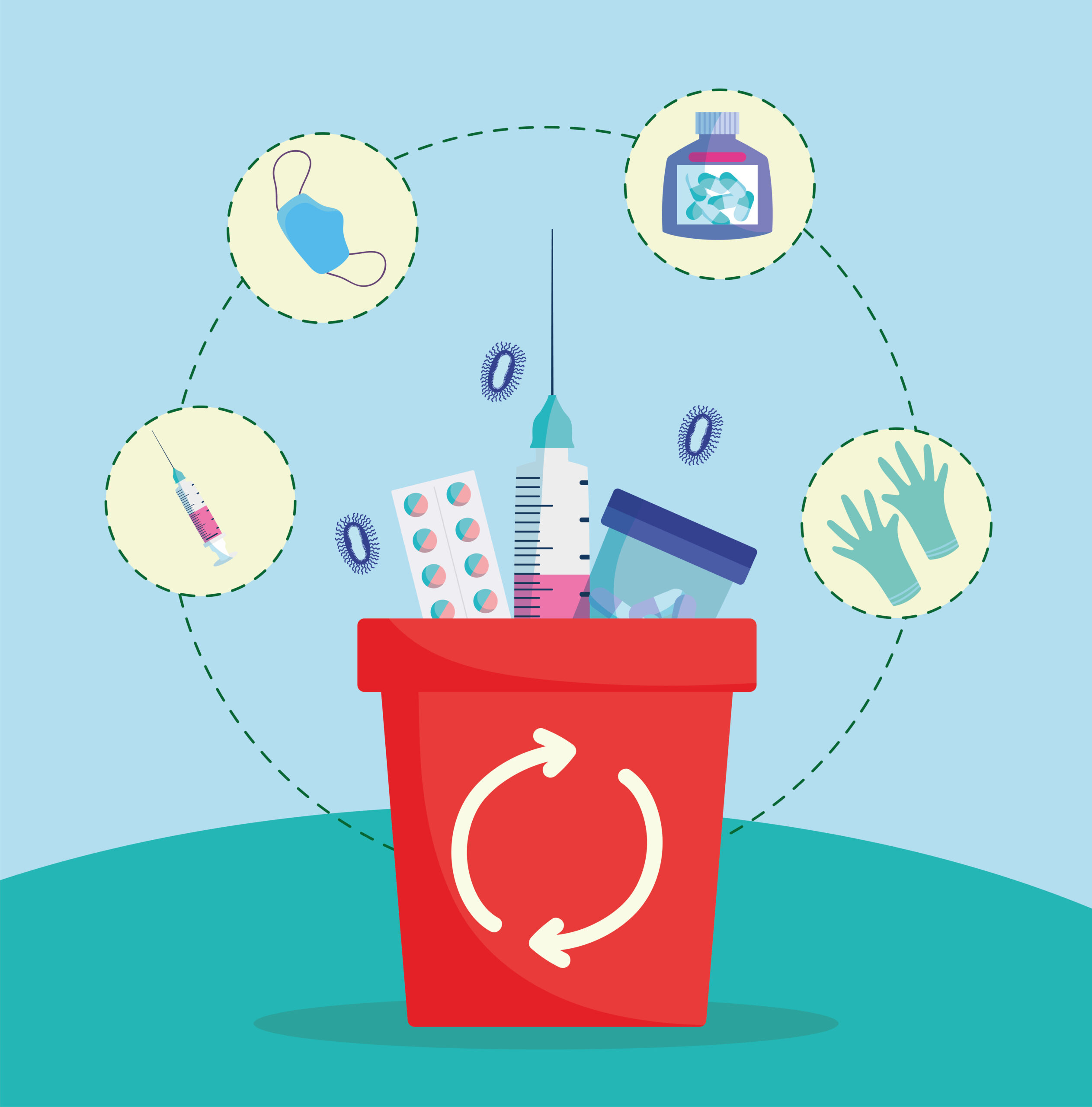
Biohazard medical waste, commonly referred to as infectious or regulated medical waste, encompasses a diverse array of materials contaminated with blood, bodily fluids, tissues, or infectious agents, such as bacteria and viruses.
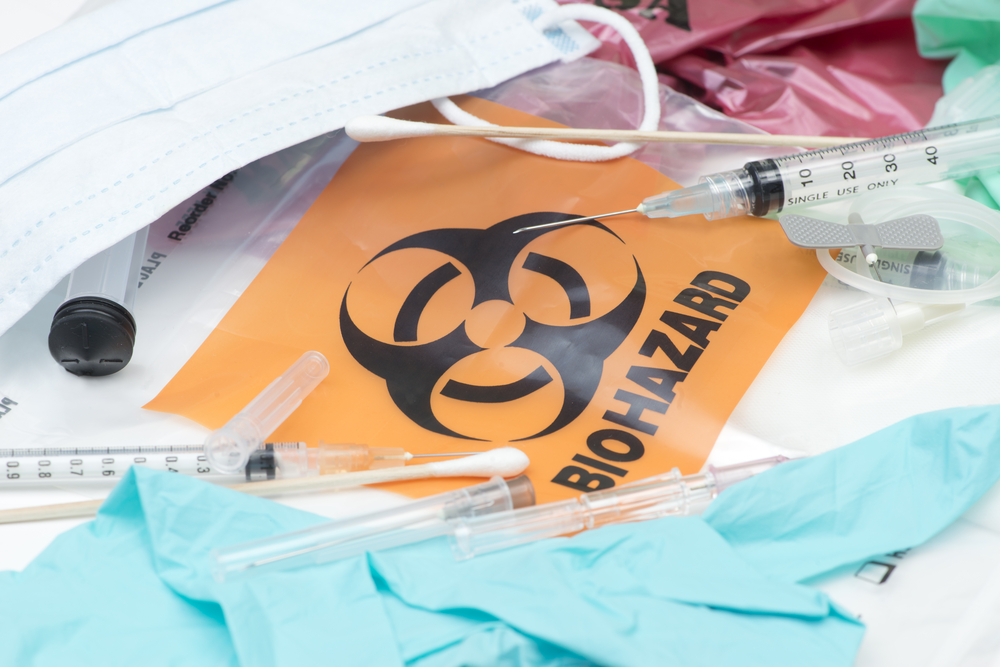
These materials pose significant risks to public health and the environment due to their potential for transmitting diseases. Typical examples of biohazardous medical waste include used personal protective equipment (PPE), sharp instruments such as needles and scalpels, soiled bandages, and laboratory equipment like petri dishes and test tubes.
The proper handling and disposal of these materials are critical and must occur in designated, clearly labeled containers—often in vibrant red or orange colors—to highlight their hazardous nature. Specialized treatment methods, including incineration and steam sterilization, are employed to ensure that these materials are effectively neutralized and disposed of in a manner that mitigates risk.
Types of Biohazard Medical Waste
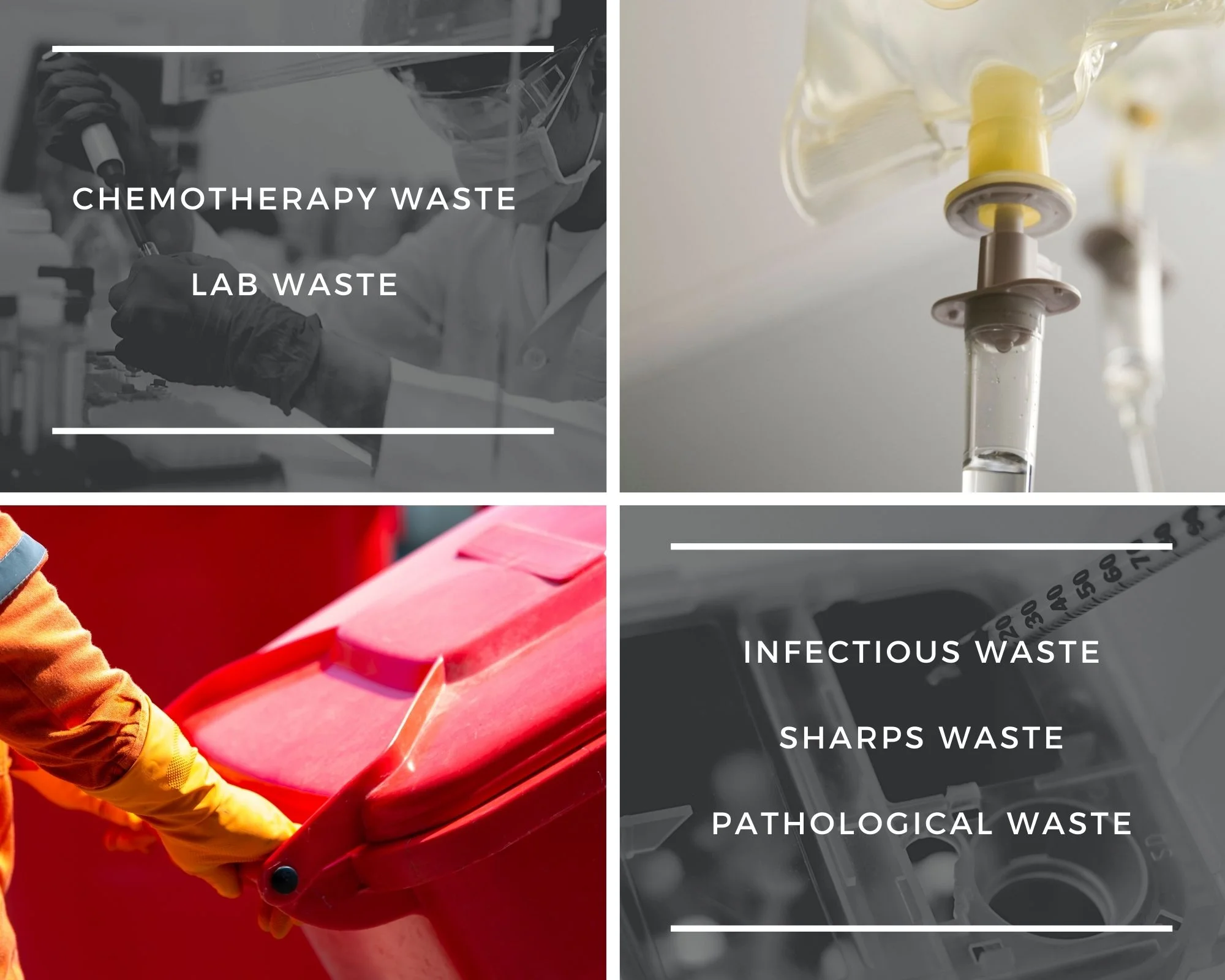
- Sharps: This category includes items such as needles, scalpels, broken glass, and lancets. These materials require meticulous handling to prevent accidental injuries and the potential for contamination of the surrounding environment.
- Pathological Waste: This category encompasses human tissues, organs, biopsy specimens, and body parts. Proper handling is essential due to the high infectious potential these materials can carry, necessitating specialized treatment protocols.
- Infectious Waste: This includes cultures and stocks of pathogens, as well as contaminated laboratory items like test tubes, dishes, and swabs. These items are particularly hazardous as they can facilitate the spread of infections if not properly contained and treated.
- Liquid Waste: This type of waste involves blood, bodily fluids, and any materials saturated with these liquids, such as bandages and gauze. Due to the risk of spillage and leakage, liquid waste must be handled with even greater caution during disposal.
- Animal Waste: Carcasses or bedding from animals exposed to biohazards are included in this category. Proper management of animal waste is vital to prevent further contamination and protect public health.
- Contaminated PPE: Items such as disposable gloves, masks, and gowns used in environments where exposure to infectious materials is possible must be handled and disposed of properly to minimize health risks.
Handling & Disposal Guidelines For Biohazard Medical Waste
- Containers: Sharps must be placed in puncture-resistant, leak-proof containers designed explicitly for such hazardous materials. Other types of biohazard waste should be disposed of in designated bags or containers, which are often colored red to signify their danger and ensure compliance with safety regulations.
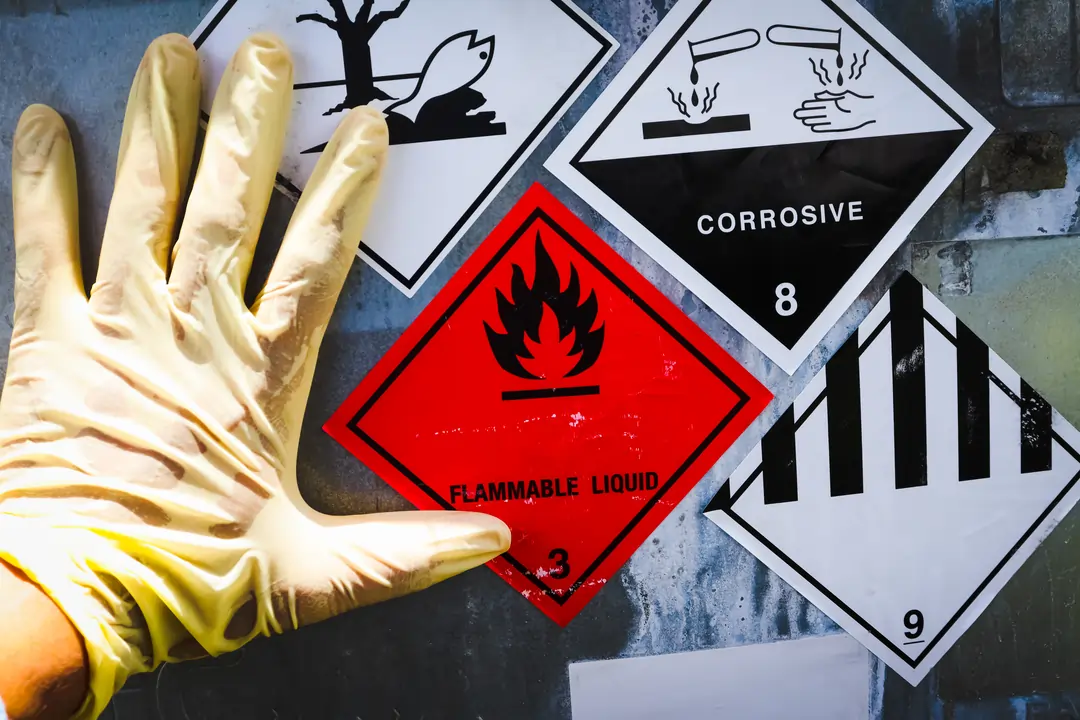
- Labeling: All containers must be distinctly marked with the internationally recognized biohazard symbol, along with explicit hazard warnings. This ensures that anyone handling these containers is aware of the potential risks associated with them.
- Segregation: Different types of waste must be segregated to maintain safety. For example, liquid waste should be contained separately from solid waste to prevent cross-contamination and ensure safer disposal practices.
- Treatment: Before final disposal, medical waste typically undergoes treatments that may include methods like autoclaving, chemical disinfection, or incineration. These processes are designed to neutralize harmful pathogens, ensuring adequate public safety.
- Regulations: The disposal of biohazard medical waste is closely regulated by both federal and state agencies, including the Environmental Protection Agency (EPA) and state health departments. These regulations are in place to safeguard public health, minimize environmental contamination, and ensure safe disposal practices across healthcare settings.
Why It’s Important
Effective management of biohazard waste is crucial in preventing the spread of infections, ensuring the safety of healthcare workers, and reducing environmental contamination.
This responsibility becomes especially vital during public health crises, such as the COVID-19 pandemic or outbreaks of diseases like Ebola, where the stakes in handling infectious materials are particularly high. Proper adherence to disposal protocols not only protects healthcare environments but also plays a critical role in protecting communities at large from potential health threats.
Expert Medical Waste Management: With over 25 years of industry experience, Secure Waste is a trusted local leader in hazardous and biohazardous waste disposal across Maryland, Virginia, and Washington, D.C. Specializing in medical waste management, sharps needle disposal, and biohazard waste removal, the company ensures full compliance with federal, state, and local regulations while prioritizing environmental sustainability.
The company also offers additional services, including secure document shredding and sharps container sales, providing comprehensive solutions for healthcare facilities and businesses. Our cost-effective services help clients maintain regulatory compliance without unexpected costs.
With a commitment to customer satisfaction, Secure Waste offers tailored waste management plans that align with industry best practices. Their team of experts provides reliable, timely, and compliant services, making them the preferred choice for medical waste disposal. For a free waste quote or more information, visit www.securewaste.net