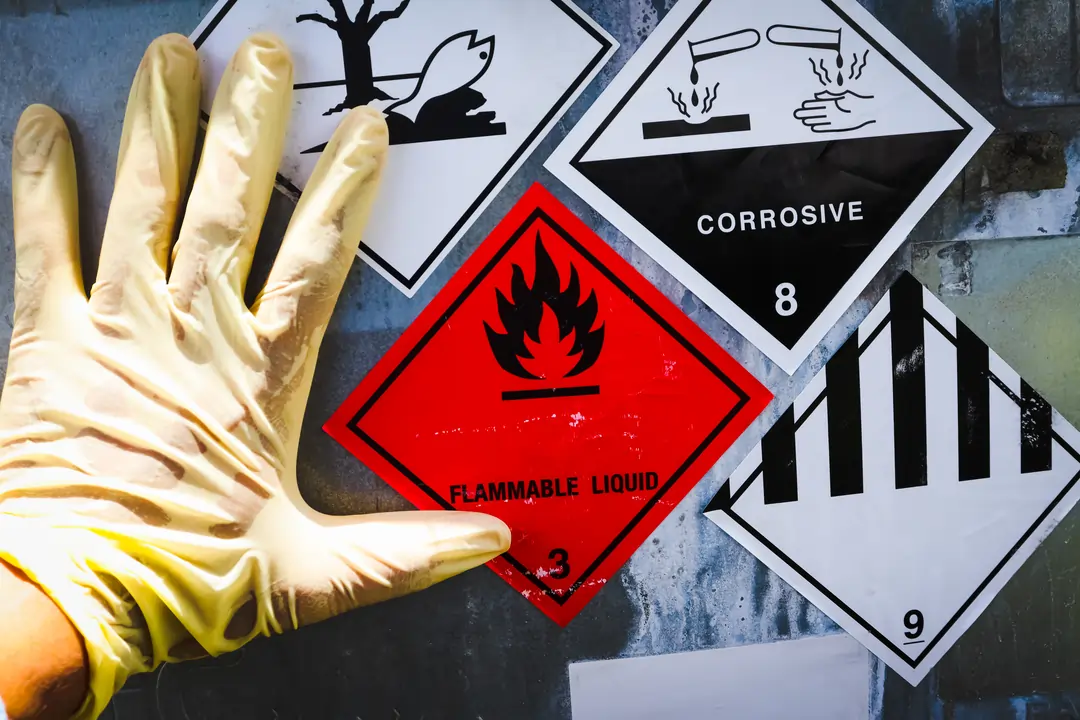
Secure Waste provides an in-depth overview of hazardous waste in the District of Columbia, Maryland, and Virginia (DMV).
Hazardous waste is defined as any waste—whether it exists in a solid, liquid, or gaseous state—that possesses harmful properties posing significant risks to human health and the environment.
These hazardous materials often arise as byproducts of manufacturing processes or result from discarded commercial products that have reached the end of their usable life.
In the United States, these materials are stringently regulated under the Resource Conservation and Recovery Act (RCRA), which establishes a framework for the proper management and disposal of hazardous waste.
Welcome to Secure Waste, your premier partner in hazardous waste disposal, proudly serving the DMV area with over 30 years of dedicated experience in compliant hazardous waste management.
Our extensive reach spans Montgomery, Prince George’s, Howard, and Frederick Counties, as well as Southern Maryland, ensuring we effectively meet the needs of diverse communities.
For those across the Potomac River, we are pleased to extend our reliable services to a variety of areas, including Alexandria, Arlington, Manassas, Richmond, Fairfax, and Loudoun County. Our goal is to provide comprehensive hazardous waste solutions that facilitate safe, responsible disposal practices for all.
At Secure Waste, we recognize the unique challenges faced by healthcare providers, laboratories, industrial facilities, and other businesses in managing their hazardous waste responsibly.
This understanding drives our commitment to providing flexible, customizable solutions tailored to your specific needs.
We pride ourselves on eliminating the traditional constraints associated with waste disposal by offering services without binding contracts. You can decide on your own disposal schedule, ensuring our services align perfectly with your operational needs.
Moreover, we prioritize transparency and affordability in our pricing, so you can trust there will be no hidden fees or unexpected costs.
When you choose Secure Waste, you’re not just selecting a service; you’re partnering with a trusted leader dedicated to safeguarding both your interests and the environment. Let Secure Waste handle all your hazardous waste disposal needs—you can trust us to deliver reliable, safe, and efficient service tailored just for you!
Hazardous wastes are classified based on two primary criteria: they may be “listed” by the Environmental Protection Agency (EPA) or may exhibit specific “characteristics” that are considered dangerous, including ignitability, corrosivity, reactivity, or toxicity.
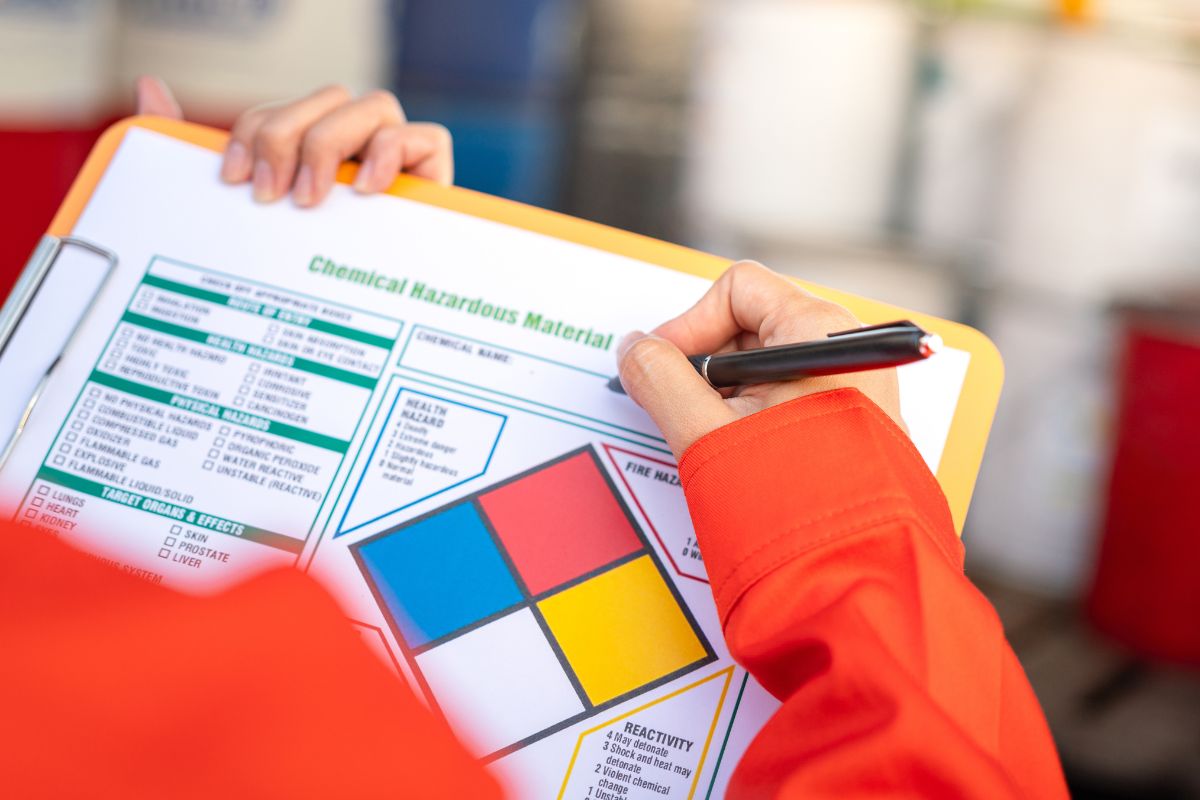
Key Characteristics Of Hazardous Waste In The DMV
- Ignitability: This characteristic pertains to liquids that exhibit flashpoints below a defined threshold (typically 60 degrees Celsius). Ignitable materials are highly flammable and can catch fire easily, posing a significant risk during storage and handling. Some solids, such as certain powders, may also be considered ignitable if they can cause or contribute to combustion under specific conditions.
- Corrosivity: Wastes deemed corrosive include strong acids and bases that possess a pH level of 2 or lower, or 12.5 and above. These substances can corrode or damage living tissues and various materials upon contact, making them particularly hazardous. Corrosive waste can include items such as rust removers and battery acid, as well as products from industrial cleaning processes.
- Reactivity: Reactive waste comprises materials that are unstable and pose a risk of explosion under specific conditions, or those that can react violently when they come into contact with water or incompatible substances. Examples include certain explosives, cyanides, and sulfides, which can create hazardous situations during transportation or storage.
- Toxicity: Toxic wastes are materials that can leach harmful chemicals into the environment, endangering both human health and ecological systems. This category includes substances such as heavy metals (e.g., lead, mercury), certain organic compounds, and various persistent organic pollutants.
Classification and Examples of Hazardous Waste
Hazardous wastes can primarily be categorized into two key types:
- Listed Wastes: The EPA has compiled a comprehensive list of hazardous wastes that are classified under different categories, such as F (wastes from common manufacturing processes), K (wastes from specific industrial sectors), P (discarded commercial chemicals), and U (discarded unused commercial products). Each category identifies specific hazardous wastes that require careful management.
- Characteristic Wastes: These are materials that do not appear on the EPA’s official list but still demonstrate dangerous properties according to the aforementioned characteristics. Characteristic wastes include those that may not originate from specific manufacturing processes but still pose significant risks due to their ignitability, corrosivity, reactivity, or toxicity.
Examples of Hazardous Waste
Common examples of hazardous waste span a wide range of substances, including:
- Industrial Solvents: Used in various manufacturing processes, these can include substances like acetone and toluene.
- Pesticides: Chemicals specifically designed to kill or control pests can be hazardous if not properly disposed of.
- Paints and Paint Strippers: Many contain toxic solvents or heavy metals that necessitate careful handling.
- Heavy Metals: Items like batteries or electronic waste can leach heavy metals like lead and mercury when disposed of improperly.
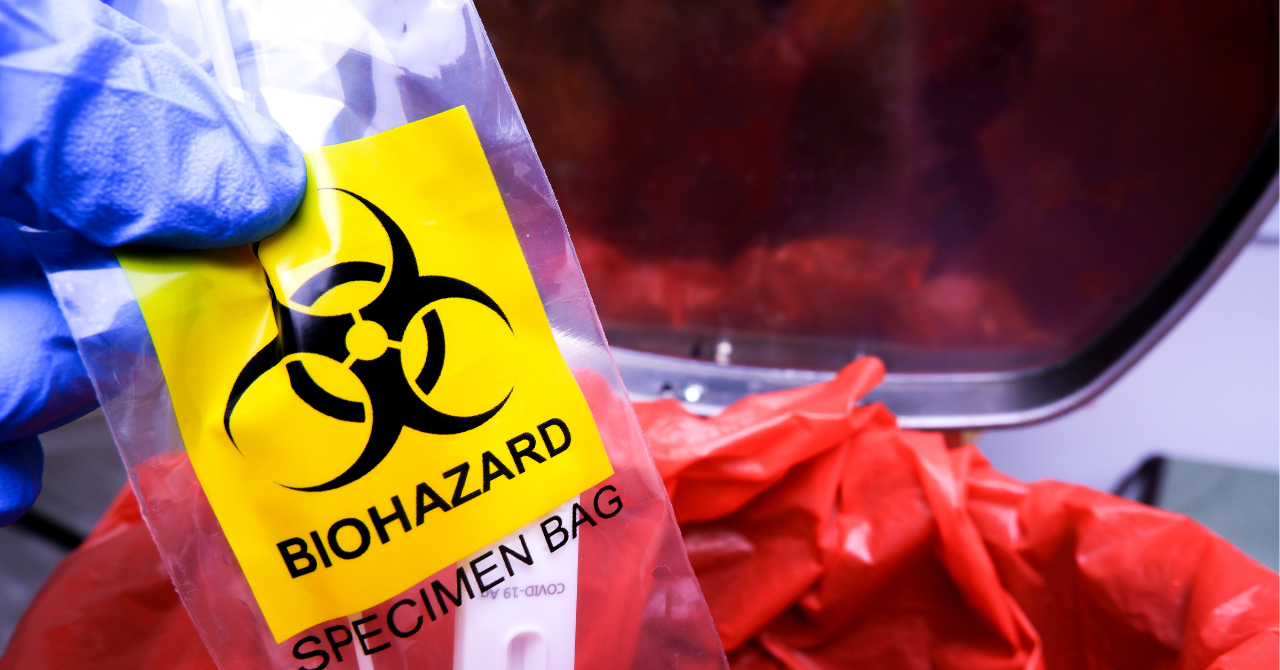
- Medical Waste: Includes discarded materials from healthcare facilities such as sharps, bodily fluids, or pharmaceutical waste requiring specialized disposal procedures.
All of these materials require meticulous handling, storage, and disposal due to their potentially dangerous properties.
Common Disposal Methods
To prevent environmental contamination and safeguard public health, hazardous waste is disposed of using specialized methods designed to mitigate risks. Common disposal methods include:
- Secure Landfills: These are engineered to contain and isolate hazardous materials from the surrounding environment to prevent leakage and contamination of groundwater.
- Surface Impoundments: Facilities that temporarily hold liquid hazardous waste in ponds or lagoons, ensuring that contaminants are managed and treated appropriately.
- Deep-Well Injection: This technique involves pumping hazardous liquids deep into geological formations where they cannot migrate to aquifers or drinking water sources, effectively isolating them from the environment.
By adhering to strict disposal protocols and regulations, the EPA and state agencies work to minimize the negative impact of hazardous waste on public health and the environment in the DMV area.
In Conclusion:
Secure Waste will save you money on Regulated healthcare waste disposal. We understand these hazards.
Staying informed and proactive is vital as new disposal management challenges arise. Together, we can prioritize health and safety, increase awareness, and promote responsible actions to create a healthier future for all in Maryland, Virginia, and D.C.
We provide reliable, compliant, and environmentally friendly waste disposal solutions tailored to your facility’s specific needs.
Disclaimer: This information is provided for reference purposes only and should not be considered as legal advice, healthcare, or factual information at the time of your reading. Regulations frequently change and can vary from state to state. We encourage you to contact your local regulatory authorities or Secure Waste directly for the most current information. If you are having healthcare issues, contact your doctor immediately or call 911. Please note that Secure Waste is not liable, in part or in whole, for any information contained on this page or website.
Expert Medical Waste Management: With over 25 years of industry experience, Secure Waste is a trusted local leader in hazardous and biohazardous waste disposal across Maryland, Virginia, and Washington, D.C. Specializing in medical waste management, sharps needle disposal, and biohazard waste removal, the company ensures full compliance with federal, state, and local regulations while prioritizing environmental sustainability.
The company also offers additional services, including secure document shredding and sharps container sales, providing comprehensive solutions for healthcare facilities and businesses. Our cost-effective services help clients maintain regulatory compliance without unexpected costs.
With a commitment to customer satisfaction, Secure Waste offers tailored waste management plans that align with industry best practices. Their team of experts provides reliable, timely, and compliant services, making them the preferred choice for medical waste disposal. For a free waste quote or more information, visit www.securewaste.net