
What Are Hospital-Acquired Infections? Expert Solutions From Secure Waste
Hospital-Acquired Infections (HAIs), also known as nosocomial infections, are infections patients acquire during medical treatment in healthcare facilities, including hospitals, nursing homes, and outpatient clinics.
Notably, these infections are not present at the time of admission and typically manifest more than 48 hours after admission.
HAIs pose significant challenges in healthcare settings and are primarily caused by various pathogens, particularly bacteria, including concerning antibiotic-resistant strains such as Methicillin-resistant Staphylococcus aureus (MRSA) and Vancomycin-resistant Enterococcus (VRE).
These infections often arise in association with invasive medical devices (such as catheters and ventilators) and surgical interventions, potentially leading to serious consequences that can severely impact patient health.
Welcome to Secure Waste, a prominent leader in Healthcare waste management serving Maryland, Washington, D.C., and Virginia.
With 30 years of experience safely managing medical and sharps waste, we serve a variety of healthcare providers, including hospitals, urgent care facilities, outpatient surgery centers, doctors, and dentists.
In addition to waste disposal services, we play a vital role in assisting our partners with effective healthcare waste management strategies, ensuring their facilities remain clean and reducing the risk of infection to their patients.
Join us as we explore our services and our commitment to safety in healthcare waste management.
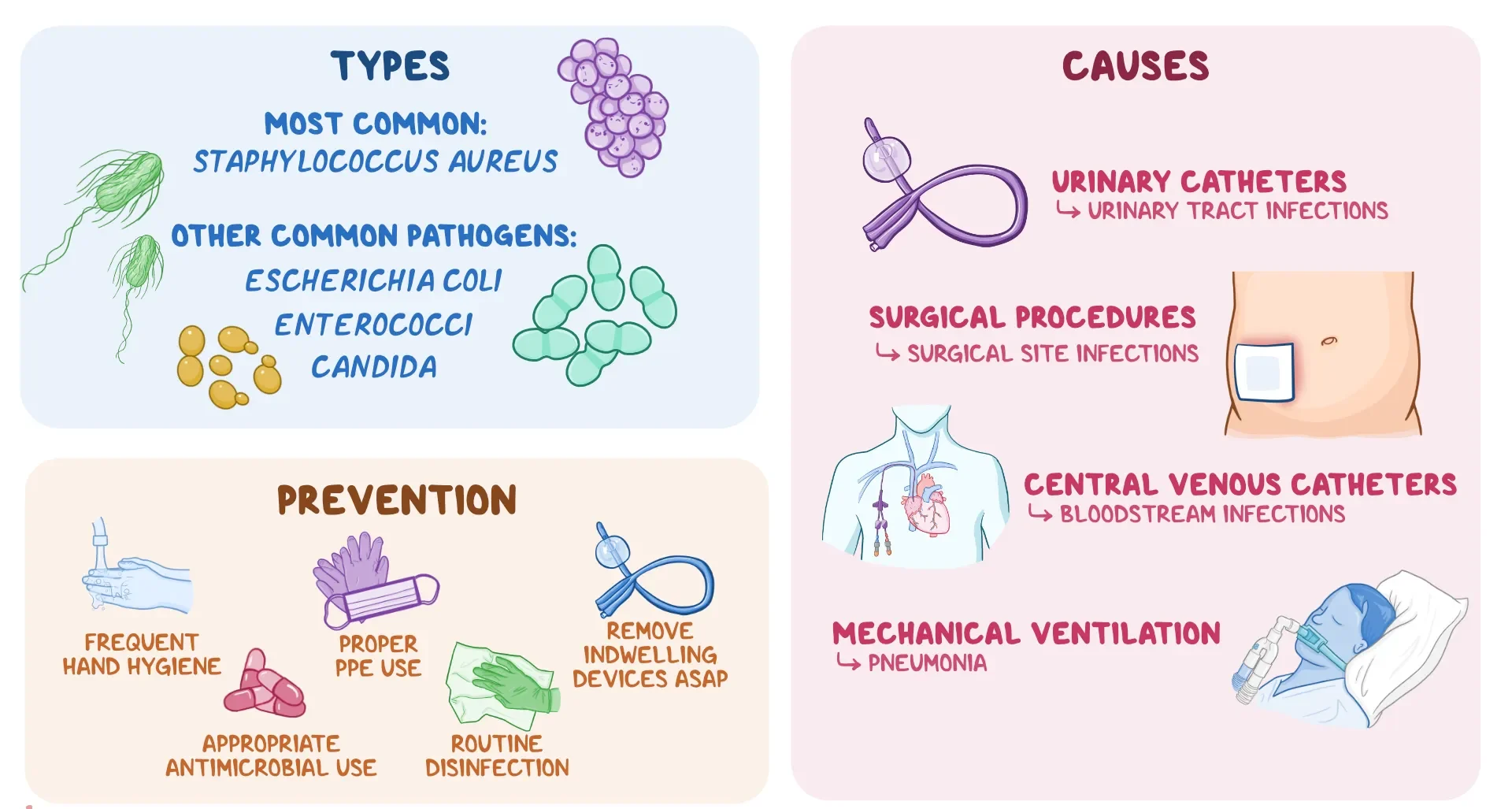
Key Information on Hospital-Acquired Infections
Common Types & Causes:
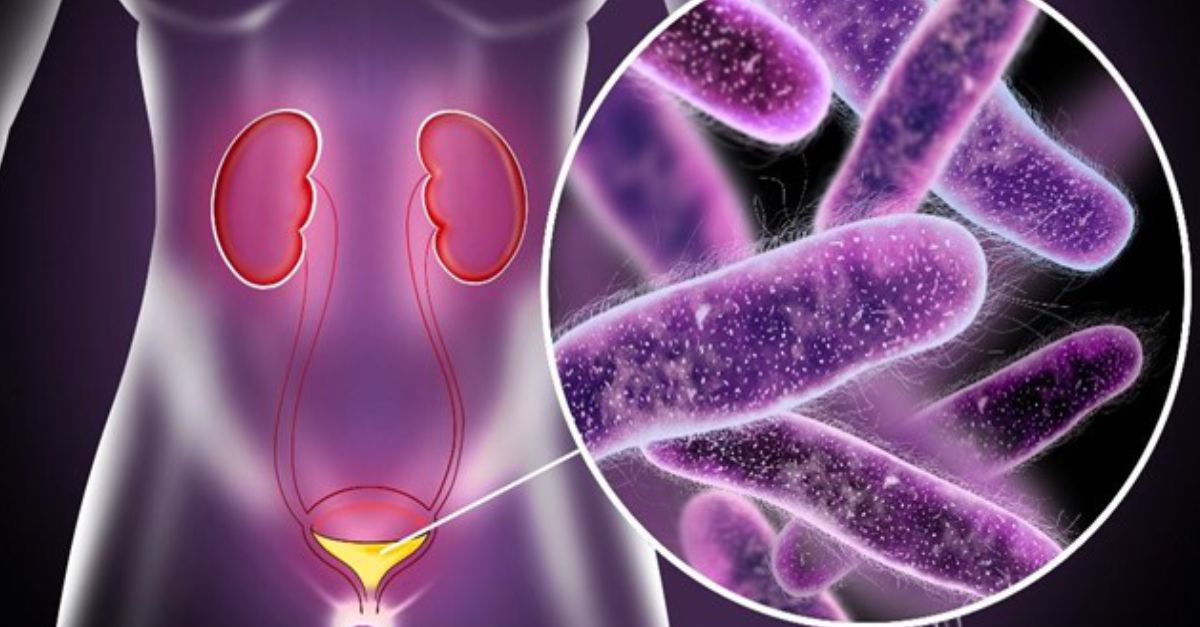
- Catheter-Associated Urinary Tract Infections (CAUTI): CAUTIs represent the most prevalent type of HAI, occurring when bacteria contaminate the urinary tract as a result of the use of urinary catheters.
Symptoms can include dysuria (painful urination), urgency, frequent urination, and fever. In severe cases, CAUTIs can advance to pyelonephritis (a kidney infection) or systemic sepsis, which may necessitate aggressive antibiotic treatment and extension of the patient’s hospital stay.
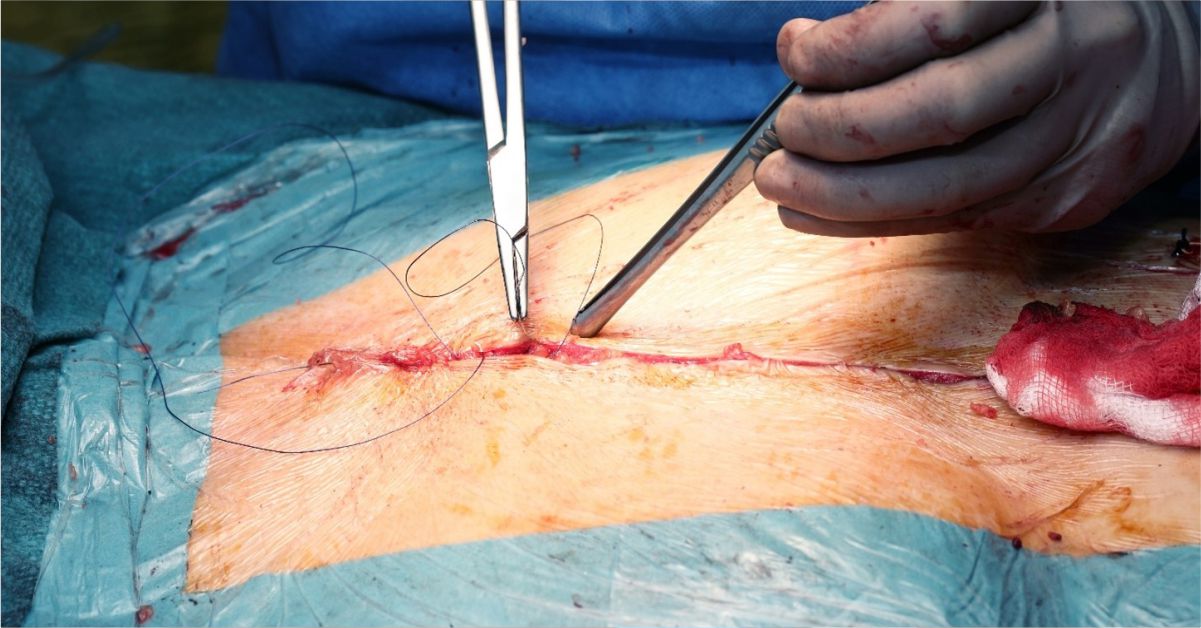
- Surgical Site Infections (SSI): These infections develop at the incision site following surgical procedures and are characterized by redness, swelling, warmth, and purulent discharge.
SSIs may lead to delayed wound healing and increase postoperative complications, including the need for reoperation or prolonged courses of antibiotics. Additionally, SSIs can provoke significant patient discomfort and anxiety, impacting overall recovery.
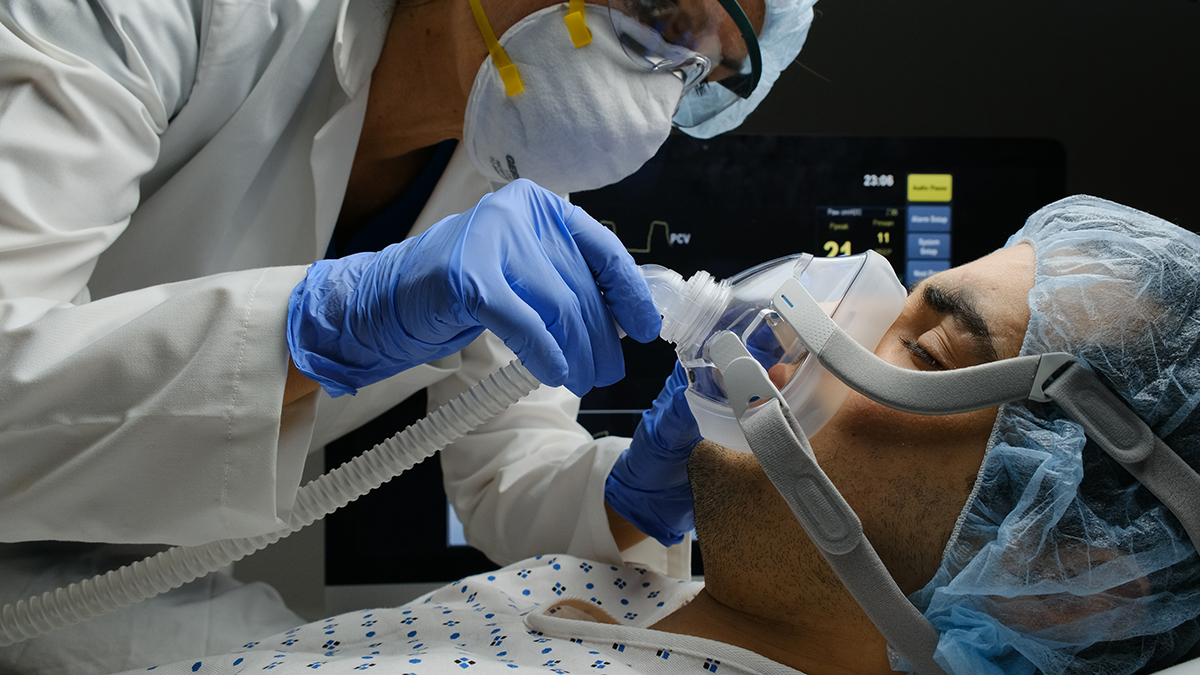
- Ventilator-Associated Pneumonia (VAP): VAP is a critical concern in intensive care units (ICUs) where patients are mechanically ventilated.
This infection occurs when bacteria enter the lungs through the endotracheal tube or ventilator circuitry.
Symptoms typically include persistent cough, fever, chills, difficulty breathing, and abnormal breath sounds. VAP not only extends hospital stays but can also lead to severe respiratory failure, requiring aggressive management, including prolonged mechanical ventilation and multiple antibiotic therapies.
- Central Line-Associated Bloodstream Infections (CLABSI): CLABSIs are serious and potentially life-threatening infections that occur when pathogens enter the bloodstream via central line catheters utilized for intravenous therapy.
Patients may present with symptoms such as high fever, chills, tachycardia, and localized pain or redness at the catheter insertion site.
CLABSIs significantly elevate the risk of sepsis and multi-organ failure and have been associated with increased mortality rates in vulnerable populations.
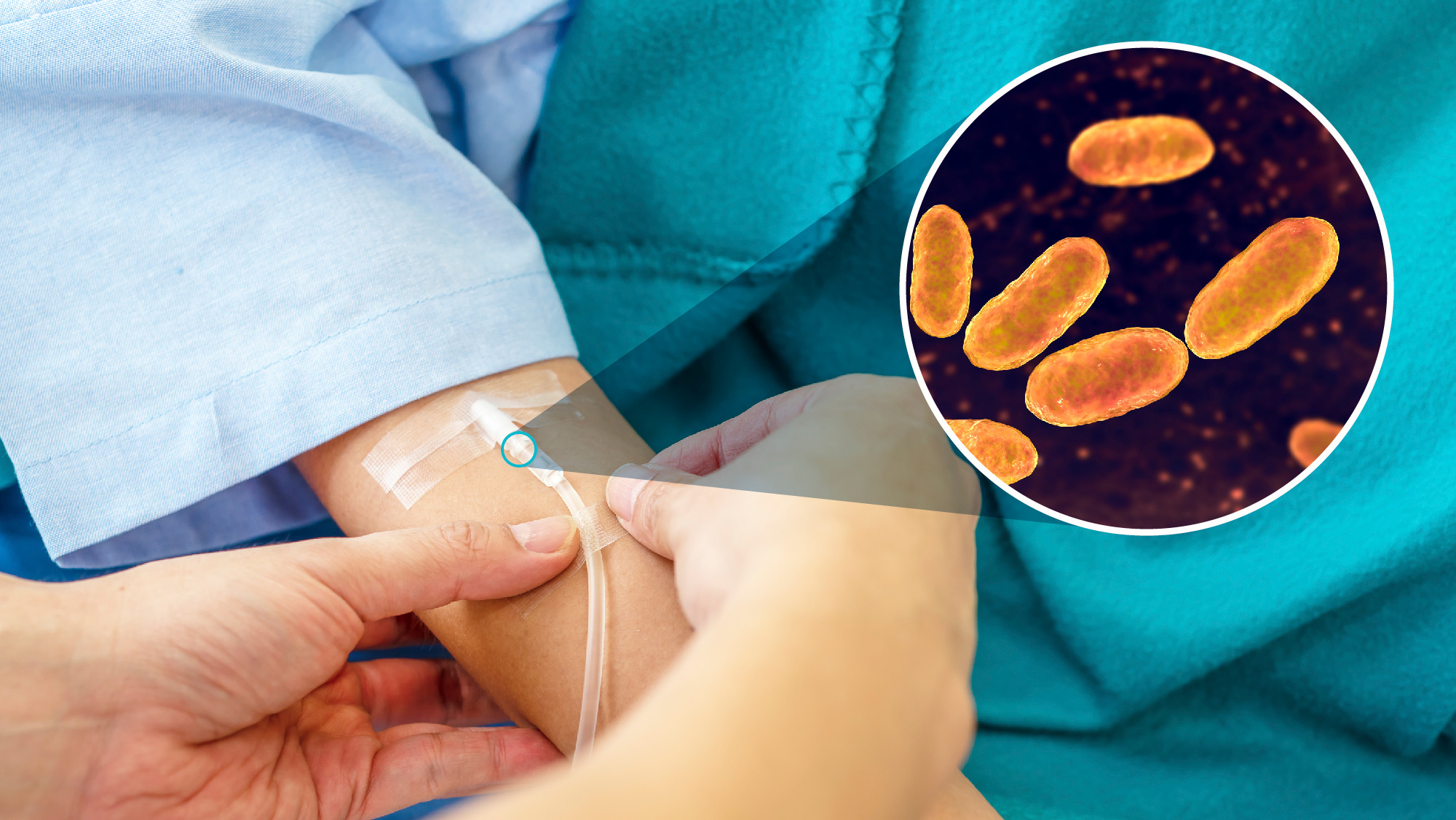
- Pathogens: Common pathogens that lead to these infections include MRSA, Escherichia coli, Klebsiella pneumoniae, and Clostridium difficile (C. diff).
Infections caused by these organisms can lead to severe health complications, including protracted illness, escalated healthcare costs, and the necessity of more intensive treatment approaches, burdening both patients and healthcare systems.
- Symptoms: HAIs can present with symptoms that vary significantly depending on the infection type.
Generally, patients may experience systemic signs such as fever and malaise, along with localized symptoms like pain, redness, or swelling at the infection site. Respiratory distress is particularly present in cases of pneumonia.
Early recognition and prompt management of these symptoms are crucial for successful outcomes and minimizing complications.
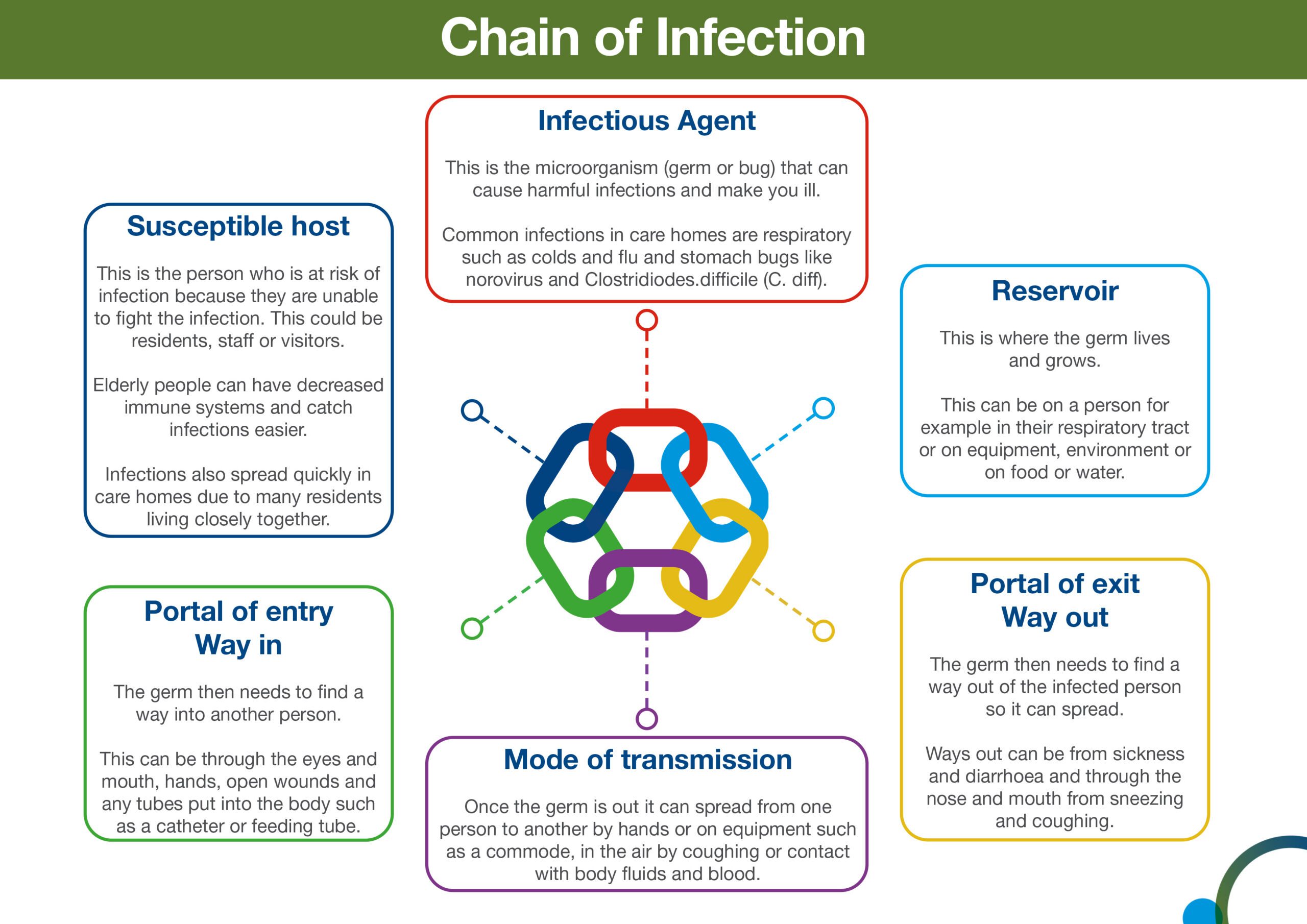
- Risk Factors & Transmission: The likelihood of acquiring HAIs increases substantially with prolonged hospital stays, underlying medical conditions that impair immunity (such as diabetes or cancer), and invasive medical procedures.
Transmission typically occurs through contaminated surfaces, medical instruments, or the hands of healthcare workers, emphasizing the urgent need for stringent hygiene practices and infection control protocols within healthcare settings.
- Impact: HAIs are associated with substantial morbidity and mortality, contributing to more extended hospital stays and escalating healthcare costs.
It is estimated that HAIs account for tens of thousands of deaths annually in the United States alone, with total healthcare costs exceeding billions of dollars due to the required extended treatments and management of secondary complications.
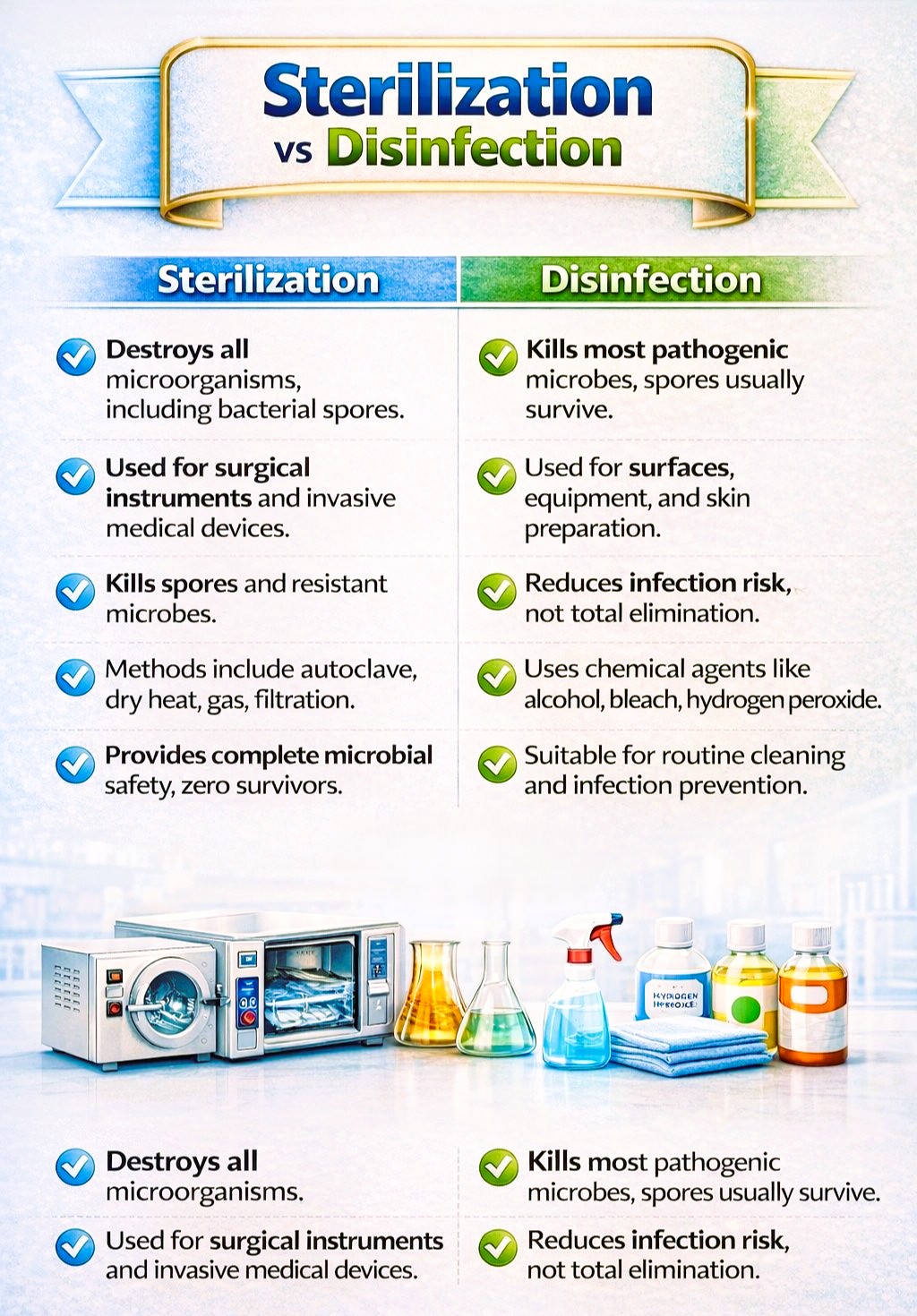
Effective disinfection is crucial in healthcare settings to prevent hospital acquired infections HAIs Implementing best disinfection practices can significantly reduce the risk of diseases associated with medical procedures equipment and the hospital environment Adhering to structured protocols utilizing appropriate disinfectants and ensuring thorough cleaning processes are vital components in safeguarding patient health Regular training for healthcare staff on these protocols can also enhance compliance and improve infection control effectiveness
- Prevention: Effective prevention strategies encompass multiple facets, focusing on strict hand hygiene among healthcare professionals, meticulous sterilization of medical equipment, and adherence to established infection control protocols.
This includes the appropriate use of personal protective equipment (PPE), routine surface cleaning, and ongoing monitoring of infection rates.
Continuous staff education, along with the implementation of evidence-based guidelines, is a critical element in minimizing HAIs and ultimately enhancing patient outcomes.
In Conclusion:
Secure Waste will save you money on biomedical waste disposal. We understand these hazards.
Staying informed and proactive is vital as new biological challenges arise. Together, we can prioritize health and safety, increase awareness, and promote responsible actions to create a healthier future for all!
We provide reliable, compliant, and environmentally friendly biomedical waste disposal solutions tailored to your facility’s specific needs.
Disclaimer: This information is provided for reference purposes only and should not be considered as legal advice or factual information at the time of your reading. Regulations frequently change and can vary from state to state. We encourage you to contact your local regulatory authorities or Secure Waste directly for the most current information. Please note that Secure Waste is not liable, in part or in whole, for any information contained on this page or website.
Expert Medical Waste Management: With over 25 years of industry experience, Secure Waste is a trusted local leader in hazardous and biohazardous waste disposal across Maryland, Virginia, and Washington, D.C. Specializing in medical waste management, sharps needle disposal, and biohazard waste removal, the company ensures full compliance with federal, state, and local regulations while prioritizing environmental sustainability.
The company also offers additional services, including secure document shredding and sharps container sales, providing comprehensive solutions for healthcare facilities and businesses. Our cost-effective services help clients maintain regulatory compliance without unexpected costs.
With a commitment to customer satisfaction, Secure Waste offers tailored waste management plans that align with industry best practices. Their team of experts provides reliable, timely, and compliant services, making them the preferred choice for medical waste disposal. For a free waste quote or more information, visit www.securewaste.net