
What Are The Most Common Nosocomial Infection In Hospitals? Learn Today With Secure Waste Solutions
Urinary tract infections (UTIs) are among the most prevalent nosocomial (hospital-acquired) infections, particularly associated with the use of urinary catheters.
Studies have shown that the risk of developing a UTI increases significantly with catheterization; it’s estimated that 5% to 10% of patients with indwelling urinary catheters will develop a catheter-associated UTI (CAUTI) for each day the catheter remains in place.
Catheters provide a direct pathway for pathogens to enter the urinary tract, making these infections a critical concern in healthcare settings.
Practical strategies for prevention include stringent catheter care protocols, timely removal of catheters when no longer needed, and education for both healthcare providers and patients about the risks involved.
Welcome to Secure Waste, a leading provider in Maryland, Washington, D.C., and Virginia for Healthcare waste management and disposal.
With over 30 years of experience, we pride ourselves on effectively assisting our healthcare partners with the safe management of biohazardous waste and sharps disposal.
Our services include the careful removal of items contaminated with infectious materials, ensuring compliance with all relevant regulations and industry standards.
Join us as we delve deeper into the critical topic of hospital-acquired infections (HAIs). Understanding HAIs is essential for improving patient safety and healthcare outcomes. Let’s explore the causes, prevention strategies, and the role of effective waste management in minimizing these risks.
Is Acute Care The Most Deadly Environment For Infection?
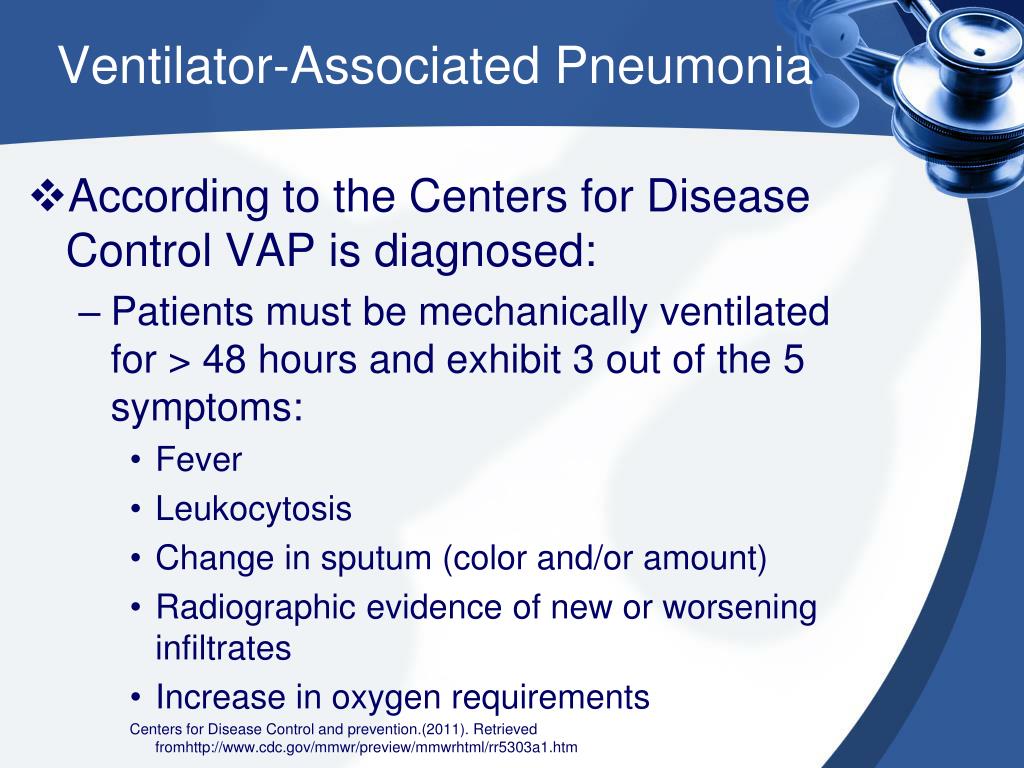
Secure Waste explains that, within the acute care and intensive care environments, the incidence of hospital-acquired pneumonia—particularly ventilator-associated pneumonia (VAP)—is often considered one of the most common and deadliest forms of hospital-acquired infection.
VAP occurs predominantly in patients who require mechanical ventilation, a necessary intervention for those suffering from severe respiratory conditions. Approximately 25% of all ventilated patients develop VAP, which arises from either aspiration of contaminated secretions or colonization of the ventilator circuit by pathogens.
Preventive measures for VAP include keeping patients in an elevated bed position, ensuring meticulous oral care, and performing routine checks of ventilator equipment to limit the spread of infection.
Key Takeaways on Common Nosocomial Infections:
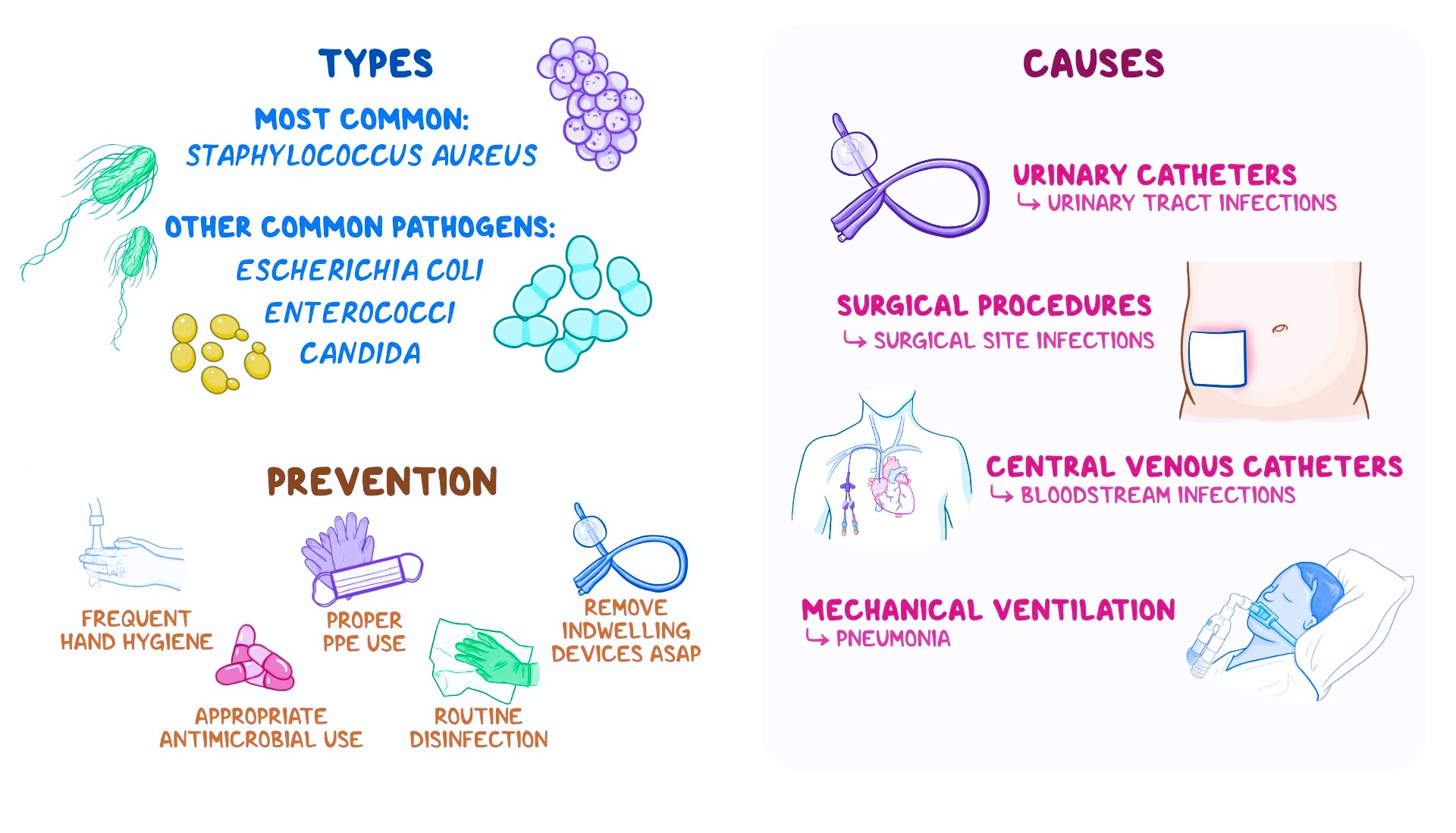
- Urinary Tract Infections (UTIs): As previously mentioned, CAUTIs account for significant morbidity, leading to more extended hospital stays and higher healthcare costs. Regular monitoring and assessment of catheter necessity are vital, along with promoting alternatives to catheterization when feasible, to reduce infection rates.
- Pneumonia: VAP represents a serious challenge in intensive care units, necessitating targeted intervention strategies to reduce incidence. Such methods include aspiration precautions, the use of subglottic secretion drainage systems, and compliance with ventilator bundle protocols.
- Surgical Site Infections (SSIs): SSIs are a significant complication following surgical procedures, especially those involving the abdomen or orthopedic surgeries. The risk of SSIs can be mitigated by adhering to sterile techniques, employing prophylactic antibiotics when appropriate, and ensuring optimal patient nutrition pre- and post-surgery.
- Bloodstream Infections: Central line-associated bloodstream infections (CLABSIs) are particularly concerning as they can lead to life-threatening conditions such as sepsis and multi-organ failure. Each CLABSI is estimated to add approximately $46,000 to hospital costs, underscoring the necessity for rigorous aseptic techniques and continuous monitoring of central line insertion sites.
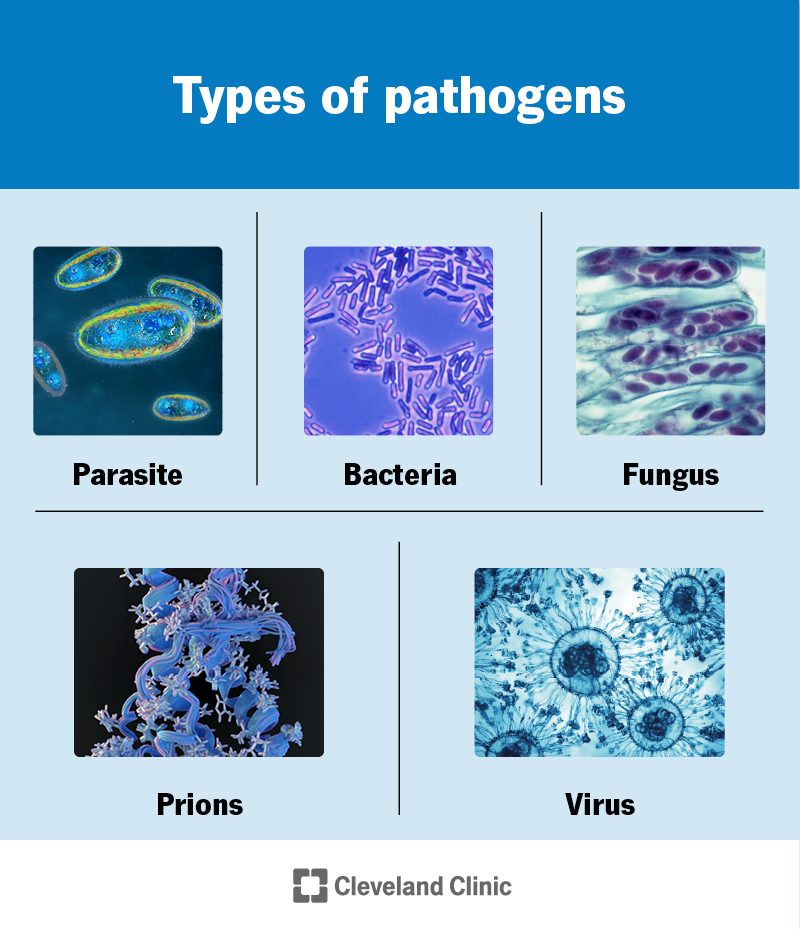
Hospital infections often referred to as healthcare associated infections HAIs pose a significant risk to patients due to the presence of harmful microorganisms known as pathogens A pathogen is any organism that can cause disease including bacteria viruses fungi and parasites These pathogens are often found in hospital settings where vulnerable patients may have weakened immune systems making it easier for infections to spread Understanding how these pathogens operate and the conditions that facilitate their transmission is essential in preventing and controlling hospital infections
Common Pathogens:
The pathogens most frequently implicated in these nosocomial infections include Staphylococcus aureus, notorious for its ability to develop antibiotic resistance, particularly methicillin-resistant Staphylococcus aureus (MRSA).
Pseudomonas aeruginosa is another significant pathogen commonly found in cases of pneumonia and UTIs, mainly due to its inherent environmental resilience and ability to survive in various settings.
Escherichia coli remains the predominant cause of UTIs, while Clostridium difficile (C. diff) infections arise primarily following antibiotic treatment, leading to severe gastrointestinal disturbances.
The impact of these infections extends beyond individual patient health, as they significantly increase morbidity and mortality rates in hospital settings and contribute to escalating healthcare costs globally.
The rise of drug-resistant pathogens, such as MRSA, complicates treatment protocols and necessitates strict adherence to infection control measures.
These measures encompass rigorous hand hygiene practices, judicious antibiotic use, and ongoing education for healthcare staff on the latest infection prevention and control strategies to address the risks posed by nosocomial infections effectively.
In Conclusion:
Secure Waste will save you money on biomedical waste disposal. We understand these hazards.
Staying informed and proactive is vital as new biological challenges arise. Together, we can prioritize health and safety, increase awareness, and promote responsible actions to create a healthier future for all!
We provide reliable, compliant, and environmentally friendly biomedical waste disposal solutions tailored to your facility’s specific needs.
Disclaimer: This information is provided for reference purposes only and should not be considered as legal advice or factual information at the time of your reading. Regulations frequently change and can vary from state to state. We encourage you to contact your local regulatory authorities or Secure Waste directly for the most current information. Please note that Secure Waste is not liable, in part or in whole, for any information contained on this page or website.
Expert Medical Waste Management: With over 25 years of industry experience, Secure Waste is a trusted local leader in hazardous and biohazardous waste disposal across Maryland, Virginia, and Washington, D.C. Specializing in medical waste management, sharps needle disposal, and biohazard waste removal, the company ensures full compliance with federal, state, and local regulations while prioritizing environmental sustainability.
The company also offers additional services, including secure document shredding and sharps container sales, providing comprehensive solutions for healthcare facilities and businesses. Our cost-effective services help clients maintain regulatory compliance without unexpected costs.
With a commitment to customer satisfaction, Secure Waste offers tailored waste management plans that align with industry best practices. Their team of experts provides reliable, timely, and compliant services, making them the preferred choice for medical waste disposal. For a free waste quote or more information, visit www.securewaste.net