Preventing Opioid Misuse By Removing Unused Medications – Expert Solutions From Secure Waste
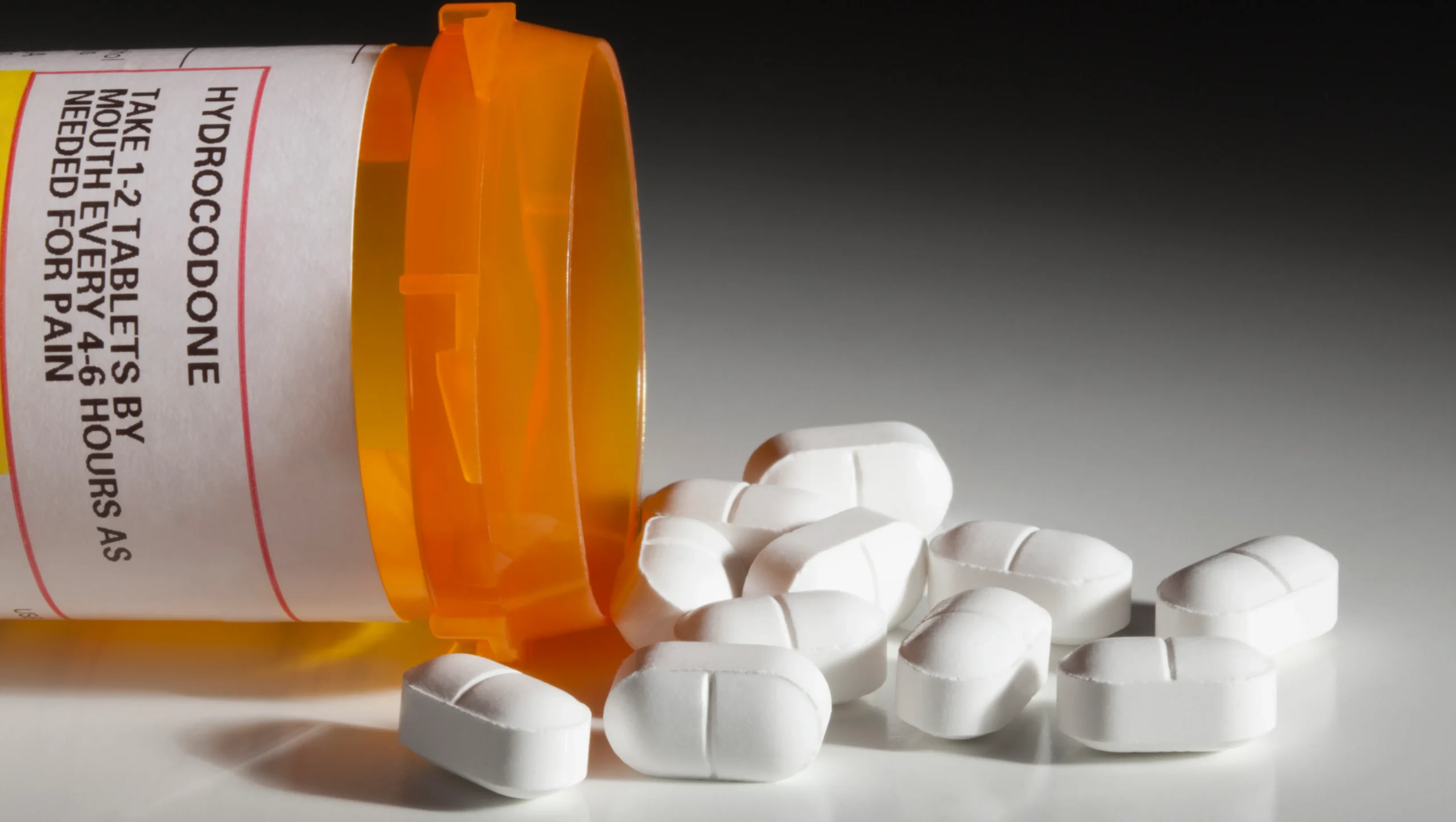
Prescription opioids are commonly prescribed to manage pain after surgery, injury, or medical treatment. While these medications play an essential role in patient care, they also pose a significant risk when left unused in homes.
One of the most common sources of opioid misuse is not illegal distribution. It is a diversion from legally prescribed medications that were never properly disposed of. When unused opioids remain accessible, they can be taken by friends, family members, teenagers, or visitors who were not prescribed the medication.
Reducing opioid prescriptions is an essential strategy, but it does not fully address the problem. Safe and timely disposal of unused medications is a critical and often overlooked component of prevention.
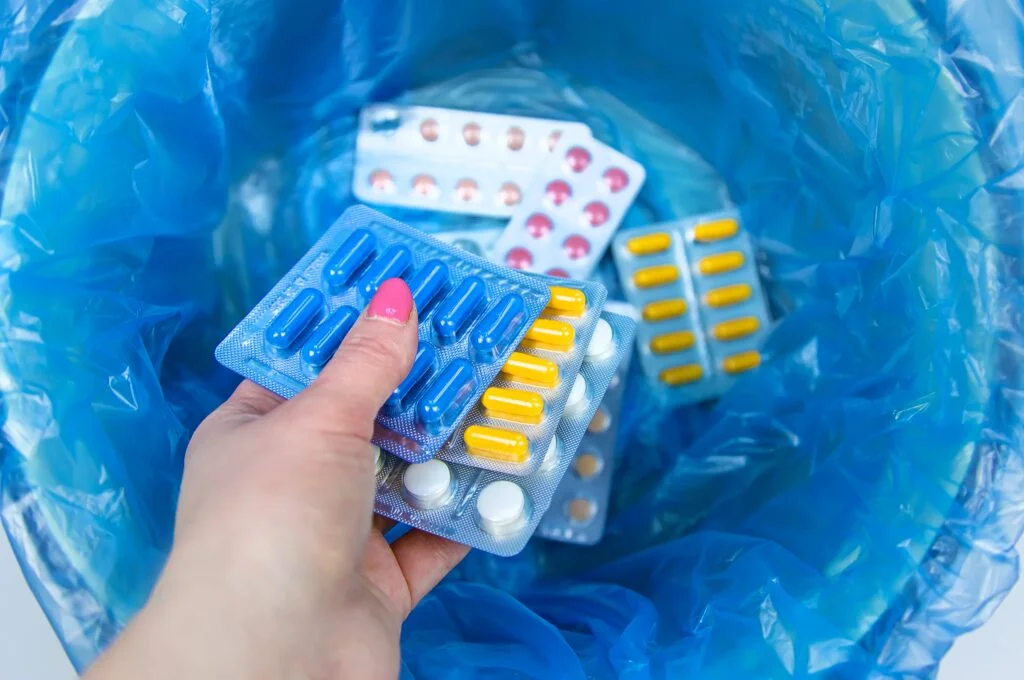
The opioid crisis is a significant public health challenge affecting communities across the DMV region To combat this issue we must adopt a multifaceted strategy that includes education prevention and support for those affected by opioid misuse
Preventing Opioid Misuse Through Safe and Responsible Medication Disposal
The Hidden Risk Inside Home Medicine Cabinets
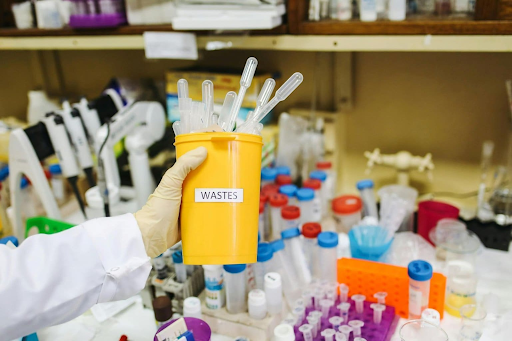
Welcome to Secure Waste, a pioneering leader in healthcare waste management serving the dynamic DMV area. With over 30 years of experience in medical waste disposal and sharps management, we proudly serve Maryland, Virginia, and Washington, D.C. Our commitment extends beyond the basics, as we collaborate closely with our healthcare partners to manage pharmaceutical waste and ensure compliance with stringent regulations.
While reducing opioid prescriptions is a vital strategy in combating substance misuse, it’s essential to recognize that this approach alone does not entirely address the issue. The safe, responsible, and timely disposal of unused medications is an important yet often overlooked element of prevention. At Secure Waste, we prioritize not only the safe management of healthcare waste but also the broader impact on community health and safety.
Why People Hold On to Unused Prescriptions
Many individuals keep leftover medications because they believe they may need them again. Others are unsure how to dispose of them safely or worry about doing something wrong. In some cases, people forget that unused medications remain in their possession.
When medications are kept rather than removed, they create ongoing risk. Even well-intentioned individuals may underestimate how easily these drugs can be misused. Access does not require malicious intent. Curiosity, experimentation, or convenience can lead to misuse, especially among younger individuals.
The longer medications remain in homes, the greater the opportunity for diversion or accidental exposure.
Sharing Medications Increases Harm
Some individuals choose to give unused medications to friends or family members who report similar symptoms. While this behavior may seem helpful, it is dangerous and illegal in many cases.
Prescription opioids are dosed based on individual medical history, condition, and tolerance. Sharing medications bypasses medical oversight and increases the risk of overdose, dependency, and adverse reactions.
Preventing this type of diversion requires more than education. It requires removing excess medications from circulation altogether.
Improper Disposal Harms the Environment
When people attempt to dispose of medications without guidance, they often choose methods that create new risks. Standard practices include throwing pills in household trash or flushing them down sinks and toilets.
Disposing of medications in the trash can allow them to be recovered by others or exposed to pets and wildlife. Flushing medications introduces pharmaceutical compounds into water systems where they can persist and contaminate waterways.
Environmental contamination from pharmaceuticals has been linked to long-term ecological damage and potential impacts on drinking water. Proper disposal methods are essential for protecting both public health and the environment.
The Demand for Accessible Disposal Solutions
Most people understand that unused medications should not be kept in homes, yet many lack convenient disposal options. Accessibility is a key factor in participation.
Patients consistently report that they would use disposal services if they were easy to access, secure, and free. Pharmacies and healthcare facilities are often seen as trusted sources for guidance on disposal.
When disposal options are visible and standardized, individuals are more likely to act promptly rather than delay or avoid disposal altogether.
The Role of Healthcare Providers in Prevention
Healthcare organizations have a unique opportunity to influence medication safety beyond prescribing decisions. Providers can educate patients at the point of care and connect them with appropriate disposal options.
Clear communication when prescribing medications helps set expectations. Patients should understand that opioids are intended for short-term use and that unused medicines should be disposed of promptly once treatment ends.
Follow-up conversations during recovery visits reinforce this message and increase compliance.
Community-Based Disposal Programs Make a Difference
Community-level disposal programs remove barriers to safe medication disposal. These programs include permanent drop-off kiosks, mail-back options, and coordinated take-back initiatives.
Permanent disposal options are particularly effective because they allow individuals to act at their convenience. Secure kiosks located in pharmacies, clinics, or community centers provide anonymity and ease of use.
Mail-back programs expand access for individuals with mobility limitations or who live in areas without nearby drop-off locations.
Environmental and Public Health Benefits of Proper Disposal
Responsible medication disposal protects more than individual households. It reduces the overall supply of unused opioids available for diversion and misuse.
Proper disposal also prevents pharmaceutical contamination of landfills and water systems. Medications are treated or destroyed using methods designed to meet environmental and regulatory standards.
Healthcare organizations that support disposal initiatives demonstrate commitment to both patient safety and environmental responsibility.
Partnering With Experts to Expand Disposal Access
Establishing and maintaining disposal programs requires regulatory knowledge, secure infrastructure, and reliable handling processes. Healthcare organizations often partner with specialists to ensure compliance and effectiveness.
Across the United States, healthcare systems partner with Secure Waste to support safe, compliant medication disposal initiatives.
Secure Waste provides solutions that enable healthcare and community organizations to dispose of unused medications, including opioids, safely. These programs help reduce diversion risk while ensuring environmentally responsible handling.
By expanding access to disposal solutions, healthcare organizations extend their role in prevention beyond clinical walls.
Strengthening Community Health Through Action
The opioid crisis is complex, but practical steps make a measurable difference. Removing unused medications from homes reduces opportunities for misuse, accidental exposure, and environmental harm.
Healthcare organizations that prioritize medication disposal education and access contribute directly to safer communities. These efforts complement responsible prescribing practices and reinforce patient trust.
As public awareness grows, patients increasingly expect guidance on how to handle medications responsibly. Offering disposal resources meets this expectation while delivering meaningful public health benefits.
For healthcare organizations seeking reliable, compliant medication disposal solutions, SecureWaste.net offers programs designed to reduce risk, protect the environment, and support healthier communities.
Expert Medical Waste Management: With over 25 years of industry experience, Secure Waste is a trusted local leader in hazardous and biohazardous waste disposal across Maryland, Virginia, and Washington, D.C. Specializing in medical waste management, sharps needle disposal, and biohazard waste removal, the company ensures full compliance with federal, state, and local regulations while prioritizing environmental sustainability.
The company also offers additional services, including secure document shredding and sharps container sales, providing comprehensive solutions for healthcare facilities and businesses. Our cost-effective services help clients maintain regulatory compliance without unexpected costs.
With a commitment to customer satisfaction, Secure Waste offers tailored waste management plans that align with industry best practices. Their team of experts provides reliable, timely, and compliant services, making them the preferred choice for medical waste disposal. For a free waste quote or more information, visit www.securewaste.net