Preventing Pharmaceutical Pollution: What Healthcare Facilities In Maryland, Virginia, And Washington, D.C. Must Know About The EPA Flushing Ban
Welcome to Secure Waste, a distinguished leader and innovator in the field of Healthcare waste management and disposal. With over a decade of experience, we specialize in the meticulous handling and disposal of Pharmaceutical waste, ensuring the highest standards of safety and compliance with all local, state, and federal regulations.
Proudly serving Maryland, Virginia, and Washington, D.C., Secure Waste is dedicated to providing comprehensive and tailored solutions for all types of regulated waste management, including sharps, biohazardous materials, and expired medications. Our expert team, comprised of certified professionals, is deeply committed to safeguarding the environment and protecting public health through responsible waste disposal practices.
We employ state-of-the-art technology and environmentally-friendly methods to minimize the impact of waste on our communities. Our services include on-site assessments, customized waste management plans, and secure transportation and disposal of hazardous materials.
Please get in touch with us today at 877-633-7328 for more information, and let us help you in meeting your waste management needs with efficiency and care. Your health and the health of our planet are our top priorities.
Need a Biohazard Waste Pick-Up Contact Secure Waste?
Understanding the Dangers of Flushing Pharmaceuticals
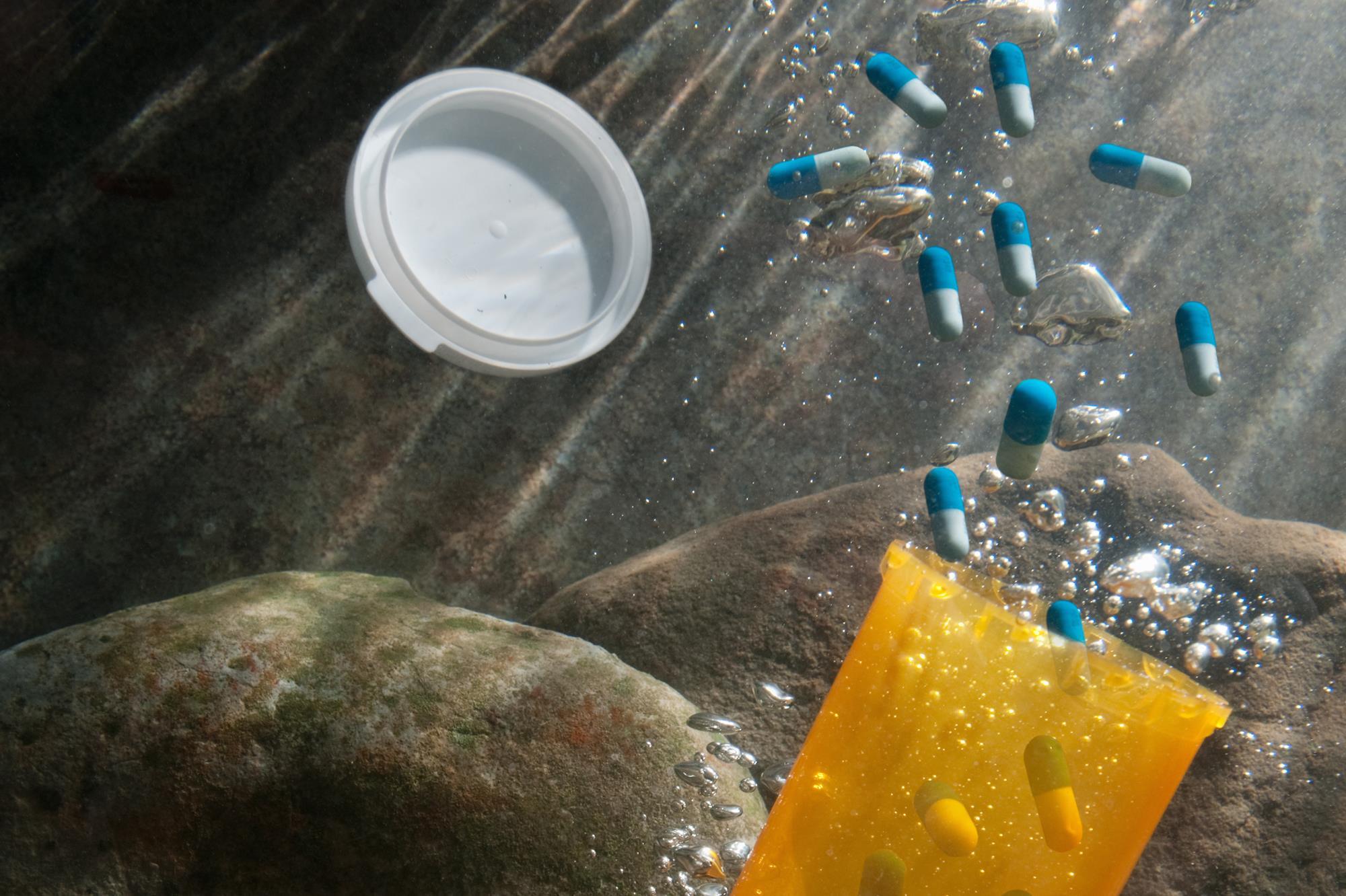
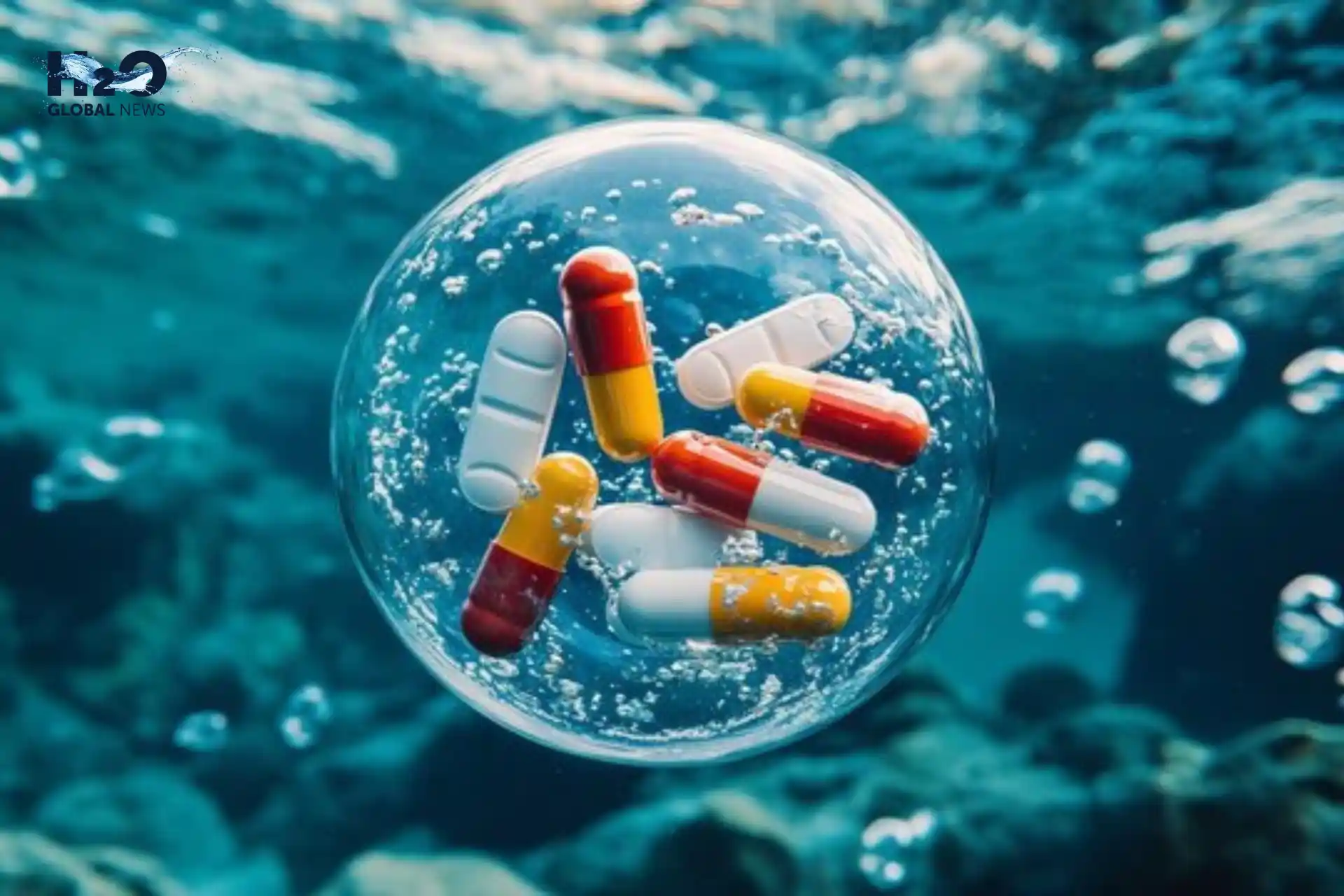
Flushing pharmaceuticals was once considered a fast and simple disposal method in many healthcare settings. However, research over the past decade has made one fact clear: pharmaceuticals do not disappear once they enter the wastewater system. Instead, they travel through sewer lines and wastewater treatment plants that are not designed to remove chemical compounds found in medications.
Hospitals, clinics, pharmacies, dental practices, ambulatory surgery centers, and long-term care facilities all generate unused, partially used, or expired medications every day. When these drugs are flushed—or improperly thrown away—they contribute directly to measurable levels of pharmaceuticals detected in rivers, lakes, groundwater, and even treated municipal drinking water.
The EPA’s national flushing ban was created to stop this contamination at the source. It ensures every facility, regardless of size, follows strict standards that keep hazardous pharmaceuticals out of the water supply. As scientific evidence continues to show the environmental and ecological dangers of pharmaceutical pollution, healthcare organizations have an increasing responsibility to adopt safer disposal practices that protect both public health and the environment.
Why Flushing Pharmaceuticals Causes Pollution
Most wastewater systems were designed decades ago to remove organic waste and pathogens—not complex synthetic chemical compounds. Modern pharmaceuticals are formulated to resist biological breakdown so they can remain effective inside the human body. That same durability makes them extremely difficult for wastewater treatment plants to eliminate.
What Happens After Pharmaceuticals Are Flushed?
- Drugs enter the sewer system unchanged.
Chemical structures remain intact as they move through pipes. - Treatment plants remove only a portion of compounds.
Many medications—including narcotics, hormones, antibiotics, antidepressants, and chemotherapy agents—pass through treatment facilities with little or no reduction. - Contaminated water enters natural ecosystems.
Trace amounts of pharmaceuticals have been detected in the drinking water of millions of Americans.
Documented Environmental Impact
Scientific studies have shown:
- Behavioral changes in fish exposed to antidepressants
- Reproductive abnormalities linked to hormone-based pharmaceuticals
- Antibiotic contamination contributing to antimicrobial resistance
- Toxic effects on aquatic plants, amphibians, and small mammals
While long-term human health effects are still being studied, the environmental impact is undeniable—and preventable.
This is why flushing is no longer an acceptable disposal method for healthcare providers.
Understanding the EPA Flushing Ban
The Environmental Protection Agency (EPA) implemented a nationwide ban on flushing hazardous waste pharmaceuticals as part of the Management Standards for Hazardous Waste Pharmaceuticals rule.
Key Points Healthcare Facilities Must Know
- The ban is federal and applies nationwide, regardless of state adoption timelines.
- It applies to all healthcare facilities, including hospitals, clinics, pharmacies, surgery centers, and long-term care settings.
- It prohibits disposing of hazardous pharmaceuticals down any sink, drain, or toilet.
- The rule prevents thousands of pounds of hazardous pharmaceutical waste from entering waterways annually.
- Although the regulation targets hazardous pharmaceuticals, the EPA strongly encourages facilities to avoid flushing any medications.
This rule represents one of the most significant environmental protections tied to healthcare waste in recent years—and compliance is mandatory.
Implementing Safer Alternatives
Compliance with the flushing ban begins with replacing outdated habits. Hazardous pharmaceuticals must be disposed of using systems designed to prevent environmental release.
Safer Disposal Includes:
- Approved pharmaceutical waste containers that are puncture-resistant, leakproof, and properly labeled
- Staff training on container placement, closure, and waste documentation
- Color-coded systems for easy identification
- Workflow posters and signage in medication rooms, pharmacies, and patient care areas
- Routine audits to ensure staff compliance
These elements create a consistent, error-proof process that eliminates guesswork.
Patient and Community Education
Environmental protection does not stop at the facility’s exit doors. Healthcare organizations play an essential role in encouraging the public to dispose of medications safely.
Effective strategies include:
- Providing disposal guidelines during patient discharge
- Creating educational brochures or posters
- Promoting awareness of DEA National Prescription Drug Take Back events
- Offering on-site or partnership-based drug take-back kiosks
Community education reduces household pollution and reinforces the mission of pharmaceutical safety.
Commitment to Environmental Leadership
Regulatory compliance is a requirement—but authentic environmental leadership goes further. Healthcare organizations that prioritize responsible pharmaceutical disposal:
- Protect natural ecosystems
- Reduce contamination in drinking water
- Strengthen their community reputation
- Demonstrate ethical responsibility
- Support national sustainability goals
Secure Waste helps facilities achieve these objectives by offering compliant pharmaceutical waste disposal, staff training, educational support, and environmentally responsible waste management programs.
Conclusion
Flushing pharmaceuticals is a dangerous practice that contributes to chemical contamination in waterways, disrupts ecosystems, and poses potential risks to public health. The EPA’s nationwide flushing ban establishes clear standards to prevent this pollution and requires healthcare organizations to adopt safer, regulated disposal practices.
By updating disposal policies, ensuring correct segregation, training staff, educating patients, and implementing safer alternatives, healthcare facilities can remain compliant and environmentally responsible.
Secure Waste provides the tools, expertise, and support needed to build a safe, sustainable, and fully compliant pharmaceutical disposal workflow. Visit SecureWaste.net to learn more.
Expert Medical Waste Management: With over 25 years of industry experience, Secure Waste is a trusted local leader in hazardous and biohazardous waste disposal across Maryland, Virginia, and Washington, D.C. Specializing in medical waste management, sharps needle disposal, and biohazard waste removal, the company ensures full compliance with federal, state, and local regulations while prioritizing environmental sustainability.
The company also offers additional services, including secure document shredding and sharps container sales, providing comprehensive solutions for healthcare facilities and businesses. Our cost-effective services help clients maintain regulatory compliance without unexpected costs.
With a commitment to customer satisfaction, Secure Waste offers tailored waste management plans that align with industry best practices. Their team of experts provides reliable, timely, and compliant services, making them the preferred choice for medical waste disposal. For a free waste quote or more information, visit www.securewaste.net