Essential Strategies To Prevent Workplace Injuries In Healthcare Facilities
Welcome to Secure Waste, your trusted local leader in medical waste disposal, proudly serving Maryland, Virginia, and Washington, D.C. At Secure Waste, we go beyond traditional waste management; we are fully committed to enhancing healthcare practices in our communities.
Our mission is not merely about efficient waste handling; it encompasses a strong dedication to educating our partners about the nuances of effective waste management.
We empower healthcare professionals by equipping them with vital knowledge and state-of-the-art tools that help mitigate risks associated with workplace-related health injuries.
By fostering an understanding of proper waste disposal techniques and the importance of regulatory compliance, we help create a safer, more efficient healthcare environment for everyone involved.
Our team of experts is always ready to provide personalized support and guidance, ensuring that our clients are not just compliant but also champions of best practices in medical waste disposal. Join us in making a meaningful impact on health and safety in our communities.
Prevent needle sticks more here with Secure Waste and OSHA.
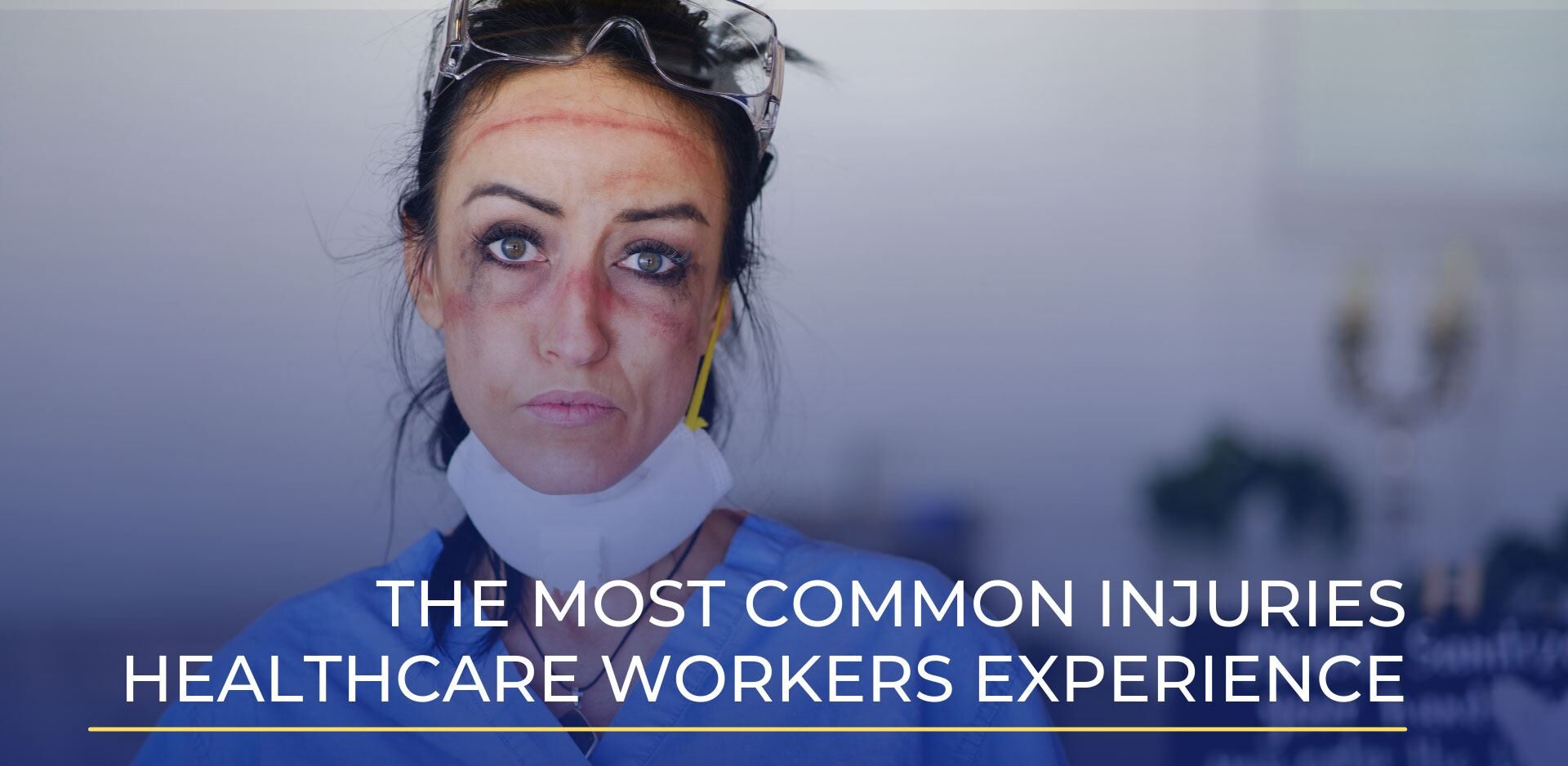
Essential Strategies for Preventing Workplace Injuries in Healthcare
Healthcare is one of the most demanding and high-risk work environments. Nurses, technicians, environmental services staff, and support teams all work under pressure in fast-moving settings where physical, biological, and behavioral hazards are part of daily operations. Injury rates in healthcare consistently rank higher than in many other sectors, including construction and manufacturing. For leaders focused on safety and compliance, preventing workplace injuries is not only a regulatory requirement but also a moral and operational priority.
To create a safer environment, healthcare facilities must recognize the most common hazards and implement precise, practical controls. These interventions protect staff, support quality of care, and reduce workers’ compensation claims, lost time, and turnover.
Understanding Key Workplace Hazards in Healthcare
Overexertion and slips, trips, and falls
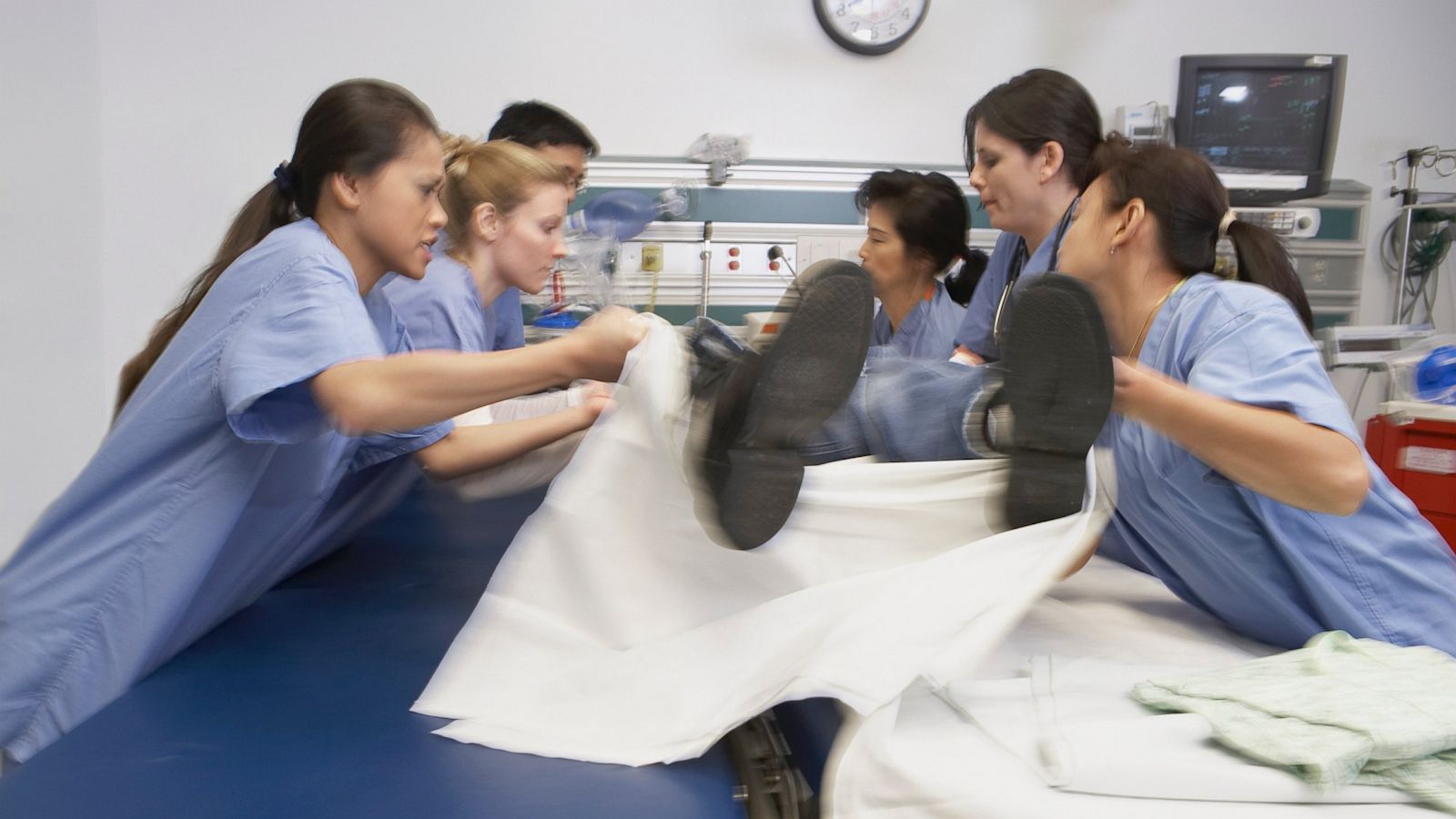
Healthcare workers are frequently required to move patients, reposition equipment, and lift supplies. Improper body mechanics or attempting to lift or transfer patients alone can strain the back, hips, shoulders, and knees. Wet floors, cluttered hallways, and spills in patient care areas also increase the risk of slips, trips, and falls. These incidents may seem minor at first, but they often lead to serious injuries that limit a worker’s ability to perform clinical tasks.
Medical waste handling and sharps exposure
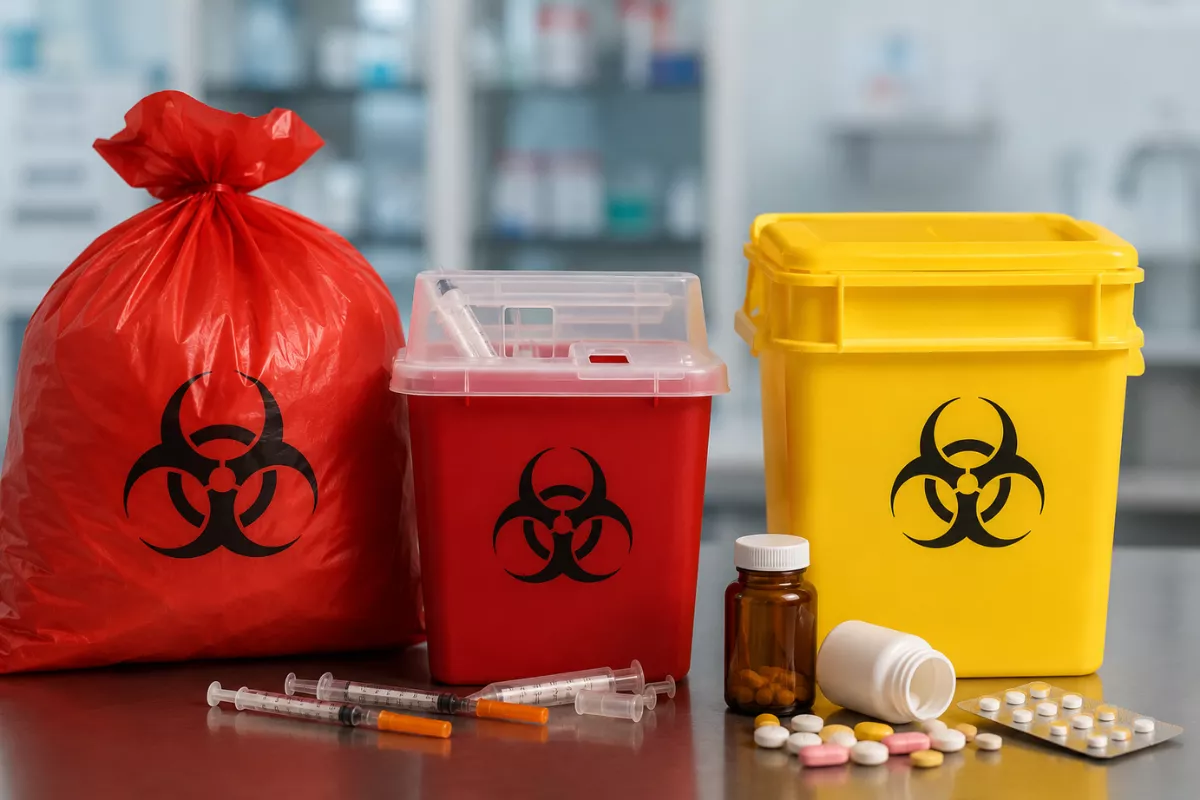
Handling regulated medical waste and sharps presents another significant risk. Staff who manage red bag waste, containers of blood or body fluids, chemicals, or pharmaceutical waste can be exposed to infectious agents or hazardous substances if controls are weak. Sharps injuries are a particular concern because they can transmit bloodborne pathogens such as hepatitis B, hepatitis C, or HIV. Inadequate container placement, overfilled sharps containers, and improper disposal habits all increase this risk.
Workplace violence and aggression
Healthcare facilities also face a growing challenge from workplace violence. Patients under stress, family members in crisis, and even staff conflicts can escalate into verbal abuse or physical aggression. Emergency departments, behavioral health units, and long-term care environments are especially vulnerable, but incidents can occur anywhere. Without clear protocols, staff training, and reporting systems, these situations can escalate quickly and cause both physical and psychological harm.
Four Core Strategies to Reduce Injury Risk
To meaningfully reduce workplace injuries, healthcare leaders should implement a structured approach that combines assessment, planning, training, and physical controls.
Could you conduct a detailed workplace safety analysis? A workplace analysis is the first step in understanding where risks actually occur. Leaders should conduct regular walkthroughs of clinical areas, support departments, and public spaces with a deliberate focus on potential hazards. This review can identify:
- Slippery floors or high traffic areas where spills are common
- Staff lifting patients without assistive devices or support
- Sharps containers located too far from the point of use
- Poorly labeled chemical storage or unsecured waste containers
- Areas with frequent agitation, behavioral incidents, or crowding
By documenting these conditions and comparing them with incident reports and employee feedback, organizations can prioritize corrective actions with the most significant impact.
Develop and maintain comprehensive safety plans.
Written safety plans provide the framework for protecting a facility’s staff. One critical example is the Bloodborne Pathogens Exposure Control Plan required by the Occupational Safety and Health Administration. This plan should describe how the organization uses engineering controls, safe work practices, personal protective equipment, vaccination programs, medical surveillance, and training to reduce risk from bloodborne exposures.
Similar plans should address safe patient handling, hazardous drug and chemical management, and workplace violence prevention. These documents should be more than compliance paperwork. They must be practical tools that guide daily operations and are regularly reviewed and updated.
Offer robust, role-specific training.
Training is one of the most potent tools in injury prevention. Staff must understand the risks they face and the specific actions they can take to stay safe. Effective programs usually include:
- Orientation training for new hires on core safety topics
- Regular refresher education to reinforce key practices
- Department-specific training for high-risk areas such as emergency departments, laboratories, or surgery
- Hands-on practice with lifting equipment, sharps disposal, and spill response
Topics should include proper lifting techniques, the use of mechanical lifts or transfer devices, prevention of needlestick injuries, safe handling of hazardous medical waste, correct use of personal protective equipment, and strategies for de-escalating aggressive behavior. Online modules can provide foundational knowledge, while in-person sessions can focus on scenario-based learning and practical demonstrations.
Implement strong engineering and environmental controls.
OSHA describes engineering controls as physical changes to the workplace that remove or reduce hazards. In healthcare, these controls might include:
- Adjustable height beds and patient lift equipment to reduce manual lifting
- Sharps containers with safety features that limit hand access and prevent overfilling
- Secure pharmaceutical and hazardous waste containers that prevent diversion or accidental access
- Non-slip flooring and prompt spill cleanup procedures
- Controlled entry systems and panic buttons in high-risk units
Engineering controls are often some of the most effective and reliable protections because they do not depend solely on staff behavior. When combined with good design and clear signage, they make the safest choice the easiest choice.
Creating a Culture of Safety and Shared Responsibility
Preventing workplace injuries requires more than written policies. It depends on a culture where safety is treated as an organizational value, and everyone feels responsible for identifying and reporting hazards. Leaders must encourage open communication, respond quickly to concerns, and share the results of corrective actions. When staff see that safety issues lead to real improvements, they are more likely to stay engaged and proactive.
How Secure Waste Supports Safer Healthcare Workplaces
Safe handling and disposal of medical waste are critical parts of any injury prevention strategy. Secure Waste helps healthcare facilities implement compliant sharps and regulated medical waste programs that reduce exposure risk and simplify operations. This support can include:
- Properly designed sharps and medical waste containers with safety features
- Placement guidance to ensure containers are accessible at the point of use
- Scheduled exchange services that prevent overfilling and reduce staff burden
- Education on safe segregation and handling of medical waste
- Documentation and regulatory guidance to support OSHA and other compliance requirements
A well-designed waste management program helps protect staff from sharps injuries, hazardous chemicals, and biohazard exposure, while supporting broader workplace safety goals.
Conclusion
Healthcare workers deserve a safe environment that supports both their physical and emotional well-being. By identifying hazards, developing clear safety plans, providing intense training, and implementing engineering controls, healthcare organizations can meaningfully reduce workplace injuries. Safe medical waste handling and sharps management are essential parts of this effort.
Secure Waste partners with healthcare facilities to strengthen safety, support compliance, and reduce risk. To learn how Secure Waste can help your organization improve workplace safety through better waste and sharps management, visit SecureWaste.net.
Expert Medical Waste Management: With over 25 years of industry experience, Secure Waste is a trusted local leader in hazardous and biohazardous waste disposal across Maryland, Virginia, and Washington, D.C. Specializing in medical waste management, sharps needle disposal, and biohazard waste removal, the company ensures full compliance with federal, state, and local regulations while prioritizing environmental sustainability.
The company also offers additional services, including secure document shredding and sharps container sales, providing comprehensive solutions for healthcare facilities and businesses. Our cost-effective services help clients maintain regulatory compliance without unexpected costs.
With a commitment to customer satisfaction, Secure Waste offers tailored waste management plans that align with industry best practices. Their team of experts provides reliable, timely, and compliant services, making them the preferred choice for medical waste disposal. For a free waste quote or more information, visit www.securewaste.net