
Influenza Flu-Related Items And Healthcare Waste Disposal
At Secure Waste, we frequently receive inquiries regarding the classification and disposal of waste associated with the flu.
Many people wonder: Is flu-related material considered medical waste?
As a local leader and pioneer in the management and disposal of medical and sharps containers, Secure Waste proudly serves the regions of Maryland, Virginia, and Washington, D.C. We aim to provide clarity and insights on this critical topic.
When we refer to medical waste, we’re talking about items generated in healthcare contexts that may include anything that could potentially be infectious, hazardous, or subject to regulated waste disposal.
This can encompass various materials, such as contaminated syringes, bandages, and certain types of discarded medical equipment. What is the Flu, or influenza? For more information, visit the CDC, Centers for Disease Control and Prevention.
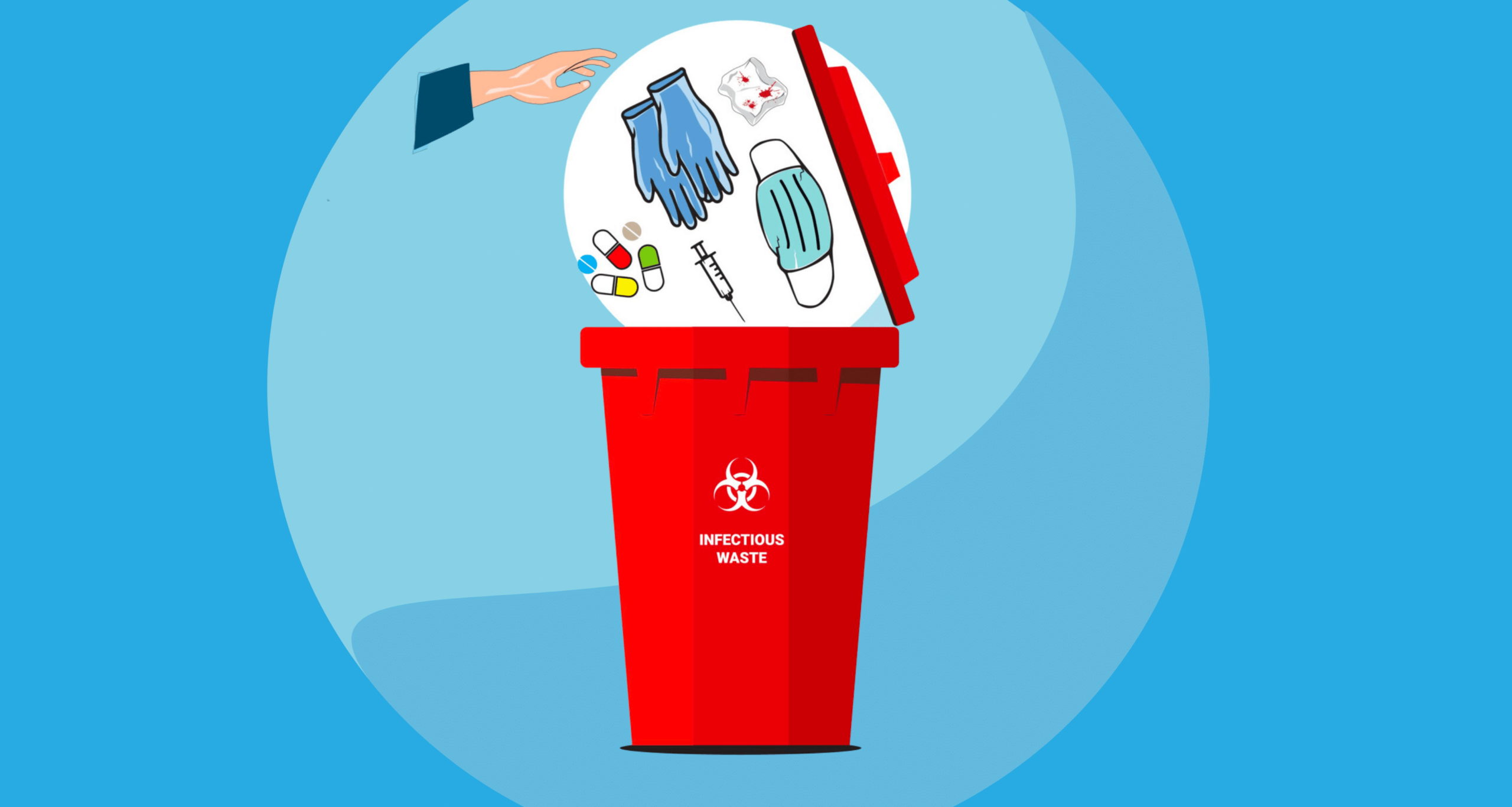
Flu-related waste may include items such as used test kits, tissues, masks, and any materials contaminated with flu viruses. These items can pose health risks if not disposed of properly.
Therefore, understanding whether they fall under medical waste regulations is crucial for healthcare providers, businesses, and individuals handling such waste.
Let’s dive deeper to clarify the classification of flu-related materials and explore whether they truly qualify as medical waste, along with the best practices for their safe disposal.
Flu-related waste is not inherently classified as “medical waste” (biohazard/red bag waste) unless there is visible contamination with blood or other bodily fluids. Everyday items such as used tissues, masks, and gloves can typically be disposed of in regular trash, promoting efficient waste management.
However, specific items, such as flu vaccine syringes and diagnostic test kits, are classified as sharps or biohazardous materials due to their potential to transmit infection and must be disposed of using established safety protocols.
What difficulties do healthcare providers and medical waste disposal companies face during the flu season?
One of the most pressing challenges in managing medical waste is the alarming increase in used sharps, including needles, syringes, and vaccine vials.
This significantly increases the risk of needlestick injuries, particularly when proper disposal protocols and effective container management are not diligently adhered to.
Managing Influenza And Medical Waste In The Hospital Setting Learn More Here
In response to this urgent situation, healthcare facilities must prioritize maintaining a sufficient supply of disposal containers and implement more frequent waste collection strategies to ensure safety and compliance with regulations.
Understanding Waste Classification: Regular Trash vs. Medical Waste

Effective management and disposal of infectious waste particularly in the context of influenza is crucial to prevent the spread of the virus Proper protocols must be followed to ensure that materials contaminated with flu virusessuch as used tissues syringes and other medical suppliesare handled safely and disposed of properly This involves using designated containers for hazardous waste and employing methods for waste treatment and disposal that minimize risk to public health and the environment Adhering to established regulations and guidelines for the disposal of infectious waste is essential for healthcare facilities and individuals to maintain safety and prevent potential outbreaks
When Flu-Related Waste Can Be Disposed of as Regular Trash
Used Tissues & Napkins: These items can be safely discarded in regular trash if they are free from visible blood or other bodily fluids. This practice not only minimizes the volume of waste inaccurately classified as hazardous but also keeps waste management systems more efficient.
Masks & Gowns: Standard personal protective equipment (PPE) used in general care settings—such as surgical masks and isolation gowns—that do not exhibit any signs of contamination can generally be disposed of with regular waste. This approach helps streamline disposal processes while maintaining safety.
Empty Medicine Cups & Disposable Tubing: Items that are solely used for pharmaceutical preparations and do not contain biohazard materials can often be disposed of in standard waste. They pose a low risk for infection and environmental hazard if correctly managed.

When Flu-Related Waste Is Considered Medical Waste
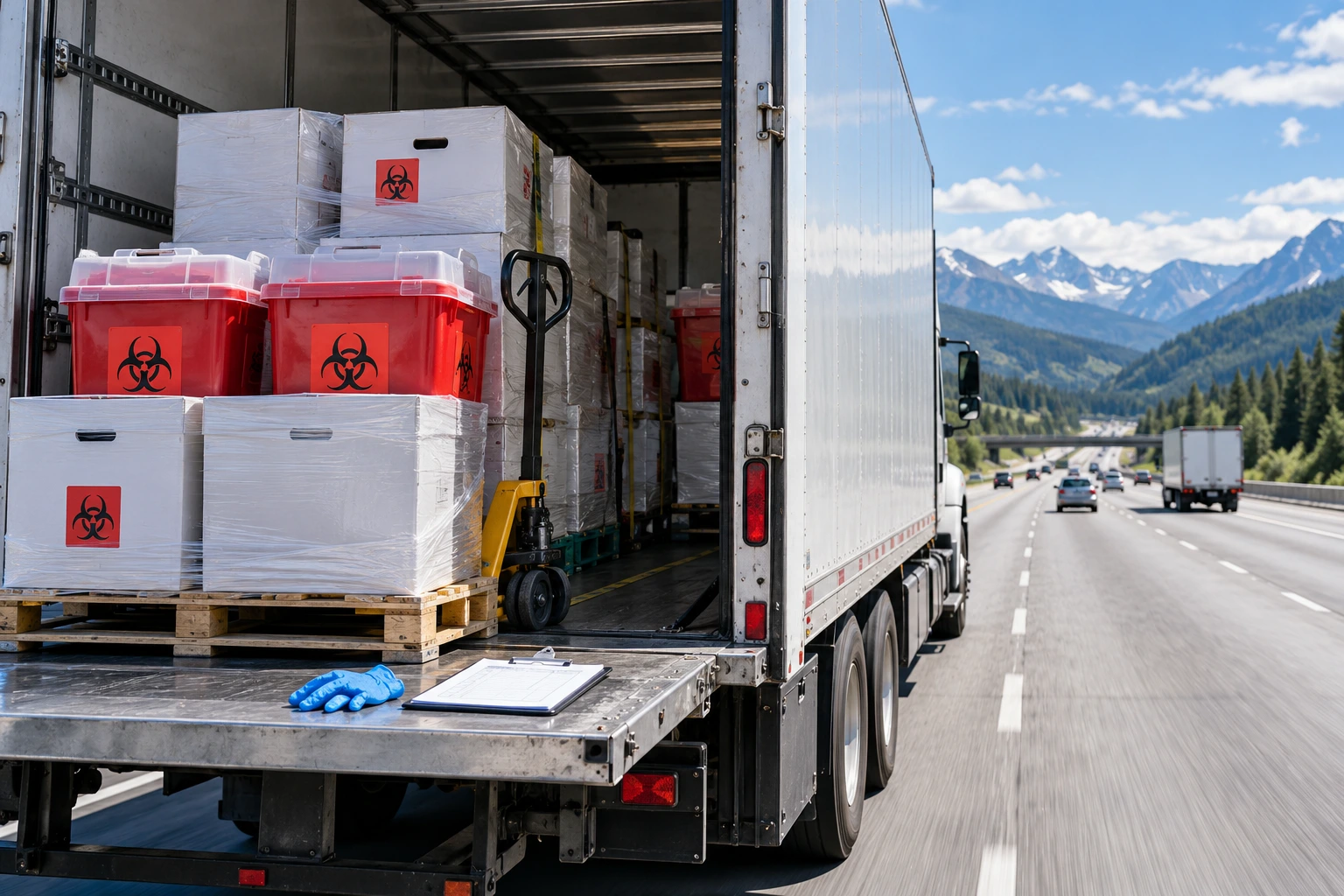
Sharps: Items such as used needles, syringes, and lancets must be disposed of in designated sharps containers. These containers are engineered to prevent punctures and cuts, ensuring safe handling and disposal. They must be puncture-resistant, clearly labeled, and stored in easily accessible locations for immediate disposal after use.
Flu Test Kits: Components from flu test kits—including swabs, collection tubes, and any associated material that may come into contact with biohazardous materials—are classified as regulated medical waste. Their disposal needs adherence to stringent safety protocols to mitigate risks of infection and prevent environmental contamination.
Contaminated PPE: Personal protective equipment, such as gloves, gowns, or masks that display visible signs of blood or bodily fluids, must be treated as medical waste. This classification is crucial in protecting waste handlers, healthcare workers, and the general public from potential health hazards.
Flu Testing Samples: Blood or fluid samples collected for laboratory analysis, which may involve testing for the flu virus, are classified as medical waste. Strict management protocols are required for these samples to ensure that personnel are safeguarded against exposure to pathogenic microorganisms during both handling and disposal.
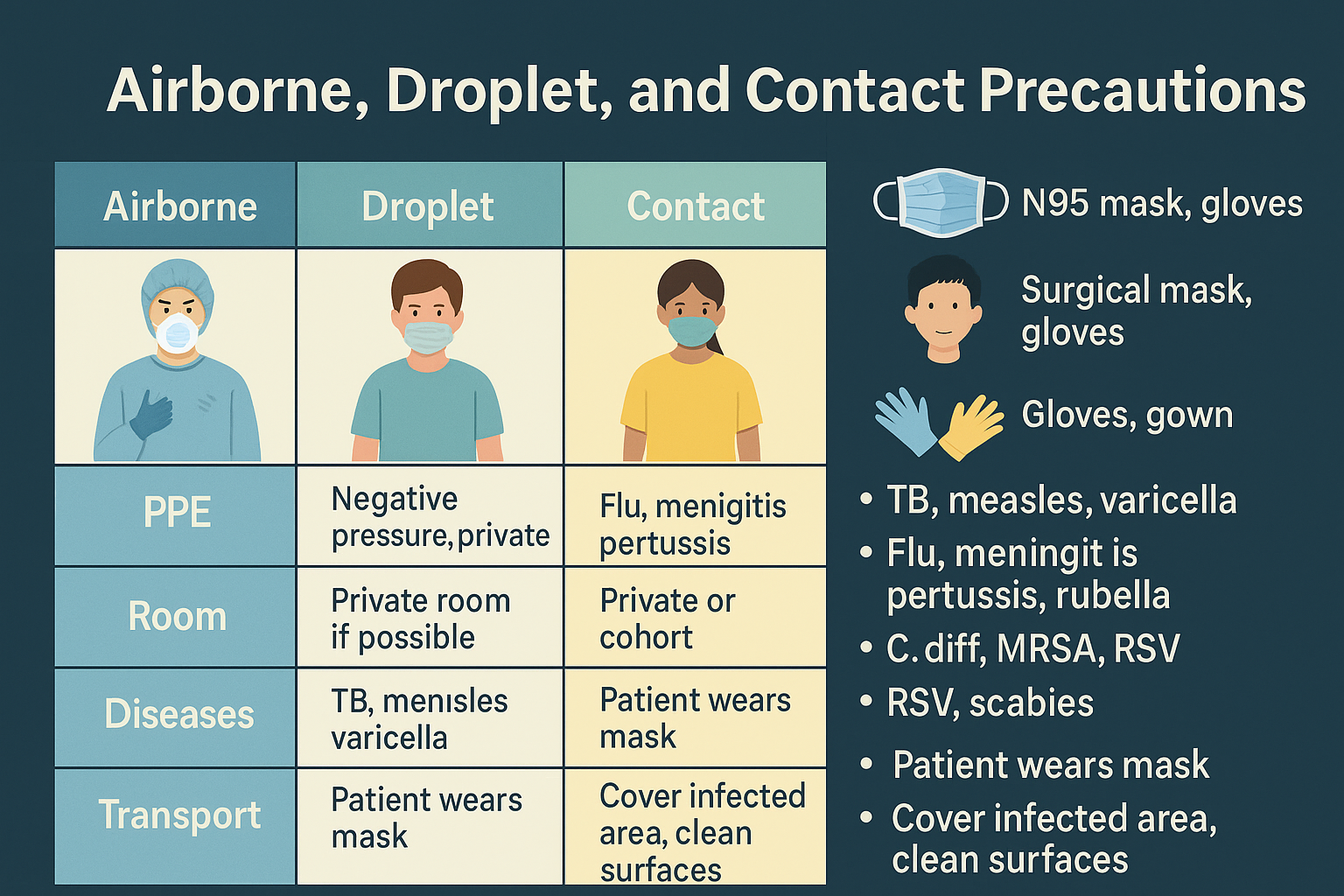
Key Principle of Waste Management:
The primary determinant for categorizing waste as regulated medical waste hinges on whether it is contaminated with blood, other regulated body fluids (such as vomit or feces mixed with blood), or contains sharps. This principle is pivotal for mitigating infection risks and safeguarding public health.
Proper waste management practices not only protect individuals but also preserve the environment from the detrimental effects of improper disposal. By ensuring that all waste is treated with the appropriate level of care and responsibility, we foster a safer and healthier community.
How The Flu Can Increase Medical Waste:
This is a common inquiry, and the answer may be surprising—often, it is no, at least not to the extent one might assume.
Medical Waste, commonly referred to as Biohazard Waste or biohazardous waste, refers to materials contaminated with blood, bodily fluids, or other infectious substances.
The handling of MW is subject to strict regulations due to its significant potential risk of transmitting infections, making careful management essential for both public safety and environmental protection.
1st Example: Flu Shot
When a patient receives a flu shot, the used needle is immediately disposed of in a dedicated sharps container—a puncture-resistant receptacle designed explicitly for medical waste.
It’s essential to note that, although the needle is classified as hazardous, the accompanying components, such as the plastic syringe body and alcohol swabs, are often classified as standard waste.
This classification remains in effect unless the syringe is visibly contaminated with blood or other infectious materials. In such cases, they must also be treated as medical waste to prevent any risk of infection.
2nd Example: Patient Wellness
Consider a scenario involving a flu patient who uses tissues, empty medication cups, or disposable oxygen tubing.
These items, although used in a healthcare setting, do not meet the stringent criteria for classification as infected or blood-soaked materials. Instead, they are categorized as standard municipal waste.
This means that unless they show signs of heavy contamination with bodily fluids or other infectious agents, they should be disposed of in regular waste receptacles rather than in a biohazard bag, which is crucial for safeguarding healthcare environments.
Final Words:
As flu season approaches, the volume of medical waste, particularly sharps, tends to surge substantially. Maintaining precise waste segregation protocols is crucial to ensure compliance with regulatory requirements, enhance operational efficiency, and achieve cost savings for healthcare facilities.
Proper classification and disposal of medical waste are not only critical for protecting public health by minimizing the risk of infection transmission but also contribute positively to the sustainability and environmental responsibility of healthcare practices.
By adhering to these guidelines, healthcare providers can ensure a safer environment for both patients and staff.
In Conclusion:
Secure Waste will save you money on biomedical waste disposal. We understand these hazards.
Staying informed and proactive is vital as new biological challenges arise. Together, we can prioritize health and safety, increase awareness, and promote responsible actions to create a healthier future for all!
We provide reliable, compliant, and environmentally friendly biomedical waste disposal solutions tailored to your facility’s specific needs.
**Disclaimer** This information is provided for reference purposes only and should not be considered as legal advice or factual information at the time of your reading. Regulations frequently change and can vary from state to state. We encourage you to contact your local regulatory authorities or Secure Waste directly for the most current information. Please note that Secure Waste is not liable, in part or in whole, for any information contained on this page or website.
Expert Medical Waste Management: With over 25 years of industry experience, Secure Waste is a trusted local leader in hazardous and biohazardous waste disposal across Maryland, Virginia, and Washington, D.C. Specializing in medical waste management, sharps needle disposal, and biohazard waste removal, the company ensures full compliance with federal, state, and local regulations while prioritizing environmental sustainability.
The company also offers additional services, including secure document shredding and sharps container sales, providing comprehensive solutions for healthcare facilities and businesses. Our cost-effective services help clients maintain regulatory compliance without unexpected costs.
With a commitment to customer satisfaction, Secure Waste offers tailored waste management plans that align with industry best practices. Their team of experts provides reliable, timely, and compliant services, making them the preferred choice for medical waste disposal. For a free waste quote or more information, visit www.securewaste.net