As a vet doctor, after treating any animal, your work is still not over, as every procedure leaves behind waste like used syringes, samples of tissue, and so much more. All of this is obviously harmful to the extent that, if not managed properly, it will lead to environmental pollution, the spread of pathogenic diseases, and major injuries from sharps. But no need to worry, through this blog, we’ll walk you through everything you need to know about medical waste disposal for veterinary hospitals, starting from waste types to why clinics need specialized disposal services. Let’s read now!
Understanding: Veterinary Medical Waste Disposal ServicesClinics of vets release harmful waste like sharps, infectious materials, and pharmaceuticals. With the help of specialized medical waste disposal services, handling, compliance, and protection of staff, communities, and the environment can be achieved. And when you partner with licensed disposal providers, it helps you maintain public trust. |
Types of Medical Waste Seen in Veterinary Clinics
Pathological Waste
These are collected during surgeries or postmortem exams, and include:
- Animal tissues
- Organs
- Carcasses
Zoonotic Infectious Waste
Materials contaminated with diseases that animals can pass to humans, such as:
- Rabies
- Ringworm
Pharmaceuticals
All the expired or not in use animal medications, including:
- Antibiotics
- Hormones
- Sedatives
Items for surgeries
Sharp tools which were used during exams, blood draws, treatments, or veterinary surgeries, such as:
- Needles
- Syringes
- Scalpel blades
- Lancets
Chemotherapy Waste
Waste from veterinary cancer treatments using cytotoxic drugs, including :
- Contaminated gloves
- Tubing
- Absorbents
Radioactive Waste
Materials from nuclear imaging or radioactive iodine therapy, including
- Bedding having stains
- Urine
- Feces
Biohazardous Liquid Waste
At the time of checkup or surgery all the:
- Blood
- Bodily fluids
- Infectious liquids
that cannot go through regular drains and therefore require proper biomedical waste disposal procedures.
Why Veterinary Clinics Need Specialized Medical Waste Disposal Services?
Animal-Related Sharps Injuries Are Unique Risks
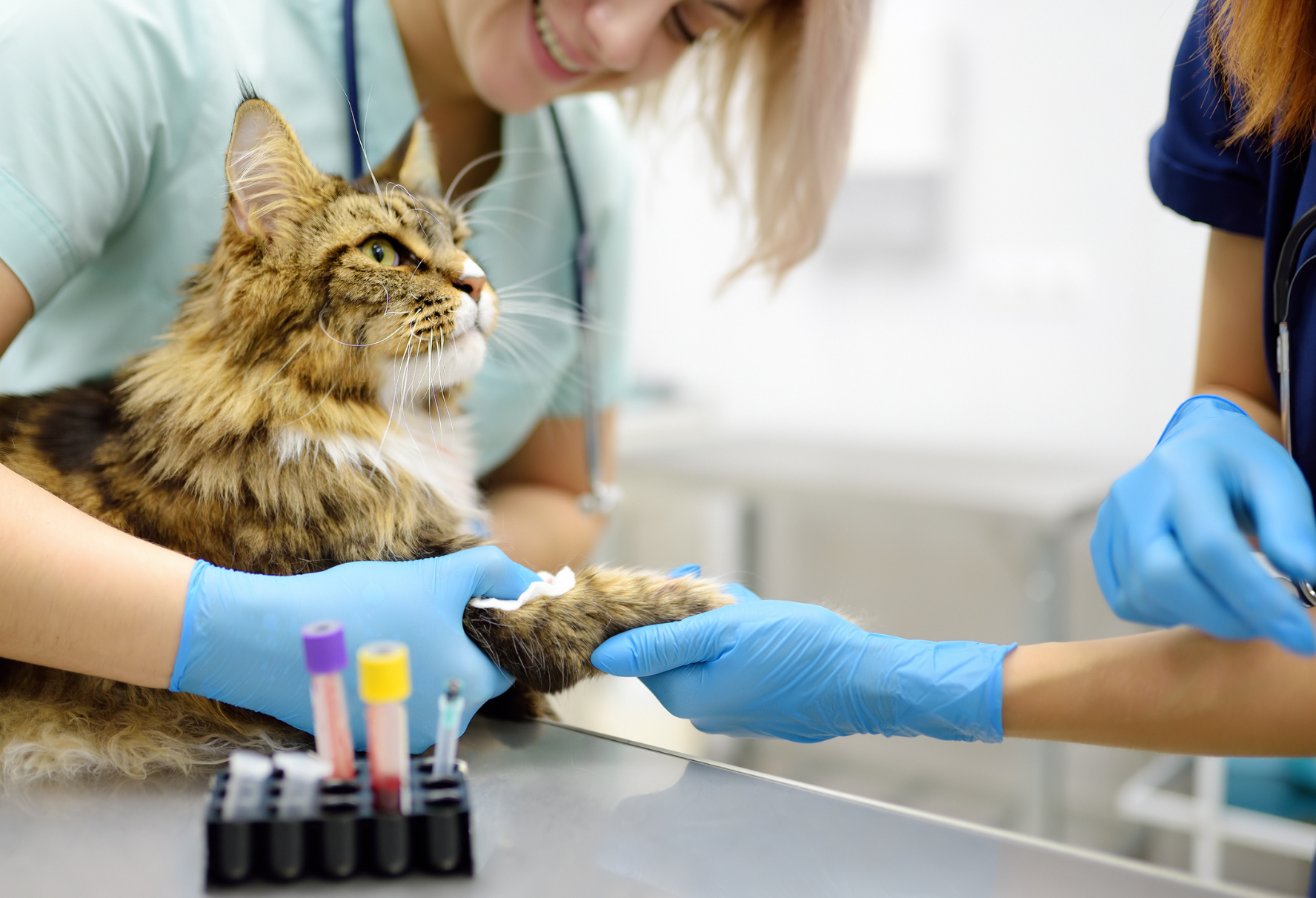
Veterinary staff, on a daily basis, handle needles, syringes, and surgical instruments used on animals. Even if they get a single accidental prick, it can transmit diseases like leptospirosis, making sharps disposal a critical safety concern.
Zoonotic Germs in Waste Can Be Harmful to Humans
The waste can carry germs like:
- Brucella
- Salmonella
- Toxoplasma
Humans can receive them very easily through contaminated tissues or even via coming in contact with surfaces in the clinic. That is why proper disposal services must be done, as everyone is at direct risk of exposure.
Licensed Veterinary Waste Disposal Ensures Compliance and Protects Reputation
The regulated medical waste in veterinary clinics, including sharps and all, must always be handled by licensed vendors. If you use standard trash services, you will violate laws and risk heavy fines. But proper disposal provides compliance documentation, protecting your clinic’s reputation and maintaining client trust during inspections or audits.
Pharmaceutical and Chemotherapy Waste Has Strict Environmental Implications
Vets must know that flushing or throwing the unused drugs randomly will contaminate groundwater and soil. The U.S. Environmental Protection Agency classifies certain pharmaceuticals as hazardous waste under the Resource Conservation and Recovery Act (RCRA), and violations can result in fines of up to $50,000 per day. Hence, your clinic needs to have proper medical waste disposal services.
Regulations for Veterinary Medical Waste
Segregation & Classification
Every kind of waste must first be separated at the point of generation into appropriate categories, like:
- Sharps
- Biohazardous
- Pathological
- Pharmaceutical
- Chemical
This step in veterinary medical waste management helps to prevent cross-contamination.
Sharps Containment
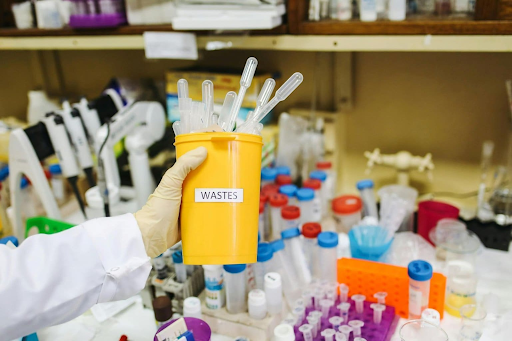
All of your needles, syringes, and scalpels must be kept immediately in puncture-resistant, leak-proof sharps containers and never recapped by hand.
Biohazardous Waste
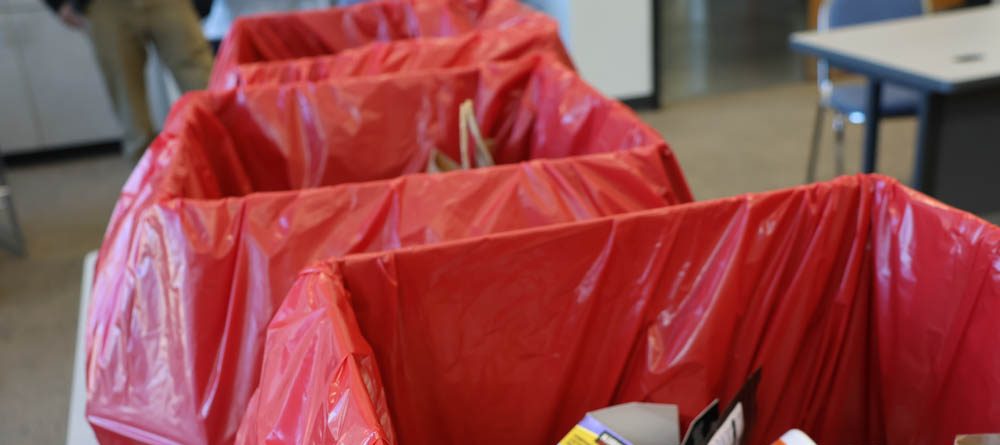
Make sure that any items that have blood or materials that can be infectious are placed in red bags or labelled biohazard containers that are leak-proof and easy to close.
Pharmaceutical Waste
Always be thorough with these regulations before disposing of items for compliance, as the hazardous waste is regulated by the Environmental Protection Agency under the RCRA. Whereas, the non-hazardous drugs and controlled substances each have separate, specific disposal requirements under Drug Enforcement Administration regulations.
Storage and Handling
Store the collected material in a safe, well-ventilated area that does not allow unauthorized access, pest contact, and environmental leakage until pickup by a licensed hauler.
Labeling and Documentation
All containers must display:
- The universal biohazard symbol
- Waste type
- Generation date
Manifests are mandatory for off-site transport and must be retained per state requirements.
Transportation, Disposal, and Staff Training
Being a clinic owner, you should always choose licensed, permitted medical waste disposal companies for off-site transport and final treatment. Also, the personnel who are doing medical waste pickup need to have documented training on handling, segregation, spills, and exposure response.
Conclusion
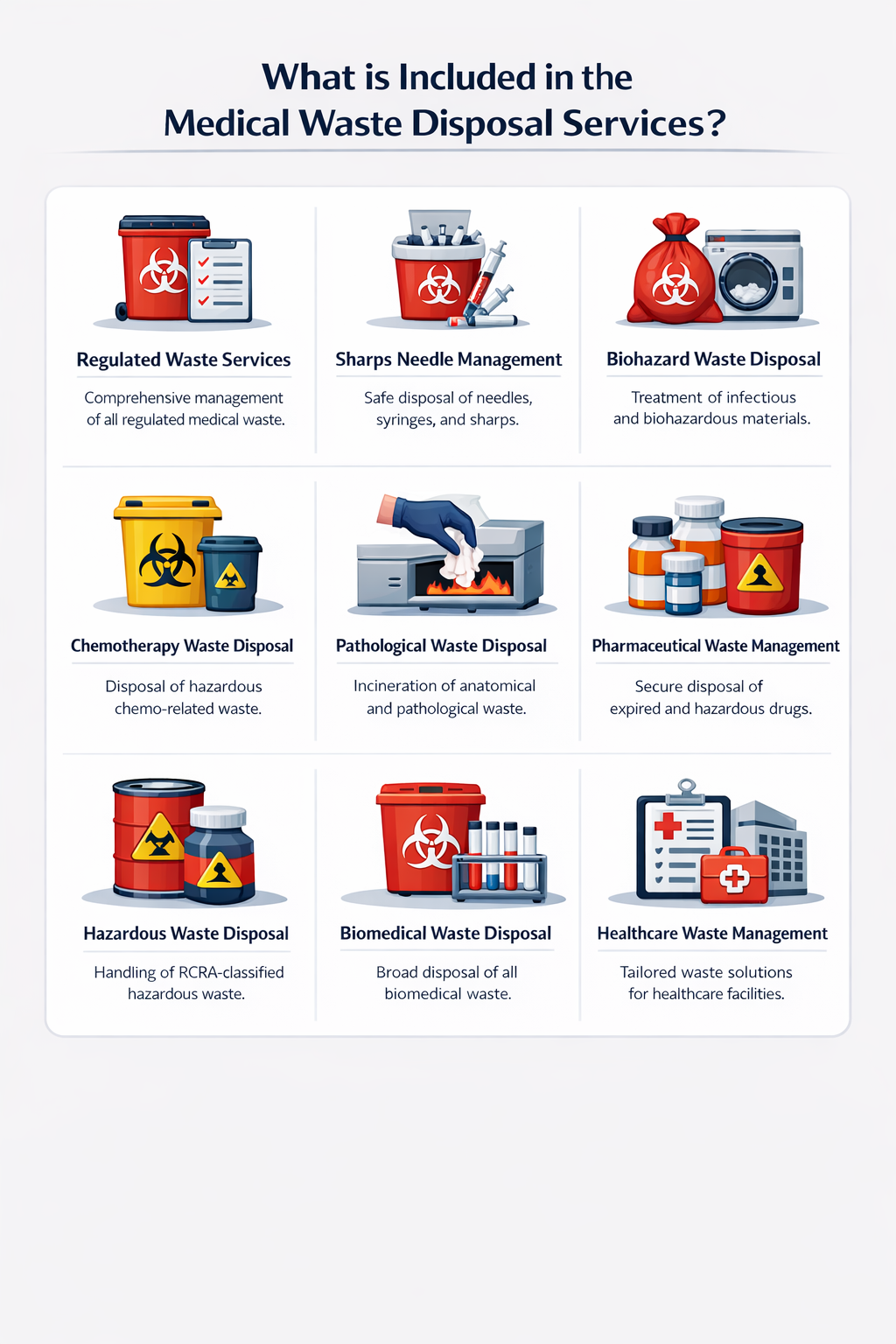
Hence, always remember that proper medical waste disposal for veterinary hospitals is a commitment to the safety of your team, your patients, and your community. So, partner with the right service, just like Secure Waste, as we handle everything from safe collection, treatment, to compliant disposal of regulated medical, biohazard, pharmaceutical, and sharps waste.
Your waste. Our responsibility. Contact us today for more information!
FAQ’s
How often should my veterinary clinic schedule medical waste pickups?
It depends on how much waste you generate. Clinics are generally classified as small or large quantity, and we will recommend a schedule based on that classification.
Can animal faeces or manure from my vet clinic go in regular trash?
Manure from animals that appear to be healthy can be put in the municipal solid waste. But waste from animals with known infections must be treated as regulated medical waste.
How much will this process cost?
On the basis of your clinic size, volume of waste generated, and services like sharps, pharmaceutical, or biohazard disposal, the overall cost will be decided.
If my veterinary clinic is small, do I still need licensed medical waste disposal services?
Yes. Even small clinics legally require licensed medical waste handling and disposal.
What happens to all the veterinary medical waste after it is collected?
Licensed facilities treat waste through autoclaving, incineration, or chemical processes before final safe disposal.
Expert Medical Waste Management: With over 25 years of industry experience, Secure Waste is a trusted local leader in hazardous and biohazardous waste disposal across Maryland, Virginia, and Washington, D.C. Specializing in medical waste management, sharps needle disposal, and biohazard waste removal, the company ensures full compliance with federal, state, and local regulations while prioritizing environmental sustainability.
The company also offers additional services, including secure document shredding and sharps container sales, providing comprehensive solutions for healthcare facilities and businesses. Our cost-effective services help clients maintain regulatory compliance without unexpected costs.
With a commitment to customer satisfaction, Secure Waste offers tailored waste management plans that align with industry best practices. Their team of experts provides reliable, timely, and compliant services, making them the preferred choice for medical waste disposal. For a free waste quote or more information, visit www.securewaste.net