
Local Dental Laboratory Waste Disposal Near You – Expert Solutions From Secure Waste
Secure Waste frequently receives inquiries regarding the proper disposal of dental waste and medical sharps, which are critical components of healthcare practices that require careful handling.
As a leading provider of dental waste management services across Maryland, Virginia, and Washington D.C., we are deeply committed to guiding healthcare professionals through each step of the disposal process, ensuring compliance with state and federal regulations.
This comprehensive guide is designed to equip you with essential information on the safe and compliant disposal of various types of dental waste, including infectious waste, hazardous materials, and non-infectious items.
We understand the complexities involved in managing these materials, and our goal is to simplify the process for you.
For a hassle-free experience, we encourage you to contact our knowledgeable team, who can provide personalized assistance tailored to your specific needs.
Whether you require clarification on regulations, assistance with waste segregation, or information on collection schedules, we are here to help you navigate through the intricacies of dental waste disposal efficiently and effectively. Your safety and compliance are our top priorities.
Explore The Critical Role Of Dental Laboratory Waste Management
The disposal of dental laboratory waste is a crucial process that requires strict adherence to safety protocols to protect public health and the environment.
This multifaceted process involves meticulously segregating hazardous materials—including sharps, biohazardous substances, and various chemicals—from general waste.
Proper segregation is achieved using specially designated containers, such as puncture-proof red bags for sharps and color-coded biohazard bins, thereby ensuring each waste type is handled according to its specific hazard level.
Once the waste is appropriately segregated, it must be securely stored and collected by licensed medical waste management professionals.
These experts are trained in the protocols necessary to manage the disposal process, which may involve various treatment methods, such as high-temperature incineration to ensure the destruction of pathogens or chemical neutralization for less hazardous materials.
Compliance with federal, state, and local regulations—including those mandated by the Environmental Protection Agency (EPA) and the Resource Conservation and Recovery Act (RCRA)—is essential to mitigate legal risks and protect the community.
Additionally, explore the Occupational Safety and Health Association’s (OSHA) guidelines on proper dental waste handling. Accurate record-keeping is also crucial, as it provides an audit trail for all waste management activities and demonstrates compliance with regulatory requirements.
Dental Clinic Key Waste Categories & Disposal Methods:
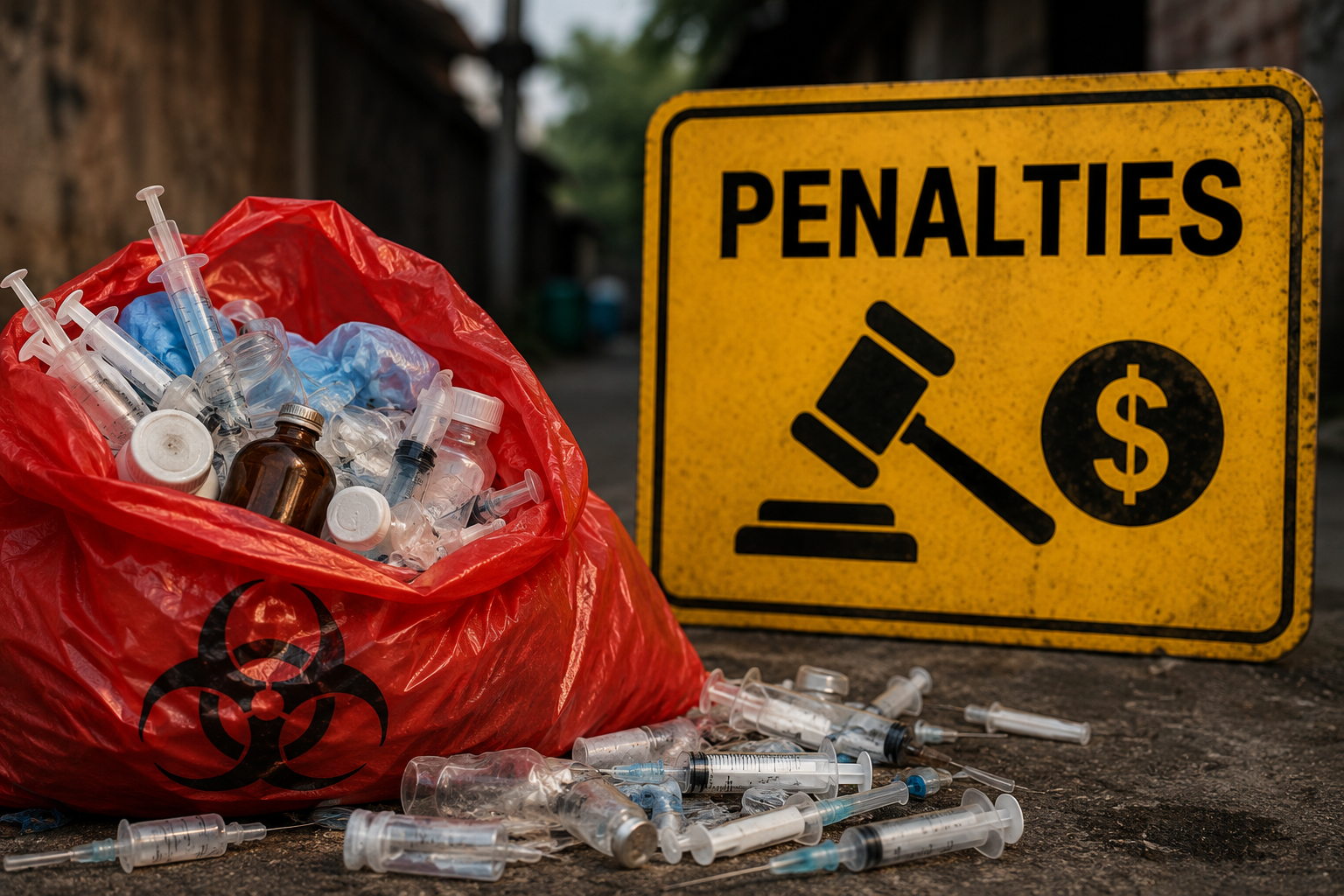
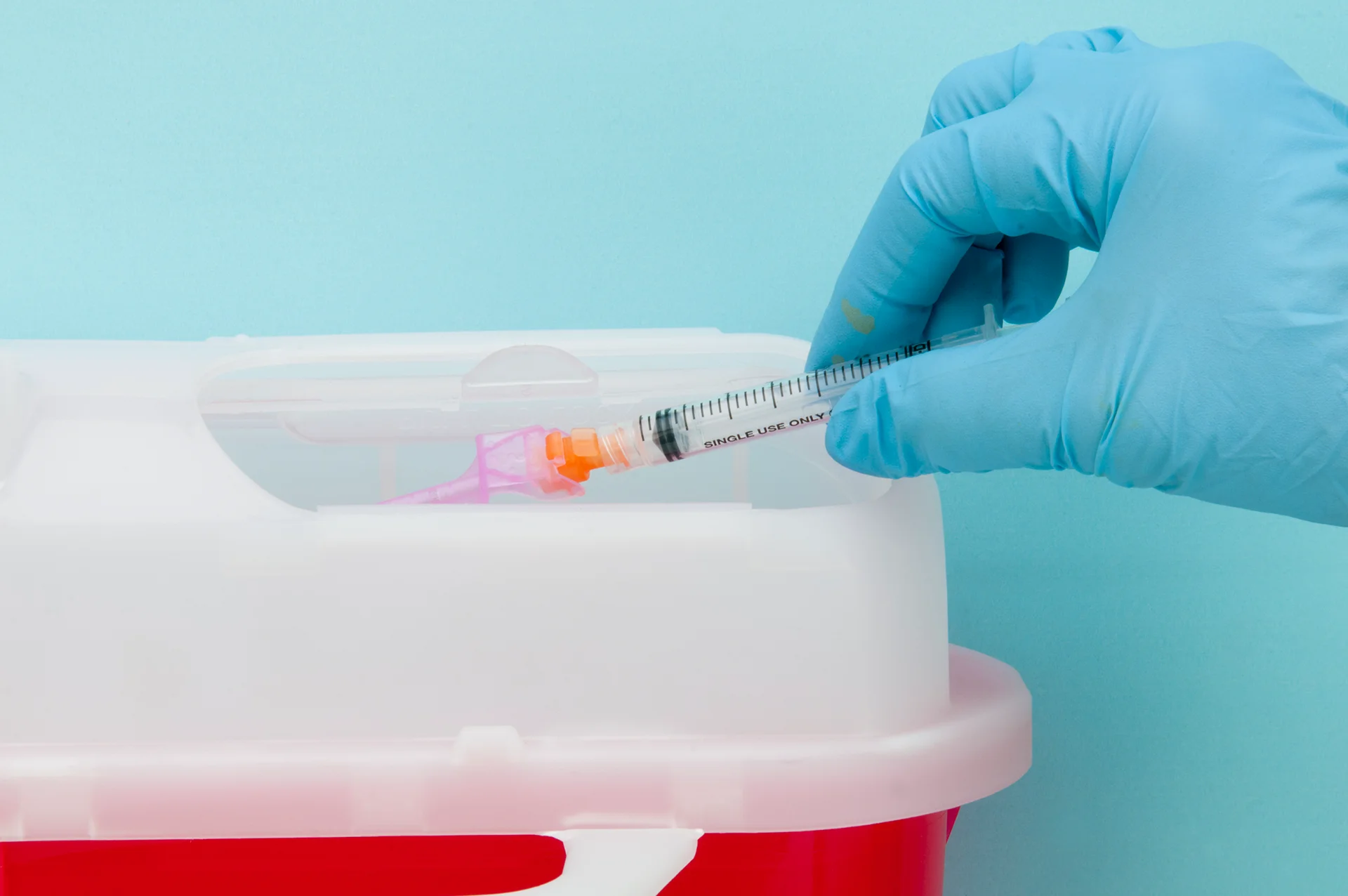
- Sharps: Items such as needles, blades, and glass vials must be disposed of in puncture-proof, red biohazard sharps containers that are specifically designed to prevent accidental injuries and needle-stick incidents.
- Biohazardous Waste: This category includes contaminated personal protective equipment (PPE), gauze, and tissues. Such items must be placed in red biohazard bags or containers, with the majority being incinerated to ensure the destruction of any possible pathogens, thereby minimizing the risk of disease transmission.
- Extracted Teeth: Extracted teeth that contain amalgam should be submerged in a bleach solution for safe handling, as this helps in neutralizing any potential hazards associated with the materials. In contrast, those without amalgam can be disposed of in sharps containers.
- Amalgam Waste: Materials that contain amalgam, such as filter scraps from chairside traps and disposable contact lenses, must be collected in designated amalgam containers to facilitate proper metal recovery and recycling, thus reducing environmental contamination.
- X-ray Fixer: Due to its high silver content, X-ray fixer is classified as hazardous waste. It must be recovered using specialized silver recovery units that extract the silver for recycling, or it must be disposed of in accordance with dangerous waste protocols, ensuring that it does not discharge into sewage systems to prevent environmental pollution.
- Chemicals (e.g., Methyl Methacrylate): Flammable liquids and any associated spills require careful handling as they are classified as hazardous. They must be managed by Environmental Health and Safety (EHS) or trained safety personnel who are equipped to implement spill response protocols effectively.
- Confidential Paperwork: Any documentation containing patient information, such as lab boxes, records, and any related paperwork, must be shredded or redacted before disposal to uphold patient confidentiality and comply with HIPAA regulations.
Best Practices for Waste Management in Dental Laboratories – Implementing effective waste management practices in dental laboratories is essential for promoting sustainability and ensuring compliance with regulatory standards. It is imperative to categorize waste accurately, distinguishing between general, hazardous, and recyclable materials. Proper containment and labeling of each waste type are crucial to prevent contamination and facilitate safe disposal.
Best Practices for Dental Waste Management:
- Segregate at Source: Immediately separate different waste types into their respective color-coded bins upon generation to prevent cross-contamination, which is crucial for maintaining safety standards.
- Use Proper Containers: Employ suitable containers—biohazard bags, sharps containers, and amalgam containers—to ensure that waste is handled safely and disposed of in accordance with regulatory guidelines.
- Label Clearly: All containers should be accurately labeled with universally recognized hazard symbols and detailed contents descriptions to inform staff of their contents and associated risks.
- Secure Storage: Waste must be stored in designated, secure locations that are clearly marked, preventing unauthorized access and minimizing the risk of spills or accidents.
- Hire Professionals: Engage licensed medical waste management companies, such as Stericycle or similar reputable services, for the safe collection, transportation, and disposal of hazardous waste.
- Train Staff: All personnel must receive appropriate training in waste disposal protocols, emphasizing the importance of safety and compliance to minimize risks associated with improper waste handling.
- Maintain Records: Keep comprehensive manifests and certificates of disposal, which serve as documentation for regulatory compliance and can be essential during inspections or audits.
- Check Regulations: Regularly consult trusted resources, like the Healthcare Environmental Resource Center (HERC) and the American Dental Association (ADA), to stay updated on evolving state-specific regulations concerning waste disposal and ensure ongoing compliance.
Regular training should be provided to all staff members to enhance awareness of waste management protocols and ensure adherence to established guidelines. Additionally, the utilization of environmentally friendly materials and processes can significantly reduce waste generation.
Furthermore, partnerships with certified waste disposal companies can enhance the efficiency of waste management strategies. Continuous monitoring and evaluation of waste practices will allow for improvements and the incorporation of innovative solutions.
By following these best practices, dental laboratories can contribute to environmental protection while maintaining the highest standards of operation.
By diligently adhering to these guidelines and best practices, dental laboratories can foster an environment of safe waste management while contributing to a sustainable and compliant health care framework.
This proactive approach not only protects public health but also preserves the environment’s integrity for future generations.
In Conclusion:
Secure Waste will save you money on medical waste disposal. We understand these hazards.
By identifying risks, we can develop strategies to mitigate their effects, fostering safe environments through shared responsibility. Regular risk assessments and training can help manage potential threats from infectious bloodborne pathogens.
Staying informed and proactive is vital as new biological challenges arise. Together, we can prioritize health and safety, increase awareness, and promote responsible actions to create a healthier future for all!
Now that you have a more comprehensive understanding of bloodborne pathogens waste disposal in relation to biological hazards, don’t hesitate to contact Secure Waste.
We provide reliable, compliant, and environmentally friendly medical waste disposal solutions tailored to your facility’s specific needs.
We have expertise in biomedical waste, hazardous waste, and Sharps container disposal. Additionally, we offer customized waste management plans, including secure collection and transportation, as well as sustainable disposal practices.
**Disclaimer** This information is provided for reference purposes only and should not be considered as legal advice or factual information at the time of your reading. Regulations frequently change and can vary from state to state. We encourage you to contact your local regulatory authorities or Secure Waste directly for the most current information. Please note that Secure Waste is not liable, in part or in whole, for any information contained on this page or website.
Expert Medical Waste Management: With over 25 years of industry experience, Secure Waste is a trusted local leader in hazardous and biohazardous waste disposal across Maryland, Virginia, and Washington, D.C. Specializing in medical waste management, sharps needle disposal, and biohazard waste removal, the company ensures full compliance with federal, state, and local regulations while prioritizing environmental sustainability.
The company also offers additional services, including secure document shredding and sharps container sales, providing comprehensive solutions for healthcare facilities and businesses. Our cost-effective services help clients maintain regulatory compliance without unexpected costs.
With a commitment to customer satisfaction, Secure Waste offers tailored waste management plans that align with industry best practices. Their team of experts provides reliable, timely, and compliant services, making them the preferred choice for medical waste disposal. For a free waste quote or more information, visit www.securewaste.net