OPIM Other Potential Infectious Materials: What Does It Stand For?
How To Manage OPIM Expert Solutions From An Industry Insider Secure Waste
Welcome to Secure Waste, a prominent provider of medical and hazardous waste management services in Maryland, Virginia, and Washington, D.C.
In this discussion, we will explore the essential aspects of healthcare waste management, with a specific focus on Other Potentially Infectious Materials (OPIM).
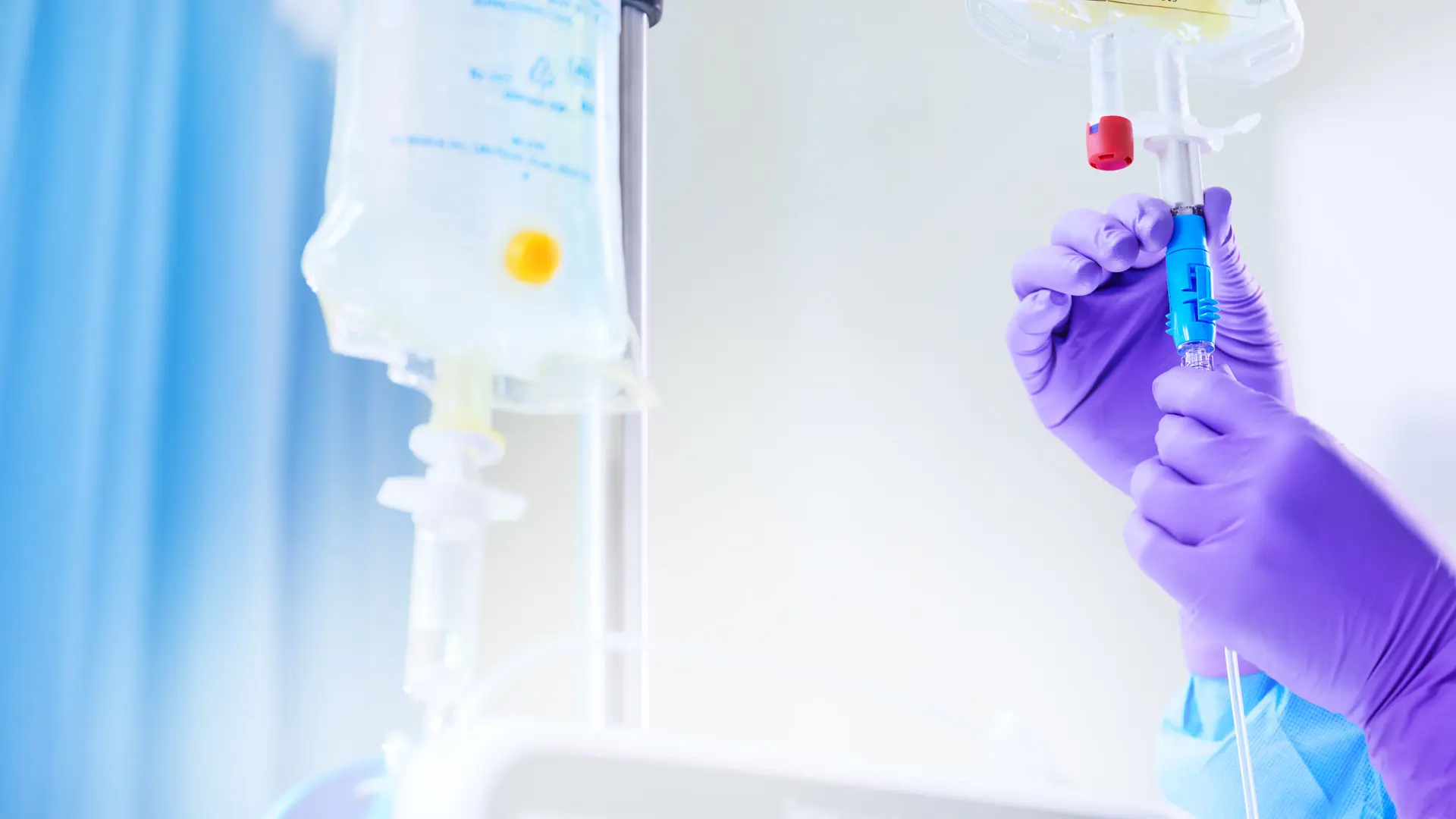
OPIM, or Other Potential Infectious Materials, refers to a range of substances that pose a risk of infection to individuals who handle them, particularly in healthcare settings.
This category includes but is not limited to human blood and blood products, certain bodily fluids, unfixed tissues, and other substances that may harbor pathogenic microorganisms.
The distinction between OPIM and various types of waste, including medical waste, biomedical waste, and sharps disposal, is crucial for effective waste management.
While all these categories fall under the umbrella of biohazardous waste, they are not interchangeable.
OPIM represents explicitly a unique subset characterized by its potential to transmit infectious diseases, which requires adherence to stringent management protocols to mitigate risks and follow OSHA bloodborne pathogens standards. More information on OPIM from Secure Waste, more here on OPIM and Bloodborne pathogens, and how they are interconnected in healthcare safety.
Proper handling and disposal methods are crucial for protecting healthcare workers, patients, and the environment from exposure to these hazardous materials.
At Secure Waste, we provide in-depth insights into the nature and implications of OPIM, discussing its specific risks and how it differs from other forms of healthcare waste.
We emphasize the importance of proper training, the use of personal protective equipment (PPE), and the implementation of effective disposal systems.
Understanding these distinctions and the associated guidelines is crucial for maintaining safety and ensuring compliance with regulatory standards in healthcare environments.
Through our resources, we aim to equip healthcare professionals with the knowledge necessary to minimize risks and manage waste responsibly.
Understanding Common OPIMs in the Medical Industry
The Healthcare field is associated with various risks of exposure to potentially infectious materials (OPIMs). For those working in this sector, the risk of encountering bloodborne pathogens can be significant daily. It is essential to be aware of the different types of potentially infectious materials that could be encountered, including:
- Pathological and anatomical wastes
- Human blood, blood derivatives, large volumes of bodily fluids, and items contaminated by blood
- Microbiological waste
- Waste from isolation (materials related to highly contagious diseases)
- Sharp objects
- Animal waste
Common Sources of OPIMs
Various sources generate Other Potentially Infectious Materials (OPIMs). Understanding these sources is essential for adequate safety and health management.
- Dental clinics
- Physician’s offices and medical waste from retail clinics
- Mortuaries
- Hospitals, healthcare facilities, and surgical centers
- Laboratories and blood donation centers
- Long-term care facilities and hospice organizations
- Pharmacies and pharmaceutical firms
- Veterinary clinics
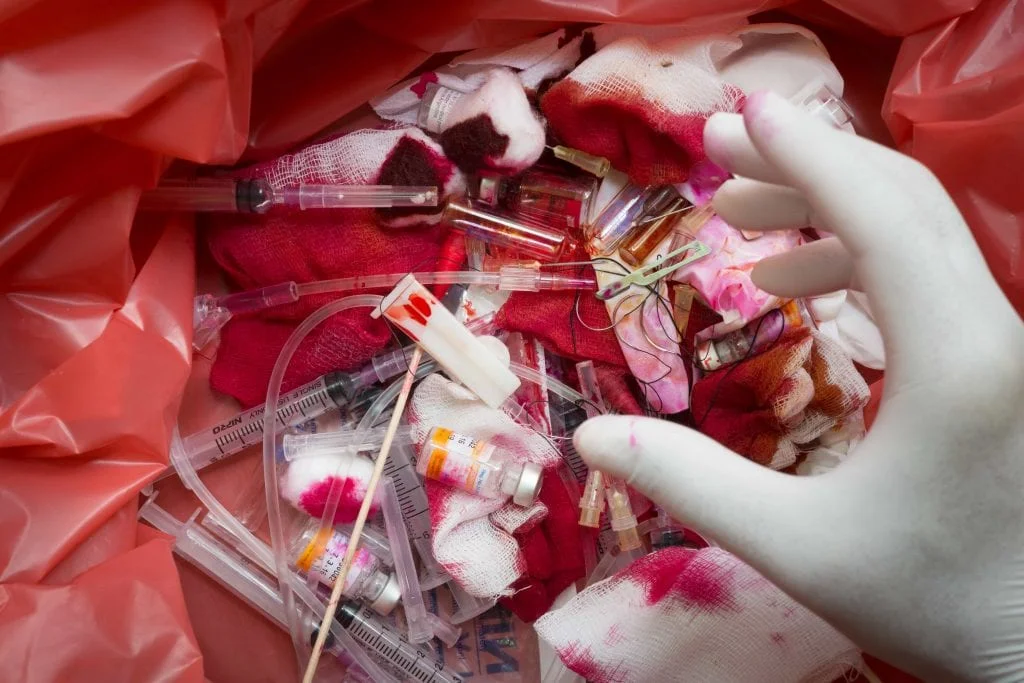
In this document we will outline practical strategies for managing other regulated waste emphasizing the importance of secure waste handling practices By adhering to these guidelines we can ensure safety and compliance with relevant regulations
Understanding Other Potentially Infectious Materials (OPIM) By Secure Waste
Other Potentially Infectious Materials, or OPIM for short, represent a crucial category outlined by the Occupational Safety and Health Administration (OSHA) that extends beyond blood to encompass various substances capable of harboring and transmitting infectious pathogens.
Understanding and effectively managing OPIM is crucial for ensuring workplace safety and establishing robust disposal protocols that protect all parties involved.
Examples of OPIM:
- Body Fluids: A diverse array of bodily fluids may pose significant health risks due to their potential to contain infectious agents. Key examples include:
- Semen and Vaginal Secretions: These fluids are prevalent in reproductive healthcare settings, where they can facilitate the transmission of sexually transmitted infections (STIs) such as HIV, gonorrhea, and chlamydia. The importance of meticulous handling and disposal protocols in these environments cannot be overstated.
- Cerebrospinal Fluid (CSF): This fluid surrounds the brain and spinal cord and is critical in neurological procedures. Contamination with CSF can introduce serious, potentially life-threatening pathogens such as bacteria and viruses, necessitating stringent safety protocols during its handling.
- Synovial fluid, found in joints, can harbor infectious agents that may adversely impact musculoskeletal health. After joint injuries or surgeries, the risk of infection increases, underscoring the importance of strict aseptic techniques.
- Pleural, Pericardial, and Peritoneal Fluids: These intracavitary fluids can harbor infectious pathogens, especially in critical care settings where patients are already compromised. Their management requires specialized techniques to minimize risks during sampling or drainage procedures.
- Amniotic Fluid: While critical for fetal health monitoring during pregnancy, amniotic fluid may become infectious if maternal infections are present, underscoring the need for vigilant monitoring and handling protocols during procedures like amniocentesis.
- Saliva: Particularly relevant in dental practices, saliva can act as a vector for viruses such as herpes simplex and hepatitis B. Additionally, any fluid that is visibly contaminated with blood must be handled with extreme caution to prevent occupational exposure for dental professionals.
- Tissues & Organs: This category encompasses unfixed human tissues or organs obtained from both living and deceased individuals, which may be rich in various pathogens, including:
- Surgical Specimens: Tissues removed during surgical procedures may carry infectious materials, necessitating strict handling protocols to ensure that healthcare workers are protected from potential exposure.
- Cadaveric Materials: Organs or tissues sourced from deceased individuals pose significant infectious risks for medical personnel. Proper protocols for handling, storage, and disposal are crucial in mitigating these risks.
- Laboratory Materials: A variety of biological samples and cultured materials fall into this category, including:
- Cultures and Samples Containing HIV or HBV: Particularly relevant in research environments, these materials represent high-risk exposure opportunities if not managed with appropriate safety measures.
- Culture Media: Commonly used to grow and analyze microorganisms, culture media can themselves become sources of infection if mishandled. Proper sterilization and disposal practices are critical.
- Infected Animal Tissues: In laboratories studying zoonotic diseases, infected animal tissues can transmit infections from animals to humans, necessitating stringent safety measures, including proper PPE and containment protocols.
Secure Waste Explains The Importance of Recognizing OPIM:
- Worker Protection: OSHA’s Bloodborne Pathogens Standard mandates that employers implement comprehensive safety measures to protect employees from the myriad risks associated with OPIM.
This includes providing thorough training on exposure risks, regulations, and the use of personal protective equipment (PPE), such as gloves and masks, as well as developing effective exposure control plans.
Awareness and understanding of these hazards are fundamental for creating a safer workplace environment.
- Hazard Management: The identification, management, and proper disposal of OPIM are critical in high-risk settings such as healthcare facilities, research laboratories, and emergency response units.
Adhering to appropriate handling protocols is crucial in minimizing exposure risks for healthcare workers and plays a vital role in controlling the spread of infectious diseases within the broader community.
By fostering greater awareness of OPIM and committing to strict safety protocols, organizations can not only provide a safer workspace for their employees but also significantly enhance public health by mitigating the risks associated with exposure to potentially infectious materials.
Proper Disposal of OPIMs: Ensuring Safety and Compliance
The safe management and disposal of Other Potentially Infectious Materials (OPIMs) is not just a recommended practice; it is a critical component of workplace safety and adherence to regulations.
These materials, which may include bodily fluids, human tissues, or culture media, pose considerable health hazards and require careful attention throughout the disposal process—from the moment they are generated until their final treatment.
Below are comprehensive best practices aimed at improving safety and compliance with regulations:
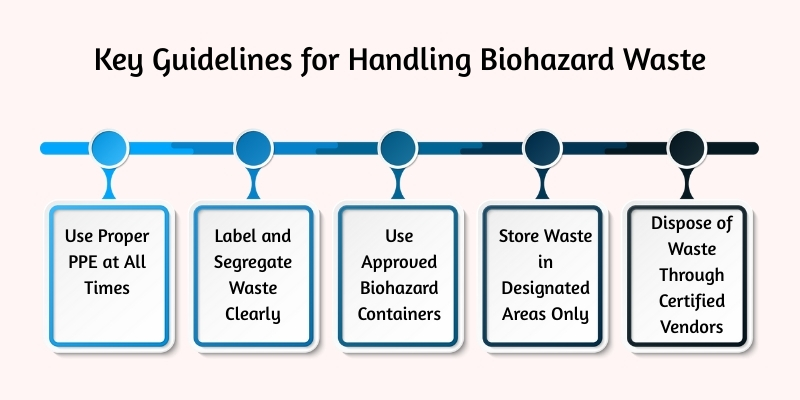
- Segregation at the Point of Generation
Immediately deposit OPIMs into bright red biohazard containers that are clearly marked with the biohazard symbol and labeled “Infectious Waste.”
This practice reduces the risk of accidental exposure and facilitates the prompt identification of hazardous waste. Ensure these containers are located in areas where OPIMs are generated, such as laboratories or treatment zones, to facilitate prompt disposal.
- Use of Approved Containers: Select containers that are sturdy and designed explicitly for handling hazardous materials.
These containers should be puncture-resistant (often made from strong materials like high-density polyethylene), leakproof, and securely sealed.
Regularly inspect them for any signs of wear or damage to prevent unintentional spills or leaks during handling, and replace them as needed.
- Proper Labeling: Follow strict labeling guidelines by prominently displaying the biohazard symbol, which is globally recognized as a warning for hazardous materials.
Furthermore, labels should contain descriptive information regarding the contents and handling instructions.
Please maintain documentation that tracks the type and quantity of OPIMs being disposed of to ensure compliance with local and federal regulations.
- Compliant Transport and Treatment: At Secure Waste, we emphasize responsible transportation and treatment of OPIMs.
We comply with strict standards set by the Occupational Safety and Health Administration (OSHA) and the Environmental Protection Agency (EPA). Employ effective treatment methods such as ozone treatment, autoclaving, or incineration, chosen based on the particular type of waste produced.
Ozone treatment utilizes its strong oxidative properties to decontaminate waste, while autoclaving employs high-pressure steam to sterilize materials.
Incineration eliminates OPIMs through combustion, reducing them to ash. Each method is designed to eradicate any potential risks associated with hazardous materials, ensuring safety at every stage.
By diligently following these procedures, organizations can significantly mitigate the risk of accidental exposure and ensure full compliance with OSHA and EPA standards, thereby promoting a safe and healthy work environment for all personnel.
Continuous training for staff on these protocols is also crucial, ensuring that everyone is aware and proactive in upholding safety standards.
In Conclusion:
OPIM waste impacts our workplaces, environments, and health. Understanding these hazards is crucial for protecting ourselves and others.
By identifying risks, we can develop strategies to mitigate their effects, fostering safe environments through shared responsibility. Regular risk assessments and training can help manage potential biohazard threats.
Staying informed and proactive is vital as new biological challenges arise. Together, we can prioritize health and safety, increase awareness, and promote responsible actions to create a healthier future for all!
Now that you have a more comprehensive understanding of OPIM disposal in relation to biological hazards, don’t hesitate to contact Secure Waste.
We provide reliable, compliant, and environmentally friendly medical waste disposal solutions tailored to your facility’s specific needs.
We have expertise in biomedical waste, hazardous waste, and Sharps container disposal. Additionally, we offer customized waste management plans, including secure collection and transportation, as well as sustainable disposal practices.
**Disclaimer** This information is provided for reference purposes only and should not be considered as legal advice or factual information at the time of your reading. Regulations frequently change and can vary from state to state. We encourage you to contact your local regulatory authorities or Secure Waste directly for the most current information. Please note that Secure Waste is not liable, in part or in whole, for any information contained on this page or website.
Expert Medical Waste Management: With over 25 years of industry experience, Secure Waste is a trusted local leader in hazardous and biohazardous waste disposal across Maryland, Virginia, and Washington, D.C. Specializing in medical waste management, sharps needle disposal, and biohazard waste removal, the company ensures full compliance with federal, state, and local regulations while prioritizing environmental sustainability.
The company also offers additional services, including secure document shredding and sharps container sales, providing comprehensive solutions for healthcare facilities and businesses. Our cost-effective services help clients maintain regulatory compliance without unexpected costs.
With a commitment to customer satisfaction, Secure Waste offers tailored waste management plans that align with industry best practices. Their team of experts provides reliable, timely, and compliant services, making them the preferred choice for medical waste disposal. For a free waste quote or more information, visit www.securewaste.net