How Proper Waste Disposal Protects Patients and Staff in Hospitals
As hospitals primarily focus on saving lives, medical waste disposal in hospitals is what truly keeps a community safe. Talking about that, clinical waste, which accounts for almost one-fifth of total healthcare waste, must be disposed of securely. Poor disposal practices don’t just lead to needle-stick injuries; they even threaten our air and water quality, putting staff and patients at risk of contracting life-threatening diseases.
To address this, we will explore strategies that keep the hospital on the right side of the law, environmentally responsible, and, most importantly, safe for those within its walls.
Hospital Waste Management Safety OverviewProper medical waste disposal is crucial to protect patients, healthcare workers, and the environment. Hospitals must segregate infectious, sharps, pharmaceutical, and chemical waste at the source using approved containers and color-coded systems. Staff training, secure storage, and partnering with certified disposal providers ensure regulatory compliance and reduce infection risks. Effective waste management prevents environmental contamination, lowers healthcare-associated infections, and enhances patient recovery, making hospitals safer and more responsible while maintaining public trust and operational efficiency. |
Why Proper Waste Disposal Is Critical In Hospitals?
Could you make sure the spread of infections is controlled?
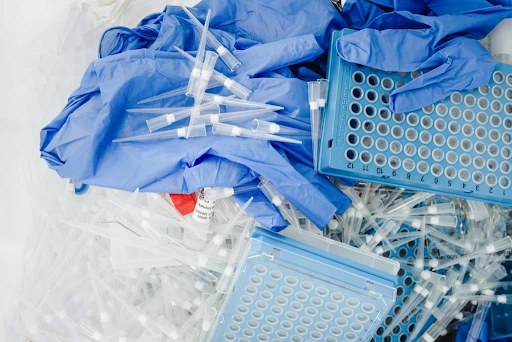
To prevent the spread of infection, it is important to separate waste and treat it when needed properly. If the bandages, syringes, tubes, and other used materials are left as they are without being properly disposed of. They can be mixed with normal trash and carry germs from one person to another, causing severe diseases like hepatitis B or C. When such waste is separated at the point of generation before it leaves the hospital, the risk of infection decreases significantly.
Reduction of Needle-Stick and Sharps Injuries
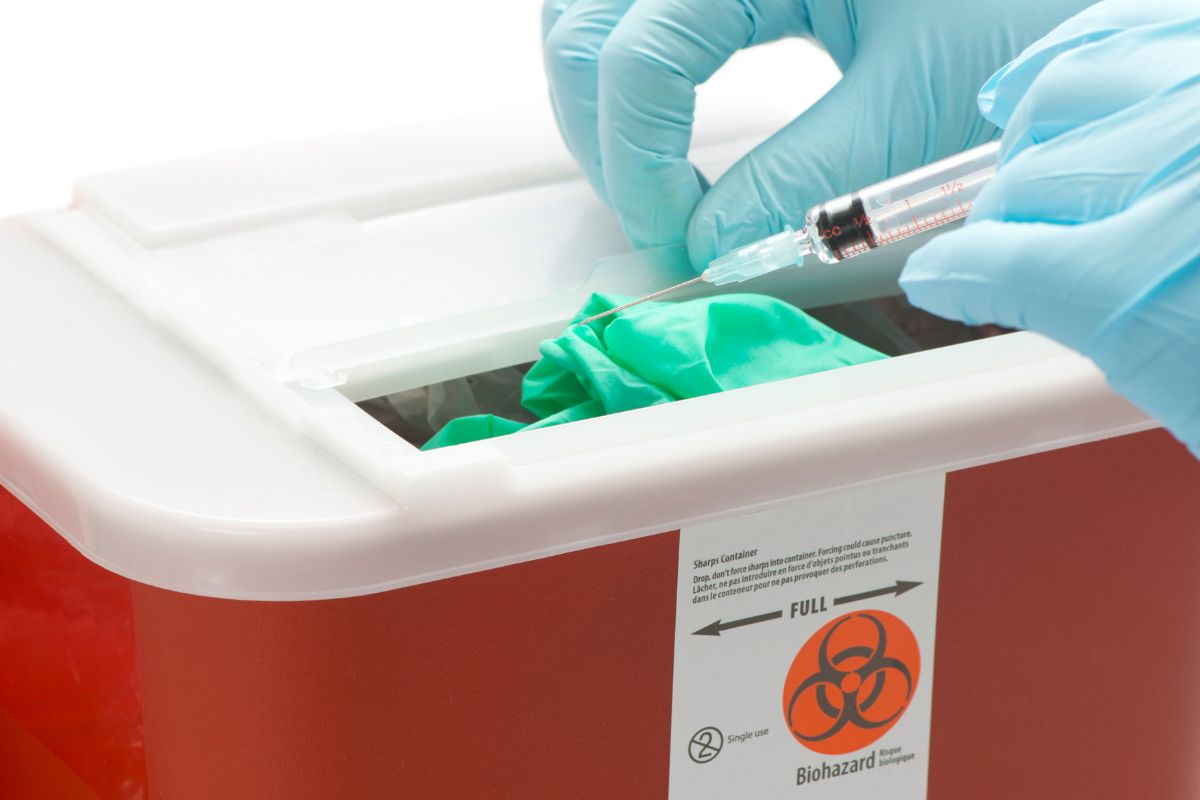
Used needles and blades are one of the biggest everyday risks. If they’re tossed into normal bags or left on trolleys, somebody will eventually get pricked or cut by mistake. One tiny jab from a contaminated needle can pass on serious bloodborne diseases. Putting sharps straight into hard, puncture‑proof boxes and implementing proper disposal measures in the health care waste management system make these accidents much less common.
Ensuring full regulatory compliance
In healthcare facilities, compliance isn’t just about OSHA and EPA regulations; it’s about safe waste handling. In other words, these regulatory guardrails protect a facility’s reputation, maintain its accreditation, and, most importantly, uphold public trust in healthcare services.
Managing Chemical and Drug Risks
Talking about the hospital bins, they always contain leftover medicines, lab chemicals, and strong cleaning liquids. These chemicals and drugs, if they come in direct contact with the people, can cause poisoning or burn the skin, which later shows up worse. To avoid this, real-time hospital medical waste management is needed. Clear labeling, separate containers, and safe final treatment mean staff don’t have to handle this kind of waste directly or guess what’s inside.
Enhancing Patient Recovery
Proper waste disposal contributes to a hospital’s reputation for safety and professionalism. In the U.S., patients are highly aware of hygiene standards, and visible cleanliness plays a key role in building trust. When hospitals maintain hazardous waste removal, it reassures patients that strict safety measures are in place, ultimately improving their confidence in the quality of care they receive.
Prevention of Environmental Contamination
When we came across improper disposal of medical waste, it led to contamination of air, water, and soil. This affects both hospital occupants and the surrounding communities. In this instance, incineration of waste without proper controls can release harmful pollutants, while improper disposal of liquids can contaminate water systems. The Environmental Protection Agency regulates medical waste disposal practices to minimize environmental impact. By complying with these regulations, hospitals help protect public health beyond their facilities.
How To Conduct A Compliant Waste Disposal In Hospitals?
Conducting compliant waste disposal in hospitals begins with an effective medical waste management system that includes:
-
Establishing a formal waste segregation plan
There are some federal regulations that hospitals must follow in their written plan documentation. This establishes segregation and storage protocols to ensure staff follow standardized procedures. Following these guidelines helps properly manage biohazards, reduce legal liability, and maintain hospital safety compliance.
-
Implement Point-of-Generation Segregation
First, it is essential to segregate waste at the point of generation. The mixing of medical waste categories includes infectious, sharps, pharmaceutical, and other general wastes. According to the World Health Organization, to prevent this mixing, color-coded containers are recommended. Doing this can prevent cross-contamination and ensure that only hazardous materials receive expensive, high-intensity specialized treatment.
- Use Approved Containers and Labeling Systems
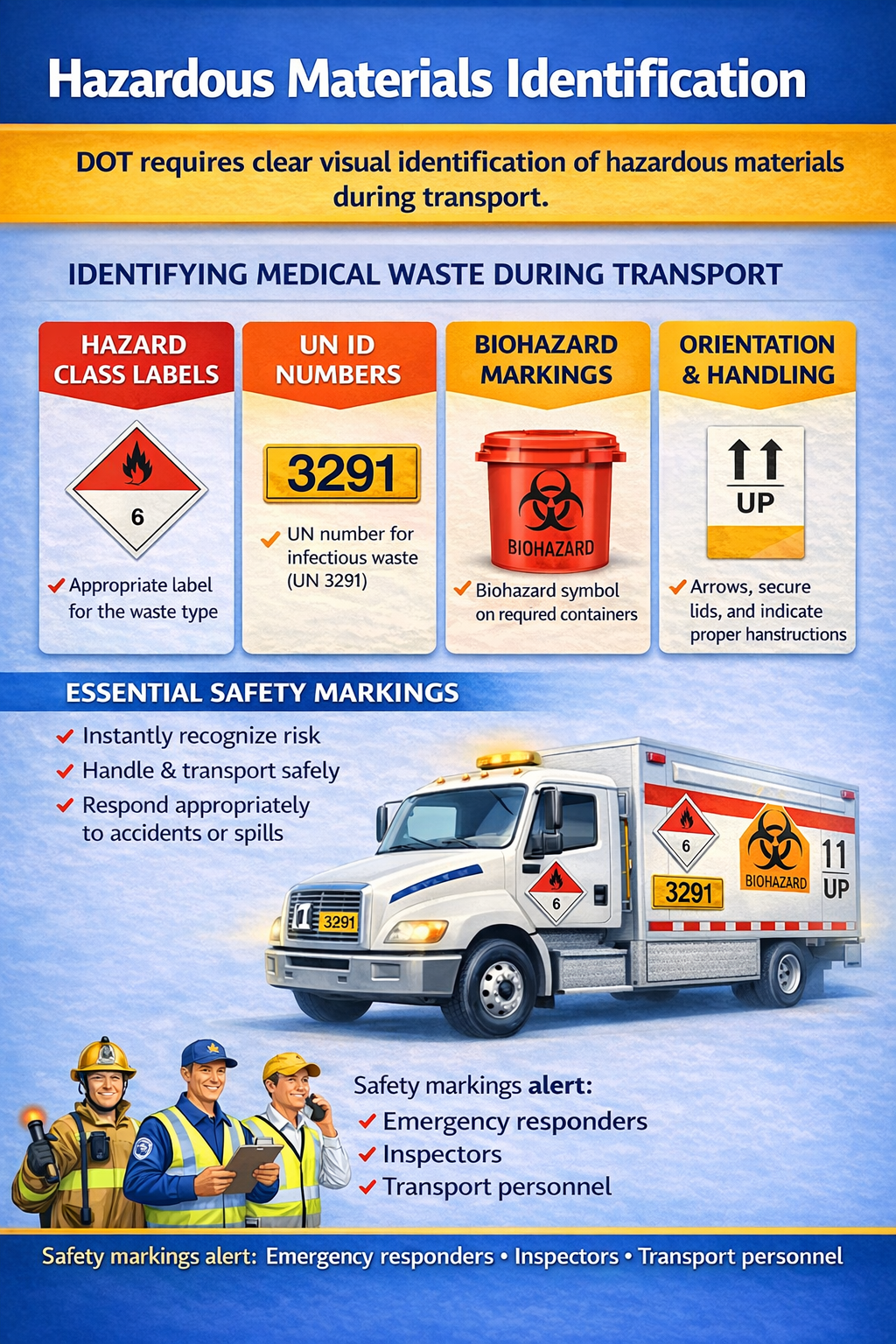
For regulated medical waste disposal, OSHA (Occupational Safety and Health Administration) mandates the use of leak-proof bags, puncture-resistant containers, and clearly labeled bins. For this, the red bags are used for biohazards, while the yellow containers generally contain chemotherapy waste. This provides visual cues and helps prevent exposure during handling and transport.
-
Regular Training Of The Healthcare Staff
The healthcare staff must receive regular training on waste classification, handling protocols, and emergency procedures. Following the Centers for Disease Control and Prevention’s detailed practices can align and reduce human error while maintaining compliance.
-
Ensure Safe Internal Collection And Storage
You can set up designated collection schedules and secure storage areas with restricted access, proper ventilation, and clear signage to prevent cross-contamination and unauthorized handling of hazardous medical waste within the facility.
-
Partner With Certified Waste Management Providers
It is essential to find a licensed medical partner to ease the handling of biomedical waste disposal. As the hospitals partner with certified medical waste disposal companies, they can ensure compliant handling, treatment, and disposal using industry-approved methods and regulatory expertise.
Once you partner with the licensed entity, your hospital prevents the waste from ending up in a municipal landfill, where it could leach into groundwater. These certified vendors follow EPA guidelines for biomedical waste disposal, ensuring the final byproduct is safe for the environment. This helps to protect the environment and maintain the hospital’s reputation within the community.
Conclusion
As you can see from this guide, hospital waste disposal is a critical safeguard for patient safety, staff safety, and environmental protection. To ease infectious waste management, partnering with a reliable medical waste disposal provider can strengthen these efforts. For hospitals looking to enhance safety and maintain compliance, Secure Waste offers reliable solutions to support efficient and compliant waste management practices. With industry expertise and sustainability as a long-term goal, our team helps healthcare facilities operate to maintain health and environmental quality.
Choose Secure Waste for cost-effective, compliant, and environmentally responsible waste management.
FAQ’s
How can we mention a waste item as “pathological” or “infectious” in a clinical setting?
In clinical practice, human tissues, organs, or body parts are called pathological waste, while materials contaminated with blood are infectious waste.
How can hospitals manage the disposal of radioactive isotopes used in oncology or imaging?
The radioactive isotopes need to decay before final disposal. So it must be stored in lead-shielded containers and held for decay.
How long can a hospital keep biohazardous waste sitting out before it needs to be refrigerated?
These bags are to be picked up or refrigerated within 24 to 72 hours, to prevent germs from growing and bad smells.
How does a “waste stream audit” actually save a hospital money on its yearly budget?
These audits catch instances where staff toss regular trash into expensive red biohazard bags, helping the hospital stop paying premium prices to treat basic garbage.
What’s the best way to get rid of old mercury equipment like blood pressure cuffs?
Since mercury is a toxic metal, you can’t just toss it in the medical bin; it needs to be sealed in airtight containers and sent to a specialist recycler to prevent vapors from entering the air.
Expert Medical Waste Management: With over 25 years of industry experience, Secure Waste is a trusted local leader in hazardous and biohazardous waste disposal across Maryland, Virginia, and Washington, D.C. Specializing in medical waste management, sharps needle disposal, and biohazard waste removal, the company ensures full compliance with federal, state, and local regulations while prioritizing environmental sustainability.
The company also offers additional services, including secure document shredding and sharps container sales, providing comprehensive solutions for healthcare facilities and businesses. Our cost-effective services help clients maintain regulatory compliance without unexpected costs.
With a commitment to customer satisfaction, Secure Waste offers tailored waste management plans that align with industry best practices. Their team of experts provides reliable, timely, and compliant services, making them the preferred choice for medical waste disposal. For a free waste quote or more information, visit www.securewaste.net