Pharmaceuticals Waste Management In Healthcare | Subpart P
Secure Waste: Explore the essential strategies healthcare facilities can implement to effectively manage pharmaceutical waste in accordance with EPA Subpart P regulations.
This includes understanding the processes for waste determinations to categorize pharmaceutical waste correctly, recognizing prohibitions on sewerage of certain substances, and specifically addressing the handling of controlled substances.
Additionally, it is crucial to be aware of the EPA’s compliance requirements to ensure proper disposal practices, maintain environmental safety, and mitigate potential legal risks. By adhering to these guidelines, healthcare facilities can minimize the impact of pharmaceutical waste on public health and the environment.
Healthcare Facilities: Managing Pharmaceutical Waste
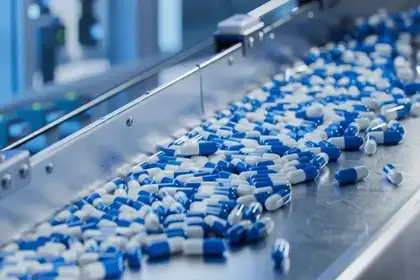
Healthcare facilities generate a wide range of pharmaceutical waste, including expired medications, partially used vials, contaminated packaging, and residues. Proper management of this waste is not just a regulatory obligation—it is essential for protecting public health, safeguarding the environment, and reducing liability risks.
In September 2022, the U.S. Environmental Protection Agency (EPA) released updates to its 10-Step Blueprint for Managing Pharmaceutical Waste in U.S. Healthcare Facilities. The Blueprint provides a simplified overview of hazardous waste pharmaceutical regulations under the Resource Conservation and Recovery Act (RCRA) Subpart P, along with related federal requirements. While the Blueprint offers helpful guidance, healthcare facilities must carefully cross-reference it with federal regulations, state-specific rules, and internal compliance policies.
Understanding Waste Determinations
The first and most critical step in pharmaceutical waste management is conducting a proper waste determination. Every healthcare generator must evaluate whether pharmaceutical waste is hazardous or non-hazardous and whether it qualifies as a controlled substance.
A waste determination requires facilities to assess:
- Whether the pharmaceutical is listed or characteristic hazardous waste
• Whether it is a controlled substance regulated by the Drug Enforcement Administration (DEA)
• Whether additional state-specific classifications apply
• Whether the waste vendor accepts the specific material
Facilities must document this evaluation and ensure that personnel are trained to recognize different waste categories. Failing to conduct accurate determinations can result in improper disposal and potential enforcement action.
Subpart P and the Nicotine Exemption
RCRA Subpart P establishes standards for managing hazardous waste pharmaceuticals generated by healthcare facilities. In states that have adopted Subpart P, compliance is mandatory for Small Quantity Generators (SQGs) and Large Quantity Generators (LQGs). Very Small Quantity Generators (VSQGs) are not required to comply but may choose to opt in.
Facilities that are required to follow Subpart P must submit EPA Form 8700-12 to notify regulators of their hazardous waste activities. Healthcare leaders should verify whether their state has adopted Subpart P and confirm whether the optional Nicotine Exemption applies, as state adoption varies.
Regardless of the generator’s status, all facilities must comply with the Subpart P sewer ban. This rule strictly prohibits the disposal of hazardous waste pharmaceuticals down sinks, drains, or toilets. The EPA further recommends discontinuing the disposal of all pharmaceutical waste, even if it does not meet the RCRA hazardous waste definition. Eliminating drain disposal reduces environmental contamination and supports long-term sustainability efforts.
Managing Empty Containers and Residues
Under Subpart P, empty containers that once held hazardous waste pharmaceuticals may not require hazardous waste management if they have been emptied using standard practices appropriate for the container type. Examples include:
- Removing all pills from packaging
• Fully depressing a syringe plunger
• Completely administering IV bags
However, facilities must review all relevant regulations, as some states impose additional requirements. Proper documentation and staff training remain essential to avoid misclassification.
Controlled Substances and Overlapping Regulations
Pharmaceutical waste management becomes more complex when controlled substances are involved. The DEA regulates controlled substances, including their storage, recordkeeping, and destruction. Some pharmaceutical wastes are both hazardous under EPA rules and controlled under DEA schedules.
In addition to EPA and DEA oversight, facilities may also be regulated by:
- State Boards of Pharmacy
• The U.S. Department of Transportation (DOT) for transportation
• Treatment and disposal facility permitting authorities
Subpart P provides a conditional exemption for hazardous waste pharmaceuticals that are also controlled substances. If certain conditions are met—specifically that the material is collected, stored, transported, destroyed, and disposed of in full compliance with DEA regulations—the waste may not need to be managed separately as hazardous waste. However, this exemption does not eliminate DOT requirements or treatment facility compliance obligations.
Healthcare organizations must coordinate with compliance officers, legal counsel, and waste vendors to ensure alignment across regulatory frameworks.
Generator Categories: LQG, SQG, and VSQG
Healthcare facilities are categorized based on the amount of hazardous waste they generate each month. Generator status determines applicable requirements and reporting obligations.
- Large Quantity Generator (LQG): Generates 1,000 kg or more of hazardous waste per month
• Small Quantity Generator (SQG): Generates more than 100 kg but less than 1,000 kg per month
• Very Small Quantity Generator (VSQG): Generates 100 kg or less per month
Facilities should routinely evaluate their generator category because fluctuations in waste volume can change compliance obligations. Misidentifying generator status can lead to regulatory penalties.
Best Practices for Pharmaceutical Waste Compliance
To strengthen pharmaceutical waste management programs, healthcare facilities should:
- Conduct routine waste determinations and audits
• Eliminate drain disposal practices
• Train staff on hazardous and controlled substance distinctions
• Maintain thorough documentation and tracking
• Coordinate with licensed waste vendors
• Monitor regulatory updates at both federal and state levels
Because pharmaceutical regulations frequently evolve, compliance programs must be proactive rather than reactive. Annual reviews and policy updates help minimize risk.
Frequently Asked Questions
What is pharmaceutical waste?
Pharmaceutical waste includes expired, unused, contaminated, or partially used medications and related materials that must be disposed of in accordance with regulatory requirements.
Who regulates pharmaceutical waste?
The EPA may regulate pharmaceutical waste under RCRA, the DEA for controlled substances, DOT for transportation, and state environmental and pharmacy authorities.
How do I know if my state has adopted Subpart P?
Facilities should consult state environmental agencies or review state regulatory codes to confirm adoption status and any additional requirements.
How do I determine my generator category?
Generator status is based on the total amount of hazardous waste produced each calendar month. Facilities should consistently track volumes and regularly evaluate thresholds.
Proper pharmaceutical waste management requires careful coordination across regulatory agencies and operational departments. By implementing structured compliance programs and partnering with knowledgeable waste management providers, healthcare facilities can reduce environmental impact, avoid enforcement action, and protect public health.
In Conclusion:
Secure Waste will save you money on biomedical waste disposal. We understand these hazards. Staying informed and proactive is vital as new biological challenges arise. Together, we can prioritize health and safety, increase awareness, and promote responsible actions to create a healthier future for all! We provide reliable, compliant, and environmentally friendly biomedical waste disposal solutions tailored to your facility’s specific needs.
Please feel free to contact us today to ask for a complimentary “waste assessment or to get a quote online. https://www.securewaste.net/biohazard-waste-quote/
Disclaimer: This information is provided for reference purposes only and should not be considered as legal advice or factual information at the time of your reading. Regulations frequently change and can vary from state to state. We encourage you to contact your local regulatory authorities or Secure Waste directly for the most current information. Please note that Secure Waste is not liable, in part or in whole, for any information contained on this page or website.
Expert Medical Waste Management: With over 25 years of industry experience, Secure Waste is a trusted local leader in hazardous and biohazardous waste disposal across Maryland, Virginia, and Washington, D.C. Specializing in medical waste management, sharps needle disposal, and biohazard waste removal, the company ensures full compliance with federal, state, and local regulations while prioritizing environmental sustainability.
The company also offers additional services, including secure document shredding and sharps container sales, providing comprehensive solutions for healthcare facilities and businesses. Our cost-effective services help clients maintain regulatory compliance without unexpected costs.
With a commitment to customer satisfaction, Secure Waste offers tailored waste management plans that align with industry best practices. Their team of experts provides reliable, timely, and compliant services, making them the preferred choice for medical waste disposal. For a free waste quote or more information, visit www.securewaste.net