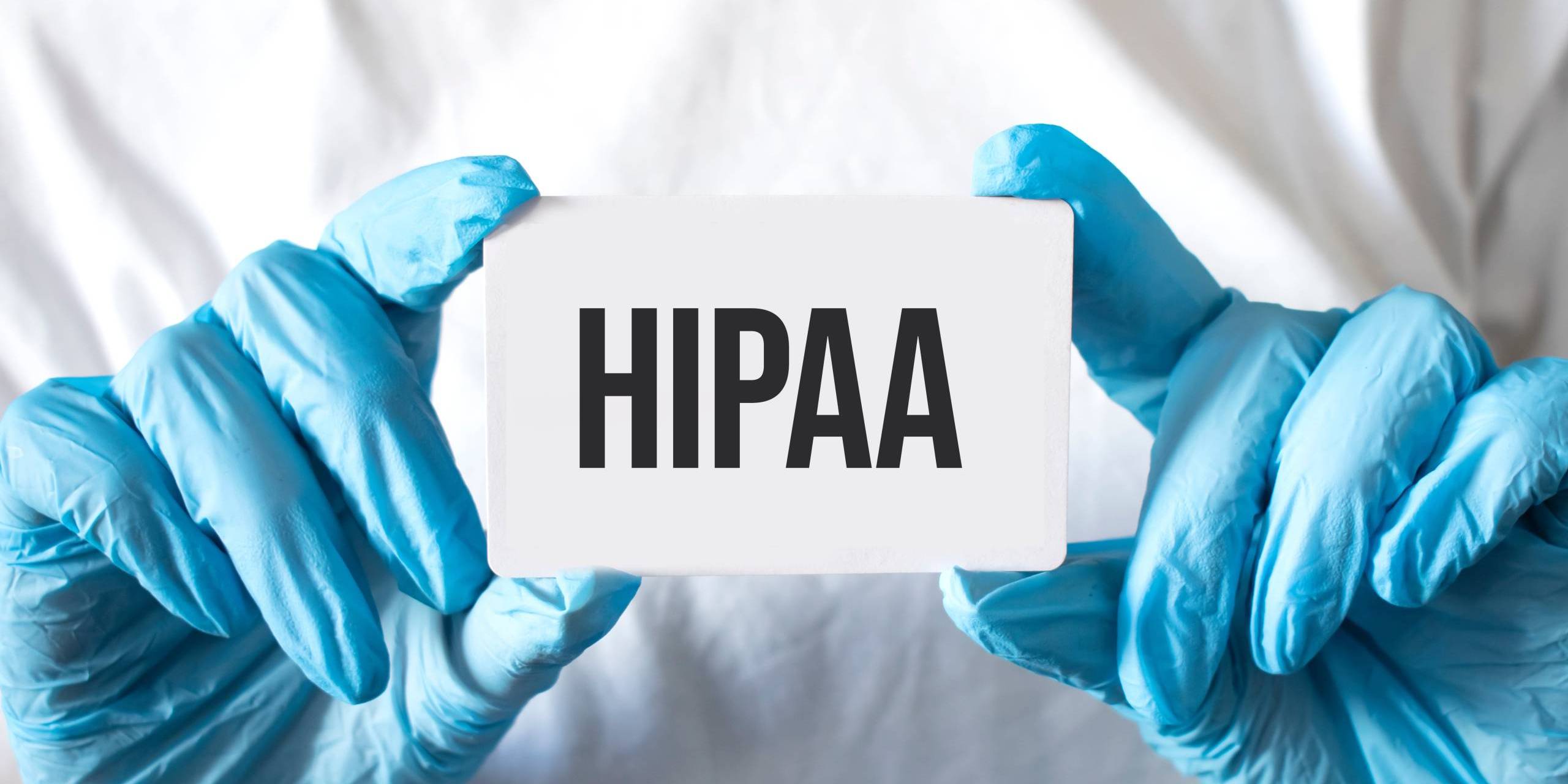
This Spring, Secure Waste provides a guide on refreshing your HIPAA compliance program using a modern, practical approach. This resource aims to help healthcare organizations enhance privacy, minimize risks, and improve security, especially as patient information becomes more digital.
Welcome to Secure Waste, the premier provider of medical waste disposal and healthcare waste management services in Maryland, Washington D.C., and Virginia.
At Secure Waste, we are committed to ensuring the safe, compliant disposal of medical waste, and we would like to share valuable insights we’ve gathered on HIPAA compliance.
Understanding the importance of protecting patient information is crucial for all healthcare providers, and we aim to help our clients navigate these regulations effectively.
If you need reliable, local medical waste disposal services in the DMV area, please don’t hesitate to contact us today for more information on how we can help.
Spring Cleaning Your HIPAA Compliance Strategy
When HIPAA first became law in 1996, healthcare looked nothing like it does today. Most records were still on paper, digital systems were basic, and data rarely moved outside a single organization. Fax machines and physical mail were the primary ways information traveled, and the idea of a nationwide cyber threat was barely a concept. Fast forward to today, and the health care landscape is transformed. Electronic health records are standard, clinical teams rely on cloud-based tools, patients access portals from smartphones, and nearly every workflow involves digital communication. With this shift comes a massive responsibility to reassess how protected health information is stored, shared, transmitted, and secured.
Even if your facility already has established HIPAA policies, the question is simple. When was the last time those policies were fully reviewed, updated, pressure-tested, or aligned with modern risks? Too many organizations rely on outdated playbooks written for a different era. As digital systems evolve, threats accelerate, and information exchange expands, healthcare organizations must refresh their compliance strategy with the same energy they devote to spring cleaning. It’s not just an exercise in tidying up policies. It is a critical step toward keeping patients safe, protecting organizational reputation, and maintaining full legal compliance.
A modern HIPAA refresh takes a comprehensive view of your systems. It examines how information flows, where vulnerabilities exist, how technology has changed, what staff understand, and where safeguards may be outdated. It requires collaboration, planning, and a deeper understanding of how HIPAA applies across different clinical and administrative environments. When done correctly, this process strengthens privacy, increases operational clarity, and lowers risk across the organization.
I think that refreshing your program starts with a clear look at your current foundation.
Assess the Current State of Your HIPAA Compliance
A strong compliance refresh begins with understanding exactly how protected health information is managed today. Many organizations assume they already know how PHI moves through their systems, but workflows evolve rapidly. Teams introduce new communication habits, software tools, devices, and external partners. Without routine evaluation, organizations may overlook security gaps that quietly emerge over time.
You can begin by mapping every channel where patient information exists. Could you show how PHI is exchanged internally between departments, where it is stored, who has access to it, and how it flows outside the organization to vendors, payers, laboratories, consultants, and business associates? Review every communication method used by staff, including email, text messages, patient portals, internal messaging systems, and cloud-based tools. Many organizations discover that these workflows have changed significantly since their last review, especially as digital health and remote work have expanded.
Could you create a detailed inventory or matrix that tracks each communication method and assesses its security? This visual layout helps expose hidden vulnerabilities. You may find that some departments use informal channels that were never added to your official HIPAA policies. Others may have adopted new tools without proper evaluation. These discoveries are exactly why a full assessment is essential.
A proper assessment digs deep. It identifies whether encryption is used consistently, whether secure authentication is required, whether physical records are stored properly, whether fax machines or printers present risks, and whether access controls are updated when staff roles change. The more precise the review, the easier it becomes to identify every gap, workflow weakness, or outdated practice.
This is one of the most valuable steps in refreshing your HIPAA compliance program. Once the landscape is clear, you can begin planning improvements.
Pull a Team Together to Think Through HIPAA Compliance Strategies
A strong compliance framework is never built in isolation. Pulling together a cross-functional team ensures that every part of the organization is represented. This group should include clinical leaders, administrative staff, compliance specialists, IT and cybersecurity personnel, privacy officers, and operational stakeholders. Each group brings a different perspective, and together, they create a complete picture of how information moves and where risks appear.
This team evaluates potential weaknesses, recommends new controls, and ensures that updated HIPAA strategies meet practical needs at the point of use. Policies alone are not enough. Compliance requires alignment between written rules and daily workflows. Including multiple stakeholders creates realistic solutions that integrate smoothly rather than disrupting clinical operations.
As the team reviews gaps, they should consider administrative safeguards such as revised policies, new approval processes, or clearer documentation standards. They should evaluate physical safeguards, including locked file cabinets, secure rooms, workstation placement, badge access, and proper disposal of paper records. Technical safeguards require special attention, including automated encryption, secure messaging technologies, updated firewalls, access controls, and monitoring tools that detect suspicious activity.
Bringing in a HIPAA expert, such as Stericycle, provides additional clarity. An external specialist understands the full breadth of HIPAA requirements, common risks, real-world examples, and the types of solutions that work best for different healthcare environments. This guidance helps refine your strategy and ensures your program aligns with industry expectations and modern security standards.
When this team works together, the organization gains a strong foundation of shared understanding and a clearer roadmap to compliance.
The Importance of Understanding HIPAA Guidelines Clearly
As healthcare delivery becomes more connected, the movement of patient information becomes essential to care coordination. Value-based models rely on efficient information exchange between providers, laboratories, specialists, and third-party partners. But if staff misunderstand HIPAA rules, they may become overly restrictive, blocking the flow of information necessary for patient care. On the other hand, misinterpretation can also lead to oversharing or insecure practices that jeopardize compliance.
HIPAA is often misunderstood. Some believe certain disclosures are prohibited when they are actually allowed. Others assume certain exchanges are safe when they require additional safeguards. Clarity is critical. Healthcare organizations must not only comply with HIPAA rules but also fully understand which information can be shared, when, and how to share it securely.
Misunderstanding HIPAA can lead to two major problems. Excessive caution may delay care, frustrate staff, and create unnecessary administrative barriers. On the opposite end, unintentional permissiveness can lead to breaches, penalties, and reputational harm. The balance is understanding HIPAA accurately and applying it with confidence.
A refreshed compliance program ensures clarity. It ensures that all employees, from clinicians to front desk staff to IT, understand what HIPAA truly requires. It provides training focused on real-world scenarios, clear examples, and easy-to-follow guidelines that support efficient, secure communication.
HIPAA is not meant to hinder care. When properly understood, it enables organizations to share the right information at the right time, protecting patient privacy while supporting clinical efficiency.
Why Refreshing Your HIPAA Program Matters More Than Ever
A modern HIPAA refresh is not simply about reviewing old documents. It is about ensuring your organization is equipped to handle current and future challenges. Healthcare today faces unprecedented threats. Cyberattacks are more refined. Ransomware incidents continue to rise. Patient data is one of the most valuable forms of information targeted by criminals. A single vulnerability can expose thousands of records and result in high financial penalties, operational disruption, legal complications, and a loss of patient trust.
At the same time, regulatory expectations continue to evolve. The introduction of new technologies, increased patient expectations around digital access, and broader interoperability initiatives create new responsibilities for healthcare organizations. Each change introduces potential risks if policies do not keep pace.
By refreshing your HIPAA compliance program, you ensure your organization is resilient, prepared, and aligned with modern security expectations. You reduce risks before breaches occur. You strengthen the culture of privacy. And you create a path for secure, efficient operations that support both staff and patients.
How Stericycle Supports Your HIPAA Compliance Efforts
Navigating HIPAA alone can be overwhelming. The regulations are highly detailed, and applying them to the complexity of real-world clinical operations can be challenging. That is where Stericycle makes a meaningful difference. Stericycle provides guidance that simplifies compliance while reinforcing strong privacy practices, security protections, and operational workflows.
Stericycle supports organizations by offering insights into what HIPAA requires, what common vulnerability patterns look like, and how to address them with practical solutions. Their experience helps organizations understand not only the letter of the law but also the realities of maintaining compliance in busy healthcare settings. They offer structured assessments, targeted training, compliance tools, and guidance that help organizations navigate risks and implement stronger safeguards.
For organizations preparing to refresh their programs, partnering with an expert ensures no critical element is overlooked. With Stericycle’s support, healthcare facilities can confidently and efficiently modernize their HIPAA strategies.
Conclusion
HIPAA compliance is never “complete.” It requires ongoing attention, periodic updates, and full alignment with modern healthcare realities. As the digital landscape evolves, so do the risks associated with protecting patient information. A thorough refresh of your HIPAA compliance program strengthens your ability to safeguard PHI, reduce vulnerabilities, and maintain operational efficiency across your organization.
By assessing your current processes, involving a knowledgeable, cross-functional team, clearly understanding HIPAA guidelines, and partnering with trusted experts like Stericycle, your organization can build a modern compliance strategy that supports secure, effective patient care.
If you’re ready to strengthen your HIPAA compliance and refresh your approach for today’s digital healthcare landscape, Stericycle can help you take the next step with confidence.
Expert Medical Waste Management: With over 25 years of industry experience, Secure Waste is a trusted local leader in hazardous and biohazardous waste disposal across Maryland, Virginia, and Washington, D.C. Specializing in medical waste management, sharps needle disposal, and biohazard waste removal, the company ensures full compliance with federal, state, and local regulations while prioritizing environmental sustainability.
The company also offers additional services, including secure document shredding and sharps container sales, providing comprehensive solutions for healthcare facilities and businesses. Our cost-effective services help clients maintain regulatory compliance without unexpected costs.
With a commitment to customer satisfaction, Secure Waste offers tailored waste management plans that align with industry best practices. Their team of experts provides reliable, timely, and compliant services, making them the preferred choice for medical waste disposal. For a free waste quote or more information, visit www.securewaste.net