
How To Dispose Of IV Tubing In Healthcare: Expert Solutions From Secure Waste, A Leader In Healthcare Waste Management
Secure Waste frequently receives inquiries about the proper disposal of IV tubing, a topic often overlooked in the realm of regulated medical waste disposal.
While many healthcare providers primarily focus on more obvious items such as sharps, needles, and gloves when considering medical waste, it is crucial to recognize that various miscellaneous items, including IV tubing, may also be classified as medical waste under specific conditions.
The classification largely depends on the exposure risk associated with the tubing. If an IV setup has been established but no fluids or medications have passed through the tubing, it is generally not considered medical waste.
However, if this tubing has been used to administer medications, blood products, secretions, or has come into contact with any potential pathogens, it qualifies as infectious medical waste. This distinction is crucial because the improper disposal of contagious materials can pose significant health risks to sanitation workers and the general public.
To ensure compliance with regulations and safe practices, healthcare providers and facilities should consult with their local medical waste disposal companies as well as state and federal waste management regulators.
They can provide specific guidelines on proper disposal methods, including the use of designated biohazard containers and the protocols for handling and transporting such waste.
Additionally, healthcare facilities may benefit from training staff on waste classification to reduce the likelihood of mishandling potentially hazardous materials.
In summary, while IV tubing may not always be treated as medical waste, careful consideration and proper assessment of its usage are essential to ensure safe and compliant disposal.
Secure Waste Provides A More Detailed Explanation On IV Tubing Disposal
When disposing of used IV tubing without needles, it is generally acceptable to place it in your non-regulated waste stream, provided that it has been thoroughly drained of liquids and does not contain any hazardous medications or other substances that could be harmful.
However, there are crucial exceptions to consider. If the tubing has been used with certain drugs or is categorized as regulated medical waste—often defined by local health regulations—you will need to take additional precautions by using a designated biohazard bag or contacting a medical waste disposal service for safe handling.
Disposal Options for Used IV Tubing
- Regular Trash: If the IV tubing is entirely free of any liquids—meaning that it has been fully drained and rinsed, if necessary—and does not have any medications classified as hazardous, you can dispose of it in your regular household waste. It’s recommended to ensure that the tubing is cut into smaller pieces to prevent potential risk during garbage handling.
- Biohazard Bag: In cases where the IV tubing has come into contact with blood or other bodily fluids, it is classified as infectious waste. For such items, always use a red biohazard bag designed to contain and isolate potentially harmful materials. Please ensure that the bag is securely tied and clearly labeled to indicate its contents.
- Professional Medical Waste Service: In certain regions, specialized services are available for the safe disposal of medical waste, catering to both individuals and healthcare facilities. These services ensure that waste is processed and disposed of in accordance with environmental guidelines. It’s advisable to inquire about local services in your area to determine their policies, pricing, and any specific preparation requirements before disposal.
Disposal for Unused IV Tubing and Medications
- Unused Medication: It is crucial to avoid flushing unused medications down the toilet or pouring them down the drain, as this can lead to environmental contamination and harm to aquatic life. Instead, I’d like you to please seek out local drug take-back programs, which typically offer secure and responsible methods for disposing of unused medications. Community pharmacies may also participate in these programs or have designated bins available for safe disposal of drugs.
- Unused Supplies: Unused IV supplies, like tubing or sterile equipment, may also be accepted for disposal by a medical waste disposal service. Before disposal, always check in advance to confirm their specific policies, as some might accept donations of unused medical supplies to support underserved communities or healthcare facilities.
Important Considerations
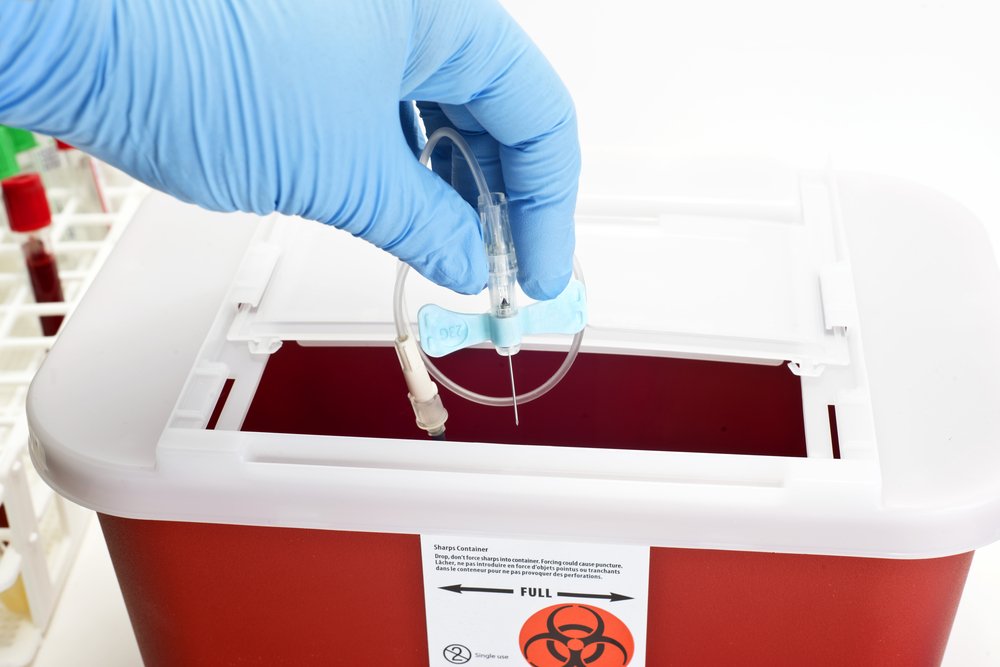
Needles: Always prioritize your safety by disposing of any used needles in a designated sharps container, which is specifically designed to prevent injury and cross-contamination.
These containers should be disposed of in accordance with local regulations, typically through a medical waste service.
Local Regulations: It’s critical to stay informed about the specific regulations concerning medical waste disposal in your area, as these can vary significantly.
Please contact your local health department or waste management authority to ensure you are following the correct guidelines and to avoid potential penalties.
By adhering to these disposal recommendations, you contribute to a safer environment and promote public health, ultimately helping to mitigate risks associated with improper disposal practices.
In Conclusion:
Biohazard waste impacts our workplaces, environments, and health. Understanding these hazards is crucial for protecting ourselves and others.
This article defines biological hazards, provides examples such as bloodborne pathogens and stinging insects, and outlines control measures, including proper waste management, the use of personal protective equipment, and education.
By identifying risks, we can develop strategies to mitigate their effects, fostering safe environments through shared responsibility. Regular risk assessments and training can help manage potential biohazard threats.
Staying informed and proactive is vital as new biological challenges arise. Together, we can prioritize health and safety, increase awareness, and promote responsible actions to create a healthier future for all!
Now that you have a more comprehensive understanding of used IV tubing in relation to biological hazards, don’t hesitate to contact Secure Waste.
We provide reliable, compliant, and environmentally friendly medical waste disposal solutions tailored to your facility’s specific needs.
We have expertise in biomedical waste, hazardous waste, and Sharps container disposal. Additionally, we offer customized waste management plans, including secure collection and transportation, as well as sustainable disposal practices.
**Disclaimer** This information is provided for reference purposes only and should not be considered as legal advice or factual information at the time of your reading. Regulations frequently change and can vary from state to state. We encourage you to contact your local regulatory authorities or Secure Waste directly for the most current information. Please note that Secure Waste is not liable, in part or in whole, for any information contained on this page or website
Expert Medical Waste Management: With over 25 years of industry experience, Secure Waste is a trusted local leader in hazardous and biohazardous waste disposal across Maryland, Virginia, and Washington, D.C. Specializing in medical waste management, sharps needle disposal, and biohazard waste removal, the company ensures full compliance with federal, state, and local regulations while prioritizing environmental sustainability.
The company also offers additional services, including secure document shredding and sharps container sales, providing comprehensive solutions for healthcare facilities and businesses. Our cost-effective services help clients maintain regulatory compliance without unexpected costs.
With a commitment to customer satisfaction, Secure Waste offers tailored waste management plans that align with industry best practices. Their team of experts provides reliable, timely, and compliant services, making them the preferred choice for medical waste disposal. For a free waste quote or more information, visit www.securewaste.net