What Is Recycling And Why Is It Important? Expert Solutions From Secure Waste
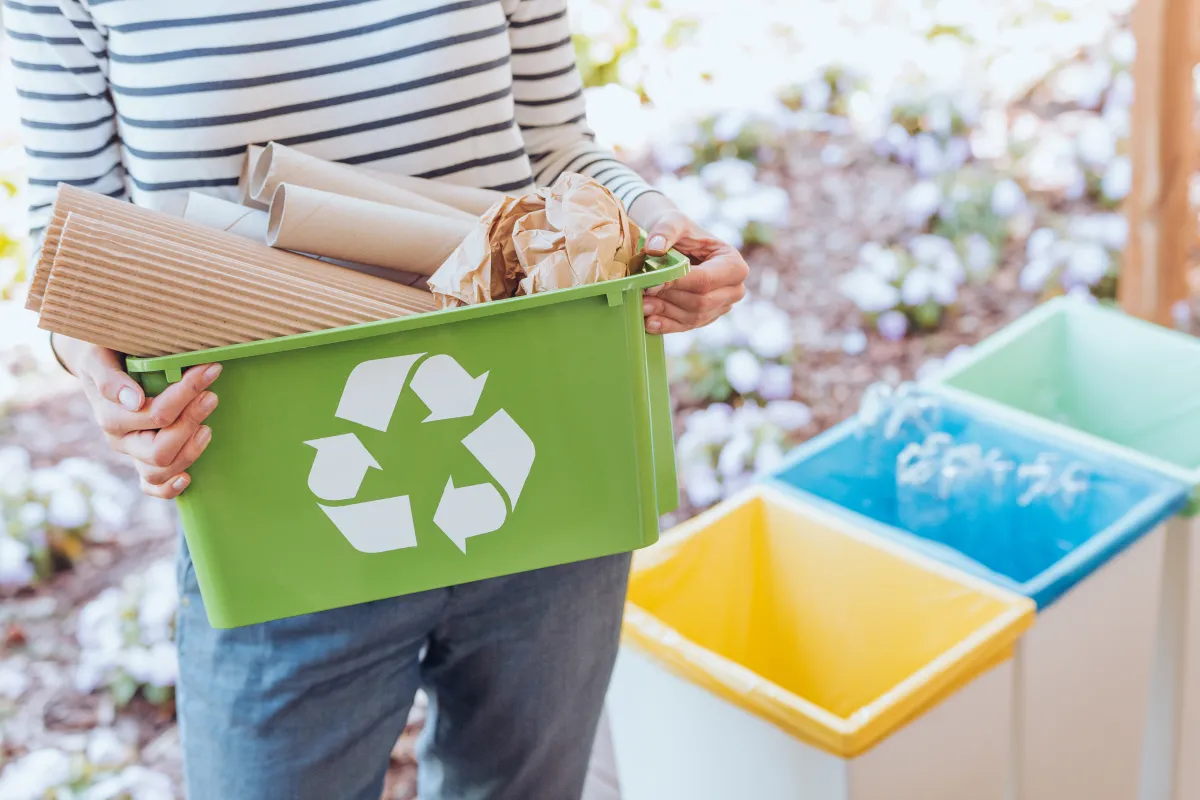
Secure Waste Solutions explains recycling is an essential and multifaceted process that involves the organized collection, sorting, and transformation of discarded materials—such as plastics, paper, glass, and metals—into new, viable products.
This practice is pivotal in mitigating waste and conserving natural resources by advocating a circular approach to material use, where products do not simply end up in landfills after their initial utility is exhausted.
By actively engaging in recycling, individuals and communities take a significant step towards reducing the environmental impact associated with the extraction, processing, and disposal of raw materials.
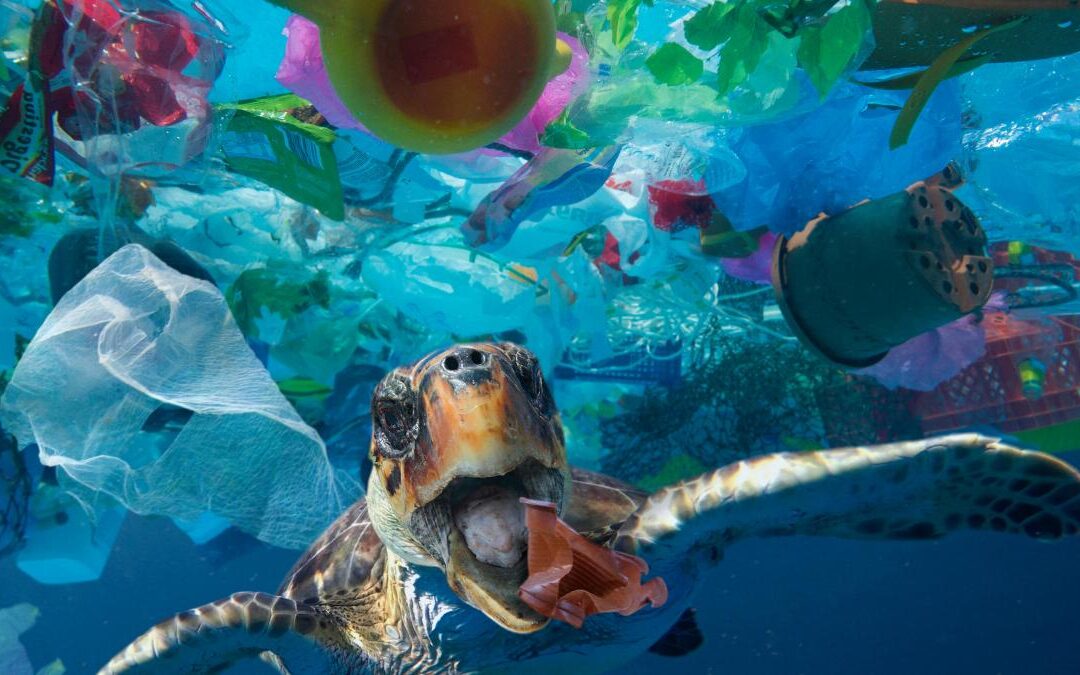
The advantages of recycling go beyond mere environmental considerations; it also plays a crucial role in conserving energy, reducing pollution, and significantly lowering the volume of waste that accumulates in landfills, which is essential for preserving healthier ecosystems and promoting biodiversity.
Welcome to Secure Waste, your trusted local leader in waste management, disposal, and recycling services in the DMV (District of Columbia, Maryland, Virginia) area.
With a proud legacy spanning over 30 years in the industry, Secure Waste has developed a comprehensive expertise in delivering compliant, efficient waste management solutions tailored to the unique needs of our diverse clientele across Maryland, Washington, D.C., and Virginia.
Our primary focus is healthcare waste management and disposal, where we specialize in the careful handling of biohazardous materials, sharps, and other hazardous waste.
We understand the critical importance of maintaining safety and compliance in this sector, ensuring that all materials are processed in accordance with strict regulatory standards to protect public health and the environment.
Today, we would like to invite you to think about standard recycling practices. Recycling is not merely about reusing materials; it is a cornerstone of environmental stewardship that plays a crucial role in reducing our ecological footprint.
By implementing effective recycling strategies, we can significantly reduce landfill waste, conserve valuable natural resources, and promote the sustainable use of materials.
Implementing responsible recycling practices helps reduce energy consumption and greenhouse gas emissions, as recycled materials often require less energy to process compared to their raw counterparts.
Moreover, it fosters the development of a circular economy, where materials are repurposed and reintegrated into production cycles, minimizing waste and encouraging innovation.
By embracing these practices, we can create a positive and lasting impact on our planet, contributing to a cleaner, healthier environment for current and future generations.
We invite you to join us in our mission to enhance sustainability and improve waste management practices within our community. Together, we can make a difference and pave the way toward a more responsible and environmentally friendly approach to waste management.
The recycling process consists of several interconnected stages, each playing an integral role in ensuring the overall efficacy of recycling efforts.
- Collection: The initial step in recycling encompasses the systematic gathering of discarded materials from a variety of sources. This collection can occur through multiple channels, including curbside pickups organized by local waste management authorities, designated drop-off centers strategically located within communities for convenient access, and buy-back programs that allow individuals to return recyclables for monetary compensation. The effectiveness of this collection phase is crucial; it determines how many recyclable materials are successfully retrieved from the general waste stream. The more efficient the collection procedures, the higher the likelihood of diverting significant quantities of recyclable materials from landfills.
- Sorting and Processing: Once collected, the recyclable materials are transported to a Material Recovery Facility (MRF), where they are subjected to a rigorous sorting and cleaning regimen. Advanced technologies, such as conveyor belts, air classifiers, and optical sorters, facilitate the separation of materials based on their type and quality. During this phase, any contaminants—such as food residue or non-recyclable items—are meticulously removed to ensure that the remaining materials are pure and suitable for reprocessing. This careful sorting process is critical, as it yields high-quality raw materials that manufacturers can readily use in production, thereby enhancing the viability of recycling initiatives.
- Manufacturing: The sorted and cleaned recycled materials are then provided to manufacturers. These companies incorporate recycled materials into the creation of new products, effectively closing the loop of material use. This step is fundamental to fostering a sustainable production cycle where items are designed for continual reuse rather than disposal. For instance, recycled plastics can be transformed into new containers, while recycled paper products can be manufactured from recovered paper pulp. By designing products that use recycled materials, manufacturers significantly reduce their reliance on virgin resources and adopt a more sustainable production model.
Recycling can be categorized into various distinct types, each defined by the methods and processes utilized.
- Primary Recycling: This type refers to the direct reuse of materials without undergoing significant alterations. A notable example is the refilling of glass bottles, where the original product is reused with minimal processing—thus conserving resources and reducing environmental strain.
- Secondary Recycling: This approach focuses on the reprocessing of materials to create entirely new products. For example, used newspapers may be processed into fresh sheets of paper. This often involves different manufacturing methods than those employed for the original product, showcasing the versatility of recycled materials.
- Tertiary Recycling: This method involves employing chemical processes to break down waste materials into their fundamental components, allowing for a profound transformation. An example of this is the conversion of plastics back into raw materials through processes such as pyrolysis, which enables the creation of new chemical products and promotes molecular-level resource recovery.
Commonly recycled materials include a broad array of items, such as paper, cardboard, glass, plastics, and metals. However, it is paramount to distinguish items that should never be included in recycling bins.
Contaminants such as plastic bags, food-soiled paper, garden hoses, and hazardous waste can severely compromise the recycling process, leading to higher costs and reduced processing efficiency.
In addition to its immediate benefits, recycling is fundamental to nurturing a circular economy. This economic framework aims to minimize waste production and maximize the usefulness and lifespan of existing materials.
This concept is strongly supported by organizations such as the Ellen MacArthur Foundation. By underscoring and promoting responsible recycling practices, both individuals and communities can significantly advance their contributions to environmental sustainability and resource conservation, efforts championed by authorities such as the U.S. Environmental Protection Agency.
The transition towards a more circular economy not only conserves vital natural resources but also fosters innovative practices that enhance ecological health and economic resilience, making it a pivotal aspect of our collective environmental strategy.
In Conclusion:
Secure Waste will save you money on Regulated healthcare waste disposal. We understand these hazards.
Staying informed and proactive is vital as new disposal management challenges arise. Together, we can prioritize health and safety, increase awareness, and promote responsible actions to create a healthier future for all in Maryland, Virginia, and D.C.
We provide reliable, compliant, and environmentally friendly waste disposal solutions tailored to your facility’s specific needs.
Disclaimer: This information is provided for reference purposes only and should not be considered as legal advice or factual information at the time of your reading. Regulations frequently change and can vary from state to state. We encourage you to contact your local regulatory authorities or Secure Waste directly for the most current information. Please note that Secure Waste is not liable, in part or in whole, for any information contained on this page or website.
Expert Medical Waste Management: With over 25 years of industry experience, Secure Waste is a trusted local leader in hazardous and biohazardous waste disposal across Maryland, Virginia, and Washington, D.C. Specializing in medical waste management, sharps needle disposal, and biohazard waste removal, the company ensures full compliance with federal, state, and local regulations while prioritizing environmental sustainability.
The company also offers additional services, including secure document shredding and sharps container sales, providing comprehensive solutions for healthcare facilities and businesses. Our cost-effective services help clients maintain regulatory compliance without unexpected costs.
With a commitment to customer satisfaction, Secure Waste offers tailored waste management plans that align with industry best practices. Their team of experts provides reliable, timely, and compliant services, making them the preferred choice for medical waste disposal. For a free waste quote or more information, visit www.securewaste.net