
What Is Medical Waste Management In DC-MD-VA – Expert Waste Solutions From Secure Waste
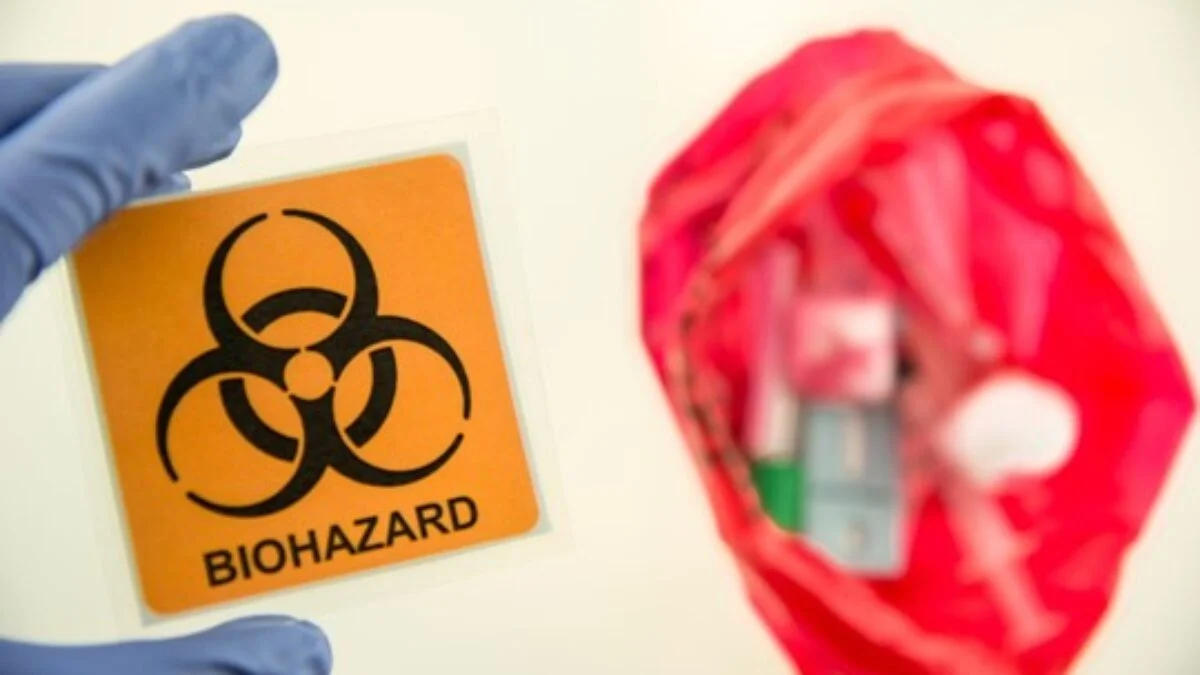
Secure Waste, a DMV company, explains that medical waste management involves a detailed, systematic approach to the entire lifecycle of waste generated across various healthcare settings, including hospitals, outpatient clinics, laboratories, dental offices, and veterinary practices.
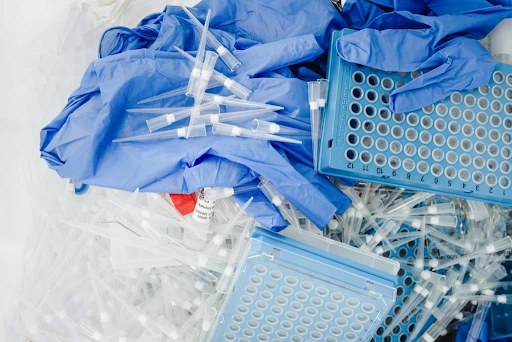
This crucial process addresses the handling, storage, transportation, treatment, and final disposal of waste materials contaminated with infectious agents, blood, bodily fluids, and other hazardous substances.
Given the serious implications for public health, worker safety, and environmental integrity, medical waste must be managed with meticulous attention to detail.

Welcome to Secure Waste, your trusted partner in medical waste management for over 30 years. As the leading provider in the DMV area—Washington, D.C., Maryland, and Virginia—we specialize in the safe and compliant disposal of medical waste and sharps for healthcare professionals.
Our comprehensive services cater to a variety of healthcare facilities, including hospitals, clinics, dental offices, and laboratories. We understand the critical importance of proper waste management in maintaining a safe and hygienic environment for both patients and staff.
We proudly serve numerous regions, including Montgomery, Prince George’s, Baltimore, Calvert, and Howard Counties in Maryland. Additionally, our services extend across the Potomac River into Virginia, covering Loudoun County, Fairfax, Arlington, and Alexandria, among others.
At Secure Waste, we prioritize safety, compliance, and sustainability in all our operations. Our team is dedicated to providing efficient, reliable service tailored to your specific needs. Please get in touch with us today for a consultation and learn how we can help with your medical waste management requirements.
Key Components Of Medical Waste Management In The DMV
- Segregation: This essential first step occurs at the point where waste is generated. Effective segregation requires separating waste into distinct categories, including sharps, biohazardous materials, pharmaceutical waste, and general waste. This differentiation prevents the mishandling of hazardous materials, reducing the risk of exposure to health-threatening agents for workers and the public alike. Proper training for healthcare personnel on waste categorization is vital to maintaining a safe environment.
- Containerization & Labeling: After segregation, the waste must be placed into specialized, puncture-resistant containers designed for the specific type of waste. For example, sharps are placed in bright red, rigid containers to signify a biohazard. These containers must be securely sealed to prevent leakage and accurately labeled with standardized symbols and information, both of which are essential for safe handling and transportation. This labeling includes details about the contents, potential hazards, and any specific handling instructions.
- Storage & Transport: Medical waste must be stored in designated areas that are clearly marked and secured to prevent unauthorized access. These storage locations are typically equipped with regulatory-compliant safety features to minimize risks. When the time comes for transportation, waste is moved using authorized, specialized vehicles designed to maintain hygiene and safety standards. Drivers and personnel involved in transport must be trained in the applicable regulations and safety measures to prevent accidents or contamination during transit.
- Treatment & Disposal: The treatment of medical waste is critical to rendering hazardous materials safe for disposal. Methods of treatment may include autoclaving, which uses high-pressure steam to sterilize waste, effectively killing pathogens and rendering it non-infectious. Other treatment methods may include chemical disinfection, microwave treatment, or incineration. After successful treatment, waste is disposed of in accordance with regulatory guidelines, typically through landfill disposal or incineration, ensuring environmental protection throughout the process. Appropriate records must be maintained for tracking the treatment and disposal of waste.
Why Proper Management Matters In DC-MD-VA
- Safety & Infection Control: Proper medical waste management plays a significant role in minimizing risks associated with injuries, particularly needlestick incidents, and exposure to infectious pathogens. By effectively segregating and managing waste, healthcare facilities foster a safer environment for both patients and healthcare workers, thereby reducing the risk of disease transmission and enhancing overall public health.
- Regulatory Compliance: Compliance with a myriad of local, state, and federal regulations—such as OSHA regulations regarding bloodborne pathogens and environmental protection laws—is essential. Failing to comply with these regulations can result in severe fines, legal action, and reputational damage for healthcare facilities. Establishing a comprehensive compliance program can help ensure that all legal obligations are met and that staff are aware of their responsibilities regarding waste management.
- Environmental Protection: Improper disposal of medical waste can lead to severe environmental contamination that threatens ecosystems and public health. Hazardous materials improperly discarded can leach into soil and water sources, harming wildlife and potentially affecting human populations. Effective waste management practices protect the environment by ensuring that harmful substances are treated and disposed of in environmentally sound ways.
DMV Common Types Of Medical Waste
- Sharps: This category includes items such as needles, scalpel blades, and broken glass, which present significant injury risks. Their containment in rigid, puncture-proof containers is crucial to preventing accidents.
- Infectious Waste: Materials that are soaked or saturated with blood or bodily fluids that may contain infectious agents fall under this category. Proper handling and treatment are essential to mitigate the spread of harmful pathogens.
- Pharmaceutical Waste: This encompasses expired, unused, or contaminated medications that require careful handling to prevent environmental damage and potential human exposure.
- Hazardous Chemicals: These are substances typically used in laboratory settings or for disinfection that carry risks if improperly managed. Their disposal must follow stringent safety guidelines to avoid contamination and harm.
Secure Waste shares that an effective medical waste management program typically involves an integrated approach that combines diligent on-site handling procedures with specialized, contracted-offsite services focused on final disposal.
This comprehensive collaboration ensures that every aspect of medical waste management is conducted safely, securely, and in a manner that protects both human health and the environment.
In Conclusion:
Secure Waste will save you money on Regulated healthcare waste disposal. We understand these hazards.
Staying informed and proactive is vital as new disposal management challenges arise. Together, we can prioritize health and safety, increase awareness, and promote responsible actions to create a healthier future for all in Maryland, Virginia, and D.C.
We provide reliable, compliant, and environmentally friendly waste disposal solutions tailored to your facility’s specific needs.
Disclaimer: This information is provided for reference purposes only and should not be considered as legal advice or factual information at the time of your reading. Regulations frequently change and can vary from state to state. We encourage you to contact your local regulatory authorities or Secure Waste directly for the most current information. Please note that Secure Waste is not liable, in part or in whole, for any information contained on this page or website.
Expert Medical Waste Management: With over 25 years of industry experience, Secure Waste is a trusted local leader in hazardous and biohazardous waste disposal across Maryland, Virginia, and Washington, D.C. Specializing in medical waste management, sharps needle disposal, and biohazard waste removal, the company ensures full compliance with federal, state, and local regulations while prioritizing environmental sustainability.
The company also offers additional services, including secure document shredding and sharps container sales, providing comprehensive solutions for healthcare facilities and businesses. Our cost-effective services help clients maintain regulatory compliance without unexpected costs.
With a commitment to customer satisfaction, Secure Waste offers tailored waste management plans that align with industry best practices. Their team of experts provides reliable, timely, and compliant services, making them the preferred choice for medical waste disposal. For a free waste quote or more information, visit www.securewaste.net