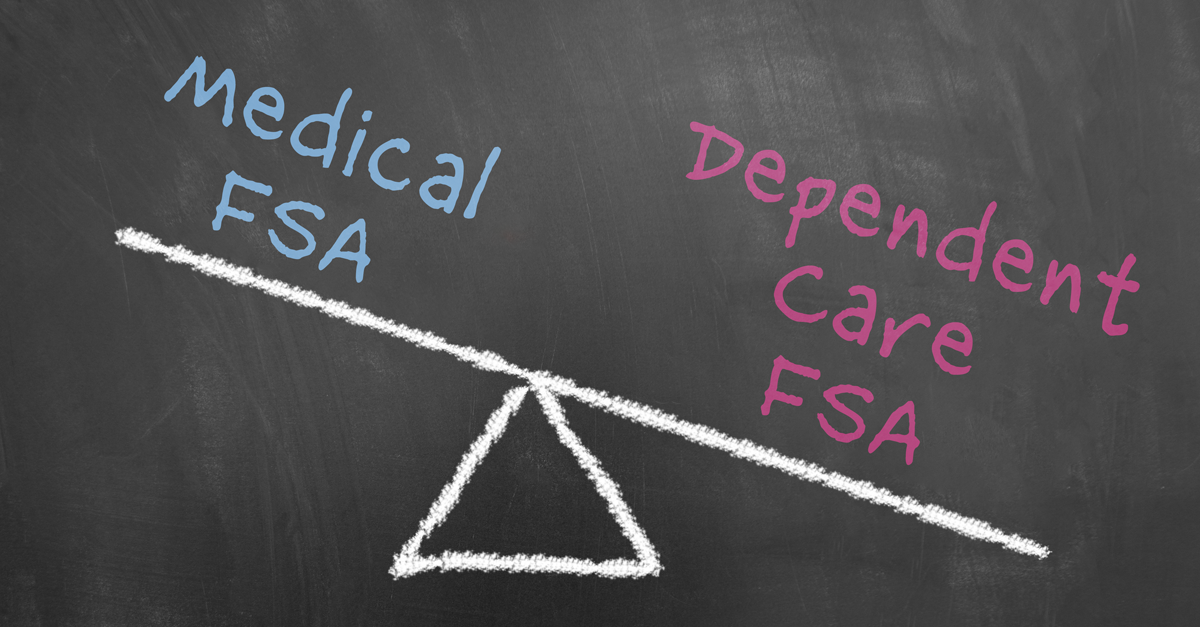
DEP In The Medical Care Is Short For “Dependent” Solutions From Secure Waste
Secure Waste often receives inquiries regarding the term “DEP,” which stands for “Dependent.” Many people wonder about our involvement with dependents. Our focus is on individuals who receive care from family members at home or in assisted living facilities. In these environments, it’s not uncommon to encounter medical waste, particularly sharps such as needles used by people with diabetes.
This is precisely where Secure Waste steps in; we are a dedicated local company specializing in the safe and responsible disposal of medical waste. Now, let’s explore the significance of the term “DEP” in greater detail.
In the intricate landscape of medical and insurance terminology, the abbreviation “DEP” holds significant importance, primarily representing “Dependent.”
This term is crucial as it designates an eligible spouse, child, or qualifying individual who is entitled to benefit from the insurance coverage provided by the policyholder.
Comprehending this abbreviation is crucial when navigating the often complex insurance documents and benefit plans, enabling individuals to make informed and advantageous choices for themselves and their loved ones.
You will frequently encounter “DEP” in various contexts, particularly in detailed premium breakdowns on insurance statements. It is commonly presented alongside the designation “EE Cost + DEP Cost,” where “EE” stands for “Eligible Employee.”
This clear separation of costs highlights the financial responsibilities of the employee in conjunction with those of their dependents, promoting transparency regarding the total cost of the coverage. Moreover, during the enrollment process, “DEP” is typically featured on forms that request a list of dependents, ensuring they are included in the coverage process and receive the necessary medical and financial protections.
While “dep” can carry other meanings—such as “department” in organizational contexts or “departure” in travel itineraries—its predominant significance in healthcare administration and benefits is as a designation for “Dependent.”
This distinction is particularly crucial for anyone exploring insurance options and seeking to understand how benefits can be extended to family members, thereby enhancing the overall value of their insurance plan.
Here are a couple of illustrative examples of how “DEP” is utilized in various scenarios:
Insurance Enrollment: When participating in health insurance enrollment, you will likely encounter premium breakdowns that distinctly specify “EE (Eligible Employee) + DEP (Eligible Dependent).”
This notation not only clarifies the financial responsibilities of the employee but also highlights the critical role of dependent coverage within the overarching benefits structure. It serves as a vital opportunity to ensure that your family members are adequately protected alongside you, reflecting the shared responsibility of health and welfare.
Tax Forms (Canada): In the context of Canadian tax regulations, “Dep” can refer to dependent tax credits, which provide financial relief based on the number of qualifying dependents you claim. These credits can significantly impact your overall tax liability, affecting your financial planning and budgeting strategies for the year.
Additionally, while “DEP” is primarily associated with healthcare benefits, it’s essential to recognize that it can have varied meanings in other contexts, though these occurrences are less frequent:
Department: Within organizational structures, “DEP” may refer to specific divisions or sectors, such as the Disability Employment Program (DEP), which actively promotes the inclusion of individuals with disabilities in the workforce.
This program plays a crucial role in advocating for equitable employment opportunities and promoting an inclusive environment.
Departure: In the travel sector, “DEP” typically denotes “departure.” For example, you will often see “Dep. Time” in travel itineraries or flight schedules, indicating the scheduled departure time for your mode of transport, whether it be a flight, train, or bus.
In summary, a thorough understanding of the nuances and specific applications of “DEP” enriches communication related to benefits administration and insurance. This knowledge equips you with the tools necessary to navigate your insurance journey effectively, ensuring you make well-informed decisions regarding your coverage and that of your family members. Embracing this information is an empowering step in managing your healthcare benefits and financial well-being.
Expert Medical Waste Management: With over 25 years of industry experience, Secure Waste is a trusted local leader in hazardous and biohazardous waste disposal across Maryland, Virginia, and Washington, D.C. Specializing in medical waste management, sharps needle disposal, and biohazard waste removal, the company ensures full compliance with federal, state, and local regulations while prioritizing environmental sustainability.
The company also offers additional services, including secure document shredding and sharps container sales, providing comprehensive solutions for healthcare facilities and businesses. Our cost-effective services help clients maintain regulatory compliance without unexpected costs.
With a commitment to customer satisfaction, Secure Waste offers tailored waste management plans that align with industry best practices. Their team of experts provides reliable, timely, and compliant services, making them the preferred choice for medical waste disposal. For a free waste quote or more information, visit www.securewaste.net