What Is An Example Of A Biological Hazard? Expert Solutions From Secure Waste
What Is a Biological Hazard?
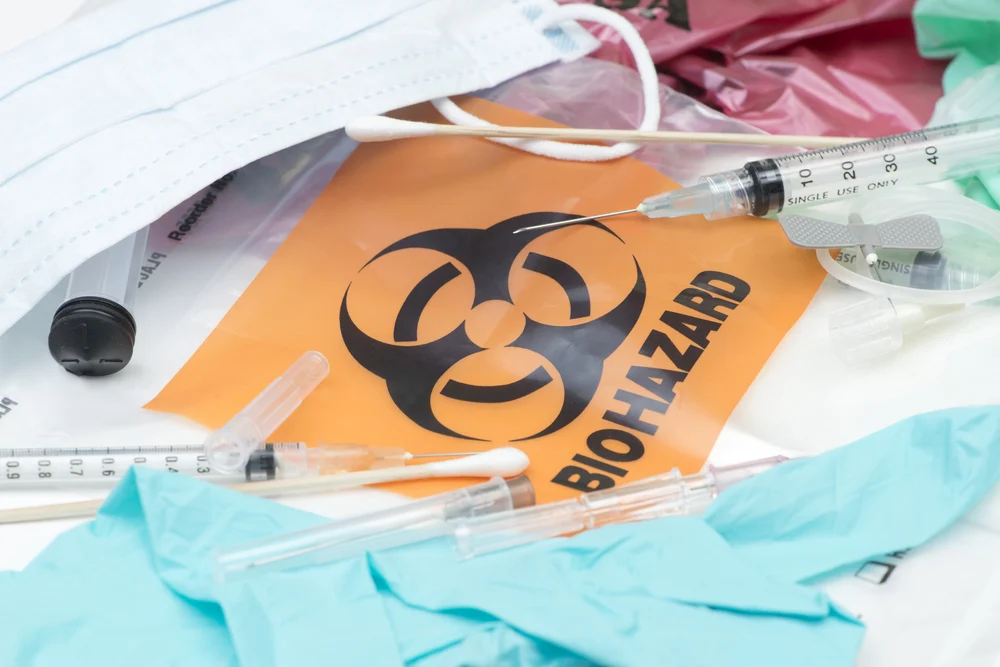
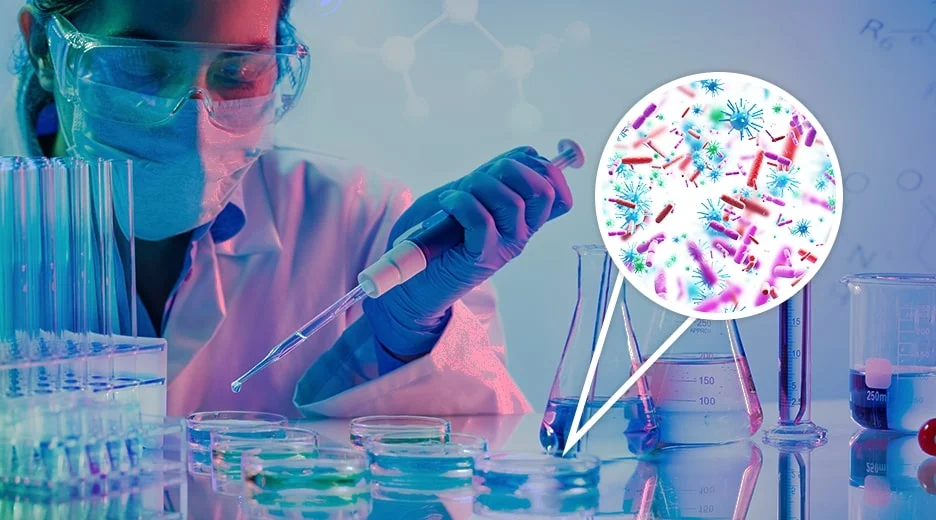
Biological hazards, commonly referred to as biohazards, are substances that pose potential threats to the health and safety of living organisms, particularly humans.
These hazards encompass a wide range of biological agents, including bacteria, viruses, parasites, fungi, and other microorganisms, as well as allergens and toxins produced by living organisms.
In workplace safety contexts, the primary focus on Biological Hazards is on the risks that these biological substances pose to human health.
This concern is particularly relevant in industries such as healthcare, biotechnology, agriculture, and environmental management, where exposure to infectious agents is more likely to occur.
A critical aspect of identifying a biological hazard is understanding the source of the threat.
Unlike chemical hazards, which can arise from synthetic compounds or naturally occurring substances found in the environment, biological hazards derive from living organisms or their byproducts.
This distinction is vital because the mechanisms of exposure, the nature of the risks involved, and the necessary safety protocols differ significantly between biological and chemical threats.
Effective management of biological hazards often involves implementing safety measures such as personal protective equipment (PPE), proper sanitation procedures, and protocols for handling potentially infectious materials to reduce the risk of exposure and safeguard public health.
More Information can be found here from the CDC Centers for Disease Control.
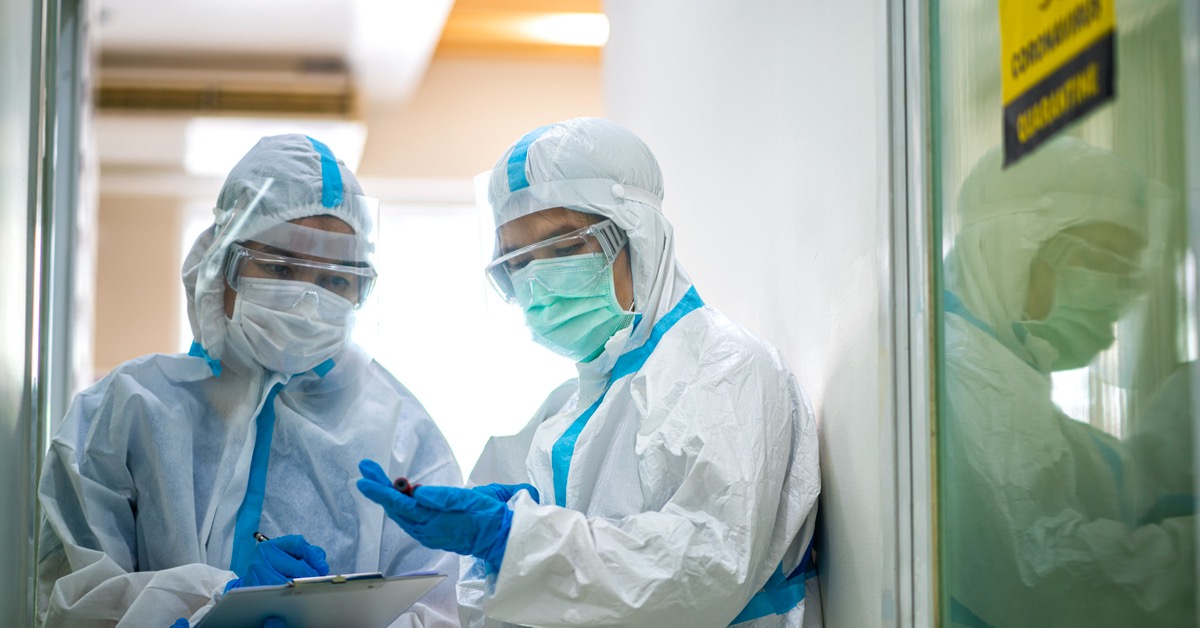
When it comes to healthcare understanding biological hazards is crucial These hazards which can include bacteria viruses and other pathogens pose significant risks to both patients and healthcare workers In a field dedicated to healing the presence of these invisible threats highlights the importance of safety protocols and preventative measures By staying informed and proactive we can protect ourselves and our communities ensuring that healthcare remains a haven for all Lets explore what biological hazards are their impact on the healthcare environment and the strategies we can employ to mitigate these risks
Types of Biological Hazards
Biological hazards encompass a wide array of harmful substances that can impact human health, but they can be better understood when categorized by type.
At their core, most biological hazards involve specific biological materials that pose health risks—primarily classified as biological agents or biotoxins.
However, these primary threats often remain invisible to the naked eye, making it crucial to recognize that what we label as “biohazardous material” in the workplace could potentially harbor one of these hidden dangers.
Biological Agents
A biological agent refers to any organism capable of causing disease in humans. This category includes a variety of microorganisms such as bacteria, viruses, parasites, and fungi (such as mold).
Each of these agents can trigger a range of illnesses, from mild infections to severe, life-threatening diseases, underscoring the importance of proper handling and containment.
Biotoxins
Biotoxins are toxic or poisonous substances that originate from living organisms. Various sources, including plants, bacteria, insects, and animals, can produce them.
A distinctive feature of biotoxins is their ability to persist in the environment, remaining hazardous even after the organisms that created them have died. This long-lasting nature poses significant risks to human health and necessitates stringent safety measures.
Human Blood, Blood Products, and Sharps
While blood itself is not inherently dangerous, it often contains biological agents capable of causing serious diseases.
Because many life-threatening illnesses can be transmitted through blood, materials that involve blood components, such as medical waste or hazardous biological materials, are subject to rigorous handling protocols to prevent the transmission of these diseases.
This also applies to potential vectors of blood-borne transmission, such as needles and other sharp instruments, which require careful disposal and management to avoid any risk of exposure.
Other Human Bodily Matter
In addition to blood, various other bodily fluids and materials can pose health risks.
Substances such as saliva, urine, and other bodily excretions can act as potential vectors for disease transmission, highlighting the importance of recognizing all bodily materials as potential biohazards.
Animal Waste and Products
Beyond human health risks, certain animal materials also present a threat. Some diseases that affect animals can be transmitted to humans, making it essential for workers handling animal waste and products to take precautionary measures to avoid exposure.
Organic Matter
Organic matter comprises any substance that was once part of a living organism or produced by one.
The decomposition of organic materials can foster the growth of pathogens and other harmful microorganisms, further complicating their management in various environments.
Biting or Stinging Insects
Workers in outdoor settings—and even those in some indoor regions—face the threat of bites or stings from insects native to their surroundings.
The consequences can range from minor irritations to severe allergic reactions, or even serious illness if the insect serves as a vector for disease. It is essential to implement strategies that mitigate these risks and protect workers from potential harm.

Biohazard Safety Levels Explained
The Centers for Disease Control and Prevention (CDC) has established four distinct biosafety levels (BSLs) to guide the safe handling, containment, and disposal of microbes and biological agents, ensuring appropriate measures are in place to protect human health and the environment.
Each BSL carries specific controls and precautions based on the risk level of the biological agents involved.
Biohazard Level 1 (BSL-1)
BSL-1 is the lowest containment level, involving work with biological agents that are generally considered to pose minimal risk to healthy adults and the environment.
Examples of BSL-1 agents include non-pathogenic strains of Escherichia coli and Bacillus subtilis. Laboratories operating at this level are required to implement basic safety practices that focus on minimizing exposure and contamination.
- Routine hand hygiene, including hand washing with soap and water or the use of hand sanitizers.
- Proper waste disposal protocols, ensuring that biological waste is disposed of in designated biohazard containers.
- Personal protective equipment (PPE), such as gloves and lab coats, while face masks are recommended but not always mandatory, depending on the specific laboratory activity and agent.
Biohazard Level 2 (BSL-2)
BSL-2 represents a more advanced containment level that deals with agents that present moderate hazards to humans, often capable of causing illness through direct contact.
Some common pathogens at this level include HIV, hepatitis B virus, and Salmonella spp.* Laboratories classified as BSL-2 must implement additional precautions:
- Access controls, such as secured entry points, to limit entry to authorized personnel only.
- Enhanced waste management practices, including the use of autoclaves or incinerators to sterilize waste before disposal.
- Containment equipment, such as biological safety cabinets (BSCs), is used to provide a barrier between the lab worker and the microorganisms.
- Comprehensive training for laboratory personnel on handling potentially infectious materials, emphasizing the importance of following established safety protocols.
Biohazard Level 3 (BSL-3)
BSL-3 laboratories are designed for working with pathogenic microorganisms that are transmitted through the respiratory route and can cause serious or potentially lethal diseases in humans.
Examples include Mycobacterium tuberculosis (the bacteria causing tuberculosis) and the agents of anthrax. Key features of BSL-3 laboratories include:
- Specialized ventilation systems that use negative airflow to ensure that air flows into the laboratory and is not released outside, typically coupled with HEPA filters to remove pathogens.
- Stringent engineering controls and access restrictions, requiring personnel to undergo thorough screening before entering the facility.
- Extensive PPE usage, which includes respiratory protection such as N95 respirators or powered air-purifying respirators (PAPRs), along with disposable gowns and gloves.
- Rigorous decontamination protocols for all materials and surfaces to eliminate any residual contamination.
Biohazard Level 4 (BSL-4)
BSL-4 is the highest biosafety level, designated for handling hazardous and exotic pathogens that can lead to life-threatening diseases. Notable examples include the Ebola virus, Marburg virus, and the Lassa fever virus. Laboratories at this level require extreme security and containment measures, including:
- Complete isolation from other areas, often requiring the use of an airlock system to control entry and exit.
- Full-body, air-supplied protective suits that maintain positive pressure to prevent any inward airflow, ensuring that no pathogens can penetrate the suit.
- Rigorous procedural protocols for decontamination, including the use of sophisticated sterilization systems for all laboratory surfaces and equipment before being removed from the containment area.
- Strict access control policies to minimize the risk of unauthorized personnel entering the laboratory, along with continual monitoring of all operations.
Each biosafety level possesses its own unique requirements regarding laboratory design, PPE usage, biosafety equipment standards, and operational protocols.
Maintaining adherence to Standard Microbiological Practices is critical across all BSLs to mitigate risks effectively. It is essential to classify biological hazards based on their potential risks and assign them to the appropriate BSL to ensure optimal containment and safety measures.
Conducting comprehensive job hazard analyses and risk assessments is vital in establishing safe operating procedures tailored to the specific biosafety levels involved.

By understanding and categorizing these various biological hazards, we can enhance safety protocols and reduce the risk of exposure in multiple environments.
Examples of Biological Hazards Across Various Categories
Understanding the diverse categories of biological hazards is crucial for identifying workers who may be at risk of exposure to these hazards.
While the obvious professions—such as medical personnel, laboratory researchers, and first responders—come to mind, it’s essential to recognize that numerous other industries are equally vulnerable. These include agriculture, forestry, food production, libraries, and museums, among others.
- Examples of Hazardous Biological Agents: The realm of biological hazards is extensive, featuring a wide array of agents that pose risks in the workplace. Some prominent examples include.
- Healthcare Workers: Medical and clinical staff face a significant risk of encountering bloodborne pathogens, such as HIV, through direct contact with infected bodily fluids.
- Environmental Workers: Personnel exposed to environmental pathogens, such as mold or the bacteria causing Legionnaires’ Disease, risk serious health complications.
- First Responders and Researchers: These individuals may be at risk of exposure to weaponized biological agents, including lethal substances like anthrax.
- General Population: Anyone who comes in contact with individuals suffering from infectious diseases, notably COVID-19, faces potential exposure.
- Hepatitis as a Biological Hazard: Yes, hepatitis is indeed a biological hazard, encompassing all three types. Hepatitis A is primarily transmitted through contaminated food, while Hepatitis B and C are classified as bloodborne pathogens.
- Examples of Hazardous Biotoxins: Various naturally occurring substances also qualify as biological hazards, particularly biotoxins.
Notable examples include.
-Snake Venom: A potent toxin produced by various snake species, which can lead to severe health consequences.
-Botulism: This toxin, generated by the botulinum bacteria, can cause life-threatening paralysis.
– Ricin: A toxic compound derived from the seeds of the castor oil plant, notorious for its potential use in bioweapons.
Many biotoxins are not only hazardous in their natural form but have also been weaponized, amplifying their risk potential.
Examples of Hazardous Human Blood, Blood Products, and Sharps
In this category, biohazards include a range of human biological materials:

Blood is considered a biological hazard due to its potential to transmit infectious diseases It can carry pathogens such as viruses bacteria and parasites that pose significant health risks to individuals who come into contact with it Understanding the proper handling exposure risks and safety protocols related to blood is essential for preventing transmission of infections in healthcare settings and beyond Practical training and protective measures can significantly mitigate these risks ensuring the safety of both healthcare workers and the general public
– Blood Components: Blood, plasma, serum, and their cellular components, such as white blood cells and platelets, all present considerable hazards.
– Pathological Samples: Human tissue samples contain blood and pose a risk to those handling them.
– Sharps: This term refers to used needles, scalpels, and other instruments capable of causing injury, thereby facilitating potential exposure to infectious agents.
Examples of Hazardous Human Bodily Matter
Several types of bodily fluids can pose biological hazards, including:
– Saliva, Urine, Mucus, Vomit, and Feces: Medical personnel and janitorial staff, childcare workers, and any frontline staff may encounter these hazards in their daily responsibilities, necessitating vigilant safety measures.
Examples of Hazardous Animal Waste and Animal Products
The threat of biological hazards extends to those handling animal products and waste.
– Farm Workers: Employees in agriculture, particularly those working with poultry, face the risk of avian flu.
– Food Production Workers: Many are exposed to biohazards through contact with raw animal products, such as meat, milk, or even soiled bedding materials.
– Rodent and Bird Droppings: Various workplaces, especially those located near infested areas, can be exposed to the dangers posed by these waste materials.
Examples of Hazardous Organic Matter: This category encompasses a variety of decomposing materials, including:
– Garbage and Sewage: Both represent serious risks if not handled properly.
– Wastewater and Plant Material: Organic dust and other plant remnants can also present hazards.
– Environmental Samples: Soil and pond water often contain organic matter that may harbor pathogens.
Examples of Hazardous Biting or Stinging Insects
Some biological hazards come in the form of insects, such as:
– Bees and Wasps: Their stings can cause allergic reactions, potentially leading to severe health problems.
– Scorpions and Spiders: These creatures can deliver painful and harmful bites.
– Fire Ants: Known for their aggressive behavior, their stings can result in painful reactions.
Preventing Biological Hazards
Mitigation of biological hazards requires a multifaceted approach, as there is no single solution that fits all. Effective prevention measures depend on the specific type of biohazard and may involve both engineering and administrative controls.
Engineering Controls: These include implementing regular cleaning protocols, pest control measures, proper waste disposal, and ensuring personal protective equipment (PPE) is available and utilized.
Administrative Controls: Facilities should promote handwashing protocols, establish clear sick leave policies, require vaccinations where appropriate, and implement comprehensive training programs.
It is vital to understand that prevention strategies effective for one type of biological hazard may not apply to another. Therefore, a tailored approach is essential to safeguard workers and minimize their exposure to these hazards.
Conclusion:
Biological hazards impact our workplaces, environments, and health. Understanding these hazards is crucial for protecting ourselves and others.
This article defines biological hazards, provides examples such as bloodborne pathogens and stinging insects, and outlines control measures, including proper waste management, the use of personal protective equipment, and education.
By identifying risks, we can develop strategies to mitigate their effects, fostering safe environments through shared responsibility. Regular risk assessments and training can help manage potential biohazard threats.
Staying informed and proactive is vital as new biological challenges arise. Together, we can prioritize health and safety, increase awareness, and promote responsible actions to create a healthier future for all!
Now that you have a more comprehensive understanding of a medical waste partnership in relation to biological hazards, don’t hesitate to contact Secure Waste.
We provide reliable, compliant, and environmentally friendly medical waste disposal solutions tailored to your facility’s specific needs. We have expertise in biomedical waste, hazardous waste, and Sharps container disposal. Additionally, we offer customized waste management plans, including secure collection and transportation, as well as sustainable disposal practices.
**Disclaimer** This information is provided for reference purposes only and should not be considered as legal advice or factual information at the time of your reading. Regulations frequently change and can vary from state to state. We encourage you to contact your local regulatory authorities or Secure Waste directly for the most current information. Please note that Secure Waste is not liable, in part or in whole, for any information contained on this page or website

Expert Medical Waste Management: With over 25 years of industry experience, Secure Waste is a trusted local leader in hazardous and biohazardous waste disposal across Maryland, Virginia, and Washington, D.C. Specializing in medical waste management, sharps needle disposal, and biohazard waste removal, the company ensures full compliance with federal, state, and local regulations while prioritizing environmental sustainability.
The company also offers additional services, including secure document shredding and sharps container sales, providing comprehensive solutions for healthcare facilities and businesses. Our cost-effective services help clients maintain regulatory compliance without unexpected costs.
With a commitment to customer satisfaction, Secure Waste offers tailored waste management plans that align with industry best practices. Their team of experts provides reliable, timely, and compliant services, making them the preferred choice for medical waste disposal. For a free waste quote or more information, visit www.securewaste.net