Where Medical Waste Really Goes: A Complete Guide to Treatment, Transport, and Final Disposal
Secure Waste frequently receives inquiries regarding the safe disposal and management of medical waste—a critical concern for healthcare facilities and the communities they serve. Many individuals ask, “Where does medical waste go once it leaves the facility?” In this comprehensive exploration, we aim to clarify the intricate journey of medical waste and the essential practices involved in its disposal.
As a pioneering and leading provider of medical waste disposal services in Maryland, Virginia, and Washington, D.C., Secure Waste specializes in the regulated management of medical waste and sharps. Our services are designed to comply with stringent local, state, and federal regulations, ensuring that all waste is handled in a manner that prioritizes both public safety and environmental protection.
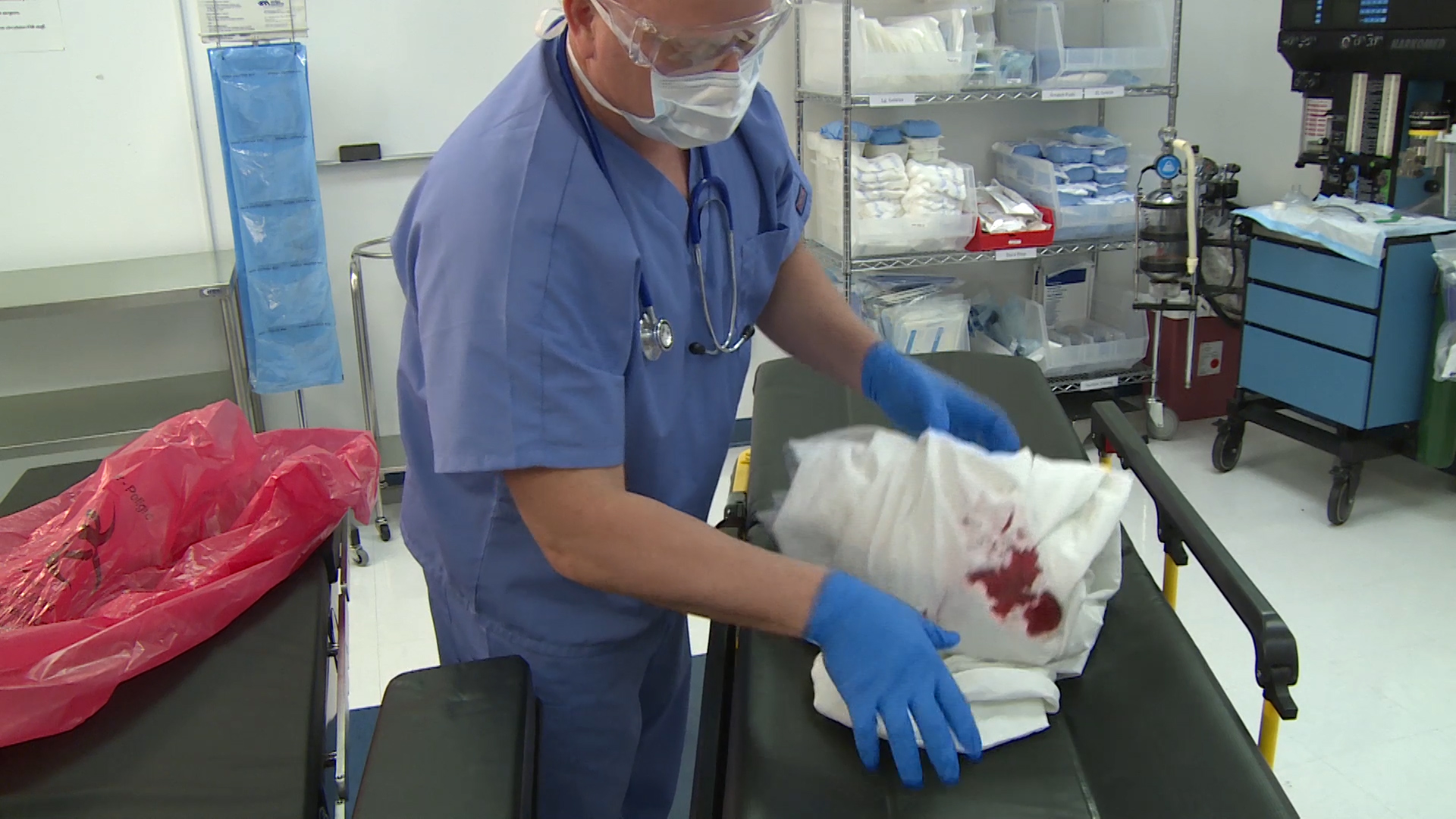
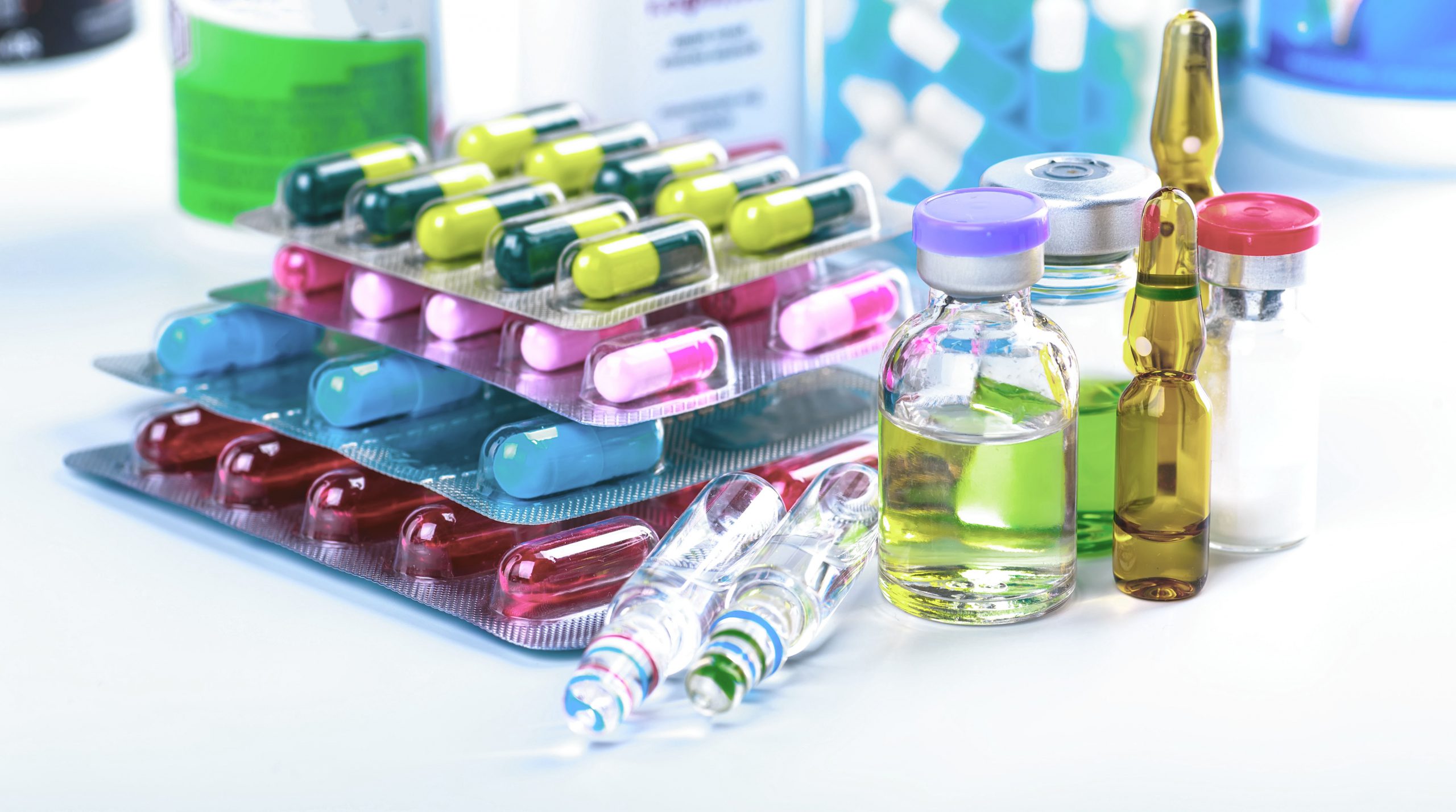
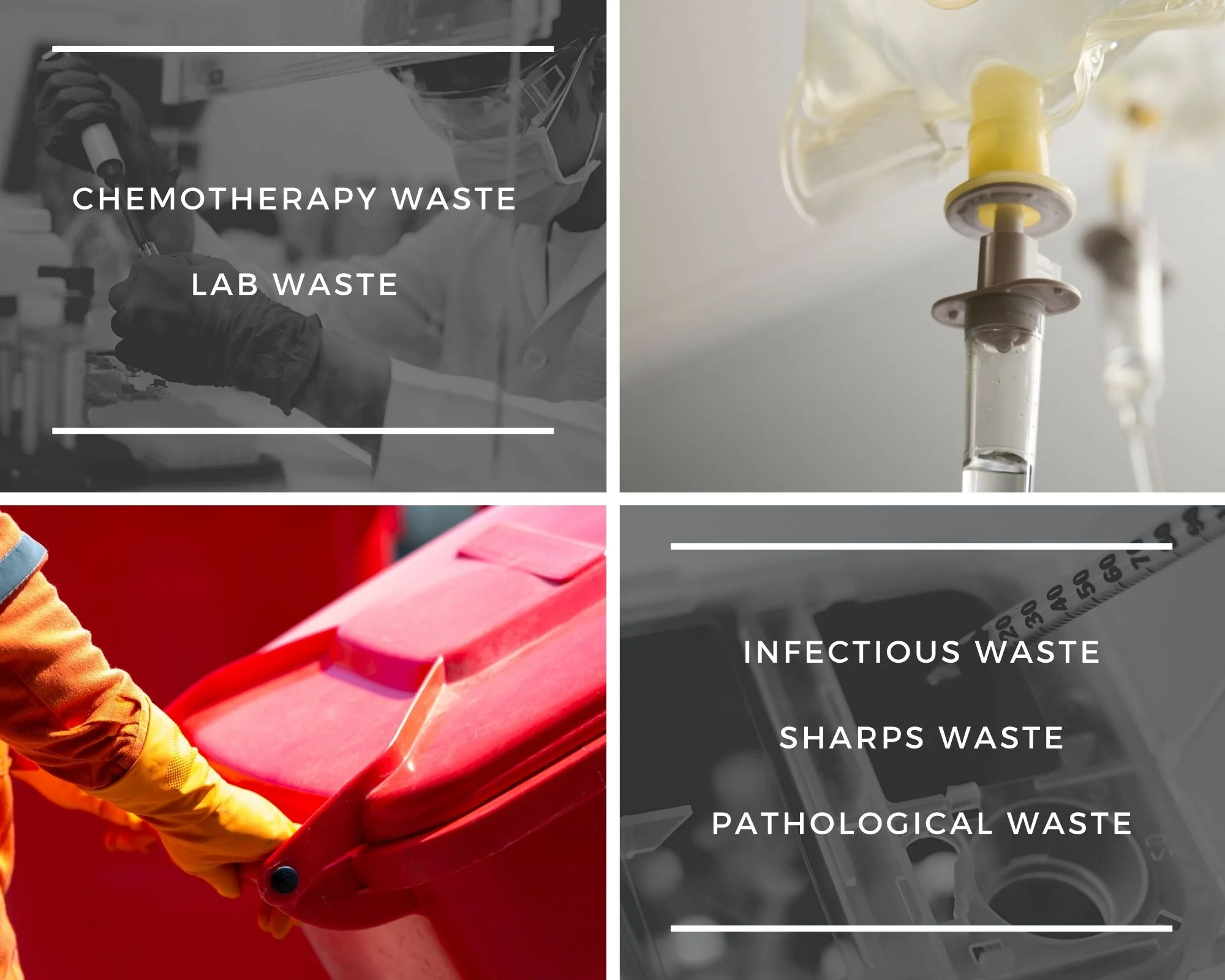
The process begins with the proper segregation of medical waste at the point of generation, where healthcare providers are trained to identify and separate hazardous materials from general waste. Medical waste is typically categorized into several types, including biohazardous waste, infectious waste, sharps (such as needles and blades), and pharmaceutical waste. Each category requires specific handling and disposal techniques to mitigate risks.
Once segregated, medical waste is securely contained and labeled in accordance with regulatory guidelines, often using color-coded containers to prevent confusion and ensure accurate identification. The securely sealed containers are then transported to our state-of-the-art treatment facilities. There, waste undergoes rigorous processes, which may include autoclaving, incineration, or other environmentally responsible methods designed to neutralize harmful pathogens and reduce volume.
Post-treatment, the waste is either disposed of safely in landfills designed for hazardous materials or, in some cases, repurposed through recycling programs where applicable. Our commitment to maintaining safety and compliance extends throughout every step of this process.
Let’s delve deeper into the vital processes that ensure safety, compliance, and environmentally responsible practices in medical waste disposal. Understanding this journey helps demystify the complex world of medical waste management and highlights the critical roles that both providers and disposal services play in safeguarding public health.
Where Does Medical Waste Go After Collection?
An Inside Look at the Journey From Healthcare Facility to Final Disposal
Healthcare organizations dedicate enormous attention to how medical waste is generated, segregated, and stored within their facilities. Staff learn where to place sharps, how to handle contaminated materials, how long containers can remain on site, and what safety controls are required to reduce infection risks. But one of the most overlooked questions in healthcare waste management appears once the waste leaves the building. Many organizations lack complete visibility into what happens after a vendor collects the containers, yet this stage of the process is just as important as internal handling. Without proper treatment and documentation, healthcare facilities can unintentionally expose themselves to compliance risks, environmental harm, and reputational damage.
Understanding the full life cycle of regulated medical waste is critical. Medical waste does not simply disappear after it is picked up. It must be transported, tracked, treated, neutralized, recorded, and finally disposed of in accordance with strict federal, state, and local regulations. These regulations exist to protect both public health and the environment. If a waste management company fails to meet these requirements, it is the healthcare facility that can face substantial consequences. That is why healthcare administrators should understand how their waste is treated after collection, the technologies used to render it safe, and how their vendor ensures continuous compliance.
Secure Waste supports facilities in gaining complete transparency over the medical waste journey. With advanced treatment technologies, regulatory expertise, and detailed recordkeeping, healthcare organizations receive assurance that their waste is being managed responsibly from start to finish. Exploring what happens after pickup helps healthcare leaders evaluate the strengths of their current program and identify areas for improvement.
The Hidden Journey of Medical Waste After Pickup
Once collected from the facility, regulated medical waste follows a carefully controlled path that considers both safety and legal compliance. Trucks that transport medical waste must comply with Department of Transportation regulations, which specify how containers must be loaded, labeled, secured, and documented. Drivers must be trained to handle hazardous materials, understand spill protocols, and maintain chain-of-custody forms that accompany each load. This documentation ensures that healthcare facilities can verify the location of their waste, how it was handled, and whether it was sent to a compliant treatment facility.
Upon arrival at a licensed treatment site, the waste undergoes an initial receiving process. This includes weighing, scanning, and verifying container labels to ensure accuracy and completeness of the information. Facilities that partner with reputable companies always have access to this information, which becomes essential during audits or regulatory inquiries. The primary purpose of regulated medical waste treatment is to neutralize infectious agents and reduce risks, allowing the treated material to be disposed of safely. There are two primary treatment methods used across the United States, and understanding them helps healthcare providers better appreciate what happens behind the scenes.
How Autoclaving Neutralizes Infectious Medical Waste
The most common treatment method for regulated medical waste is autoclaving. Autoclaves utilize high-pressure, high-temperature steam to eliminate bacteria, viruses, and other pathogens. The waste is placed into the chamber and heated for a specific period, typically at temperatures between 250°F and 300°F. However, the exact temperature and cycle time vary depending on state regulations as well as the specifications of each treatment facility. This is why working with a provider that understands local requirements is essential.
During the autoclave process, steam penetrates the waste materials and destroys infectious agents at a cellular level. Sharps, contaminated plastics, blood-soaked materials, laboratory waste, and other regulated items are commonly autoclaved. After treatment, the once-hazardous material is rendered non-infectious. It can then be sent to a landfill because it no longer carries biological risks. This transformation enables the waste to safely re-enter the regular municipal disposal process, protected by multiple layers of compliance checks and safeguards.
Autoclaving remains the preferred method due to its environmental responsibility, cost-effectiveness, and high reliability. Secure Waste uses validated autoclave systems that undergo regular testing to ensure they operate within the required parameters. For healthcare organizations, this means peace of mind. They know that regulated waste is consistently treated using technology that meets or exceeds the expectations of state and federal regulatory agencies.
When Incineration Is Required for Safety and Compliance
Not all medical waste can be autoclaved. Certain materials, especially those associated with chemical or hazardous pharmaceutical properties, require much more intensive treatment. Incineration is used for waste streams such as chemotherapy drugs, trace chemical materials, pathological waste, and pharmaceutical substances that should never be disposed of in landfills. These items can leach hazardous chemicals into soil and water if not handled properly. Incineration prevents this entirely.
Incineration facilities use extreme heat, often exceeding 1,700°F, to destroy the waste. High temperatures break down hazardous components at the molecular level, ensuring that the final byproduct cannot contaminate the environment. Facilities that handle this type of waste must adhere to strict EPA regulations, undergo regular emissions monitoring, and maintain documentation to prove safe operation. Healthcare organizations should ensure the vendor they choose uses compliant incineration sites equipped to manage high-risk materials.
Secure Waste partners with licensed incineration facilities to manage specific waste streams that require this elevated level of treatment. This ensures healthcare clients have a safe, compliant, and environmentally responsible method for handling specialized materials, especially those that pose risks beyond biological contamination.
The Importance of Regulatory Knowledge and Tracking
Understanding where medical waste goes after collection is not simply about environmental responsibility. It is also about maintaining compliance with regulatory agencies that oversee every stage of the process. State environmental agencies, the Department of Transportation, OSHA, and the EPA all impose requirements on how waste must be packaged, labeled, transported, treated, and documented. Each state has its own rules for treatment thresholds, temperature standards, cycle times, and acceptable disposal practices.
This means a healthcare facility’s waste partner must have strong regulatory knowledge to ensure no steps are missed. Mistakes can result in costly penalties or legal consequences for the healthcare provider. Healthcare organizations should work with a partner that can interpret state laws, communicate changes in regulations, and adapt programs so that they remain fully compliant. Facilities also benefit from vendors that offer advanced tracking systems. These systems allow them to review pickup logs, treatment documentation, manifest records, and compliance certificates. This transparency becomes crucial during inspections or accreditation processes.
Secure Waste provides detailed recordkeeping that documents every step of the waste process. Facilities receive accessible digital records that confirm proper handling from initial pickup to final disposal. These records help healthcare administrators prove compliance during regulatory reviews and demonstrate responsible stewardship of medical waste.
Why Choosing the Right Waste Partner Matters for Environmental Responsibility
Healthcare organizations have a duty to protect not only their patients but also their surrounding communities. If medical waste is not treated correctly, it can lead to environmental contamination, infectious exposure incidents, and lasting harm to public health. Even one instance of improper disposal can lead to significant reputational damage for a healthcare organization.
Selecting a responsible waste management partner ensures that waste is handled ethically and in alignment with modern environmental standards. Secure Waste focuses on sustainable waste treatment practices, including efficient autoclave systems and environmentally conscious incineration processes. These efforts reduce the facility’s ecological footprint and help safeguard natural resources by ensuring that no hazardous materials are released into landfills or water systems.
Healthcare organizations that understand and oversee the full lifecycle of their waste demonstrate a higher level of accountability. This commitment reflects positively on their reputation, enhances trust within the community, and aligns with broader sustainability goals.
Conclusion
Medical waste does not end its journey at the moment of pickup. It undergoes a complex, highly regulated process designed to protect healthcare workers, waste handlers, the community, and the environment. Whether treated through autoclaving or incineration, every step requires precision, documentation, and compliance with evolving regulatory standards. When healthcare facilities partner with a knowledgeable provider like Secure Waste, they gain confidence that their waste is handled correctly from beginning to end. With strong tracking systems, regulatory expertise, and advanced treatment technologies, Secure Waste ensures that regulated medical waste is safely neutralized, responsibly disposed of, and managed in complete alignment with environmental and public health standards.
Expert Medical Waste Management: With over 25 years of industry experience, Secure Waste is a trusted local leader in hazardous and biohazardous waste disposal across Maryland, Virginia, and Washington, D.C. Specializing in medical waste management, sharps needle disposal, and biohazard waste removal, the company ensures full compliance with federal, state, and local regulations while prioritizing environmental sustainability.
The company also offers additional services, including secure document shredding and sharps container sales, providing comprehensive solutions for healthcare facilities and businesses. Our cost-effective services help clients maintain regulatory compliance without unexpected costs.
With a commitment to customer satisfaction, Secure Waste offers tailored waste management plans that align with industry best practices. Their team of experts provides reliable, timely, and compliant services, making them the preferred choice for medical waste disposal. For a free waste quote or more information, visit www.securewaste.net