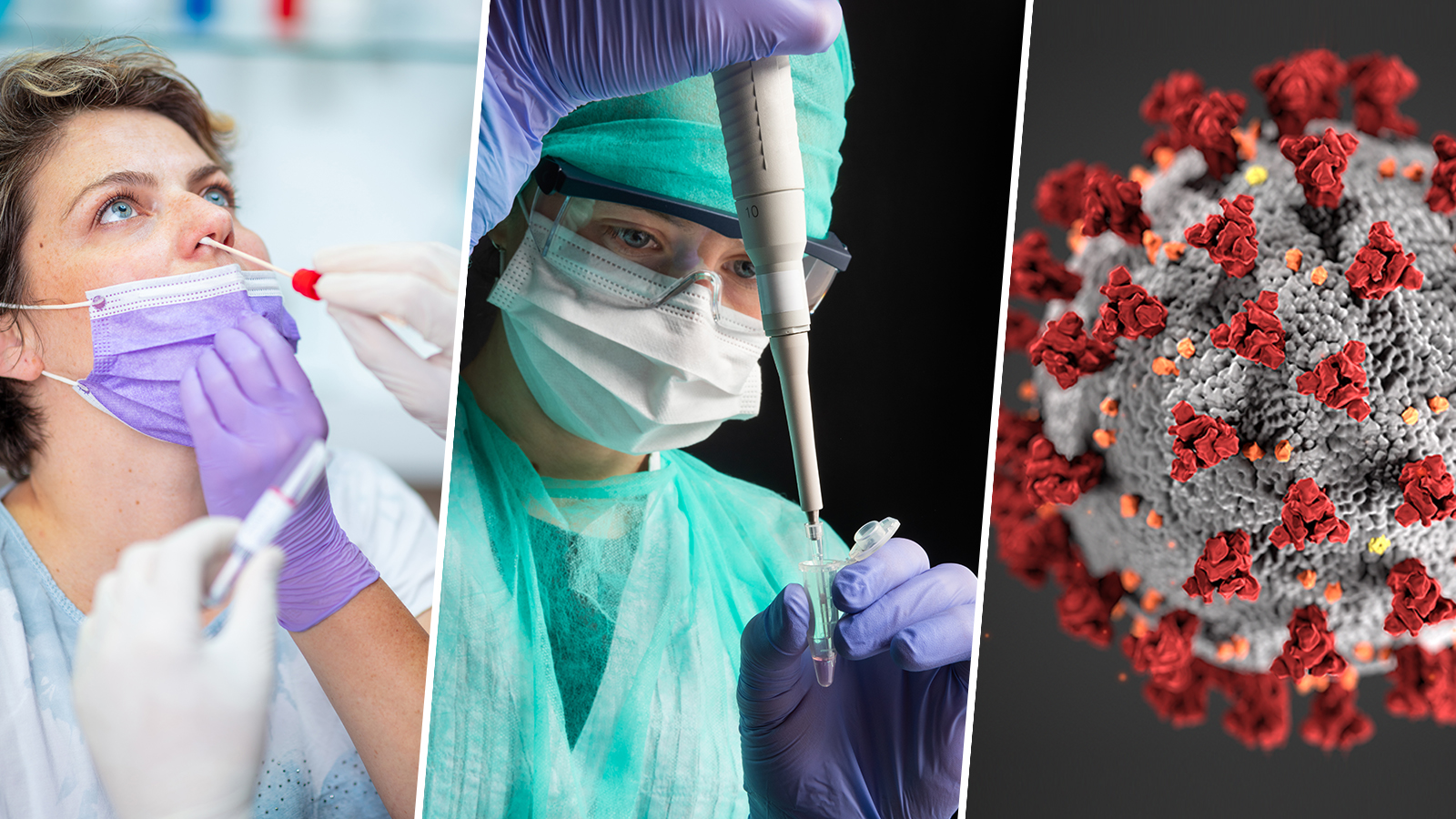
OSHA’s COVID-19 Healthcare ETS Explained
On June 21, 2021, the U.S. Occupational Safety and Health Administration (OSHA) implemented the COVID-19 Healthcare Emergency Temporary Standard (ETS) to address workplace exposure to SARS-CoV-2, the virus responsible for COVID-19. Codified at 29 CFR 1910, Subpart U, this standard was introduced in response to the heightened risks faced by healthcare workers during the pandemic and remains a critical framework for protecting employee health and safety in specific healthcare environments. Did you get your COVID-19 Vaccine learn more here?
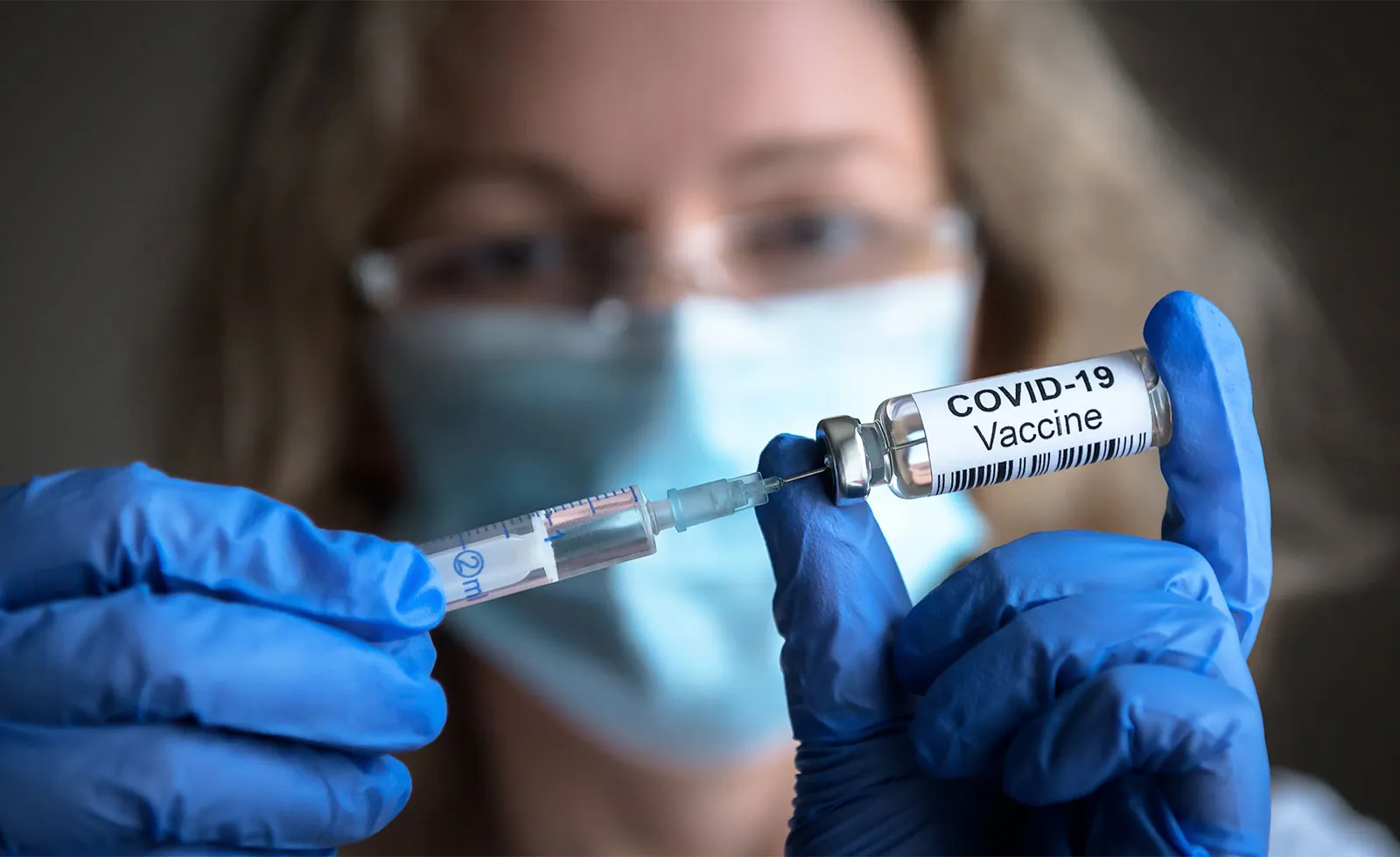
Subpart U: OSHA’s COVID-19 Healthcare ETS
Welcome to Secure Waste, the premier leader in local COVID-19 biohazard disposal services. We proudly serve the DMV area, which includes the District of Columbia, Maryland, and Virginia. With over 30 years of experience in managing healthcare waste, we specialize in the safe and compliant handling of biohazardous materials, including COVID-19 waste.
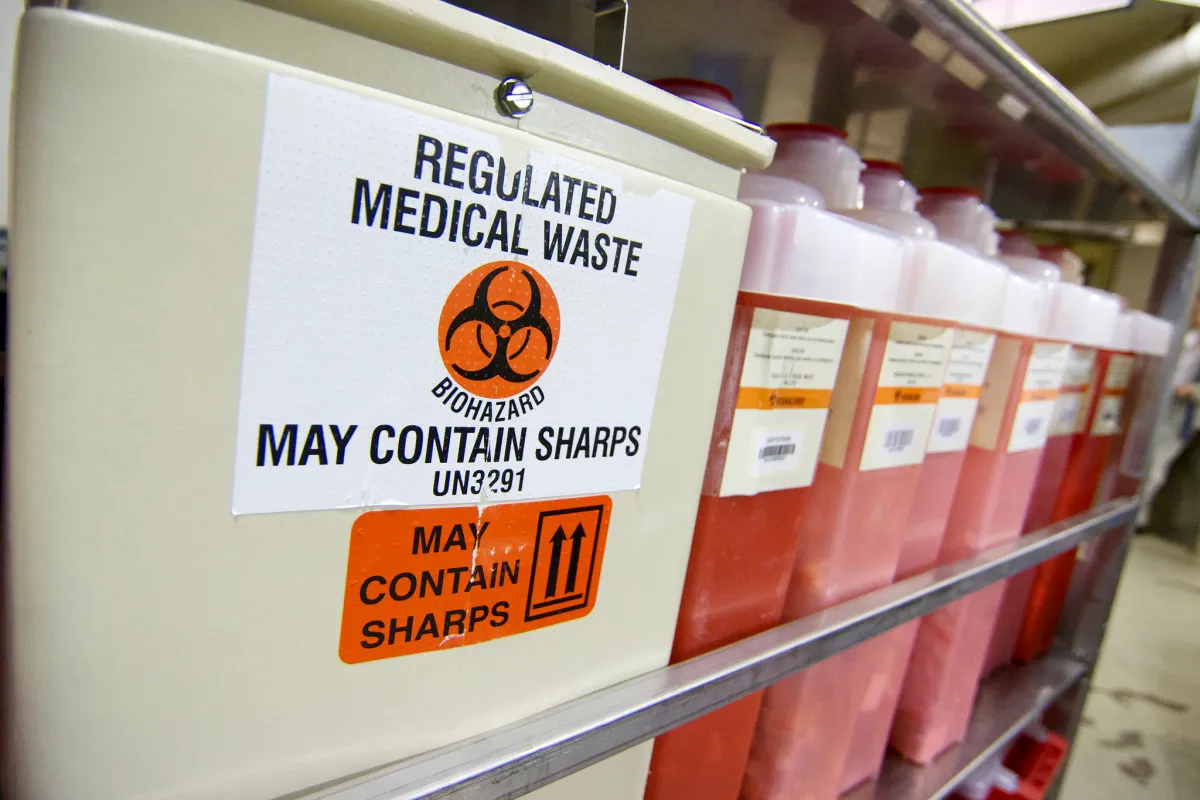
Our comprehensive services are designed to meet the strictest regulations and guidelines set by health authorities, ensuring the highest safety standards for healthcare facilities and surrounding communities. Our team is dedicated to providing exceptional service and expertise in healthcare waste management, including the disposal of potentially infectious materials, sharps, and other hazardous substances.
You can contact us today at 877-633-7328 for personalized assistance with your COVID-19 waste disposal needs.
In addition to our waste disposal services, we remain committed to the principles established by the Healthcare Emergency Temporary Standard (ETS), which sets enforceable requirements to reduce the transmission of COVID-19 in workplaces that provide healthcare services or support activities. While many healthcare organizations had already implemented necessary precautionary measures in line with public health guidelines, Subpart U of the ETS further formalizes these expectations, establishing specific compliance obligations for organizations seeking to prioritize workplace safety during the ongoing pandemic. What is the XFG COVID-19 Variant?
Who Is Covered Under OSHA’s Healthcare ETS
The COVID-19 Healthcare ETS applies to settings where employees provide healthcare or healthcare support services. According to OSHA guidance, covered workplaces include: Facts about COVID-19
- Hospitals
- Nursing homes
- Assisted living facilities
- Other inpatient care settings
- Emergency responders
- Home healthcare workers
- Ambulatory care facilities where suspected or confirmed COVID-19 patients are treated
Scope of Coverage
Support services connected to healthcare delivery may also fall under the ETS when they involve potential exposure to SARS-CoV-2. The scope of coverage means many healthcare employers must carefully evaluate their operations to determine whether the standard applies to their facility or specific job functions.
Although some healthcare settings may be exempt or partially exempt under certain conditions, organizations should conduct a thorough assessment to confirm applicability and document their conclusions in case of inspection.
Core Requirements of OSHA Subpart U
OSHA’s Healthcare ETS includes a comprehensive set of requirements to minimize COVID-19 exposure risks.
1. Written COVID-19 Plan
One of the most critical elements is the development and implementation of a written COVID-19 plan. This plan must:
- Identify workplace hazards related to COVID-19
- Outline policies and procedures to reduce transmission risk
2. Patient Screening and Management
Patient screening and management procedures are also required. Healthcare organizations must implement processes to:
- Identify individuals with suspected or confirmed COVID-19
- Manage their movement and care in a way that limits exposure to staff and other patients
3. Transmission-Based Precautions
Transmission-based precautions form another key component of the ETS. These precautions include:
- Appropriate use of personal protective equipment
- Special attention when caring for patients with suspected or confirmed COVID-19
Employers must ensure that PPE is provided, used correctly, and maintained in accordance with OSHA requirements.
4. Aerosol-Generating Procedures
The standard also addresses aerosol-generating procedures, which present an elevated risk of airborne transmission. Healthcare employers must implement additional safeguards during these procedures to protect employees.
5. Physical Distancing and Barriers
Physical distancing and physical barriers are required where feasible, especially in areas where employees interact with patients or the public. Cleaning and disinfection protocols must be established and followed to reduce contamination of surfaces and shared equipment.
6. Ventilation
Ventilation plays a significant role in reducing the risk of airborne transmission. Subpart U requires employers to evaluate and maintain ventilation systems to support adequate air exchange and filtration.
7. Health Screening and Medical Management
Health screening and medical management provisions require employers to:
- Monitor employees for symptoms of COVID-19
- Take appropriate actions when cases are identified
Additional requirements include:
- Vaccination support
- Employee training
- Anti-retaliation protections
- Recordkeeping
- Reporting COVID-19 fatalities and hospitalizations to OSHA
8. Mini Respiratory Protection Program
The ETS introduces a mini respiratory protection program that applies in certain circumstances where respirator use is recommended, but a complete respiratory protection program may not be required.
Compliance Timelines and Enforcement Considerations
Healthcare organizations were expected to comply with most provisions of the ETS by July 6, 2021, with additional time allowed for:
- Physical barriers
- Ventilation upgrades
- Training requirements (compliance deadline: July 21, 2021)
OSHA’s National Emphasis Program
Employers should also be aware of OSHA’s Revised National Emphasis Program for COVID-19, which focuses enforcement efforts on:
- Identifying and reducing workplace exposure to SARS-CoV-2
- Targeted inspections
- Outreach
- Compliance assistance
This program increases the likelihood of inspections in healthcare environments and reinforces the importance of documented compliance.
State-Specific Requirements
In addition, employers operating in states with OSHA-approved state plans must comply with state-specific COVID-19 requirements. States such as California, Oregon, and Virginia have implemented their own standards that may differ from or exceed federal OSHA requirements.
Practical Steps to Get Started with Subpart U Compliance
Step 1: Review the Standard
A strong first step toward compliance is reviewing the Healthcare ETS and related OSHA guidance to understand the full scope of requirements. Familiarity with the standard helps organizations identify gaps and prioritize corrective actions.
Step 2: Use OSHA Tools
Using OSHA-provided checklists and job hazard analysis tools can simplify the evaluation process and help determine whether the ETS applies to specific job roles or work areas. These tools also support systematic identification of hazards and controls.
Step 3: Develop a Written COVID-19 Plan
Developing a written COVID-19 plan is one of the most critical compliance steps. The plan should address all ETS requirements, including:
- Screening
- PPE use
- Distancing measures
- Physical barriers
- Cleaning procedures
- Ventilation strategies
- Processes for documenting and reporting COVID-19-related hospitalizations and deaths
Step 4: Review Mini Respiratory Protection Program
Organizations should also review the mini respiratory protection program requirements to determine whether they apply. This program is designed to offer enhanced worker protection in lower-risk scenarios and can be implemented more quickly than a complete respiratory protection program.
Step 5: Leverage Available Resources
Finally, employers should take advantage of available FAQs and guidance resources to clarify requirements and address common compliance questions. OSHA routinely updates its COVID-19 guidance, and staying informed is essential for maintaining compliance.
How Long Will the Healthcare ETS Remain in Effect
The COVID-19 Healthcare ETS remains in effect until OSHA determines that:
- The grave danger posed by the virus no longer exists for covered workers, OR
- New information indicates that different protective measures are necessary
Until then, healthcare organizations must continue to comply with applicable requirements and be prepared to demonstrate compliance during inspections.
Supporting OSHA Healthcare ETS Compliance
Navigating OSHA Subpart U can be challenging, particularly as healthcare organizations balance regulatory requirements with patient care demands. Expert compliance support helps healthcare facilities address OSHA compliance obligations efficiently and consistently.
Available Support
Compliance solutions assist organizations with:
- Policy development
- Training
- Documentation
- Ongoing program management
By working with compliance professionals, healthcare employers gain access to experienced experts who understand the nuances of OSHA regulations and the realities of healthcare operations.
Healthcare organizations can meet OSHA COVID-19 Healthcare ETS requirements and support safer workplaces through comprehensive compliance programs and ongoing education.
Expert Medical Waste Management: With over 25 years of industry experience, Secure Waste is a trusted local leader in hazardous and biohazardous waste disposal across Maryland, Virginia, and Washington, D.C. Specializing in medical waste management, sharps needle disposal, and biohazard waste removal, the company ensures full compliance with federal, state, and local regulations while prioritizing environmental sustainability.
The company also offers additional services, including secure document shredding and sharps container sales, providing comprehensive solutions for healthcare facilities and businesses. Our cost-effective services help clients maintain regulatory compliance without unexpected costs.
With a commitment to customer satisfaction, Secure Waste offers tailored waste management plans that align with industry best practices. Their team of experts provides reliable, timely, and compliant services, making them the preferred choice for medical waste disposal. For a free waste quote or more information, visit www.securewaste.net