Sharps Safety in Veterinary Clinics | Biomedical Waste Compliance – Expert Solutions From Secure Waste
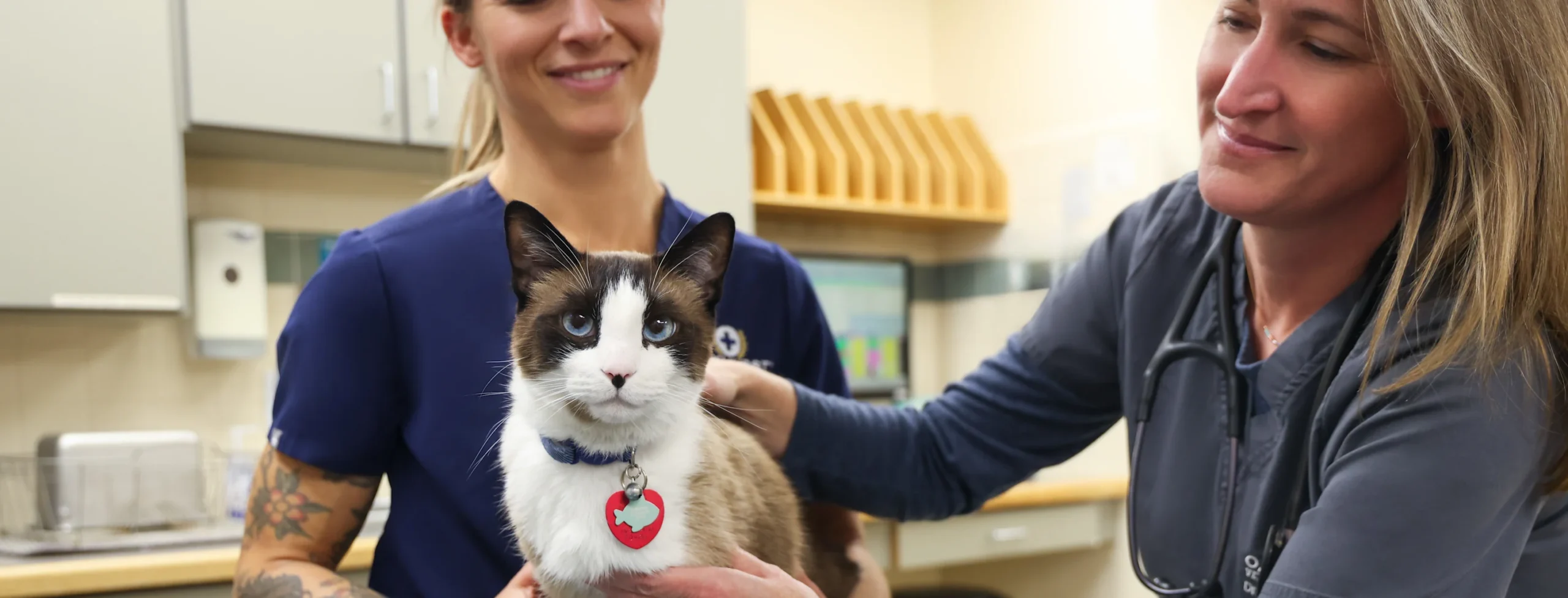
Sharps Safety For Local Veterinary Clinics and Animal Hospitals
Secure Waste explains that Sharps safety is not limited to human healthcare settings.
Veterinary clinics and animal hospitals face similar risks when handling needles, scalpels, and other sharp instruments.
Preventing sharps-related injuries is essential to maintaining a safe workplace, reducing lost work time, and protecting staff from potential exposure risks.
In busy veterinary environments, where animals may move unexpectedly during procedures, the risk of needlestick and sharp injuries can be significant. Establishing strict handling and disposal protocols is critical for safety and regulatory compliance.
Welcome to Secure Waste, the premier provider of Sharps Container management services specifically designed for veterinary practices and animal health clinics located in Maryland, Washington, D.C., and Virginia.
With over 30 years of dedicated experience in the field, Secure Waste has built a solid reputation for delivering reliable, compliant, and efficient sharps and biohazard management solutions to a diverse range of local veterinary practices across the DMV.
In our unwavering commitment to enhancing safety and ensuring regulatory compliance Secure Waste would like you to consider the pressing issue of sharps disposal in the veterinary environment.
Veterinary professionals in MD,DC,VA need to adhere to stringent sharps safety protocols to protect both staff and patients from potential health risks associated with improper disposal.
Our comprehensive services include the provision of FDA-approved sharps containers, routine collection and disposal, and insightful training sessions on best practices for sharps handling and disposal.
We are here to help you maintain a safe and compliant workspace.
For assistance with all your sharps disposal needs or to learn more about our services, please don’t hesitate to reach out to us at 877-633-7328. Your safety and compliance are our highest priorities. Together, we can ensure a safer environment for everyone involved in animal care.
What Are Sharps?
Sharps are any objects capable of cutting or penetrating skin or packaging materials. In veterinary settings, sharps commonly include:
- Scalpels and surgical blades
• Needles
• Syringes
• Broken glass or ampoules
• Dental wires or other sharp medical instruments
When contaminated, these items pose both physical injury risks and potential exposure to infectious materials.
Understanding the Risk of Sharps Injuries
A sharp injury can allow pathogens to enter the bloodstream. While OSHA’s Bloodborne Pathogens Standard primarily applies to occupational exposure to human blood, veterinary settings must still approach sharps safety with caution.
OSHA regulations typically apply when animal blood is known to be infected with HIV, HBV, or used for research involving human pathogens. However, state or local regulations may impose broader requirements for the disposal of contaminated sharps in veterinary environments.
Regardless of regulatory scope, safe disposal is a best practice to protect employees and minimize liability.
Best Practices for Sharps Disposal in Veterinary Facilities
All contaminated sharps should be disposed of immediately after use. Recommended best practices include:
- Using containers that are closable, puncture-resistant, and leakproof
• Ensuring containers are properly labeled or color-coded to indicate hazard
• Placing containers as close as feasible to the point of use
• Keeping containers easily accessible to staff
• Replacing containers before they become overfilled
Proper container placement significantly reduces the likelihood of accidental injuries during disposal.
Using a Third-Party Sharps Disposal Service
Veterinary clinics and animal hospitals often benefit from partnering with a licensed biomedical waste management provider. A professional service ensures proper collection, transportation, treatment, and disposal in compliance with applicable regulations.
Sharps mail-back programs can also provide a convenient alternative, especially for smaller clinics. These programs typically include:
- Approved sharps containers with liners
• Prepaid return shipping
• Tracking documentation
• Treatment and disposal services
This approach can simplify compliance while maintaining safety standards.
Reducing the Risk of Sharps-Related Injuries
Prevention begins with proper training. Veterinary professionals should receive regular instruction on:
- Safe handling of needles and scalpels
• Avoiding needle recapping whenever possible
• Safe animal restraint during procedures
• Immediate disposal of used sharps
• Emergency response procedures following exposure incidents
Animals can move unpredictably during injections or surgical procedures. Implementing appropriate restraint protocols significantly reduces the risk of injury.
Frequently Asked Questions
Does OSHA’s Bloodborne Pathogens Standard apply to veterinary clinics?
OSHA’s Bloodborne Pathogens Standard generally applies to occupational exposure to human blood or animal blood known to be infected with HIV or HBV. However, additional state or local regulations may apply to the disposal of veterinary sharps waste.
How should sharps waste be disposed of?
Sharps waste should be placed in a compliant sharps container that meets OSHA regulation 29 CFR 1910.1030(d)(4)(iii)(A) requirements for contaminated sharps containers.
What training should veterinary staff receive?
Training should include prevention of needlestick injuries, safe instrument handling, proper disposal procedures, and hazard awareness. Regular refreshers are recommended to maintain safe practices.
Creating a Safer Veterinary Environment
Safety is foundational to delivering high-quality care in veterinary medicine. By implementing strict sharps handling procedures, investing in compliant disposal containers, and providing comprehensive staff training, veterinary clinics can significantly reduce workplace injuries.
Sharps safety protects not only staff but also the facility’s operational stability. Preventing injuries reduces downtime, potential liability, and overall stress in fast-paced clinical environments.
In Conclusion:
Secure Waste will save you money on biomedical waste disposal. We understand these hazards.
Staying informed and proactive is vital as new biological challenges arise. Together, we can prioritize health and safety, increase awareness, and promote responsible actions to create a healthier future for all!
We provide reliable, compliant, and environmentally friendly biomedical waste disposal solutions tailored to your facility’s specific needs.
**Disclaimer** This information is provided for reference purposes only and should not be considered as legal advice or factual information at the time of your reading. Regulations frequently change and can vary from state to state. We encourage you to contact your local regulatory authorities or Secure Waste directly for the most current information. Please note that Secure Waste is not liable, in part or in whole, for any information contained on this page or website.
Expert Medical Waste Management: With over 25 years of industry experience, Secure Waste is a trusted local leader in hazardous and biohazardous waste disposal across Maryland, Virginia, and Washington, D.C. Specializing in medical waste management, sharps needle disposal, and biohazard waste removal, the company ensures full compliance with federal, state, and local regulations while prioritizing environmental sustainability.
The company also offers additional services, including secure document shredding and sharps container sales, providing comprehensive solutions for healthcare facilities and businesses. Our cost-effective services help clients maintain regulatory compliance without unexpected costs.
With a commitment to customer satisfaction, Secure Waste offers tailored waste management plans that align with industry best practices. Their team of experts provides reliable, timely, and compliant services, making them the preferred choice for medical waste disposal. For a free waste quote or more information, visit www.securewaste.net