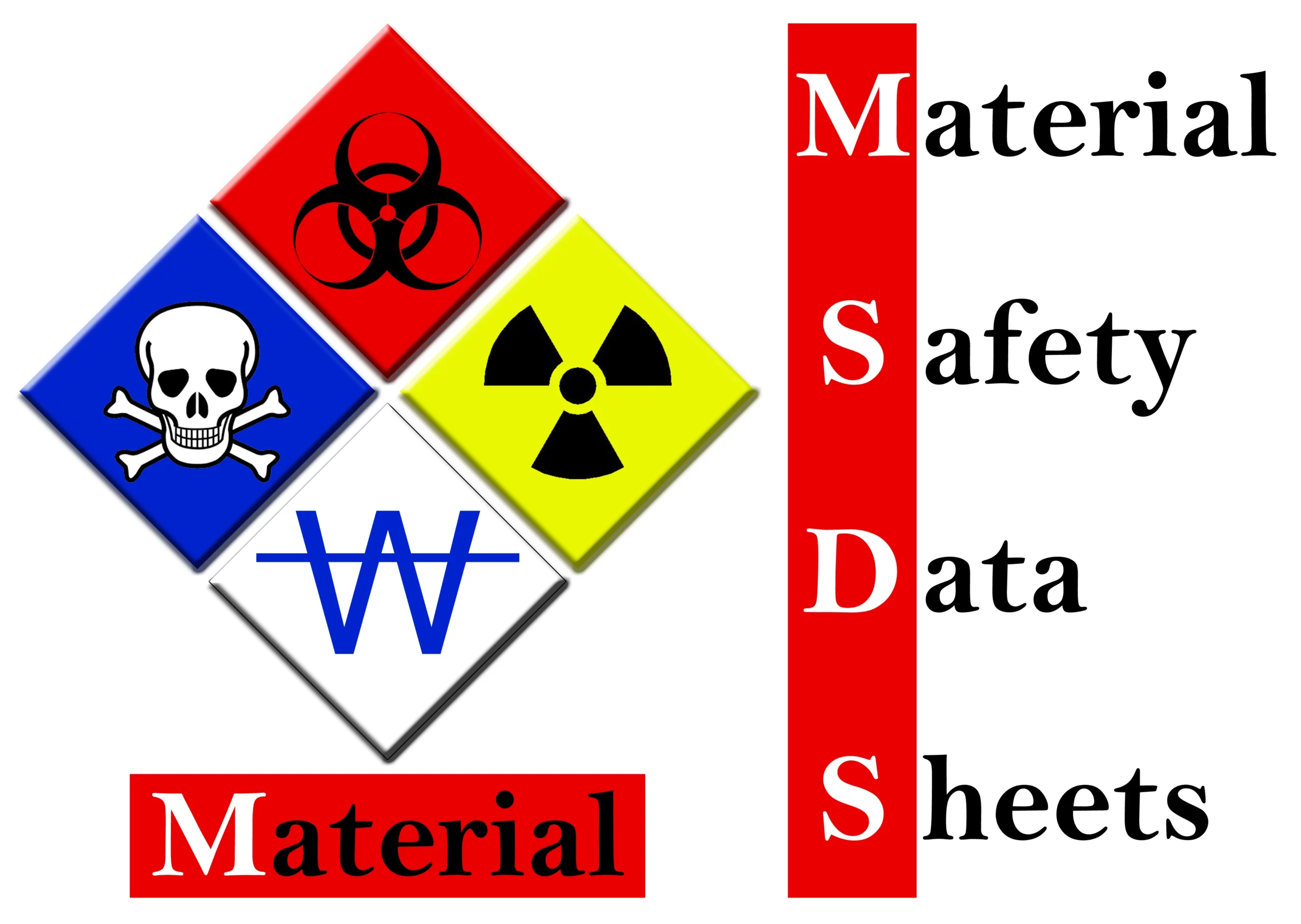
Safety Data Sheets: Key to OSHA Compliance in Healthcare
In healthcare facilities, managing medical waste and hazardous materials safely is crucial for protecting workers, patients, and the environment from chemical exposures and accidents. Safety Data Sheets (SDS) are at the heart of OSHA compliance programs, providing vital, comprehensive information on chemical hazards and safe handling procedures that every worker needs to know. SDS documents outline a substance’s physical and chemical properties, including health risks such as acute and chronic effects, as well as the protective measures required to minimize exposure and prevent injuries.
Keeping SDS up-to-date and accessible helps staff follow safe procedures for medical waste disposal, sharps container management, chemical handling, emergency response, and other critical tasks that involve potentially dangerous substances. Proper SDS management also complements other regulatory requirements that govern healthcare operations. For example, the secure disposal of patient records under HIPAA compliance must align with OSHA safety standards to create a comprehensive compliance framework that addresses both privacy and safety concerns simultaneously.
Understanding Safety Data Sheets (SDS) Secure Waste Explains
OSHA’s Hazard Communication Standard (29 CFR 1910.1200), commonly known as HazCom, mandates that any organization using hazardous chemicals must maintain a current SDS for each substance present in the workplace. This foundational requirement ensures that critical safety information is readily available when workers need it most, whether during routine operations or in emergencies. These standardized 16-section documents act as a single source of truth on a chemical’s dangers and safeguards, providing consistent information regardless of manufacturer or supplier.
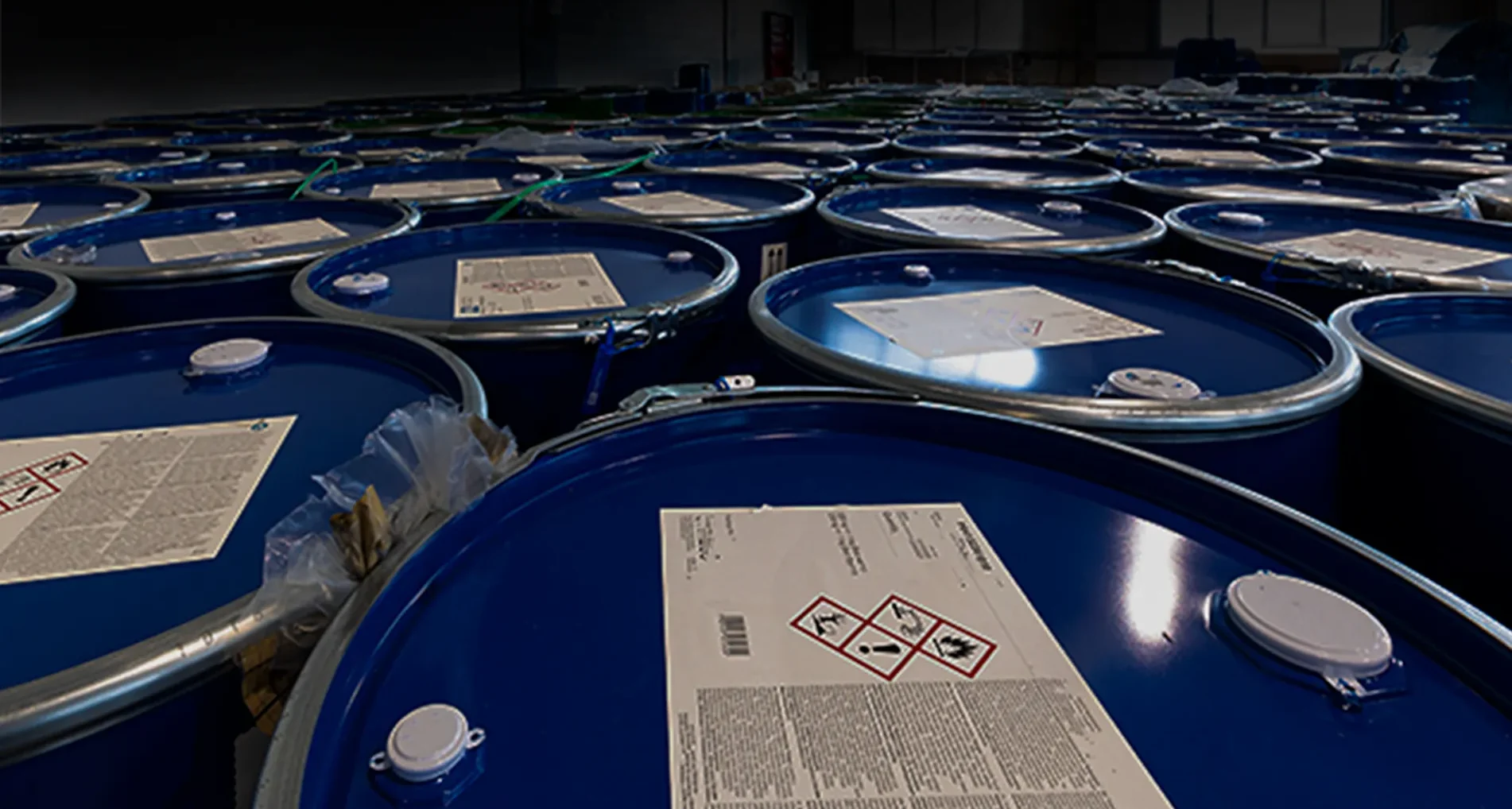
The 16-section format was adopted as part of OSHA’s alignment with the Globally Harmonized System (GHS) for chemical classification and labeling, creating international consistency. Key SDS sections include identification of the substance and supplier, hazard identification (including pictograms and signal words), composition and ingredient information, first-aid measures for various exposure routes, fire-fighting instructions (including suitable extinguishing media), and detailed handling and storage guidelines that prevent accidents and deterioration.
Sections 10 through 15 cover critical information about disposal methods that prevent environmental contamination, ecological effects that inform risk assessments, transport information for safe shipping, and regulatory information about applicable laws. For example, Section 13 lists explicitly safe disposal practices for the chemical, including any special precautions for landfill, incineration, or other treatment methods. By following SDS disposal instructions carefully, healthcare teams can support sustainable waste practices and prevent environmental contamination that could harm communities and ecosystems.
OSHA even provides detailed guides on SDS content requirements to aid training programs and help employers understand their obligations. These resources explain what information must be included in each section and how to interpret technical data for practical safety applications. Understanding the SDS format is essential for anyone working with chemicals, from custodial staff handling cleaning products to laboratory technicians working with reagents and clinicians administering hazardous drugs.
Failure to maintain SDS and comply with Hazard Communication requirements can be highly costly for healthcare organizations, particularly when handling medical waste. Hazard Communication violations consistently rank among OSHA’s most frequently cited violations year after year, reflecting widespread challenges with implementation. In fiscal year 2023 alone, OSHA issued 3,213 citations for Hazard Communication infractions across all industries, demonstrating the scope of non-compliance. Healthcare facilities account for a significant portion of these violations due to the diverse range of chemicals used in clinical, laboratory, and facility maintenance operations.
Penalties have risen steadily to account for inflation and increase deterrence. As of January 2025, the maximum fine for a serious OSHA violation is approximately $16,550 per violation, up from roughly $16,131 in 2024. Willful violations, which involve intentional disregard for the law, or repeated violations, where the same problem occurs multiple times, can result in fines exceeding $165,000 per incident. When various violations are found during a single inspection, penalties can quickly accumulate into six-figure totals that strain budgets. These figures underscore why SDS compliance is essential not just for safety but also for financial stewardship.
OSHA Compliance: Best Practices From Secure Waste Explained
Healthcare organizations, Doctors, dentists, and more must actively manage SDS programs to stay OSHA-compliant and protect workers from chemical hazards. Passive approaches that collect SDS in a binder without ongoing management often result in gaps and non-compliance. Below is a comprehensive checklist of key SDS compliance steps that should be implemented systematically:
Inventory All Chemicals: Conduct a thorough room-by-room audit of chemicals throughout your entire facility, including clinical areas, laboratories, housekeeping closets, maintenance shops, and administrative spaces. List every product regardless of perceived hazard level, from concentrated disinfectants to correction fluid. Obtain the latest SDS for each substance from manufacturers or suppliers, ensuring you have the most current version that reflects any formula changes or new hazard information.
Ensure Current SDS: When receiving new chemicals or updated SDS from manufacturers, compare versions carefully and integrate changes into your SDS management system. Update any SDS that has changed due to formula modifications, new research on health effects, or regulatory updates. Outdated SDS can provide incorrect safety information, putting workers at risk, so currency is critical. You can set up a system to automatically receive and process SDS updates.
Train Staff Regularly: Include comprehensive SDS literacy in new-hire orientation before employees begin working with chemicals, and provide annual safety training as required by OSHA to refresh knowledge and cover new hazards. Teach employees how to read and interpret key sections on hazards, required personal protective equipment (PPE), first-aid measures for various exposure scenarios, and emergency measures for spills or releases. Ensure everyone knows where SDS are stored, how to access them quickly during emergencies, and who to contact with questions. Training should be interactive and include hands-on practice locating and using SDS.
Maintain Easy Access: Store SDS in a searchable database or organized binder close to work areas where chemicals are used, ensuring access during all shifts, including nights and weekends. Digital SDS management systems can provide immediate electronic access from multiple locations, automatic updates when manufacturers issue revisions, and expedite compliance by eliminating the need for manual filing and searching. Modern cloud-based systems allow smartphone access, bringing safety information to the point of use.
Audit and Review: Periodically audit your SDS catalog to confirm nothing is missing, verify that all current chemicals have corresponding SDS, and ensure discontinued products are archived appropriately. OSHA recommends reviewing each SDS whenever new hazard information arises from research, incident investigations, or regulatory updates. Schedule regular audits on a quarterly or semi-annual basis to maintain program integrity.
Expert Tip: From Secure Waste
When selecting waste disposal partners or compliance vendors, ensure they support both OSHA and HIPAA requirements comprehensively. A trusted provider will handle regulated medical waste, chemical waste, and document shredding in accordance with strict OSHA and HIPAA standards, simplifying your compliance obligations through integrated services. Please ensure that you look for vendors who understand the intersection of safety and privacy regulations in the healthcare industry.
By following these steps systematically, a healthcare practice can significantly reduce risks of chemical exposure, regulatory citations, and workplace injuries. Modern SDS software makes this easier by automating many tasks. Digital catalogs enable instant SDS searches by product name or chemical ingredient, provide automatic updates when manufacturers release new versions, and issue compliance alerts when SDS are missing or outdated. Such systems help prevent oversight and keep staff informed without extensive manual effort or dedicated personnel.
Beyond SDS: HIPAA & Secure Disposal
OSHA safety is one side of the compliance coin; protecting patient information represents another equally important obligation. HIPAA compliance demands that any materials containing Protected Health Information (PHI) be securely destroyed so that information cannot be reconstructed by any reasonable means. For instance, patient charts with clinical notes, prescription labels identifying patients and medications, or lab results with diagnoses often accompany medical procedures and eventually require disposal.
If such items are placed in regular trash accessible to unauthorized individuals, the resulting breach can be costly and damaging to the reputation. One clinic paid $300,640 in HIPAA penalties for disposing of empty specimen containers that still bore patient identification labels in a public dumpster, where unauthorized individuals could retrieve them. This case demonstrates that even items that seem innocuous can constitute serious violations if they contain PHI. Secure waste removal of PHI through cross-cut shredding or pulping, which renders information unreadable, is as critical as chemical safety for comprehensive compliance.
Healthcare waste management must integrate both OSHA and HIPAA concerns in a seamless manner. A comprehensive solution involves treating sharps and chemicals in accordance with OSHA standards to protect workers, while disposing of confidential documents in accordance with HIPAA requirements to protect patient information. These parallel obligations require coordinated policies and training so staff understand both dimensions of waste management.
Partnering with a professional waste service can significantly simplify this dual compliance challenge. A knowledgeable provider will oversee all regulated waste streams, including biohazardous waste, sharps, pharmaceutical waste, chemical waste, and confidential document destruction, ensuring that on-site waste is collected safely, transported in accordance with applicable regulations, and destroyed in accordance with strict safety and privacy protocols. By centralizing OSHA and HIPAA compliance with a single qualified vendor, facilities protect their patients and staff while maintaining their reputation and avoiding penalties.
Safe Disposal and Sustainability
Finally, SDS compliance supports sustainable waste practices that reduce environmental impact while maintaining safety. Proper classification of chemicals based on SDS information, such as segregating hazardous versus non-hazardous waste streams, and following disposal instructions carefully, minimizes environmental harm from improper disposal. For example, SDS Section 13 often lists approved disposal methods, such as incineration at licensed facilities or chemical neutralization, which renders substances non-hazardous, along with precautions to prevent spills during transport or treatment.
Understanding chemical properties through SDS review helps facilities make informed decisions about disposal methods. Some chemicals can be neutralized on-site before disposal, reducing transportation risks and costs. Others require specialized incineration at high temperatures to ensure destruction. The SDS provides the technical information needed to select appropriate methods.
In general, reducing unnecessary incineration of medical plastics by properly segregating them from hazardous waste, recycling where safe, such as neutralized chemotherapy waste containers after decontamination, and using color-coded containers to facilitate proper sorting, improves overall sustainability while maintaining compliance. Many healthcare organizations have found that enhanced waste segregation based on accurate hazard information reduces both costs and environmental impact.
By auditing SDS and waste streams together, healthcare managers can implement greener protocols while staying compliant with all applicable regulations. This integrated approach identifies opportunities to minimize waste generation through product substitution, improve segregation to increase recycling, and select treatment methods with lower environmental impact. Sustainability and compliance are complementary goals, not competing priorities.
Conclusion
Effective SDS management is crucial for ensuring OSHA compliance and ensuring the safe disposal of healthcare waste in modern healthcare facilities. By keeping data sheets current through systematic update processes, training staff thoroughly on chemical hazards and protective measures, and maintaining easy access to SDS information during all shifts, medical facilities can avoid costly fines that drain budgets and prevent injuries that harm workers and disrupt operations.
In practice, combining SDS best practices with secure document destruction for PHI creates a comprehensive compliance strategy that addresses the full spectrum of healthcare waste management obligations. This integrated approach ensures that both worker safety and patient privacy receive appropriate attention and resources.
For expert guidance and waste removal services that meet all OSHA and HIPAA requirements while supporting environmental sustainability, contact Secure Waste. Their team delivers compliant, eco-friendly medical waste solutions tailored to your facility’s specific needs and waste streams. Visit Secure Waste today to protect your staff, patients, and community with safe, sustainable waste management that meets the highest standards of regulatory compliance.
Expert Medical Waste Management: With over 25 years of industry experience, Secure Waste is a trusted local leader in hazardous and biohazardous waste disposal across Maryland, Virginia, and Washington, D.C. Specializing in medical waste management, sharps needle disposal, and biohazard waste removal, the company ensures full compliance with federal, state, and local regulations while prioritizing environmental sustainability.
The company also offers additional services, including secure document shredding and sharps container sales, providing comprehensive solutions for healthcare facilities and businesses. Our cost-effective services help clients maintain regulatory compliance without unexpected costs.
With a commitment to customer satisfaction, Secure Waste offers tailored waste management plans that align with industry best practices. Their team of experts provides reliable, timely, and compliant services, making them the preferred choice for medical waste disposal. For a free waste quote or more information, visit www.securewaste.net