Safe Medical Waste Disposal in Maryland: What You Need to Know
Every day, hospitals, clinics, dental offices, and even home healthcare providers deal with medical waste—things like sharps, infectious materials, and leftover medications. If not disposed of properly, these can contaminate water, endanger sanitation workers, and pose serious health risks. In fact, did you know that over 300,000 needlestick injuries occur in the U.S. each year? According to the CDC (Centers for Disease Control and Prevention), many of these happen due to improper medical waste disposal—an issue that’s becoming a growing concern for Maryland’s sanitation workers and the public.
To address these risks, strict regulations from the MDE (Maryland Department of the Environment), along with federal agencies like the EPA and OSHA, ensure proper medical waste disposal in Maryland. But with different medical waste types requiring different handling methods, understanding the rules can feel overwhelming. That’s why this blog breaks it all down, helping you understand Maryland’s medical waste laws, best practices and how to stay compliant while protecting your community.
Maryland’s Medical Waste Disposal Regulations
In Maryland, medical waste—often called “special medical waste”—comes from healthcare facilities like hospitals, clinics, and labs. This includes biohazardous, infectious, or regulated waste that may carry harmful organisms capable of causing diseases in people.
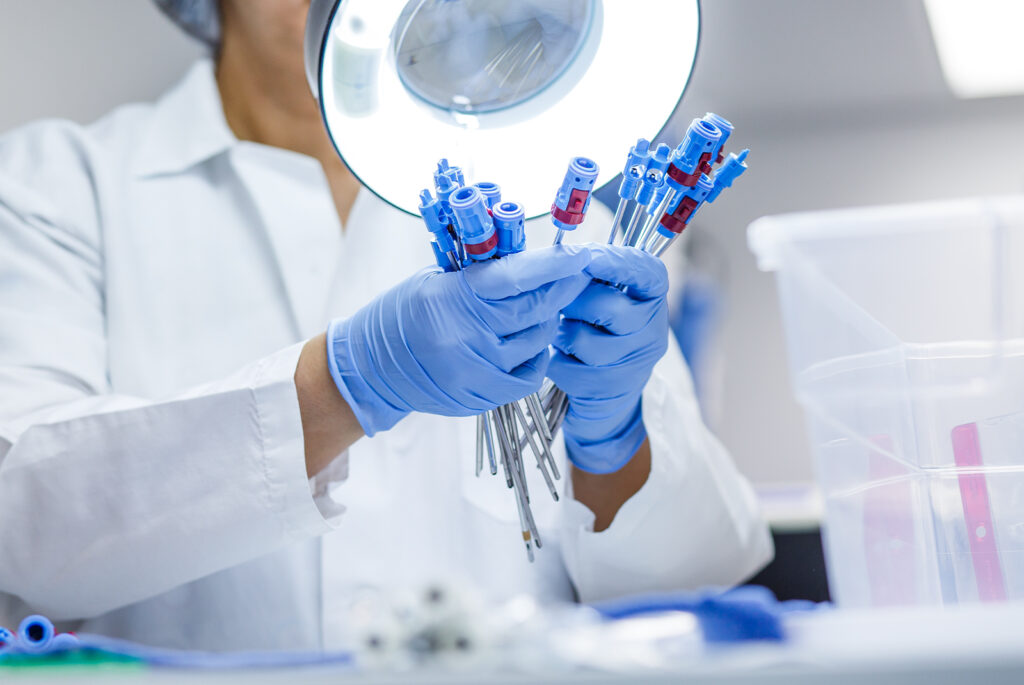
To keep the public and the environment safe, the Maryland Department of Health has put strict regulations in place for handling, treating, and disposing of this waste. That’s why medical waste generators must follow these rules to ensure everything is managed and disposed of properly.
- OSHA’s Bloodborne Pathogens Standard (29 CFR 1910.1030): Requires staff training and proper waste handling.
- EPA’s RCRA Regulations: Covers hazardous medical waste disposal in Maryland.
- Maryland COMAR 26.13.11: Governs special medical waste storage, transport, and treatment.
Further, facilities generating special medical waste (SMW) must:
- Get a Maryland Identification Number: Facilities must obtain this number from the MDE Hazardous Waste Program.
- Keep SMW Separate: Medical waste cannot be mixed with regular trash or general waste (as per COMAR 26.13.11.04).

Best Practices For Safe Medical Waste Disposal
Segregate Waste At The Source
Each type of waste has a specific category, ensuring safe handling and proper medical waste disposal. Here’s how it should be sorted:
| Type of Waste | Required Disposal Container |
| Sharps Waste (Needles, syringes, scalpels, lancets) | FDA-approved sharps containers (Red or Yellow, rigid, puncture-resistant) |
| Infectious Waste (Blood-soaked materials, bandages, IV tubing) | Red biohazard bags labeled “Infectious Waste” |
| Pathological Waste (Organs, tissues, body fluids over 100mL) | Yellow biohazard bags with “Pathological Waste” label |
| Pharmaceutical Waste (Expired medications, controlled substances) | Black or blue containers labeled “Pharmaceutical Waste” |
| Chemical Waste (Disinfectants, chemotherapy agents) | Leak-proof hazardous waste containers |
Ensure all medical waste containers have clear labels, including biohazard signs on red bags, sharps containers, and storage bins. Pathological waste requires an ‘Incineration Only’ label, and storage areas must have warning signs for safety.
Use Proper Storage Techniques
To keep medical waste safe and contained, always store it in secure, leak-proof containers to prevent spills. If you’re dealing with pathological waste, make sure to store it at 45°F or lower if it’s kept for more than 24 hours. And remember, all medical waste should be disposed of within 30 days, unless you have special permission to keep it longer.
Recordkeeping And Documentation
Maryland requires medical facilities to maintain disposal records for at least three years, including:
- Waste tracking manifests from haulers.
- Disposal certificates from treatment facilities.
- Training logs for employees handling waste.
Use Licensed Special Medical Waste Haulers In Maryland
In Maryland, only haulers with a Special Medical Waste Hauler Permit from the MDE can legally transport medical waste. That’s why you must opt for these certified haulers who follow strict regulations to ensure the safe disposal of medical waste while preventing environmental contamination and protecting public health.
Ensure Proper Waste Treatment and Disposal
The following are some of the approved medical waste treatment methods in Maryland:
- Autoclaving (Steam Sterilization): High-temperature steam kills bacteria and other biological threats.
- Incineration: This method burns pathological waste and pharmaceuticals at high temperatures.
- Chemical Disinfection: Used mainly for liquid waste and microbiological materials, this process sterilizes waste.
- Encapsulation of Sharps: Needles and other sharp objects must be either crushed or sealed in solidifying agents to prevent injuries and contamination.
Safe Disposal Of Controlled Substances
Controlled substances in Maryland must be disposed of following the DEA’s Disposal Act. Here are the main options:
- Reverse distribution: It refers to the process of returning unused or expired medications to the original manufacturer or a reverse distributor who is authorized to handle such substances. These distributors are responsible for ensuring the drugs are disposed of properly and in compliance with the law, preventing them from entering the waste stream or being misused.
- DEA-approved drug take-back programs: Maryland State Police regularly hold disposal events where you can safely drop off old or unused drugs.
- Onsite chemical neutralization: This method is only for non-controlled substances and helps break down the drugs before disposal.
Implement Emergency Spill Response Plans
Medical waste compliance in Maryland requires facilities to have clear spill response protocols to ensure safety. Have a look at what every facility should follow:
- Create a written spill response plan specifically for handling biohazardous waste.
- Provide staff with proper protective gear like gloves, face shields, and masks when dealing with waste.
- Use MDE-approved disinfectants such as bleach or peracetic acid to clean up spills effectively.
- Report major spills immediately by calling the MDE Emergency Response line at (866) 633-4686.
Licensed Medical Waste Disposal Services In Maryland
At Secure Waste Inc., we make certified medical waste disposal in Maryland easy and worry-free for all facilities. Our licensed team handles all types of medical waste, like biohazardous materials, sharps, hazardous waste, and pharmaceuticals, ensuring your facility stays safe and fully compliant with regulations. Additionally, we’re completely licensed, bonded, and insured for your peace of mind.
So, let us handle the hassle of medical waste disposal for you. Contact us today for a free waste assessment of any medical waste service and a personalized quote!
Expert Medical Waste Management: With over 25 years of industry experience, Secure Waste is a trusted local leader in hazardous and biohazardous waste disposal across Maryland, Virginia, and Washington, D.C. Specializing in medical waste management, sharps needle disposal, and biohazard waste removal, the company ensures full compliance with federal, state, and local regulations while prioritizing environmental sustainability.
The company also offers additional services, including secure document shredding and sharps container sales, providing comprehensive solutions for healthcare facilities and businesses. Our cost-effective services help clients maintain regulatory compliance without unexpected costs.
With a commitment to customer satisfaction, Secure Waste offers tailored waste management plans that align with industry best practices. Their team of experts provides reliable, timely, and compliant services, making them the preferred choice for medical waste disposal. For a free waste quote or more information, visit www.securewaste.net