
Rheumatology Medical Waste Disposal In The DMV – Expert Solutions From Secure Waste
Disposing of medical waste in rheumatology practices in the DMV is a critical responsibility that has far-reaching implications for the safety and health of healthcare professionals, patients, and the environment.
The task demands meticulous management of a variety of waste streams generated during treatment processes, each requiring careful consideration due to their distinct properties and potential hazards.

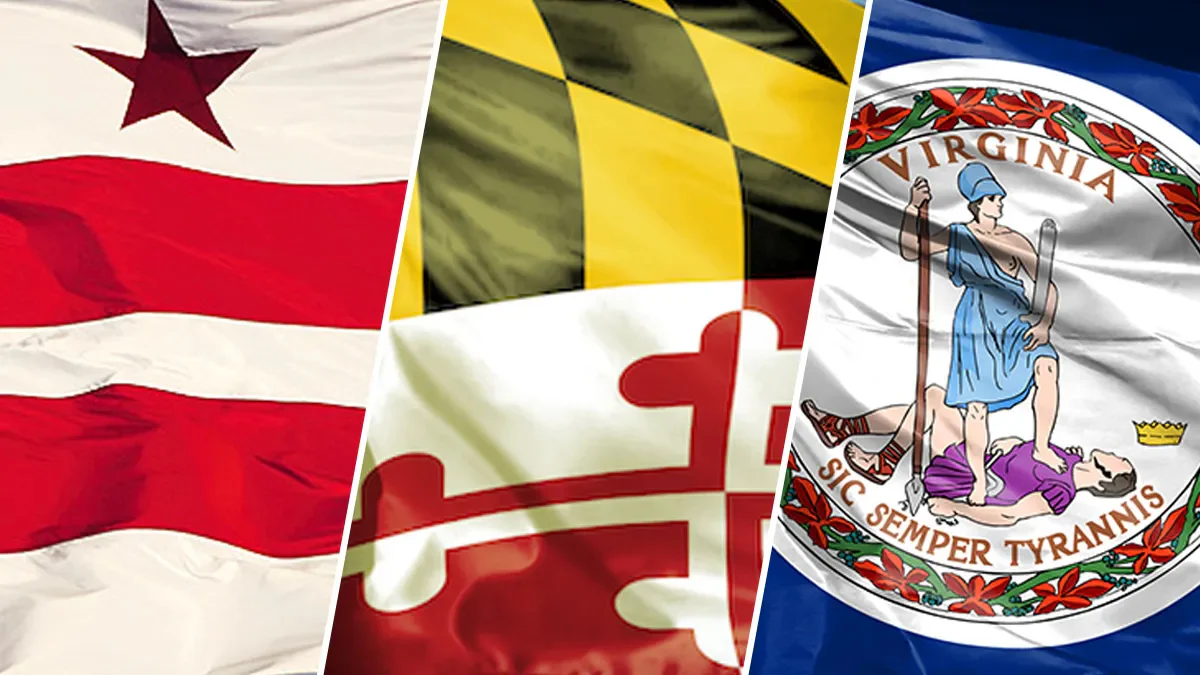
Welcome to Secure Waste, the premier provider of medical waste disposal services in the DC, MD, and VA areas, specifically tailored for rheumatology practices.
With over 25 years of experience, Secure Waste has been dedicated to supporting local healthcare facilities in the DMV with compliant and efficient medical waste management solutions.
Our expertise ensures your practice complies with all regulatory requirements while prioritizing safety and environmental responsibility. In this guide, we will explore the critical aspects of medical waste disposal within a rheumatology office, highlighting best practices, processes, and the importance of reliable waste management.
Let’s delve deeper into the nuances of waste disposal tailored to rheumatology and how Secure Waste can help streamline your medical waste handling procedures.
For instance, the disposal of sharps, often produced during joint injections, poses significant risks if not handled correctly.
These include needles, syringes, and scalpels that must be disposed of in specialized, puncture-resistant containers. This practice is essential to ensure that healthcare personnel can navigate their working environment without the fear of accidental needle-stick injuries that could lead to serious health threats.
In addition to sharps, regulated medical waste (commonly referred to as RMW or red bag waste) is another key component that necessitates careful handling.
Items that have been in contact with blood or bodily fluids—such as gauze, bandages, and certain cleaning materials—must be discarded in designated red biohazard bags.
This clear segregation not only facilitates the safe disposal of hazardous materials but also significantly reduces the risk of cross-contamination within clinical settings.
Furthermore, pharmaceutical waste encompasses unused, expired, or partially administered medications, as well as IV tubing and infusion bags that are no longer required.
These materials must be disposed of in specially designated containers, which are typically color-coded blue or black to denote their specific handling requirements. Effective management of pharmaceutical waste is essential in preventing environmental contamination and ensuring compliance with regulatory standards.
Another critical waste category in rheumatology is trace chemotherapy and biological waste. This includes items that have come into contact with biologic treatments, such as empty vials or supplies used with medications like Methotrexate (MTX) or TNF inhibitors.
The disposal of these materials requires heightened caution and adherence to specific incineration protocols to ensure safe and compliant waste management.
Disposal Options and Best Practices For DMV Rheumatology
To effectively manage medical waste, healthcare facilities have several disposal options available, tailored to meet their unique needs. One of the most efficient methods is to collaborate with professional medical waste disposal services, such as Secure Waste Disposal.
Secure Waste is a local specialized company that offers a comprehensive suite of services, including appropriate waste containers, scheduled pickups, and effective treatment options such as autoclaving or incineration. They also provide compliance training to ensure staff are educated about proper waste disposal practices.
For smaller practices that produce less waste, mail-back systems present a practical solution. These systems enable clinicians to securely package their sharps or pharmaceutical waste into USPS-approved, prepaid boxes, simplifying the logistics of transporting waste to licensed disposal facilities.
It is crucial to maintain secure on-site storage for all medical waste at the point of generation. This includes using clearly labeled containers that distinguish between different types of waste, helping prevent confusion and ensuring that all medical refuse is disposed of properly.
This vigilance is essential to protect staff and patients from potential exposure to hazardous materials.
DC-MD-VA Compliance and Safety
Compliance with regulatory standards, such as those set by the Occupational Safety and Health Administration (OSHA), is vital for maintaining a safe healthcare environment. Regular training on bloodborne pathogen standards for all staff members is essential to foster a safety culture.
Such training equips employees with the necessary knowledge to minimize risks, adhere to best practices, and recognize hazardous situations.
An equally important aspect of waste management is the meticulous segregation of different waste types.
Proper categorization is not only a matter of good practice but also enhances safety and can result in significant cost savings. For example, ensuring that non-contaminated materials are kept out of red biohazard bags can help avoid unnecessary waste management costs and facilitate more efficient disposal.
Finally, diligent record-keeping through accurate waste manifests is crucial. These documents not only track disposal processes but also fulfill compliance obligations. They provide a clear account of all waste generated and eliminated, serving as a valuable resource during inspections or audits.
By rigorously adhering to these detailed guidelines and best practices, healthcare professionals can collectively contribute to a safer medical environment while also protecting public health and promoting environmental sustainability.
The success of these efforts lies in our commitment to responsible waste management and compliance with regulations.
In Conclusion:
Secure Waste will save you money on Regulated healthcare waste disposal. We understand these hazards.
Staying informed and proactive is vital as new disposal management challenges arise. Together, we can prioritize health and safety, increase awareness, and promote responsible actions to create a healthier future for all in Maryland, Virginia, and D.C.
We provide reliable, compliant, and environmentally friendly waste disposal solutions tailored to your facility’s specific needs.
Disclaimer: This information is provided for reference purposes only and should not be considered as legal advice or factual information at the time of your reading. Regulations frequently change and can vary from state to state. We encourage you to contact your local regulatory authorities or Secure Waste directly for the most current information. Please note that Secure Waste is not liable, in part or in whole, for any information contained on this page or website.
Expert Medical Waste Management: With over 25 years of industry experience, Secure Waste is a trusted local leader in hazardous and biohazardous waste disposal across Maryland, Virginia, and Washington, D.C. Specializing in medical waste management, sharps needle disposal, and biohazard waste removal, the company ensures full compliance with federal, state, and local regulations while prioritizing environmental sustainability.
The company also offers additional services, including secure document shredding and sharps container sales, providing comprehensive solutions for healthcare facilities and businesses. Our cost-effective services help clients maintain regulatory compliance without unexpected costs.
With a commitment to customer satisfaction, Secure Waste offers tailored waste management plans that align with industry best practices. Their team of experts provides reliable, timely, and compliant services, making them the preferred choice for medical waste disposal. For a free waste quote or more information, visit www.securewaste.net