
Reducing Single-Use Plastic Bags in Healthcare: Practical Strategies for Sustainable Waste Management
Reducing Plastic Bag Use in Modern Healthcare Facilities
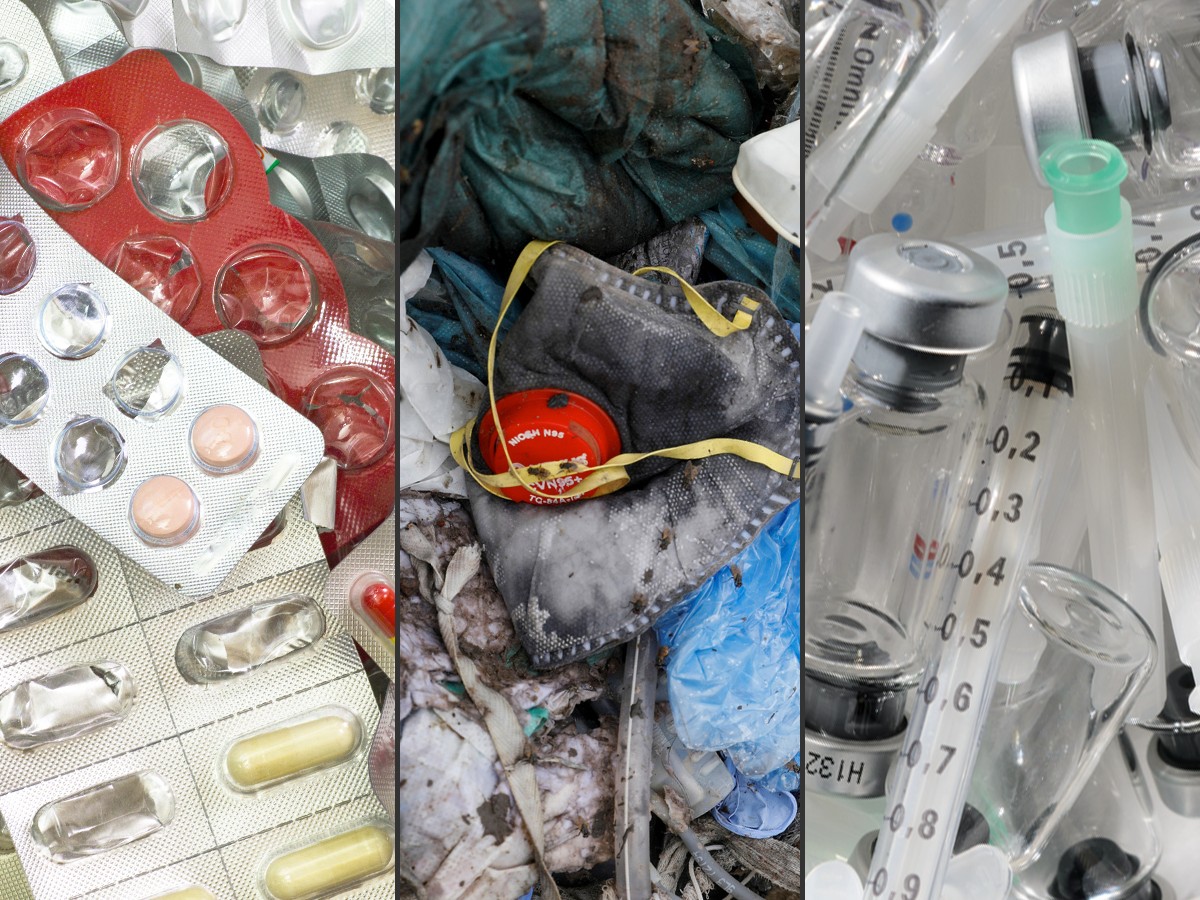
Healthcare facilities generate large amounts of single-use plastics every day, dealing with medical waste, and plastic bags are one of the most common contributors. As sustainability concerns rise and more states adopt legislation limiting the use of disposable plastics, healthcare leaders are reevaluating the use of plastic bags within their organizations. Although plastics are essential for infection control and sterile packaging, many disposable bags used in hospitals and clinics are not tied to patient safety or regulatory requirements. By identifying and implementing sustainable alternatives to unnecessary uses in medical waste management, healthcare facilities can significantly reduce their environmental footprint.
The healthcare sector is becoming more aware of how its operations contribute to plastic waste in landfills and waterways. Single-use plastics have become such a global concern that the term single-use has been recognized as one of the most essential words in public discourse. This reflects how widely the issue has spread and how many industries, including healthcare, now feel pressure to reduce disposable materials.
Understanding the Environmental Impact of Plastic Bags
Plastic bags have a long decomposition timeline, which means they accumulate quickly in landfills and remain in the environment for decades. When they enter waterways, they break down into microplastics that affect aquatic ecosystems and contaminate drinking water sources. Wildlife often consumes plastic bags by mistake, leading to digestion problems, poisoning, and death. This ecological damage is especially concerning when healthcare facilities inadvertently contribute to the issue through high-volume medical waste disposal.
Plastic bags also interfere with recycling operations. They easily tangle in sorting equipment and contaminate recyclables, which slows down processing and forces recycling centers to discard materials that could have been recovered otherwise. Healthcare organizations that want to support recycling must understand that reducing plastic bag usage is essential for smooth waste operations.
Operational Challenges in Healthcare Settings
Beyond environmental concerns, plastic bags create operational inefficiencies inside healthcare facilities. Plastic medical waste bags often get mixed with cardboard, paper, and other recyclable materials. This contamination leads to higher operational costs, increased sorting time, and potential fines if waste streams become too mixed. Healthcare facilities that use thousands of bags a month may unintentionally increase their own waste management expenses simply because disposable bags are used for tasks that do not require them.
Many facilities routinely use plastic bags to store patient belongings, transport small items, or carry non-hazardous materials. These functions do not require disposable plastics and can be replaced with reusable items without compromising infection control.
Reusable Alternatives for Healthcare Facilities
The most effective way to reduce plastic bag consumption is to replace bags with reusable options wherever possible. Some healthcare organizations have introduced reusable buckets or hard-sided containers for patient belongings. These containers can be sanitized between uses and recirculated many times. This small change can eliminate thousands of disposable bags per year.
Other facilities use cloth-based or reusable synthetic bags for non-clinical functions, such as transporting supplies or holding linens. When paired with appropriate cleaning procedures, reusable bags offer a safe and environmentally responsible alternative.
Secure Waste works with healthcare organizations to identify areas where disposable bags can be replaced without affecting workflow or patient care. This assessment often reveals that many plastic bags are being used out of convenience rather than necessity.
Improving Recycling for Plastic Bags That Must Be Used
Some plastic bags are still necessary in healthcare environments while handling biological or biohazard waste. In these cases, choosing recyclable materials, such as low-density polyethylene, can make a significant difference. To properly recycle these bags, facilities must create accessible drop-off points where staff can dispose of plastic film separately from regular recyclables.
Training is essential. Staff must be aware that bags containing debris or contamination cannot be recycled. These bags must be disposed of as regular municipal waste to avoid contaminating recycling loads.
Secure Waste helps facilities design recycling programs that align with workflow patterns and educates staff on proper segregation. Clear signage, color coding, and consistent reminders help staff quickly determine which bags can be recycled and which must be discarded.
Engaging Staff and Creating Awareness
For plastic reduction strategies to succeed, staff must understand the purpose behind them. Education should explain how plastic waste affects the environment, what alternatives are available, and how proper recycling helps reduce contamination. When staff see the direct impact of their choices, compliance tends to improve.
Environmental stewardship should also be incorporated into onboarding for new employees. This ensures that sustainable practices become an integral part of everyday routines, rather than optional tasks.
A Comprehensive Sustainability Mindset
Plastic bag reduction is only one part of a larger sustainability initiative. Healthcare facilities can also implement broader recycling programs, reduce packaging waste, decrease energy consumption, and adopt environmentally responsible purchasing strategies. By integrating multiple green initiatives, facilities demonstrate a commitment to environmental health that extends beyond regulatory compliance.
Secure Waste supports organizations by offering sustainability planning, waste stream assessments, and environmentally focused waste management programs. These programs help facilities identify opportunities to reduce plastic usage and improve overall waste efficiency.
Conclusion
Reducing the use of single-use plastic bags in healthcare settings is a practical and impactful way to improve environmental performance. By introducing reusable alternatives, enhancing recycling programs, and educating staff, healthcare organizations can minimize waste without disrupting daily operations. Secure Waste provides the expertise and tools needed to support these initiatives and help facilities achieve long-term sustainability goals. Visit SecureWaste.net to learn more about sustainable solutions for healthcare waste management.
Expert Medical Waste Management: With over 25 years of industry experience, Secure Waste is a trusted local leader in hazardous and biohazardous waste disposal across Maryland, Virginia, and Washington, D.C. Specializing in medical waste management, sharps needle disposal, and biohazard waste removal, the company ensures full compliance with federal, state, and local regulations while prioritizing environmental sustainability.
The company also offers additional services, including secure document shredding and sharps container sales, providing comprehensive solutions for healthcare facilities and businesses. Our cost-effective services help clients maintain regulatory compliance without unexpected costs.
With a commitment to customer satisfaction, Secure Waste offers tailored waste management plans that align with industry best practices. Their team of experts provides reliable, timely, and compliant services, making them the preferred choice for medical waste disposal. For a free waste quote or more information, visit www.securewaste.net