Pharmaceutical Waste vs. Medical Waste: What’s the Difference?
There’s one waste-handling mistake almost every healthcare facility makes- mixing pharmaceutical waste with medical waste.
Even trained staff get confused because both types often come from the same treatment areas, involve patient care materials, and appear similar during disposal.
But beneath that surface similarity, they behave very differently.
One waste stream carries risks related to chemical and drug contamination, while the other deals with infectious exposure and biohazards, and that contrast changes everything.
Mixing them leads to higher hazardous-waste costs, compliance issues, inspection failures, and avoidable safety risks.
Each waste stream follows its own strict guidelines, so understanding the differences is crucial to maintaining an efficient, compliant, and protected facility.
I’d like you to please read on to understand the differences between pharmaceutical waste management and medical waste management.
Medical and Pharma Waste DifferencesPharmaceutical waste consists of expired, unused, or contaminated medicines that can be harmful if not disposed of correctly. Medical waste includes sharps, bandages, and other biohazard materials from healthcare activities that can spread infection. Proper segregation and disposal of both types are essential for ensuring safety, compliance with legal requirements, and environmental protection. |
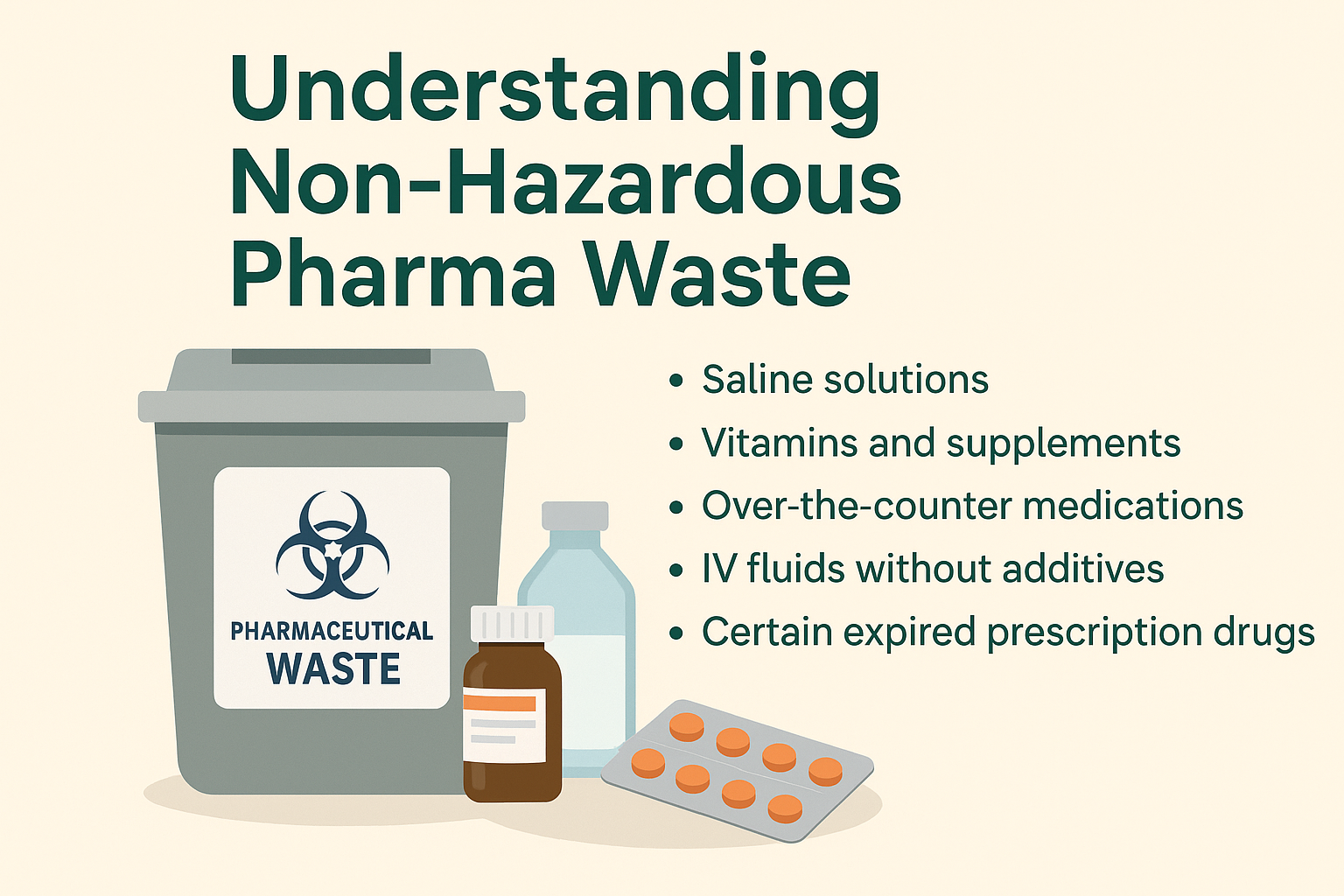
Key Differences Between Pharmaceutical and Medical Waste
Below is a detailed comparison that breaks down how these two waste types differ in composition, risks, handling guidelines, and disposal processes.
Definition and Core Nature
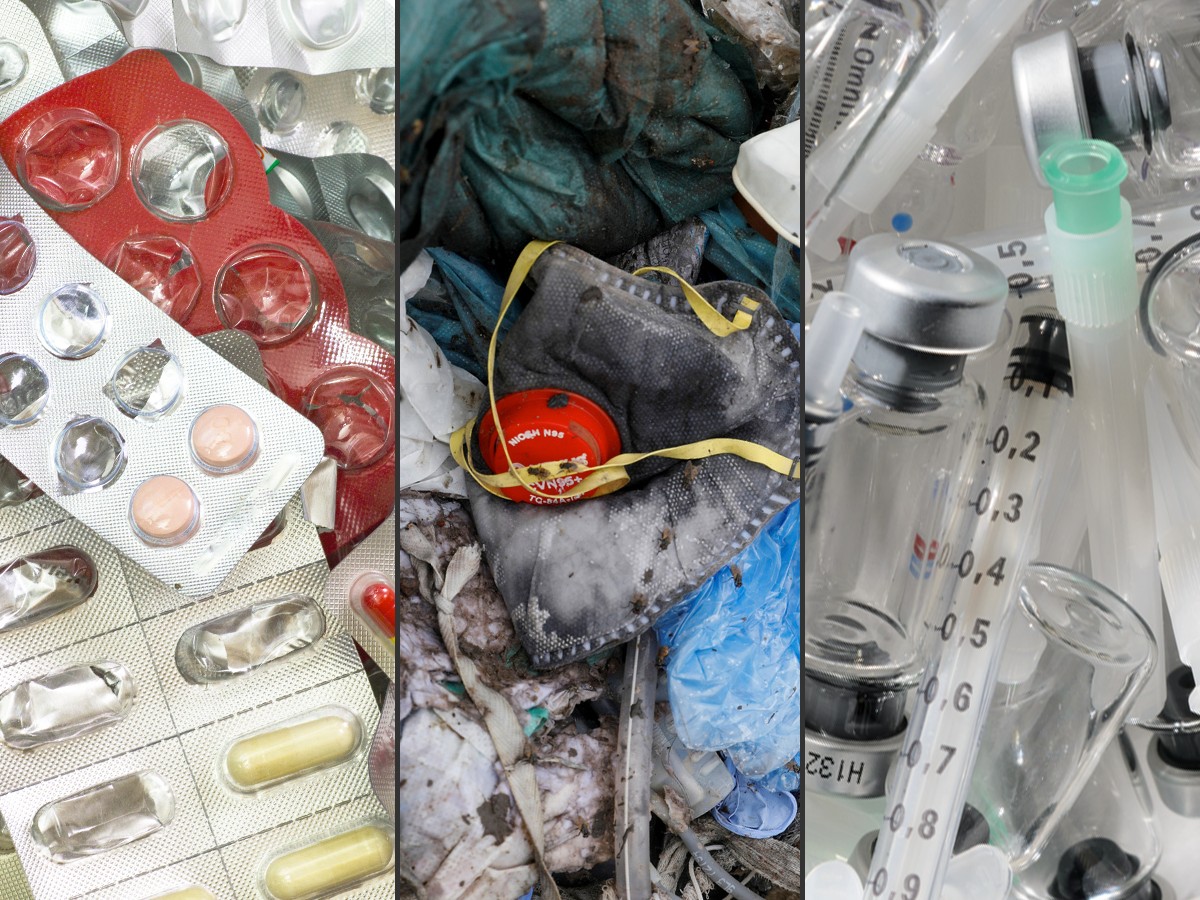
Pharmaceutical waste refers to expired, unused, contaminated, or partially used medications and drug products. This includes prescription drugs, over-the-counter medicines, vaccines, controlled substances, and IV solutions containing drugs. These items become waste when they are no longer safe or effective for patient use.
Medical waste, on the other hand, includes materials generated during treatment, diagnosis, or laboratory work. This waste is primarily biological, items contaminated with blood, body fluids, tissues, cultures, or infectious microorganisms. Sharps, such as needles and scalpels, also fall under this category.
Composition and Hazard Type
The hazard from mishandled pharmaceutical waste management is mostly chemical. Many drugs contain toxic, flammable, corrosive, genotoxic, or cytotoxic ingredients. Certain medications, especially chemotherapy agents, antibiotics, and hormonal drugs, can cause severe environmental harm if disposed of improperly.
With medical waste management, the primary hazard is biological. Bloodborne pathogens such as HIV, hepatitis B, hepatitis C, and other infectious agents can spread through improper handling. Items contaminated with bodily fluids or pathogens pose an immediate risk of infection to healthcare workers and waste handlers.
Regulatory Oversight
Environmental agencies regulate pharmaceutical waste management due to the chemical risks associated with it. Many countries follow guidelines similar to the Resource Conservation and Recovery Act (RCRA). Hazardous pharmaceutical products require documented handling, segregation, and special destruction processes. Controlled substances are subject to additional regulations to prevent misuse and diversion.
Medical waste is regulated by public health and infection control authorities, with a focus on handling, segregation, and treatment. Most regions require proper labeling of biohazard containers, secure transportation, and steam sterilization or incineration before final disposal. The rules aim to prevent infection among healthcare workers, waste handlers, and communities rather than protect against chemical hazards.
Segregation and Storage Requirements
Pharmaceutical waste must be stored in designated containers, often color-coded or explicitly labeled for medications. Hazardous drugs require special leak-proof, tamper-resistant containers. Segregation is significant because mixing hazardous pharmaceutical waste with general waste can result in violations and environmental harm.
Medical waste disposal is typically stored in red biohazard bags or yellow containers (depending on regional guidelines). Sharps must be placed in puncture-proof, rigid containers. Storage areas must be clearly labeled and separated from general waste zones. The goal is to prevent accidental infections, needle-stick injuries, and exposure to contaminated materials.
Treatment and Disposal Methods
Pharmaceutical waste disposal often requires high-temperature incineration or chemical neutralization to break down active ingredients. Specialized disposal companies must handle some drugs because they cannot be flushed or landfilled safely. Controlled substances must be destroyed under supervision with proper documentation.
Biomedical waste disposal is typically treated using autoclaves (steam sterilization), microwaving, or chemical disinfection. After sterilization, it can be shredded and disposed of as regular waste. Sharps and highly infectious items may still require incineration.
|
Maryland Medical Waste Incinerator Violation In a significant enforcement action, a central U.S. incinerator facility was fined $1.75 million for mishandling regulated medical waste and exposing the public to biohazardous materials, underscoring the critical need for compliant medical waste management practices. |
Environmental and Public Health Impact
Pharmaceutical waste, when mismanaged, can contaminate water bodies, harm aquatic life, disrupt ecosystems, and contribute to antimicrobial resistance. Drug residues in soil and water can have long-term effects on human health.
Improper medical waste management poses immediate dangers, including needle-stick injuries, infections, and disease outbreaks. Contaminated items can expose healthcare workers and sanitation staff to serious viruses and bacteria.
Wrapping Up:
From a distance, pharmaceutical and medical waste can appear identical. But once you look closer, the differences are enormous, and so are the rules for handling them. That’s why hospitals, clinics, pharmacies, and labs need to know exactly what goes where and how medical and pharmaceutical waste management should be.
To make things easier, consider using medical waste pickup services from Secure Waste. We take care of everything safely, responsibly, and with the environment in mind. If you have any questions, please don’t hesitate to reach out.
FAQs
Do small clinics need separate systems for pharmaceutical and medical waste?
Yes. Even small facilities must follow separate compliance rules to avoid fines and ensure safe disposal.
What happens if medical waste and pharmaceutical waste are mixed accidentally?
The entire batch is classified as hazardous pharmaceutical waste, which increases disposal costs and potentially violates regulations.
Do pharmaceutical and medical waste require different staff training?
Yes. Staff must learn how to identify drug-related hazards for pharmaceutical waste and infection-control procedures for medical waste. The risks and handling protocols differ.
Is it more expensive to dispose of pharmaceutical waste or medical waste?
Pharmaceutical waste, especially hazardous or controlled substances, incurs higher costs due to the need for specialized destruction methods and compliance tracking.
Why can’t pharmaceutical waste be autoclaved like medical waste?
Autoclaving only kills pathogens; it doesn’t destroy chemical compounds. Drugs require high-temperature incineration or chemical neutralization to break down active ingredients.
Expert Medical Waste Management: With over 25 years of industry experience, Secure Waste is a trusted local leader in hazardous and biohazardous waste disposal across Maryland, Virginia, and Washington, D.C. Specializing in medical waste management, sharps needle disposal, and biohazard waste removal, the company ensures full compliance with federal, state, and local regulations while prioritizing environmental sustainability.
The company also offers additional services, including secure document shredding and sharps container sales, providing comprehensive solutions for healthcare facilities and businesses. Our cost-effective services help clients maintain regulatory compliance without unexpected costs.
With a commitment to customer satisfaction, Secure Waste offers tailored waste management plans that align with industry best practices. Their team of experts provides reliable, timely, and compliant services, making them the preferred choice for medical waste disposal. For a free waste quote or more information, visit www.securewaste.net