Pathological Waste Disposal Guide for Healthcare Facilities In The DMV
Secure Waste offers comprehensive guidance on the proper procedures for packaging and preparing pathological waste for transportation.
This resource provides a detailed overview of the regulatory requirements for compliance with local, state, and federal laws governing hazardous materials.
Additionally, it outlines critical safety guidelines to promote safe handling practices and reduce the risk of exposure to harmful pathogens during waste management.
The document also emphasizes important training considerations for staff involved in handling and shipping pathological waste.
This includes recommendations for specific training programs, safety orientation sessions, and ongoing education to keep personnel informed of best practices and regulatory updates.
By equipping staff with the necessary knowledge and skills, Secure Waste aims to enhance safety and efficiency in the management of pathological waste.
Welcome to Secure Waste, your trusted leader in the healthcare waste management sector.
With over 30 years of experience, we specialize in providing affordable and compliant solutions for the safe handling, management, and final disposal of medical and pathological waste.
Serving the Washington D.C., Maryland, and Virginia areas, our dedicated team is committed to ensuring the highest standards of safety and compliance for our partners in the healthcare community.
At Secure Waste, we understand the unique challenges healthcare providers face in waste disposal and offer comprehensive services tailored to meet those needs. From efficient collection and transportation to responsible disposal, we prioritize environmental sustainability and regulatory compliance across all our operations.
We want to invite you to explore our services further and discover how Secure Waste can help your organization maintain a safe, compliant healthcare environment. Contact us today for more information, and let’s work together to manage your waste effectively!
How to Prepare Pathological Waste for Shipment
Disposing of pathological waste requires more than placing materials into a medical waste container.
Healthcare organizations must ensure that pathological waste is properly packaged, labeled, and prepared for transportation to maintain compliance with federal, state, and local regulations while protecting the safety of healthcare workers and waste treatment staff.
Proper handling procedures help prevent exposure to infectious materials and ensure that waste management processes remain safe and compliant.
What Is Pathological Waste?
Pathological waste is a specific category of regulated medical waste (RMW). It generally includes human or animal tissues and body parts that may contain infectious material or have the potential to transmit disease.
Common examples of pathological waste include human tissues, organs, surgical specimens, limbs, and other anatomical materials removed during medical procedures or laboratory testing.
These materials may be generated in many healthcare environments, including hospitals, laboratories, veterinary clinics, morgues, operating rooms, and labor and delivery units.
In some cases, pathological specimens are preserved in chemical solutions such as formalin or formaldehyde before disposal.
How Pathological Waste Is Regulated
In the United States, many states have specific regulations governing the handling and disposal of pathological waste. Currently, more than thirty states maintain detailed rules regarding the management of this waste stream.
Pathological waste management may also involve related materials such as paraffin wax tissue blocks, animal carcasses, and specialized infectious materials.
Paraffin wax blocks containing tissue samples must typically be packaged and identified separately during disposal.
Animal carcasses can be treated as pathological waste, although weight limits and handling procedures often apply.
Certain types of infectious material, such as prion waste, require specialized treatment because they are resistant to conventional sterilization methods. Incineration is generally considered the most effective method for destroying these materials.
Pathological Waste Treatment Requirements
Most pathological waste must be incinerated, rendering the material noninfectious and unrecognizable before final disposal.
For this reason, pathological waste must be segregated from general regulated medical waste and packaged specifically for incineration processing.
Proper segregation ensures that treatment facilities can safely manage the waste while meeting regulatory and environmental standards.
Preparing Pathological Waste for Shipment
Healthcare facilities must follow strict packaging requirements before pathological waste can be collected and transported for treatment.
One of the most important requirements is that pathological waste must be removed from chemical preservatives before shipment.
If tissues are preserved in chemicals such as formalin or formaldehyde, those chemicals must be decanted and handled separately before the waste is packaged.
The waste should then be placed in containers clearly labeled for pathological waste and intended for incineration.
Pathological waste should never be mixed with standard regulated medical waste or placed in containers designated for other waste streams.
Containers must be properly sealed, securely closed, and labeled in accordance with applicable waste packaging requirements.
Facilities should also avoid overfilling containers to ensure safe handling and transport.
Why Chemical Preservatives Must Be Removed
Chemical preservatives commonly used in pathology laboratories often contain formaldehyde.
Exposure to formaldehyde can pose serious health risks for workers who handle medical waste, including waste collection personnel and treatment facility staff.
Removing these chemicals before packaging helps reduce exposure risks and supports compliance with occupational safety regulations.
Proper packaging procedures protect everyone involved in the waste management process, from healthcare staff to transportation personnel and disposal facility operators.
Best Practices for Handling Pathological Waste
Healthcare organizations should establish clear protocols for safely managing pathological waste.
Staff members should follow internal safety guidelines when handling preserved tissues and chemical solutions.
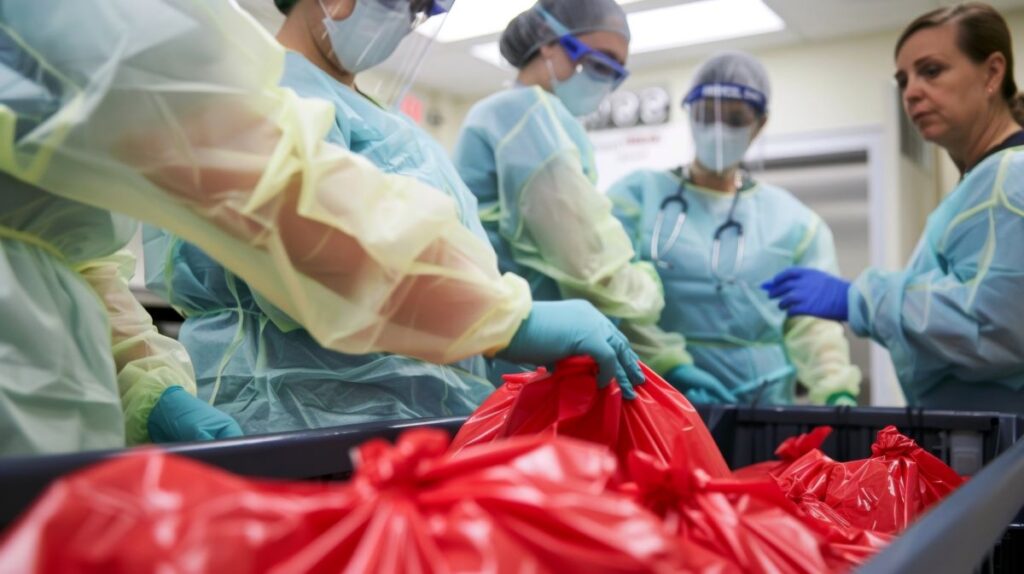
When decanting preservatives, employees should use appropriate protective equipment and follow facility safety procedures.
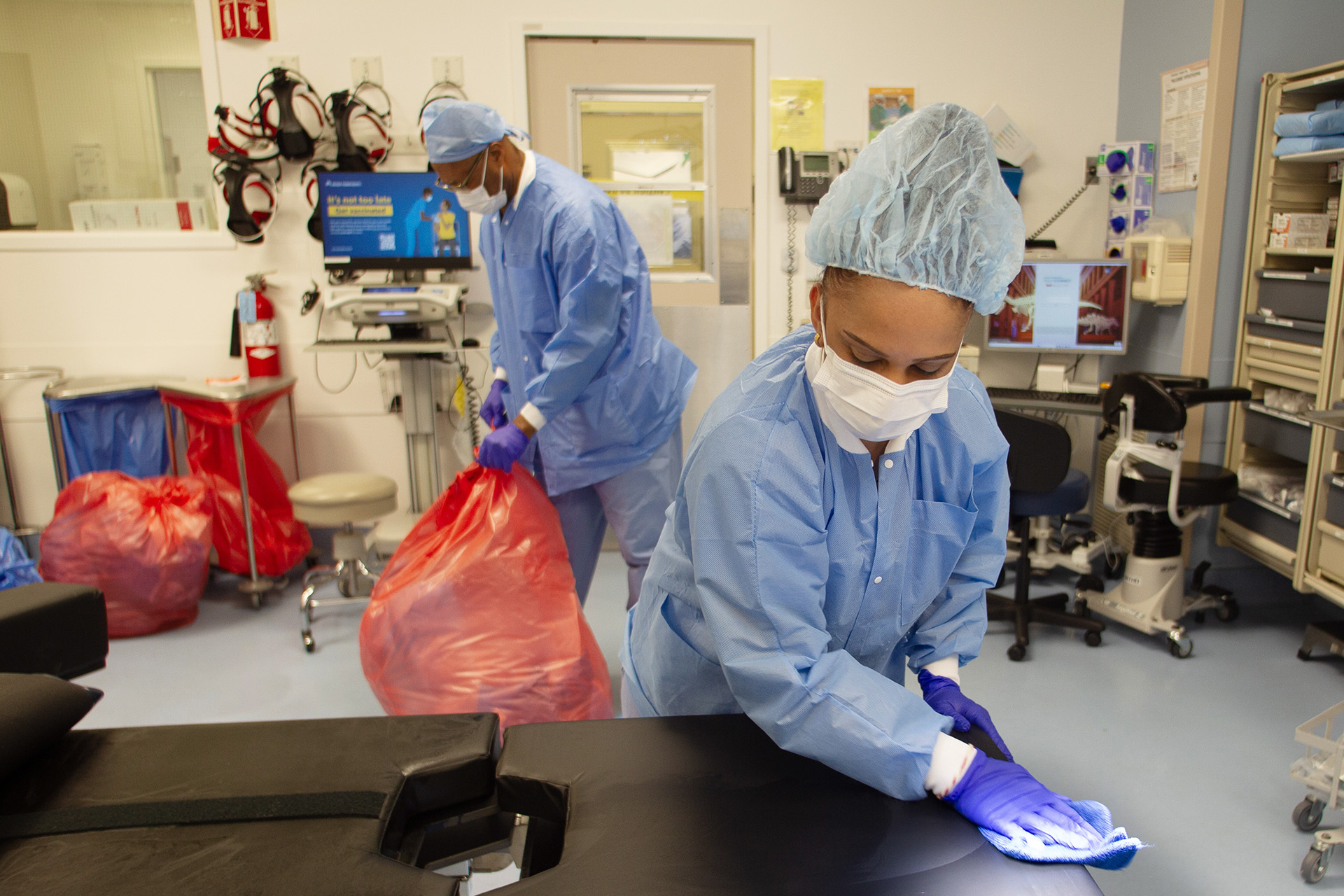
Waste bags containing pathological materials should be securely tied and placed in fully sealed containers before shipment.
Containers must be clearly labeled to indicate that they contain pathological waste intended for incineration treatment.
Facilities should also ensure that containers meet weight limits and packaging standards established by their waste management providers.
The Importance of Training
Training plays a critical role in maintaining safe and compliant pathological waste management practices.
Healthcare staff who handle medical waste should receive education about the risks associated with infectious materials and the procedures required for safe disposal.
Some states require both initial orientation and annual refresher training for employees who handle regulated medical waste.
Additionally, federal workplace safety standards require training to help prevent accidental injuries and reduce exposure to bloodborne pathogens.
Employees responsible for packaging and shipping medical waste must also receive training on hazardous materials transportation requirements, typically within ninety days of starting their role or when job responsibilities change.
Effective training programs help ensure that all staff members understand their responsibilities and follow proper waste management procedures.
Improving Compliance and Safety
Healthcare organizations that implement strong training programs, clear procedures, and proper waste segregation practices can significantly reduce risks associated with pathological waste.
Working with experienced waste management partners can also help facilities stay informed about changing regulations and best practices.
By maintaining strict handling protocols and educating staff on safe disposal procedures, healthcare providers can protect employees, ensure compliance, and support safe waste treatment operations.
In Conclusion:
Secure Waste will save you money on Regulated healthcare waste disposal. We understand these hazards.
Staying informed and proactive is vital as new disposal management challenges arise. Together, we can prioritize health and safety, increase awareness, and promote responsible actions to create a healthier future for all in Maryland, Virginia, and D.C.
We provide reliable, compliant, and environmentally friendly waste disposal solutions tailored to your facility’s specific needs.
Disclaimer: This information is provided for reference purposes only and should not be considered as legal advice or factual information at the time of your reading. Regulations frequently change and can vary from state to state. We encourage you to contact your local regulatory authorities or Secure Waste directly for the most current information. Please note that Secure Waste is not liable, in part or in whole, for any information contained on this page or website.
Expert Medical Waste Management: With over 25 years of industry experience, Secure Waste is a trusted local leader in hazardous and biohazardous waste disposal across Maryland, Virginia, and Washington, D.C. Specializing in medical waste management, sharps needle disposal, and biohazard waste removal, the company ensures full compliance with federal, state, and local regulations while prioritizing environmental sustainability.
The company also offers additional services, including secure document shredding and sharps container sales, providing comprehensive solutions for healthcare facilities and businesses. Our cost-effective services help clients maintain regulatory compliance without unexpected costs.
With a commitment to customer satisfaction, Secure Waste offers tailored waste management plans that align with industry best practices. Their team of experts provides reliable, timely, and compliant services, making them the preferred choice for medical waste disposal. For a free waste quote or more information, visit www.securewaste.net