Medical Waste Segregation In Healthcare: What Goes Where – Expert Solutions From Secure Waste
Proper medical waste segregation is a critical responsibility for healthcare organizations of all sizes. From hospitals and outpatient clinics to dental offices and veterinary practices, every facility generates waste streams that carry varying levels of risk. Misclassification or improper disposal not only threatens staff and patient safety but can also result in regulatory violations, environmental harm, and financial penalties. A clear, well-enforced waste segregation program ensures that materials are disposed of safely, efficiently, and in compliance with applicable regulations.
Medical waste segregation begins with understanding the types of waste generated within a facility and the disposal methods required for each category of garbage. When staff members are confident about what belongs in which container, the risk of exposure incidents and contamination drops significantly.
Understanding Regulated Medical Waste
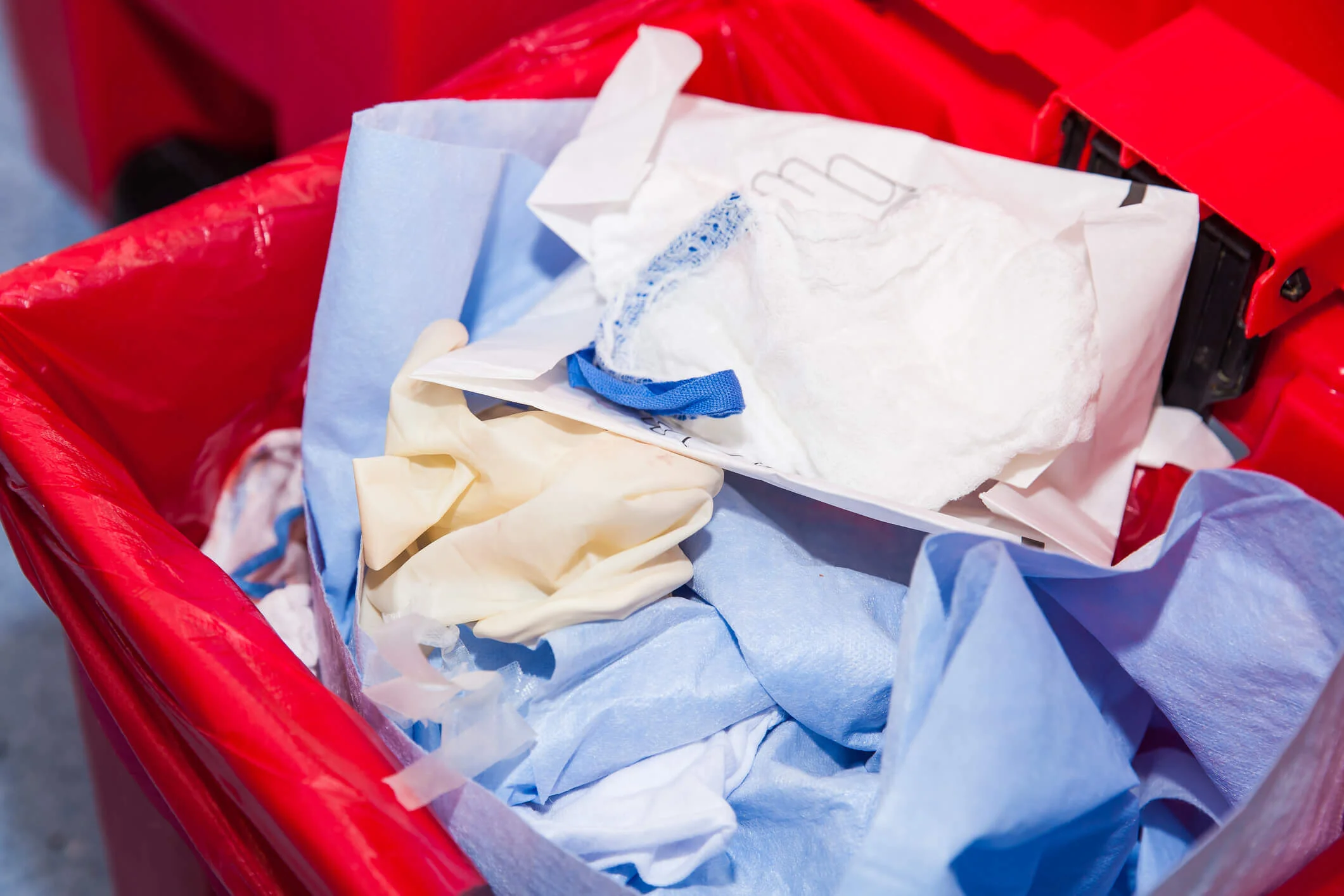
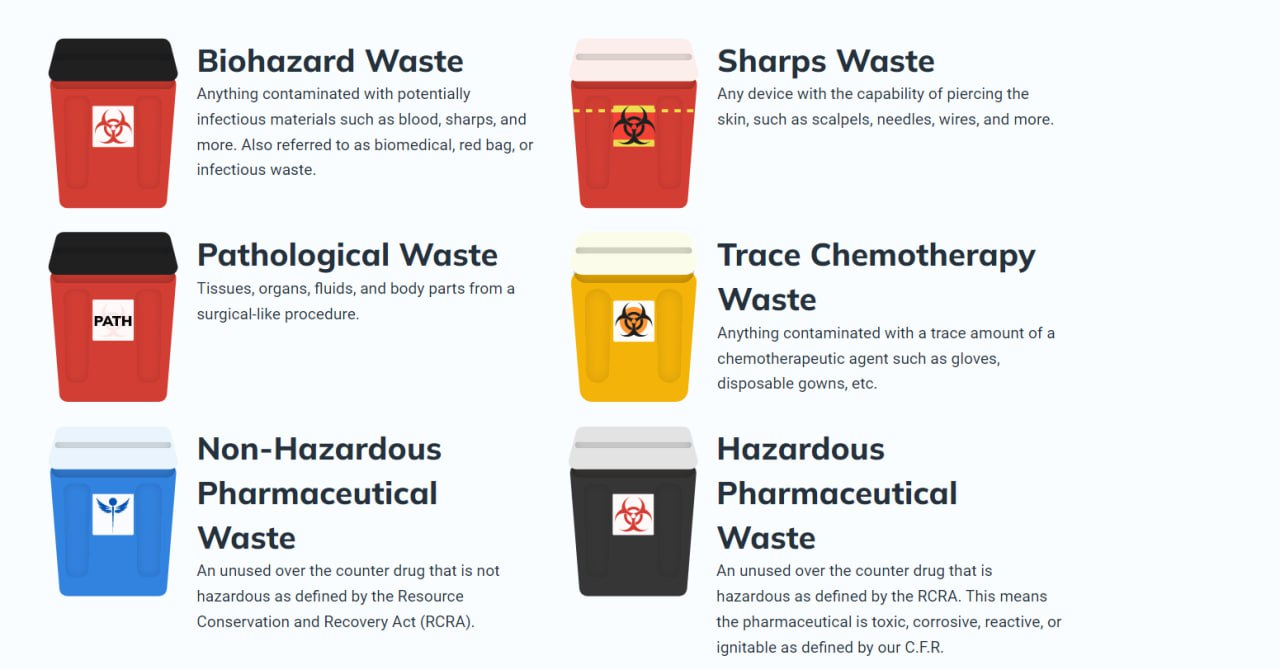
Regulated medical waste typically includes materials contaminated with blood or other potentially infectious body fluids, which pose a risk of disease transmission. Common examples include blood-soaked gauze, surgical drapes, laboratory cultures, and items saturated with bodily fluids. Used sharps, such as needles, scalpels, and lancets, also fall under this category.
Non-sharp regulated medical waste is typically disposed of in red biohazard bags that are clearly labeled and leak-resistant. These bags should be placed in areas where care is delivered so staff can dispose of waste immediately after use. Delayed disposal increases the risk of accidental exposure.
Sharps require puncture-resistant containers designed to prevent needlestick injuries. These containers must be closable, leak-proof on the sides and bottom, and designed to avoid overfilling. Placement is critical. Sharps containers should be positioned as close as possible to the point of use, so staff never have to carry exposed sharps across a room or hallway.
The Importance of Hazardous Waste Identification
Hazardous waste presents a different level of risk and requires more stringent controls. These materials can be toxic, corrosive, ignitable, or reactive, making improper handling hazardous to both people and the environment. Healthcare facilities commonly generate hazardous waste through laboratory operations, the use of cleaning chemicals, maintenance activities, and the disposal of pharmaceuticals.
The Resource Conservation and Recovery Act establishes the framework for identifying hazardous waste. Waste may be considered dangerous if it appears on specific regulatory lists or exhibits hazardous characteristics, such as flammability, corrosivity, reactivity, or toxicity. Facilities must assess their waste streams to determine which materials meet these criteria.
Once identified, hazardous waste must be stored in properly labeled containers that clearly describe the contents and associated hazards. Containers must remain closed when not in use and stored in designated accumulation areas that meet regulatory requirements. Staff must be trained to recognize hazardous waste and understand the consequences of improper disposal.
Managing Hazardous Pharmaceutical Waste
Pharmaceutical waste is one of the most frequently misunderstood waste streams in the healthcare industry. Not all unused or expired medications are considered hazardous, but some contain chemicals that trigger hazardous waste classifications. Determining whether a pharmaceutical is dangerous depends on its chemical composition and regulatory status at the time of disposal.
Hazardous pharmaceutical waste must be segregated from non-hazardous medications and placed in clearly marked containers designed for that purpose. These containers should never be mixed with regulated medical waste or general trash. Mixing incompatible waste types can lead to chemical reactions that pose significant safety risks.
Facilities must also consider compatibility when managing pharmaceutical waste. Certain chemicals should never be stored together. For example, oxidizers must be kept separate from flammable substances to prevent fires or explosions. Clear labeling and container segregation help prevent dangerous interactions.
Strategic Placement of Waste Containers
The location of waste containers plays a significant role in compliance and safety. Containers must be accessible to staff while remaining secure from public access. Poor placement can lead to improper disposal, overfilled containers, and increased exposure risks.
For hazardous pharmaceutical waste, ideal locations often include medication rooms, treatment areas, or secured nursing stations. These areas enable staff to dispose of garbage immediately, with access restricted to authorized personnel only. Public places such as waiting rooms or hallways should never contain hazardous drug disposal containers.
Regulated medical waste containers should be positioned wherever patient care occurs. Staff should not need to leave a procedure area to dispose of contaminated materials. Convenience supports compliance and reduces the likelihood of errors.
Training and Staff Accountability
Even the best waste segregation plan will fail without proper staff education. Employees must understand how to identify different types of waste and know which containers to use. Training should be provided during onboarding and reinforced through regular refreshers.
Practical training goes beyond simple instructions. Staff should understand why segregation is necessary, how improper disposal affects safety, and what actions to take if they encounter a disposal issue. Clear signage, visual aids, and color-coded containers further reinforce correct behavior.
Accountability is equally important. Facilities should assign responsibility for monitoring waste segregation practices, inspecting containers, and addressing non-compliance. Routine audits help identify gaps and reinforce expectations.
Environmental and Community Impact
Improper medical waste disposal not only affects healthcare facilities but also hurts the environment. When hazardous or regulated waste enters landfills or water systems, it poses risks to sanitation workers, wildlife, and surrounding communities. Adequate segregation reduces environmental contamination and supports responsible healthcare operations.
Healthcare organizations are increasingly evaluated on their environmental stewardship. A robust waste management program demonstrates a commitment to public health and sustainability, while also protecting the organization from reputational and regulatory risks.
Building a Reliable Waste Segregation Program
A successful waste segregation program is proactive, well-documented, and continuously evaluated. Facilities should regularly review their waste streams, update policies as regulations change, and involve staff in efforts to improve waste management. Clear procedures, consistent training, and proper container placement form the foundation of compliance.
Secure Waste supports healthcare organizations by providing compliant waste management solutions designed to enhance safety, mitigate risk, and streamline regulatory obligations. Learn more at https://www.securewaste.net/.
Final Thoughts
Medical waste segregation is not optional or secondary; it is essential. It is a core safety practice that protects healthcare workers, patients, and the communities they serve. By understanding waste categories, using appropriate containers, training staff effectively, and maintaining vigilant oversight, healthcare organizations can meet regulatory expectations while promoting a safer and more responsible care environment.
Expert Medical Waste Management: With over 25 years of industry experience, Secure Waste is a trusted local leader in hazardous and biohazardous waste disposal across Maryland, Virginia, and Washington, D.C. Specializing in medical waste management, sharps needle disposal, and biohazard waste removal, the company ensures full compliance with federal, state, and local regulations while prioritizing environmental sustainability.
The company also offers additional services, including secure document shredding and sharps container sales, providing comprehensive solutions for healthcare facilities and businesses. Our cost-effective services help clients maintain regulatory compliance without unexpected costs.
With a commitment to customer satisfaction, Secure Waste offers tailored waste management plans that align with industry best practices. Their team of experts provides reliable, timely, and compliant services, making them the preferred choice for medical waste disposal. For a free waste quote or more information, visit www.securewaste.net