
Managing Workplace Stress In Healthcare | Mental Health Awareness
Secure Waste provides an in-depth exploration of strategies healthcare organizations in the DMV can use to identify, manage, and mitigate workplace stress effectively.
This comprehensive approach is essential for fostering a supportive environment that enhances healthcare providers’ well-being.
By addressing the sources of stress and implementing targeted interventions, organizations can significantly improve staff morale and help prevent burnout.
Our discussion includes practical tools and techniques for recognizing stressors, promoting a culture of open communication, and emphasizing self-care practices.
We also explore the importance of providing mental health resources and the benefits of creating a work environment that prioritizes balance and resilience. Ultimately, these measures not only enhance individual well-being but also improve patient care and organizational effectiveness.
How to Identify and Manage Workplace Stress in The Healthcare Industry
May is Mental Health Awareness Month, a time dedicated to recognizing and supporting the millions of Americans affected by mental health conditions. Mental health influences how individuals think, feel, and act, and it directly affects how they handle stress, relate to others, and make decisions. In high-pressure industries like healthcare, workplace stress can quickly escalate into serious physical and emotional consequences if left unaddressed.
Workplace stress occurs when job demands exceed an individual’s resources or ability to cope. Studies show that 83% of U.S. workers experience work-related stress, and more than half report that it negatively impacts their personal lives. Globally, the World Health Organization estimates that depression and anxiety result in approximately 12 billion lost working days annually. Healthcare professionals are particularly vulnerable due to the emotionally intense and physically demanding nature of their work.
The challenges intensified during the COVID-19 pandemic, as healthcare workers faced staffing shortages, increased workloads, prolonged exposure to critical incidents, and insufficient protective resources. Many professionals experienced emotional fatigue, grief, and burnout. Even beyond the pandemic, these pressures remain present in hospitals, clinics, long-term care facilities, and other healthcare settings.
The Impact of Unmanaged Stress in Healthcare
When workplace stress is not effectively managed, organizations may experience:
High absenteeism
Increased employee turnover
Declines in performance and productivity
Low staff morale
Higher rates of illness and workplace incidents
For healthcare facilities, these consequences extend beyond workforce concerns. Provider well-being directly influences the quality and safety of patient care and operational stability. Chronic stress can impair decision-making, reduce concentration, and increase the risk of errors.
Unique Stressors in the Healthcare Environment
Healthcare workers routinely operate in conditions that elevate stress levels. According to occupational safety research, common contributing factors include:
Exposure to trauma, illness, suffering, and death
Emotional strain from patient and family interactions
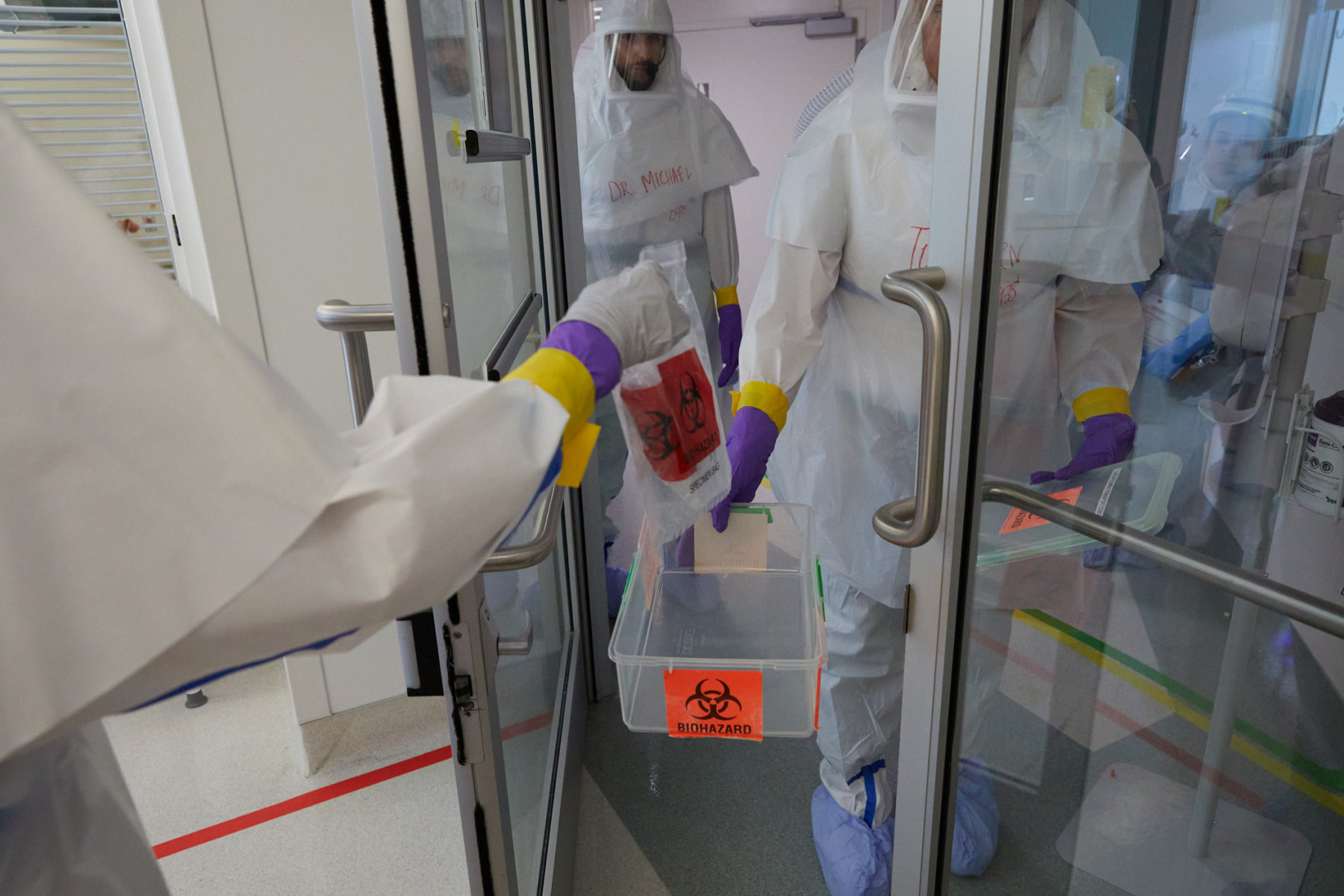
Risk of infectious disease and hazardous exposures
Long, unpredictable hours and emergency scheduling
Staff shortages that increase individual workloads
Financial pressures and unstable work-life balance
Healthcare professionals often prioritize patient needs above their own well-being. While admirable, this tendency can lead to neglecting personal health, delaying help-seeking behaviors, and prolonging burnout cycles.
Recognizing Signs of Stress and Burnout
Early identification of stress symptoms is critical. Common warning signs may include:
Persistent fatigue
Difficulty concentrating
Irritability or emotional withdrawal
Reduced motivation
Sleep disturbances
Increased absenteeism
Leaders and supervisors should encourage open communication and monitor workplace culture to identify patterns of distress among staff.
Strategies for Employers to Reduce Workplace Stress
Healthcare organizations can take proactive steps to promote mental well-being and build staff resilience.
- Set Realistic Expectations
Encourage reasonable workloads and promote regular breaks during shifts. Supporting self-care routines—such as adequate sleep, balanced nutrition, and recovery time—can help mitigate stress. - Provide Accessible Mental Health Resources
Please ensure employees are aware of counseling services, employee assistance programs, peer support initiatives, and stress management tools. - Foster Open Dialogue
Create a culture where discussing mental health is normalized. Leaders should invite feedback, actively listen to concerns, and collaborate on practical solutions. - Offer Ongoing Training and Education
Training programs in resilience, stress recognition, and coping strategies empower staff to manage emotional demands better. - Improve Operational Efficiency
Reducing unnecessary administrative burdens can significantly lower stress levels. Streamlining processes, clarifying protocols, and improving workplace organization allow clinicians to focus on patient care rather than navigating inefficiencies.
Steps Healthcare Workers Can Take
While organizational support is essential, individuals can also implement personal stress management techniques.
Track stress triggers to identify patterns.
Engage in regular physical activity.
Practice mindfulness or relaxation exercises
Set boundaries around work availability.
Could you take time off when possible?
Seek professional mental health support if needed.
Small, consistent actions can make meaningful differences in overall well-being.
Operational Improvements That Support Mental Health
Operational stressors—such as inefficient workflows or complex compliance procedures—can intensify emotional strain. Simplifying systems within healthcare facilities can reduce cognitive load and free up time for direct patient care.
For example, streamlined medical waste management processes reduce confusion, training inconsistencies, and administrative burden. A standardized, integrated approach to regulated waste handling minimizes the need for multiple vendor coordination and redundant procedures. By simplifying environmental services operations, healthcare organizations can help reduce daily stressors that contribute to burnout.
Creating a Sustainable Culture of Support
Addressing workplace stress in healthcare requires a comprehensive approach. Leadership commitment, employee engagement, and operational efficiency must work together to create a culture that prioritizes mental health. When healthcare professionals feel supported, respected, and equipped with the right resources, they are better able to deliver high-quality care while maintaining personal well-being.
Mental Health Awareness Month serves as an important reminder that mental health deserves the same attention and protection as physical health. By recognizing stress early and implementing thoughtful solutions, healthcare organizations can build safer, healthier workplaces for both staff and patients.
In Conclusion:
Secure Waste will save you money on biomedical waste disposal. We understand these hazards.
Staying informed and proactive is vital as new biological challenges arise. Together, we can prioritize health and safety, increase awareness, and promote responsible actions to create a healthier future for all!
We provide reliable, compliant, and environmentally friendly biomedical waste disposal solutions tailored to your facility’s specific needs.
Please feel free to contact us today to ask for a complimentary “waste assessment or to get a quote online. https://www.securewaste.net/biohazard-waste-quote/
Disclaimer: This information is provided for reference purposes only and should not be considered as legal advice or factual information at the time of your reading. Regulations frequently change and can vary from state to state. We encourage you to contact your local regulatory authorities or Secure Waste directly for the most current information. Please note that Secure Waste is not liable, in part or in whole, for any information contained on this page or website.
Expert Medical Waste Management: With over 25 years of industry experience, Secure Waste is a trusted local leader in hazardous and biohazardous waste disposal across Maryland, Virginia, and Washington, D.C. Specializing in medical waste management, sharps needle disposal, and biohazard waste removal, the company ensures full compliance with federal, state, and local regulations while prioritizing environmental sustainability.
The company also offers additional services, including secure document shredding and sharps container sales, providing comprehensive solutions for healthcare facilities and businesses. Our cost-effective services help clients maintain regulatory compliance without unexpected costs.
With a commitment to customer satisfaction, Secure Waste offers tailored waste management plans that align with industry best practices. Their team of experts provides reliable, timely, and compliant services, making them the preferred choice for medical waste disposal. For a free waste quote or more information, visit www.securewaste.net