Biomedical Waste Is Not The Same As Medical Waste: Expert Solutions For Biomedical Waste
While often confused, Biomedical waste and Medical waste are distinct!
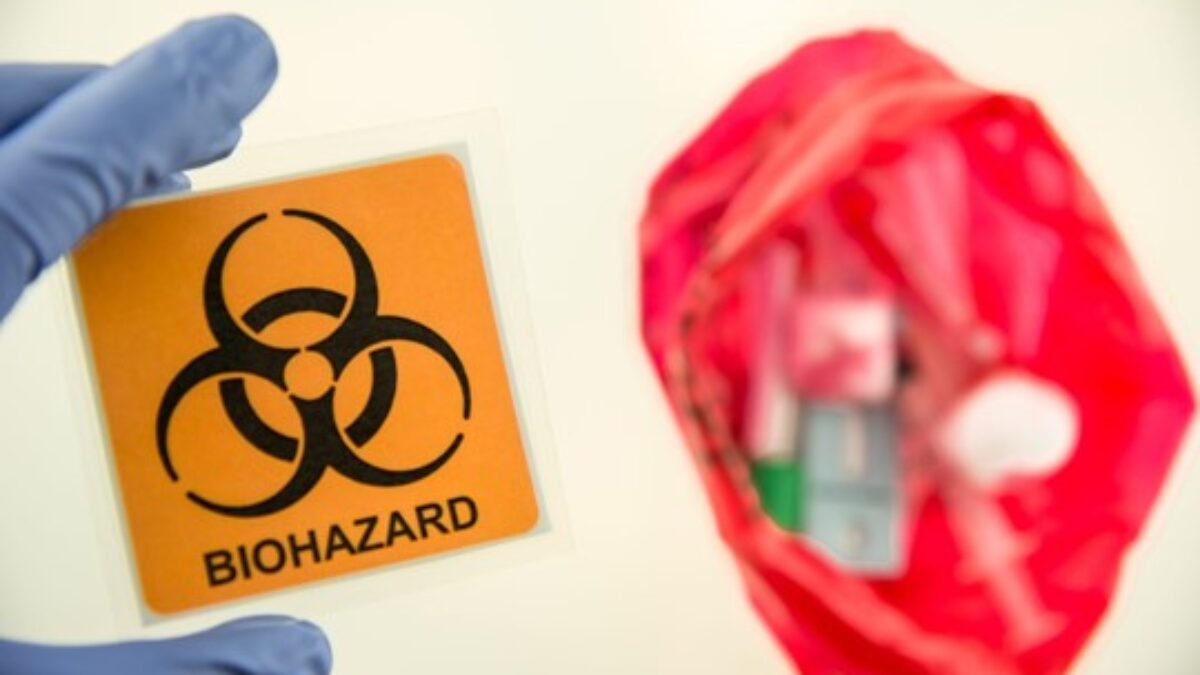
Biomedical waste refers specifically to waste generated from medical treatments for humans or animals, including materials that are infectious or biohazardous and require careful handling and disposal.
In contrast, medical waste is a broader term that includes all waste produced in healthcare settings, encompassing both hazardous and non-hazardous materials. Understanding these differences is crucial for ensuring safety and health in our communities!
Welcome to Secure Waste, your trusted leader and pioneer in biomedical waste management and disposal. We proudly serve Maryland, Virginia, and Washington, D.C., offering comprehensive solutions for all your biomedical waste needs.
Our services encompass the safe handling and disposal of medical waste, sharps, and hazardous materials, ensuring compliance with all regulatory standards.
With a commitment to environmental safety and community health, we provide reliable, full-service biomedical waste management.
Please reach out to us today to learn more about our local services tailored to meet your specific needs.
Medical Waste
Definition: Any waste generated within healthcare facilities during activities such as diagnosis, treatment, or care of patients, along with administrative and logistical functions.
Includes:
- Regulated Medical Waste: This is the portion of medical waste that is potentially infectious and often referred to as biohazardous or biomedical waste. Specific regulations govern its handling, transport, and disposal due to its potential to transmit disease.
- Non-Regulated (Non-Hazardous) Waste: Items in this category are devoid of infectious agents and include materials such as non-contaminated cultures, empty specimen containers, and intact, clean sharps like syringes without needles. Although generally considered safe, they still require responsible disposal to minimize environmental impact.
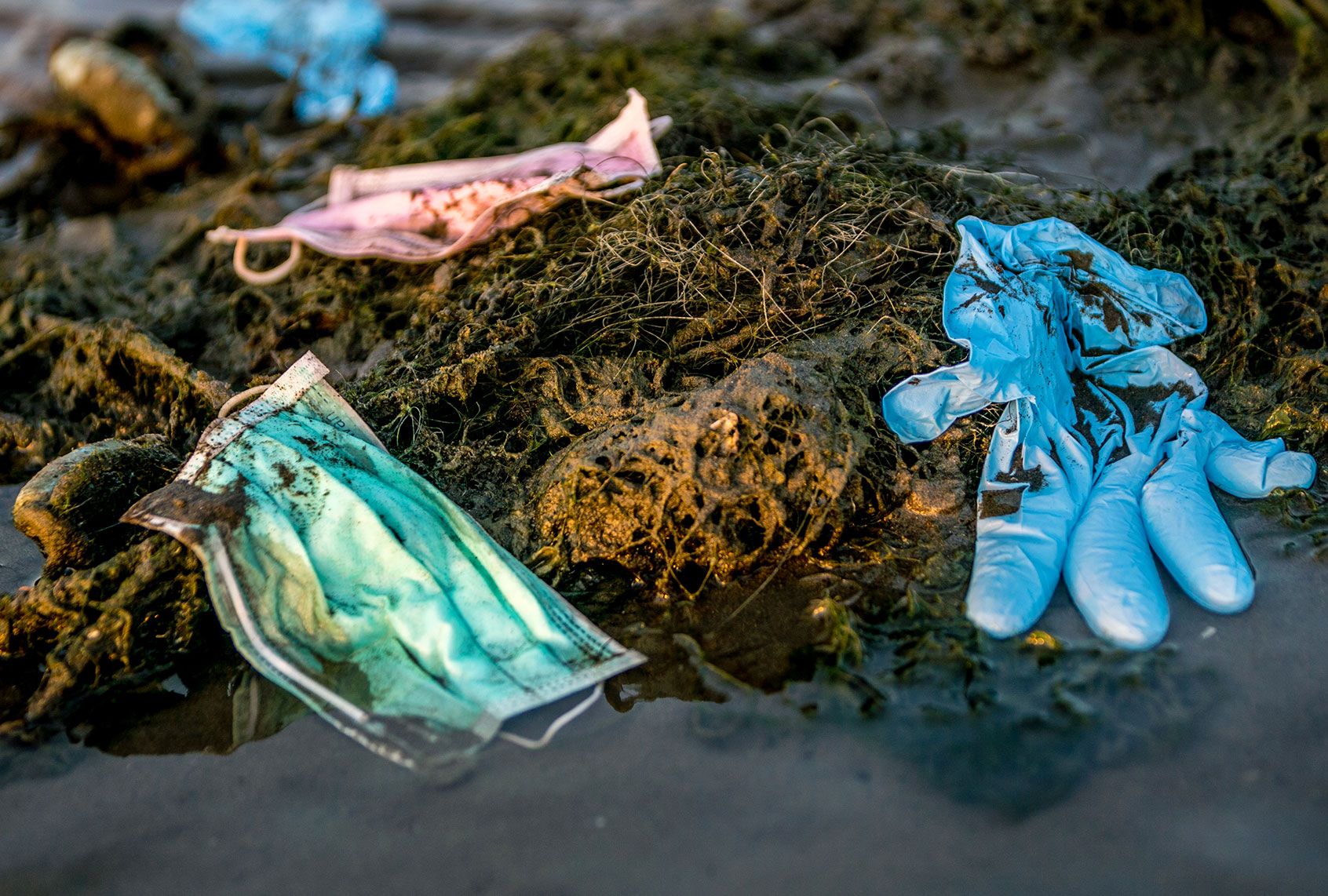
Biomedical waste and medical waste are distinct categories that should not be conflated While both deal with materials generated in healthcare settings biomedical waste typically refers to biological materials that pose a potential risk to human health or the environment In contrast medical waste encompasses a broader range of waste produced from medical activities including non hazardous items Understanding the differences between these types of waste is crucial for proper disposal and management ensuring safety and compliance with environmental regulations
Biomedical Waste
Definition: A distinct subset of medical waste that is identified as hazardous or biohazardous because of its potential to harbor infectious agents that can cause disease.
Includes:
- Blood and Blood-Soiled Materials: These are any materials that have been contaminated with blood, including gauze pads, bandages, and other absorbent items, which can carry pathogens capable of causing infections.
- Human or Animal Tissues and Body Parts: Biological materials, such as organs or limbs, that have been removed during surgical procedures and may pose a risk of infection, thus necessitating careful handling and specialized disposal methods.
- Sharps Contaminated with Infectious Agents: This category includes needles, scalpels, and other sharp objects that have been exposed to blood or other potentially infectious materials, creating a risk for cuts and subsequent infections.
- Cultures and Stocks of Infectious Agents: Laboratory samples that contain live microorganisms, such as bacteria and viruses, which are studied for medical research but can pose significant health risks if not managed properly.
- Contaminated Lab Waste: This includes various materials, such as gloves, pipettes, and other items that have been in contact with hazardous biological substances during laboratory tests or research activities.
Understanding the distinctions among these waste categories is essential for implementing effective waste management practices in healthcare settings, thereby safeguarding public health and minimizing environmental impact.
Proper training for healthcare workers on the handling and disposal of both biomedical and medical waste is vital in preventing accidents and ensuring compliance with legal regulations.
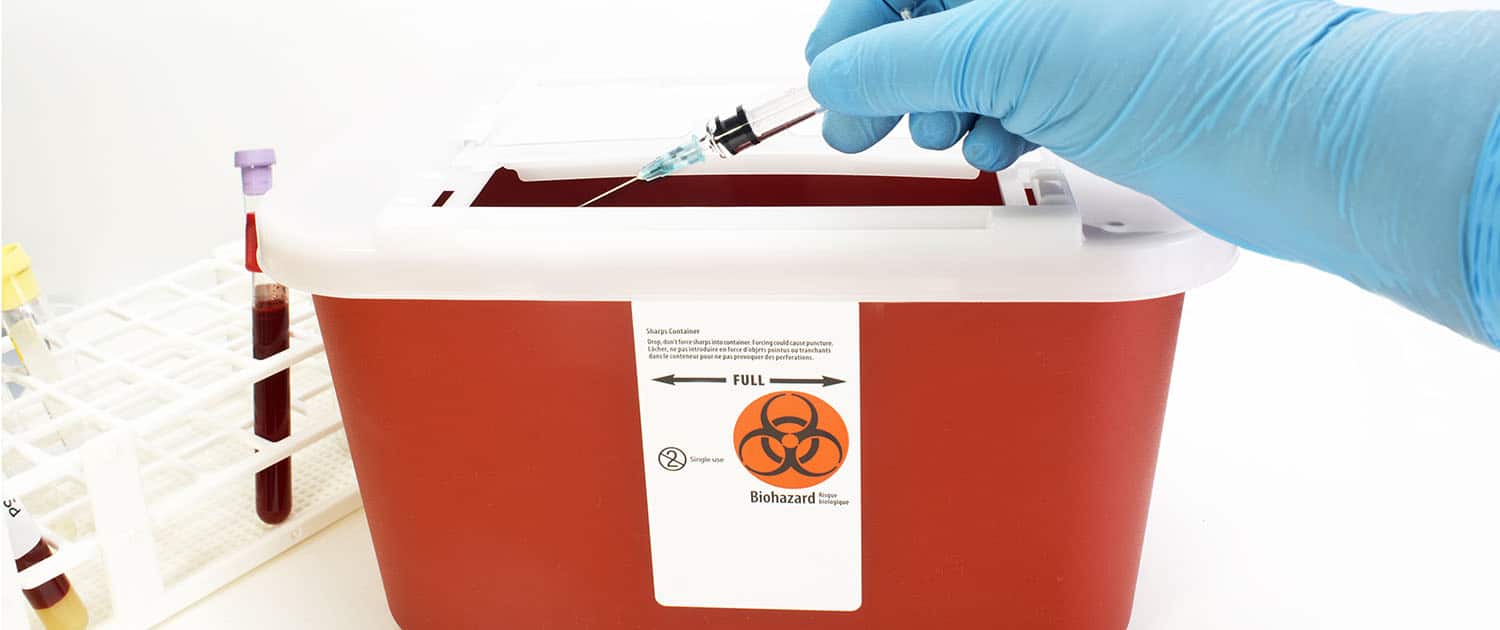
Proper management of biomedical waste is crucial especially when it comes to sharps containers These containers are designed specifically for the safe disposal of needles scalpel blades and other sharp objects that pose a risk for injury and contamination The proper use and handling of sharps containers not only enhances safety for healthcare workers but also helps prevent the spread of infectious diseases
Deeper Dive into Biomedical Waste:
Biomedical waste is a fascinating yet essential challenge in health and safety. According to the Centers for Disease Control and Prevention (CDC), it encompasses waste that can cause infections if not handled properly.
This includes any solid or liquid waste contaminated with blood, human body fluids, or similar materials. Understanding it is crucial for maintaining a safe environment for everyone!
Safely disposing of biomedical waste is crucial for protecting both our health and the environment. By properly managing this waste, we can prevent the spread of infectious diseases, safeguard public health, and ensure we meet regulatory standards. Let’s work together to build a safer, healthier community!
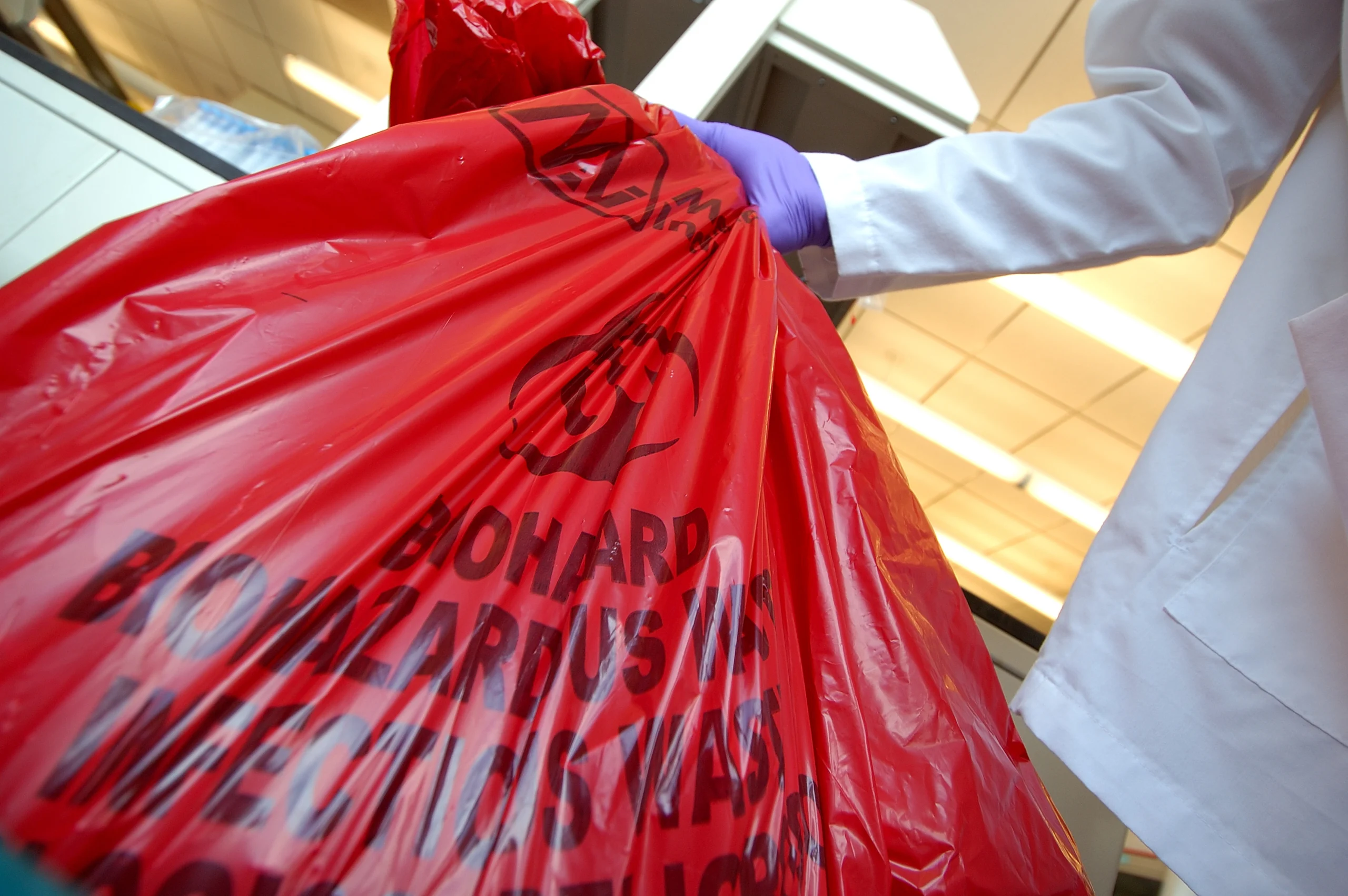
Understanding Biomedical Waste Secure Waste Explains
Biomedical waste is a crucial topic, as it encompasses various types that all require careful handling and disposal to ensure safety. Let’s break it down:
- Sharps Waste: This includes needles, syringes, scalpel blades, and anything else that can puncture the skin, so it must be disposed of in specially designed containers.
- Pathological Waste: This category encompasses biopsy samples and human tissues. It’s crucial to manage these materials properly, especially anatomical materials such as amputated limbs.
- Laboratory Waste: This involves cultures and stocks of infectious agents.
Each type of Biomedical waste has specific handling protocols to prevent contamination. For more insights and details on identifying medical waste streams, I invite you to explore this blog from Secure Waste, a leading Maryland disposal company. Together, we can promote safe practices in our medical environments!
Let’s explore some common examples of biomedical waste, building on our understanding of its key subcategories.
Gauze, Bandages, and Blood-Soaked Materials
These essential items, used in wound care, surgery, and emergencies, can harbor harmful pathogens, including bacteria and viruses. It’s crucial to dispose of them properly to protect everyone from infection.
Used Sharps (Like Needles and Scalpels)
Sharps are hazardous because they can puncture skin and transmit serious bloodborne pathogens such as HIV and hepatitis. To ensure safety, dispose of them in puncture-resistant containers. Together, we can make a difference in creating a safer healthcare environment!
Pathological Waste (Biopsy Samples)
Pathological waste refers to tissues and organs that are removed during surgical procedures or autopsies. Because this type of waste may contain infectious agents, it is essential to handle it with great care. Proper disposal methods often include incineration or other high-temperature treatments for biomedical waste to ensure destruction and minimize potential health risks.
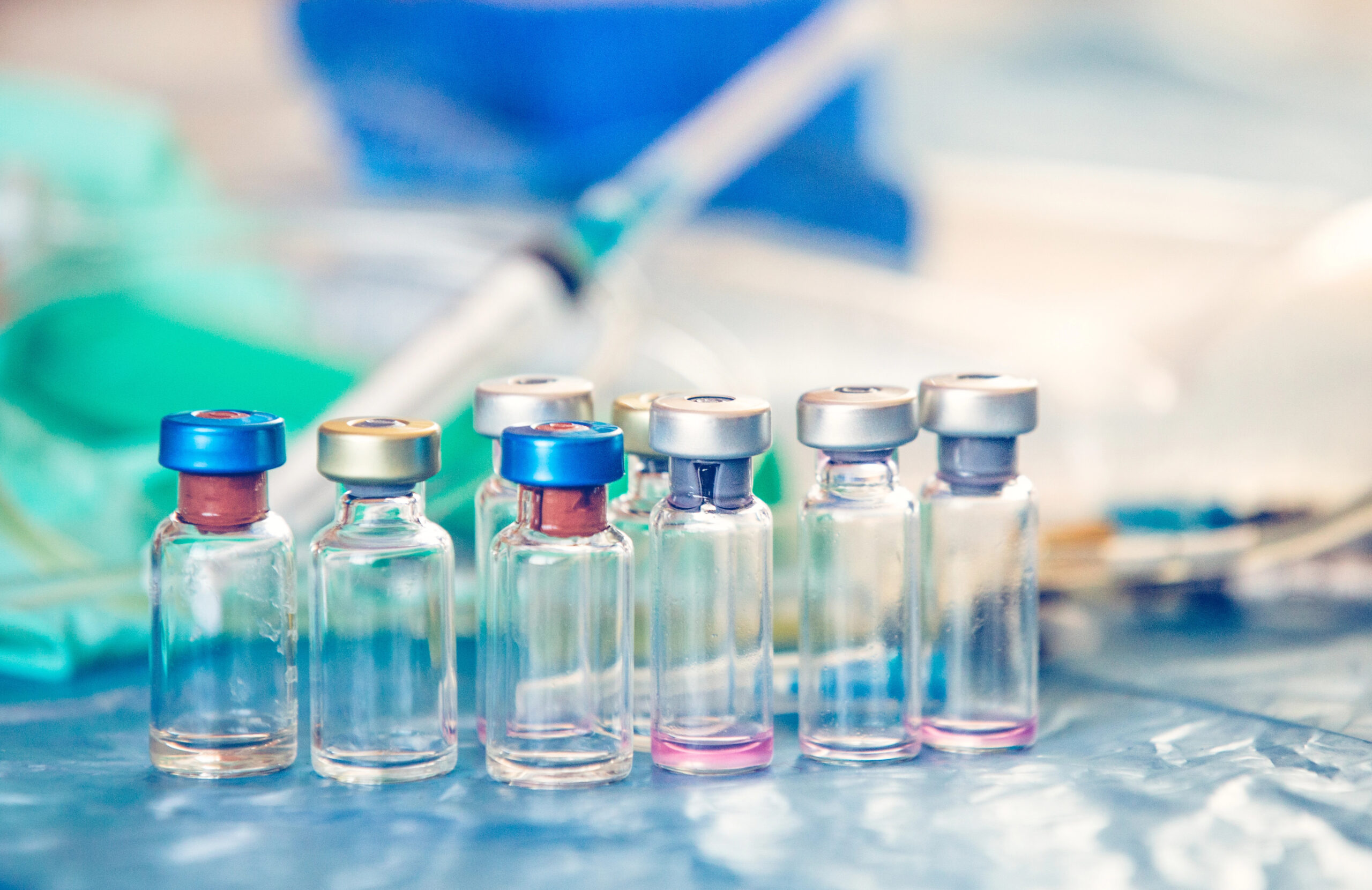
Proper disposal of biomedical waste is crucial for protecting public health and the environment Biomedical waste including sharps pathological waste and contaminated items poses significant risks if not managed properly Implementing safe disposal methods helps prevent the spread of infections and reduces environmental contamination Adhering to established guidelines and best practices for biomedical waste disposal ensures that healthcare facilities operate responsibly and maintain community safety
Regulations Governing Biomedical Waste Generation and Disposal in the United States
In the United States, the management and disposal of biomedical waste are regulated by a combination of federal and state laws. Several federal agencies play key roles in this regulatory framework:
- Environmental Protection Agency (EPA): The EPA sets guidelines and standards for the treatment and disposal of medical waste, including air emission standards for medical waste incinerators. The Resource Conservation and Recovery Act (RCRA) provides the government framework for managing hazardous waste, which includes certain types of biomedical waste. For more information, visit the EPA’s Medical Waste page.
- Occupational Safety and Health Administration (OSHA): OSHA regulates the handling and disposal of biomedical waste to protect workers from exposure to bloodborne pathogens and other hazards. OSHA’s Bloodborne Pathogens Standard (29 CFR 1910.1030) details specific requirements for the proper management of sharps and other potentially infectious materials. For more information, visit the CDC’s Guidelines for Environmental Infection Control in Health-Care Facilities.
- Department of Transportation (DOT): The DOT oversees the transportation of biomedical waste, ensuring that it is classified, packaged, and labeled correctly to prevent accidents and exposures during transit. The Hazardous Materials Regulations (49 CFR Parts 171-180) outline the requirements for transporting infectious substances, including regulated medical waste. For more information, visit the PHMSA’s Transporting Infectious Substances page.
Biomedical Waste Disposal Methods In Maryland, Virginia, And Washington, D.C.
Effective management of biomedical waste involves several critical steps:
- Segregation: Properly separating different types of biomedical waste at the point of generation is essential. This ensures that all kinds of waste are handled and treated appropriately.
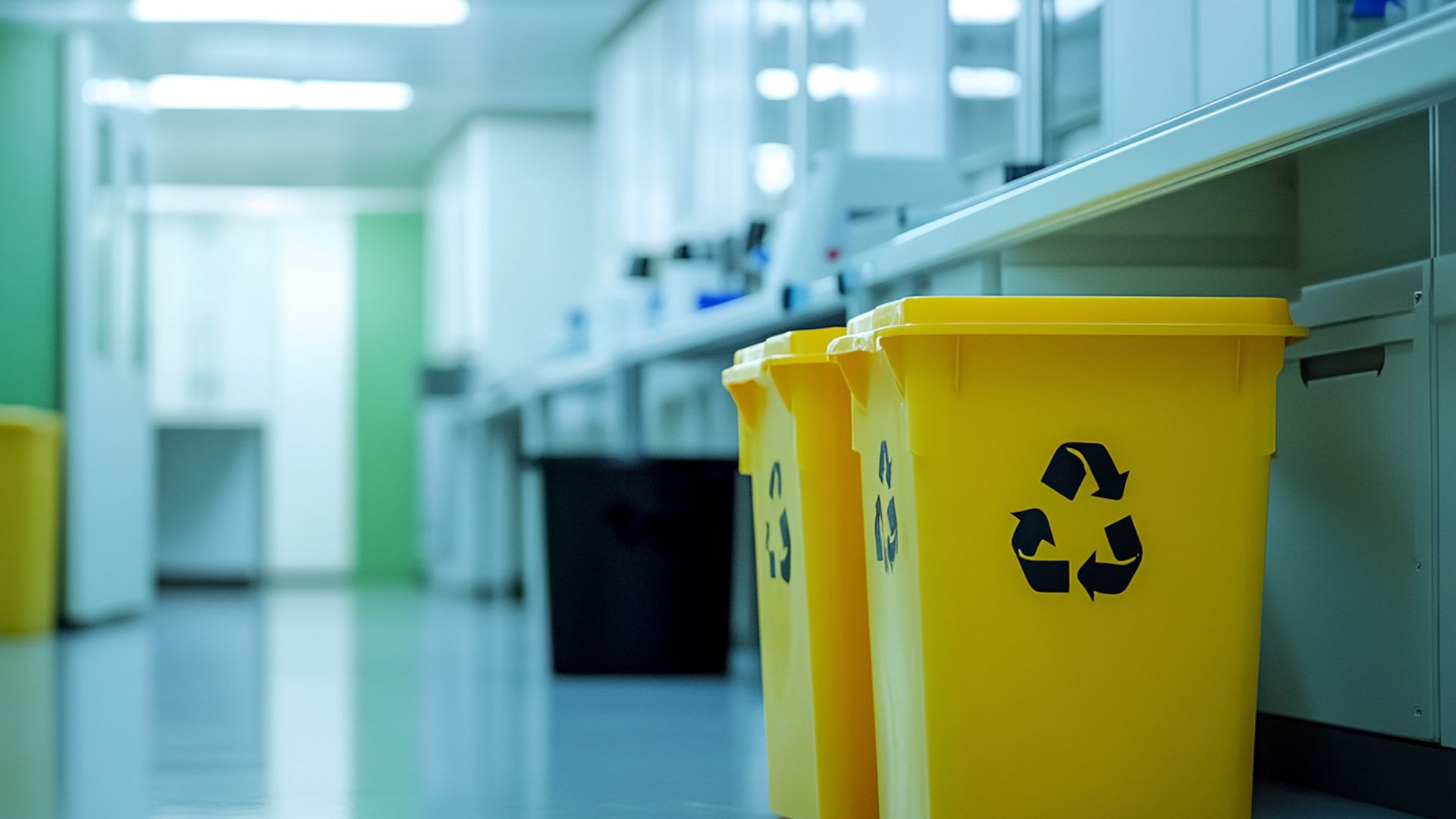
- Containment: Using the correct containers is vital. For example, sharps containers should be used for needles, while sharps containers are suitable for non-sharp waste.
- Collection and Transportation: It is essential to follow safe handling procedures to minimize the risk of infection when moving waste from the generation point to the treatment facility.
- Treatment and Disposal: Various methods, such as incineration, autoclaving, or chemical disinfection, are employed to render biomedical waste non-infectious before its final disposal.
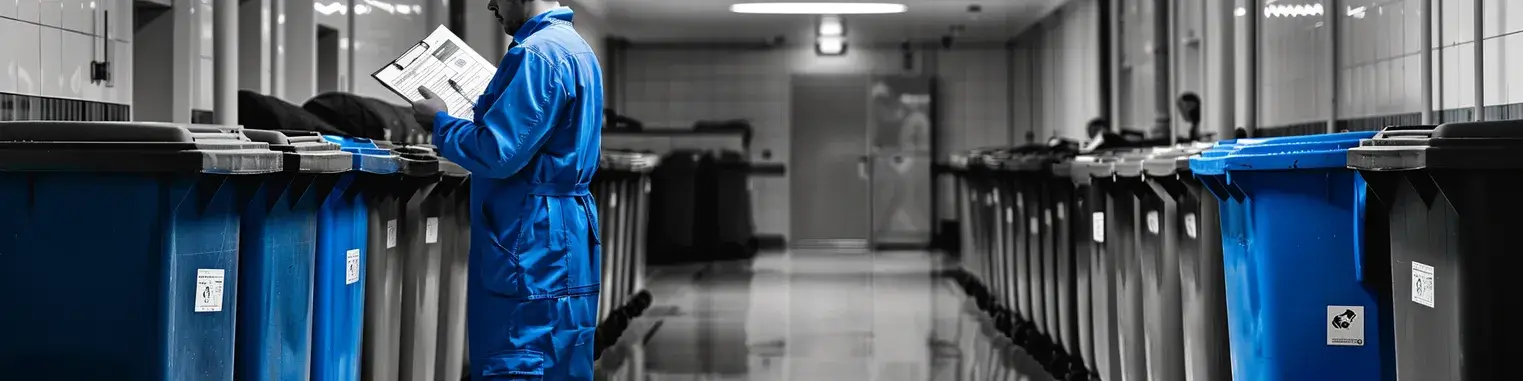
When it comes to healthcare weve all heard about the vital role that medical professionals play in saving lives But another crucial aspect often goes unnoticed the proper disposal of biomedical waste This process is not just a mundane taskits a critical factor in ensuring patient safety protecting our environment and maintaining public health
Picture this every day hospitals clinics and laboratories generate hazardous waste unless it is handled correctly This includes anything from used syringes to contaminated materials Proper disposal of these items is essential to prevent infections and the spread of diseases Its about creating a safer space for everyone from patients and healthcare workers to the community at large
The Importance of Proper Biomedical Waste Disposal
Proper management of biomedical waste is crucial for several reasons:
- Preventing the Spread of Infectious Diseases: Effective waste management minimizes the risk of infections spreading within healthcare facilities and the wider community.
- Protecting Healthcare Workers and the Public: Safe disposal practices reduce the likelihood of exposure to hazardous materials for those generating and handling waste.
- Ensuring Compliance with Regulations: Following local, state, and federal regulations helps avoid legal penalties and protects the facility’s reputation.
- Supporting Environmental Sustainability: Appropriate treatment and disposal methods lessen the environmental impact of biomedical waste.
In Conclusion:
Now that you have a more comprehensive understanding of Biomedical waste and disposal, don’t hesitate to contact Secure Waste.
We provide reliable, compliant, and eco-friendly medical waste disposal solutions tailored to your facility’s needs. We have expertise in biomedical, hazardous waste, and Sharps container disposal. Additionally, we offer customized waste management plans that include secure collection and transportation, as well as sustainable disposal practices.
Contact us today for a free waste assessment, or request a quote online!
**Disclaimer** This information is provided for reference purposes only and should not be considered as legal advice or factual information at the time of your reading. Regulations frequently change and can vary from state to state. We encourage you to contact your local regulatory authorities or Secure Waste directly for the most current information. Please note that Secure Waste is not liable, in part or in whole, for any information contained on this page or website.
Expert Medical Waste Management: With over 25 years of industry experience, Secure Waste is a trusted local leader in hazardous and biohazardous waste disposal across Maryland, Virginia, and Washington, D.C. Specializing in medical waste management, sharps needle disposal, and biohazard waste removal, the company ensures full compliance with federal, state, and local regulations while prioritizing environmental sustainability.
The company also offers additional services, including secure document shredding and sharps container sales, providing comprehensive solutions for healthcare facilities and businesses. Our cost-effective services help clients maintain regulatory compliance without unexpected costs.
With a commitment to customer satisfaction, Secure Waste offers tailored waste management plans that align with industry best practices. Their team of experts provides reliable, timely, and compliant services, making them the preferred choice for medical waste disposal. For a free waste quote or more information, visit www.securewaste.net