Managing Biohazard Waste Associated With COVID-19 Patients: Expert Solutions From Secure Waste
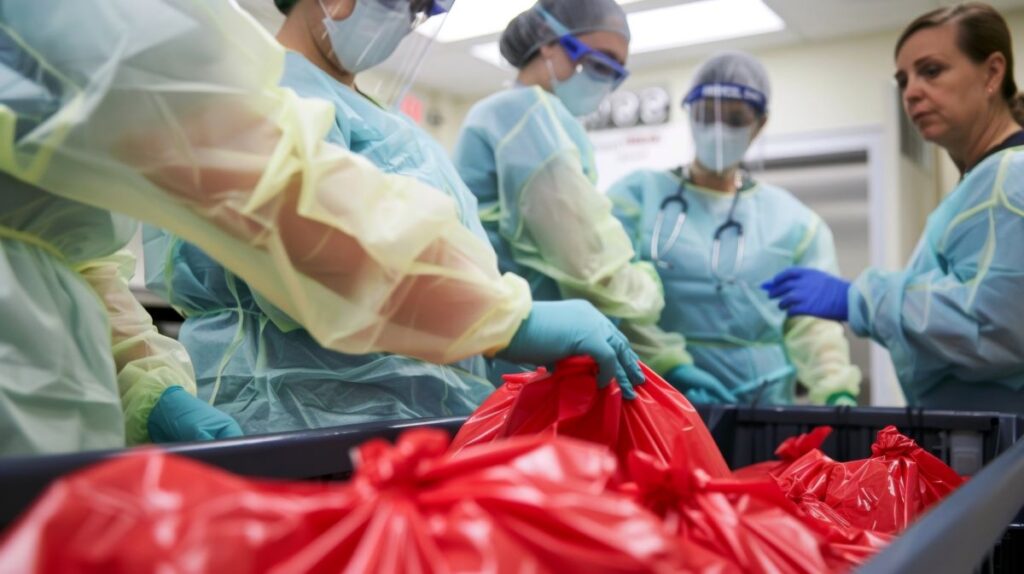
Are you a Healthcare provider delivering essential care to patients affected by COVID-19? If so, you may be generating biohazardous waste due to the ongoing pandemic and may need guidance on its proper COVID waste management. At Secure Waste, we specialize in providing expert assistance in the safe disposal of such materials.
As a recognized leader in biohazardous waste management, we have developed advanced practices that adhere to the strictest safety regulations and compliance standards. Our protocols ensure that all COVID-19-related waste is disposed of in a manner that protects both public health and the environment.
If you are a local healthcare provider in Maryland, Virginia, or Washington D.C., and require tailored solutions for medical waste management—including sharps disposal, infectious materials, and other hazardous waste—our dedicated team is here to help. Our services are designed to minimize risk and streamline your waste disposal process, allowing you to focus on your patients’ needs.
Don’t hesitate to contact us for further information and support tailored to your specific requirements. Reach out today at 877-966-7328, and let us assist you in upholding the highest standards of safety and compliance in managing biohazardous COVID-19 waste.
In the wake of the COVID 19 pandemic the importance of safe and effective biohazard disposal has become paramount in Maryland Washington DC and Virginia This entails not only the proper disposal of hazardous waste generated by testing and treatment but also the disposal of personal protective equipment PPE such as masks gloves and gowns
How to Manage Waste Associated with Treatment of Patients with COVID-19
More than five years after COVID-19 was declared a global pandemic, healthcare organizations continue to manage the long-term operational impacts of the virus. While patient volumes fluctuate and clinical protocols evolve, one challenge remains constant: safely managing medical waste generated during patient treatment, testing, and vaccination. Effective waste management is essential not only for regulatory compliance but also for protecting healthcare workers, patients, and the surrounding community.
Healthcare facilities treating patients with COVID-19 generate a wide range of waste types, including personal protective equipment, sharps, testing materials, and routine regulated medical waste. When managed correctly, these materials do not pose a greater risk than other medical waste. However, improper handling can increase the likelihood of injury, infection, and operational disruption, making strong waste management practices a critical component of pandemic response and ongoing healthcare operations.
Latest COVID update from the World Health Organization WHO.

Risks Associated with Improper COVID-19 Waste Management
Public health guidance has consistently stated that medical waste generated during the care of COVID-19 patients should be managed in accordance with standard medical waste procedures. Despite this, the increased volume and frequency of waste generation during pandemic surges heighten the consequences of errors or inconsistencies in disposal practices.
Improper waste management can expose healthcare workers, patients, and members of the public to infectious materials. Risks may arise when contaminated waste is mishandled, overfilled containers are used, or waste is disposed of in inappropriate streams. Cross-contamination can occur when waste types are mixed incorrectly or when containment systems fail, increasing the risk of unintended exposure.
In addition to physical health risks, inefficient waste practices can also affect emotional well-being. Healthcare professionals working in high-stress environments report increased anxiety and frustration when waste systems are unclear, inconsistent, or difficult to use. Over time, these stressors can contribute to burnout and decreased job satisfaction, compounding the challenges already faced by healthcare teams.

In the wake of the COVID 19 pandemic weve all witnessed the importance of proper waste management like never before Improper disposal of waste related to the virus can pose serious health risksnot just for frontline workers but for our communities as a whole From contaminated masks and gloves to hazardous medical waste the consequences of neglecting these materials can be dire Lets dive into the urgent need for responsible waste management practices to protect ourselves and our environment
Managing and Disposing of COVID-19-Related Medical Waste
While specific regulations vary by state, most jurisdictions follow similar principles for managing regulated medical waste. Healthcare organizations should ensure that all staff are trained on these foundational steps and understand how they apply in COVID-19 care settings.
Regulated medical waste, excluding sharps, should be placed into designated biohazard bags and securely tied to prevent leaks or spills. Once sealed, these bags should be put into approved medical waste containers that are properly closed and labeled. Sharps waste must always be disposed of in puncture-resistant sharps containers and should never be placed in biohazard bags. Packaged waste should then be transported to a permitted treatment facility in accordance with applicable regulations.
In addition to general requirements, healthcare leaders should review any COVID-19-specific guidance issued by their state or local authorities. During the height of the pandemic, many states published supplemental waste management recommendations addressing increased volumes and temporary care environments. Staying informed about these updates helps ensure they remain followed as guidance evolves.
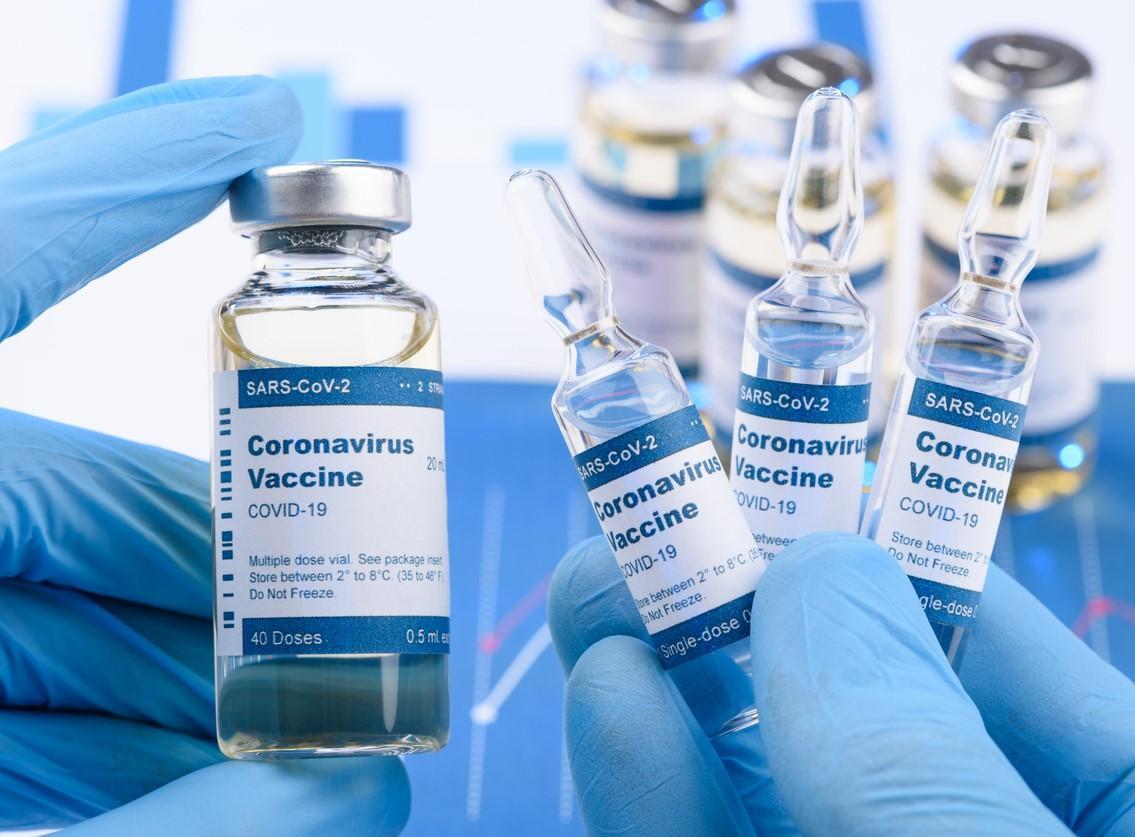
Planning for COVID-19 Vaccine Waste
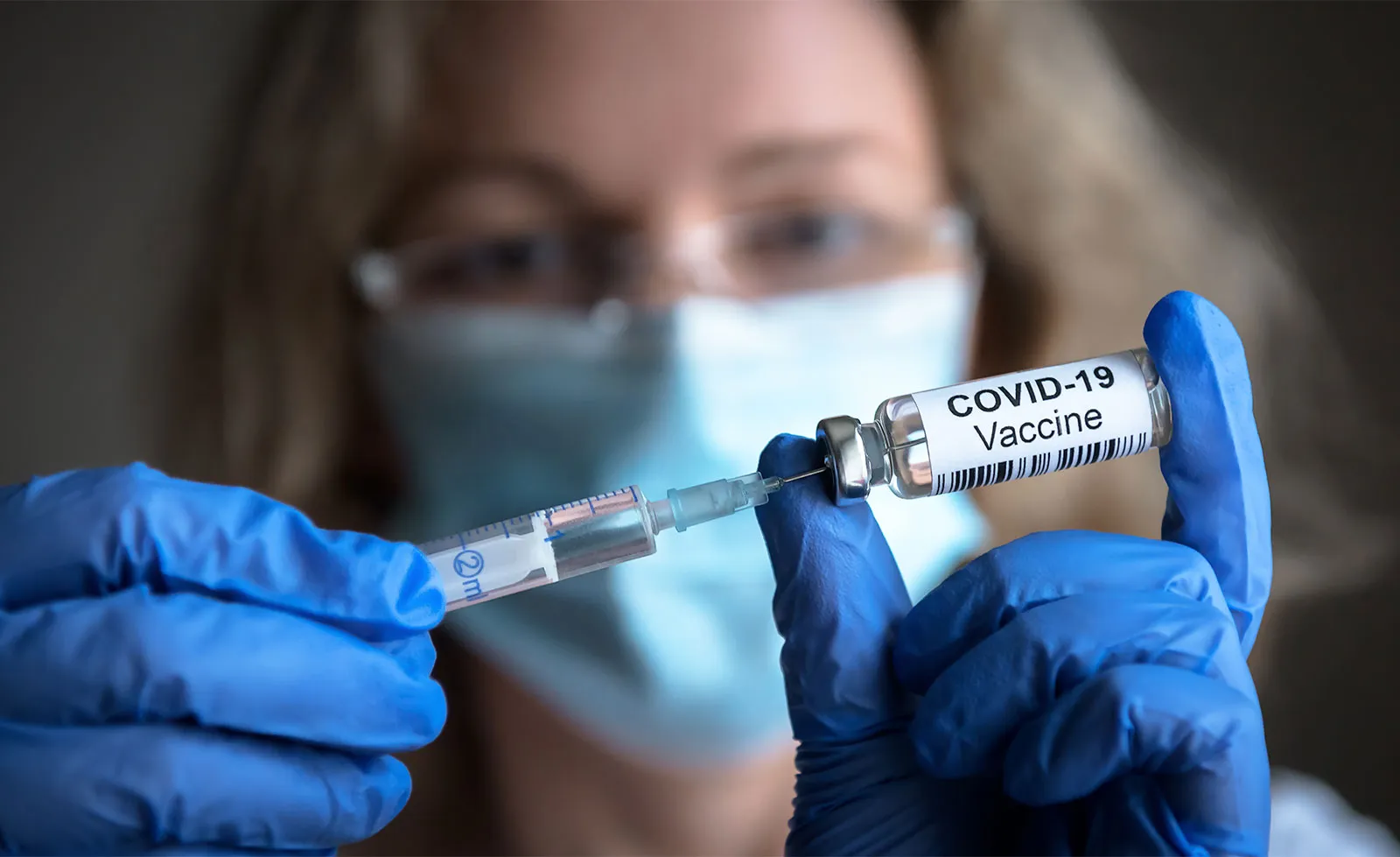
Mass vaccination efforts have significantly increased sharps waste across both traditional and non-traditional care settings. Syringes, needles, and associated materials must be managed using the same protocols as those for other vaccination programs. Proper planning is essential to prevent overfilled containers and ensure that disposal infrastructure keeps pace with vaccination demand.
Vaccination sites should evaluate container placement, capacity, and collection frequency to accommodate higher waste volumes. Staff administering vaccines must have immediate access to sharps containers to reduce the risk of needlestick injuries. Clear procedures for handling partially used vials, expired doses, and contaminated materials help maintain safety and consistency throughout vaccination operations.

Managing Waste from COVID-19 Testing
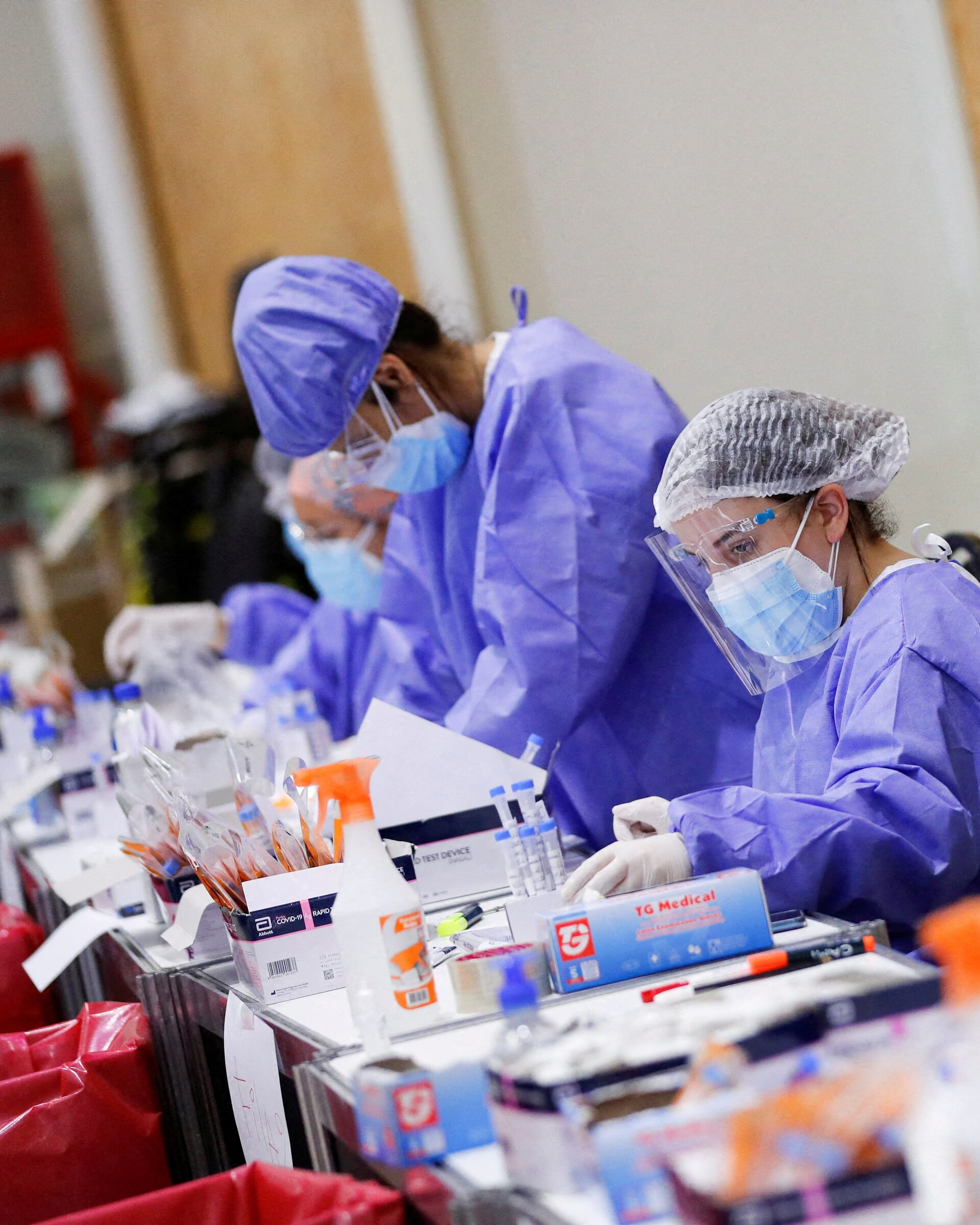
COVID-19 testing generates a wide range of waste, including swabs, test cartridges, gloves, gowns, masks, and other personal protective equipment. These items should be disposed of in accordance with standard medical waste protocols, unless local regulations specify otherwise.
Facilities conducting large-scale testing should work closely with waste management partners to confirm acceptance criteria and ensure that containers and collection schedules align with testing volumes. Special attention should be given to storage areas to prevent overcrowding and reduce the risk of accidental exposure.
A Practical Checklist for Healthcare Leaders
To support consistent and compliant waste management, healthcare organizations can benefit from a structured checklist approach. Leaders should confirm whether the waste generated meets the definition of regulated medical waste under state law and follow any COVID-19-specific guidance currently in effect. Chemical components of waste, such as disinfectants, cleaning agents, or laboratory reagents, should be evaluated separately to determine whether they must be managed as hazardous waste.
It is also essential to verify whether waste service providers have additional acceptance requirements or documentation needs. Clear communication with vendors helps prevent service disruptions and ensures that waste is handled appropriately from collection through final treatment.
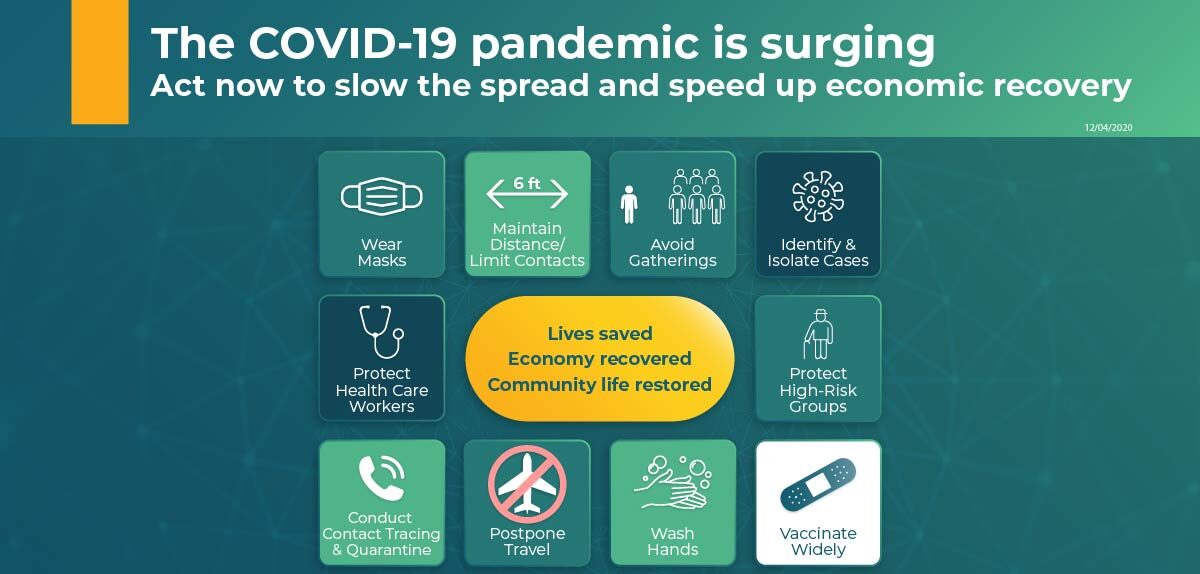
This document provides essential strategies to ensure secure waste disposal during the COVID 19 pandemic It highlights best practices to minimize the risk of virus transmission and protect public health while effectively managing waste
Supporting Staff Through Clear Processes and Training
Effective waste management depends on the people responsible for implementing it. Regular training reinforces correct procedures, builds confidence, and reduces uncertainty in high-pressure environments. Training programs should be easy to access, clearly written, and updated as guidance changes.
By simplifying disposal processes and ensuring consistent messaging, healthcare organizations can reduce staff cognitive strain. Clear systems allow healthcare workers to focus on patient care rather than navigating complex disposal rules, supporting both safety and well-being.
Looking Ahead
COVID-19 has reshaped healthcare operations in lasting ways. While the acute phase of the pandemic may subside, the need for resilient waste management systems remains. By adhering to standard procedures, staying informed of regulatory guidance, and supporting staff through training and clear processes, healthcare organizations can safely manage COVID-19-related waste while protecting their workforce and communities.
Strong waste management practices are not only a compliance requirement but a cornerstone of safe, sustainable healthcare delivery in a post-pandemic world.
In Conclusion:
Secure Waste will save you money on COVID-19 waste disposal. We understand these biohazards.
Staying informed and proactive is vital as new biological challenges arise. Together, we can prioritize health and safety, increase awareness, and promote responsible actions to create a healthier future for all!
We provide reliable, compliant, and environmentally friendly biohazard waste disposal solutions tailored to your facility’s specific needs.
**Disclaimer** This information is provided for reference purposes only and should not be considered as legal advice or factual information at the time of your reading. Regulations frequently change and can vary from state to state. We encourage you to contact your local regulatory authorities or Secure Waste directly for the most current information. Please note that Secure Waste is not liable, in part or in whole, for any information contained on this page or website.
Expert Medical Waste Management: With over 25 years of industry experience, Secure Waste is a trusted local leader in hazardous and biohazardous waste disposal across Maryland, Virginia, and Washington, D.C. Specializing in medical waste management, sharps needle disposal, and biohazard waste removal, the company ensures full compliance with federal, state, and local regulations while prioritizing environmental sustainability.
The company also offers additional services, including secure document shredding and sharps container sales, providing comprehensive solutions for healthcare facilities and businesses. Our cost-effective services help clients maintain regulatory compliance without unexpected costs.
With a commitment to customer satisfaction, Secure Waste offers tailored waste management plans that align with industry best practices. Their team of experts provides reliable, timely, and compliant services, making them the preferred choice for medical waste disposal. For a free waste quote or more information, visit www.securewaste.net