How To Dispose Of Old Gasoline – Expert Solutions From Secure Waste
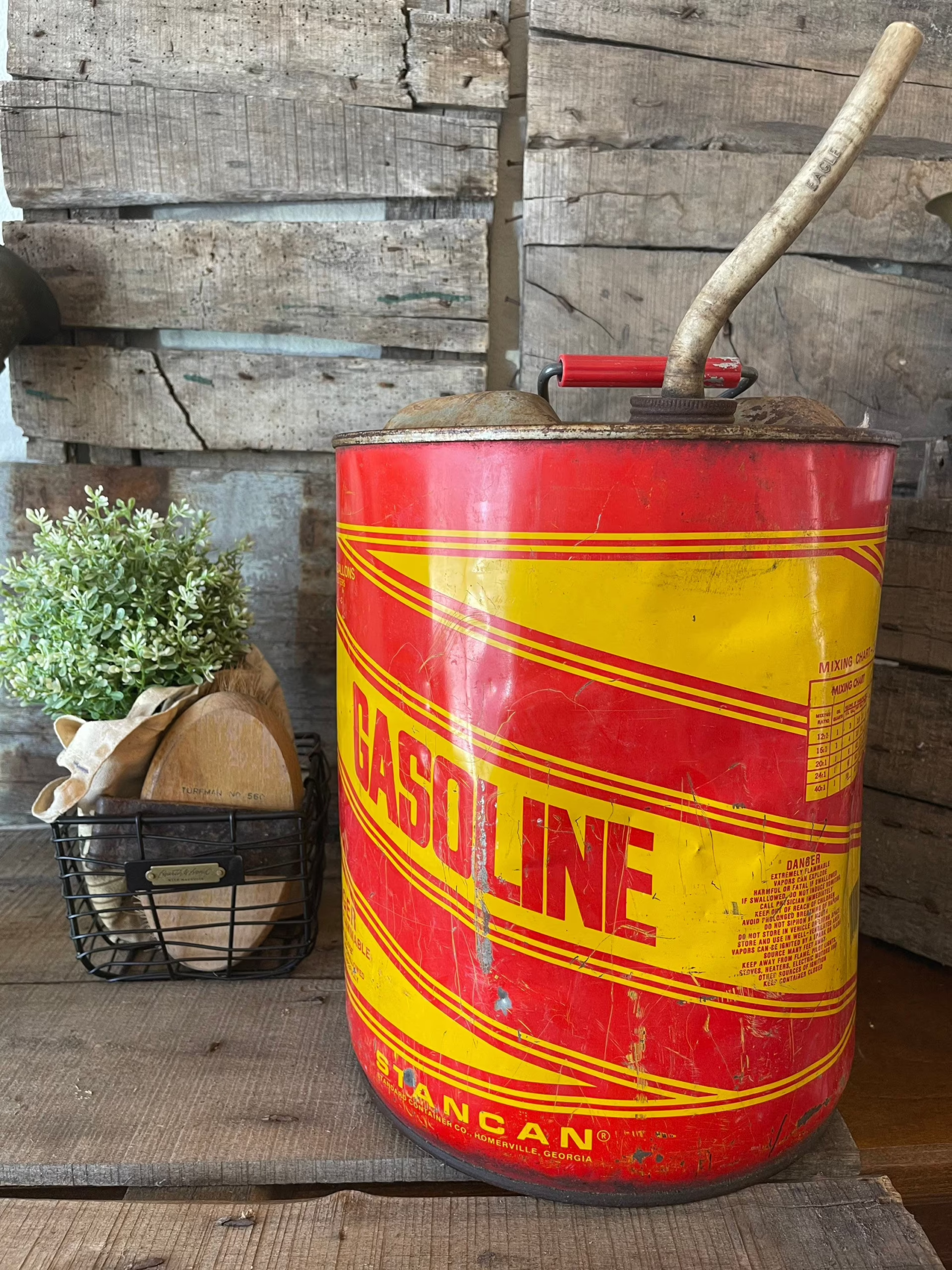
Secure Waste frequently encounters a common question: How should I dispose of old gasoline?
While our primary focus is on healthcare waste management, we also operate a dedicated Hazardous Waste Division that addresses a wide range of hazardous materials, including healthcare and laboratory waste, as well as dangerous industrial waste management.
In this article, we aim to provide homeowners and businesses with a comprehensive step-by-step guide on the best practices for disposing of old gasoline safely and responsibly.
If you have a large quantity of old gas or oil that needs to be disposed of, we recommend contacting the Secure Waste Hazardous Waste Division at 877-633-7328 for assistance.
Our experienced team can give you some guidance tailored to your specific needs. Secure Waste provides full-service hazardous waste management and disposal locally in Maryland, Virginia, and Washington, D.C. We also offer consulting Nationwide for hazardous waste management.
Now, let’s dive deeper into the proper handling and disposal of stale gasoline at home.

To ensure the responsible disposal of old gasoline while safeguarding both the environment and public safety, please follow these comprehensive steps.
Steps for Safe Disposal Of Old Gasoline:
- Use the Right Container: Select a clean, UN-approved container specifically designed for flammable liquids. These containers are crafted from robust materials, such as high-density polyethylene (HDPE) or metal, which can withstand the corrosive chemicals found in gasoline without degrading. When pouring in the old gasoline, be sure to fill the container only to 95% of its capacity, leaving room for vapor expansion.
This precaution helps prevent dangerous leaks or spills that may occur due to temperature fluctuations. Please make sure the lid is securely fastened to create a tight seal, which minimizes the risk of evaporation and potential accidents, such as fires or inhalation of harmful vapors.
- Find a Drop-Off Location: Seek out a nearby Household Hazardous Waste (HHW) facility, a recycling center, or an auto repair shop that accepts gasoline. A practical way to find these facilities is by using online search engines with keywords such as “[Your City/County] hazardous waste disposal.”
Additionally, consult your local government’s waste management website, as many communities maintain dedicated pages that list accepted materials, provide detailed drop-off instructions, and include hours of operation and any necessary documentation.
Familiarizing yourself with these resources before heading out will not only save time but also ensure a smoother and more efficient disposal process.
- Check for Collection Events: Numerous municipalities organize special collection days specifically for hazardous materials, which often include old gasoline.
These events allow residents to dispose of dangerous substances in a community-focused setting safely. You can typically find information about these collections on your city’s website or by contacting local waste management offices directly.
Such events provide an excellent opportunity to safely dispose of not only gasoline but also other hazardous chemicals and materials, thereby contributing to community safety and environmental preservation.
- Contact Local Authorities: If you are uncertain about where to take your old gasoline, do not hesitate to reach out to your city’s fire department or waste management service.
These knowledgeable authorities can provide insights into local disposal options and can help clarify any specific regulations in your area.
They may also inform you about upcoming collection events or initiatives designed to mitigate hazardous waste in your region and suggest the safest practices for handling and transporting old gasoline.
Links Provided By Secure Waste For More Local Old Gas Disposal Locations With Your Government.
- Maryland Old Gas Disposal Locator
- Montgomery County Old Fuel Disposal
- Washington D.C. Old Gas Disposal
- Virginia Old Fuel Disposal
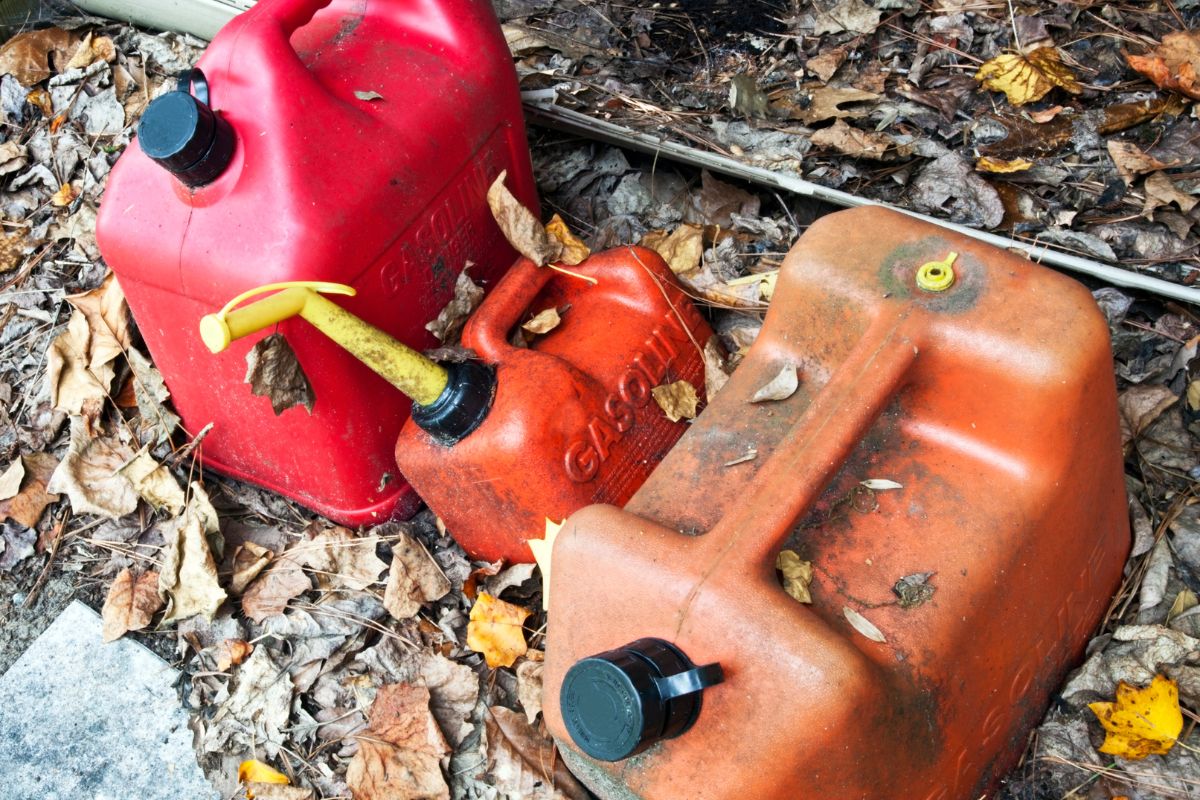
What NOT to Do With Old Gas!
Avoid Dumping Old Gas:
Under no circumstances should you pour gasoline onto the ground, into storm drains, septic systems, or standard trash bins. Such actions pose a significant threat to our environment, potentially leading to extensive soil and water contamination.
Additionally, improper disposal of hazardous materials can lead to substantial legal repercussions, as these actions often violate local regulations and environmental protection laws.
Do Not Evaporate Old Gas:
While it might seem effortless to allow gasoline to evaporate, this poses significant fire risks and contributes to air pollution by releasing toxic vapors into the atmosphere.
This practice jeopardizes not only your safety but also the well-being of those nearby, as it increases the likelihood of fires and respiratory issues among individuals exposed to these hazardous fumes.
Why It’s Important To Manage Old Gasoline Properly
Environmental Hazard:
Gasoline is not only highly flammable but also toxic, posing severe risks to both human health and the ecosystem.
Improper disposal can lead to harmful soil and groundwater contamination, which threatens local ecosystems, wildlife, and drinking water supplies, potentially resulting in long-term public health issues and environmental degradation.
The volatile organic compounds (VOCs) released into the air can contribute to smog formation and respiratory problems in the surrounding community.
Engine Damage:
Using old or contaminated gasoline in small engines, lawnmowers, motorcycles, and vehicles can lead to a range of operational problems, including difficulty starting, knocking sounds, and stalling.
Such issues not only incur costly repairs but also may shorten the lifespan of your equipment. Contaminants in old gasoline can clump or corrode engine parts, leading to significant operational failures.
Ensuring proper disposal protects your engines and helps maintain their reliable and safe performance.
By adhering to these guidelines, you can responsibly dispose of old gasoline while protecting yourself, others, and the environment from potential hazards, thereby contributing to a healthier, safer community for everyone.
In Conclusion:
Old Gasoline is hazardous waste and has an impact on our workplaces, environments, and health. Understanding these hazards is crucial for protecting ourselves and others.
By identifying risks, we can develop strategies to mitigate their effects, fostering safe environments through shared responsibility. Regular risk assessments and training can help manage potential biohazard threats.
Staying informed and proactive is vital as new biological challenges arise. Together, we can prioritize health and safety, increase awareness, and promote responsible actions to create a healthier future for all!
Now that you have a more comprehensive understanding of OPIM disposal in relation to biological hazards, don’t hesitate to contact Secure Waste.
We provide reliable, compliant, and environmentally friendly medical waste disposal solutions tailored to your facility’s specific needs.
We have expertise in biomedical waste, hazardous waste, and Sharps container disposal. Additionally, we offer customized waste management plans, including secure collection and transportation, as well as sustainable disposal practices.
**Disclaimer** This information is provided for reference purposes only and should not be considered as legal advice or factual information at the time of your reading. Regulations frequently change and can vary from state to state. We encourage you to contact your local regulatory authorities or Secure Waste directly for the most current information. Please note that Secure Waste is not liable, in part or in whole, for any information contained on this page or website.
Expert Medical Waste Management: With over 25 years of industry experience, Secure Waste is a trusted local leader in hazardous and biohazardous waste disposal across Maryland, Virginia, and Washington, D.C. Specializing in medical waste management, sharps needle disposal, and biohazard waste removal, the company ensures full compliance with federal, state, and local regulations while prioritizing environmental sustainability.
The company also offers additional services, including secure document shredding and sharps container sales, providing comprehensive solutions for healthcare facilities and businesses. Our cost-effective services help clients maintain regulatory compliance without unexpected costs.
With a commitment to customer satisfaction, Secure Waste offers tailored waste management plans that align with industry best practices. Their team of experts provides reliable, timely, and compliant services, making them the preferred choice for medical waste disposal. For a free waste quote or more information, visit www.securewaste.net