How To Determine Your Healthcare Facility’s Hazardous Waste Status
Welcome to Secure Waste, a pioneering force in hazardous waste management explicitly tailored for the healthcare sector. With a robust legacy that spans over 30 years, we have proudly served healthcare providers throughout Maryland, Virginia, and Washington, D.C. Our extensive experience in the field enables us to navigate the complex landscape of regulations governing medical waste and hazardous materials, ensuring full compliance with local, state, and federal standards.
At Secure Waste, we prioritize the safety and well-being of patients, healthcare providers, and the environment alike. Our dedicated team of trained professionals is equipped with the knowledge and technology necessary to implement best practices in waste management. We offer a comprehensive suite of services, including waste collection, transportation, treatment, and disposal, all tailored to meet the distinct needs of healthcare facilities.
In addition to our commitment to regulatory compliance, we champion innovative solutions that advance responsible waste disposal and sustainability in healthcare. Our environmentally friendly practices not only decrease the ecological footprint of medical waste but also promote a culture of safety and responsibility in healthcare settings. At Secure Waste, we believe that effective hazardous waste management is integral to the quality of care we provide to patients and to protecting our communities.
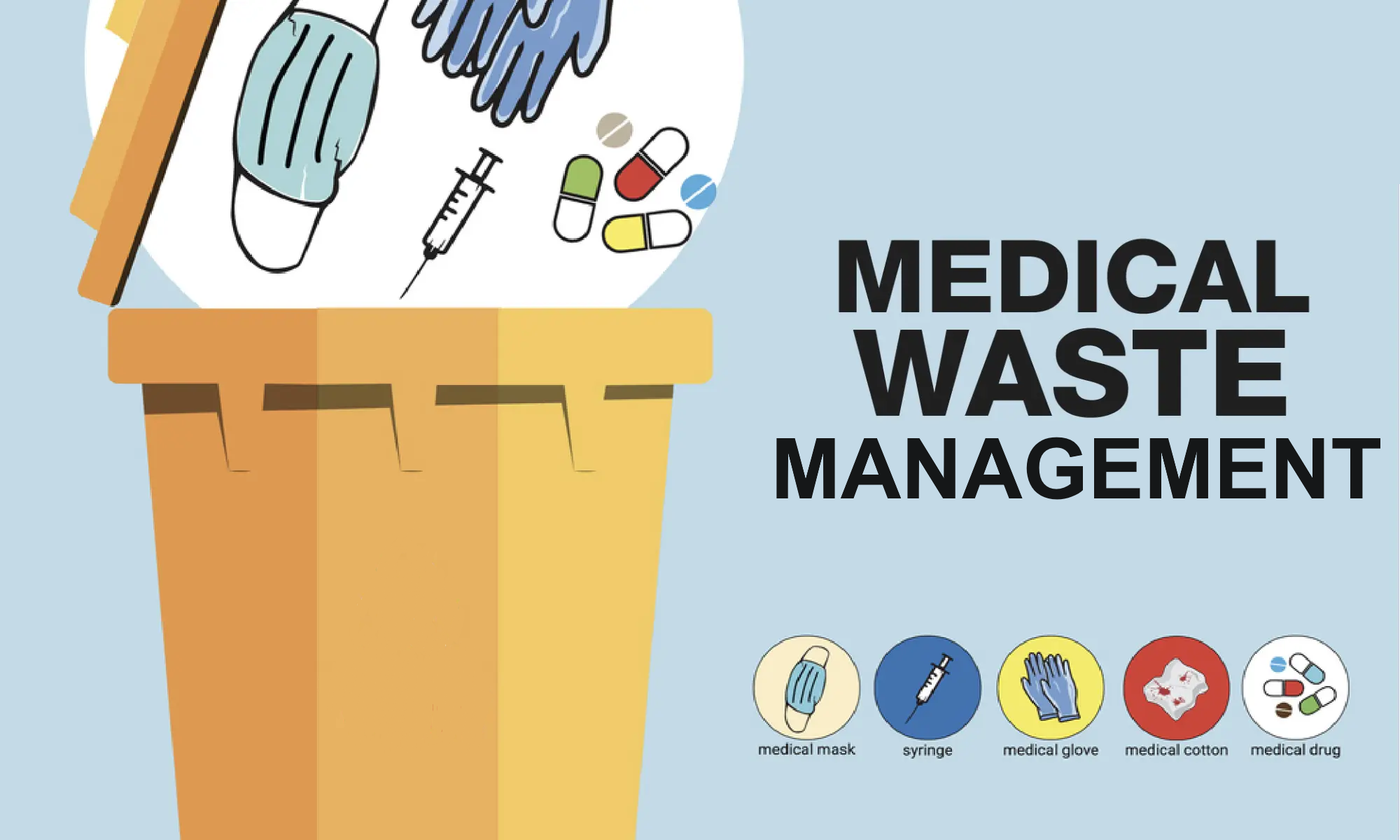
To determine a healthcare facilitys hazardous waste generator status it is essential to conduct a thorough evaluation of the types and quantities of waste generated This assessment involves classifying waste generated in accordance with the Environmental Protection Agency EPA guidelines which specify criteria for various generator categories including large quantity generators small quantity generators and tiny quantity generators
A careful analysis of waste management practices including the disposal and treatment methods used is also crucial By understanding the facilitys waste profile healthcare providers can ensure regulatory compliance implement appropriate waste minimization strategies and safeguard public health and the environment This proactive approach not only fulfills legal obligations but also reinforces the facilitys commitment to sustainability and safety
Determining the hazardous waste generator status of your healthcare organization
Understanding your healthcare organization’s hazardous waste generator status is a critical compliance responsibility, especially as environmental regulations continue to evolve. With increased enforcement of pharmaceutical waste disposal requirements and the ongoing rollout of EPA rules such as Subpart P, healthcare facilities must clearly identify whether they generate hazardous waste and, if so, the amount generated. This determination affects everything from storage limits and staff training to reporting obligations and environmental risk exposure. While the process can feel complex, breaking it down into structured steps makes it manageable and defensible.
What Qualifies as Hazardous Waste in Healthcare
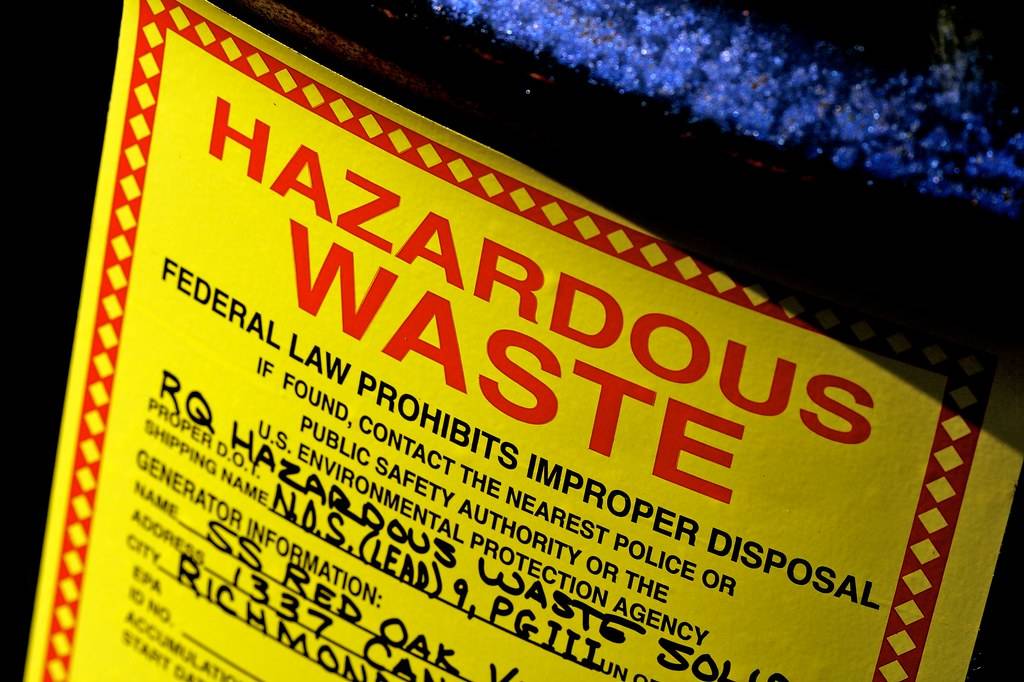
Hazardous waste refers to discarded materials that pose a substantial or potential threat to public health or the environment due to their chemical, toxic, reactive, ignitable, or corrosive properties. In healthcare settings, hazardous waste commonly includes certain pharmaceuticals, laboratory chemicals, solvents, cleaning agents, reagents, and diagnostic materials. It is essential to understand that dangerous waste is not the same as regulated medical waste. Items such as sharps, red bag waste, and infectious materials are subject to different regulatory frameworks and must be managed separately.
Most healthcare facilities generate at least some hazardous waste, even if it is not immediately apparent. Many materials are not clearly labeled as dangerous, and there is no single comprehensive list that organizations can rely on. This makes internal review and accountability essential. Regulatory responsibility lies with the facility itself, not with waste transporters or disposal vendors, meaning organizations must take ownership of accurate classification and tracking.
Identifying Whether Your Facility Generates Hazardous Waste
The first step in determining generator status is confirming whether hazardous waste is generated at all. This typically involves conducting a walkthrough of the facility and identifying materials that may eventually be discarded. Once potential items are identified, several key questions should be asked to confirm their status.
The first question is whether the item will actually become waste. Materials that are still in use or stored for future use are not considered waste. An item becomes waste only when it is discarded, expired, partially used, and no longer needed, or designated for disposal.
The second question is whether the item appears on any EPA hazardous waste lists. While there is no master list, the EPA maintains several classifications that apply to healthcare environments. P-listed waste includes acutely dangerous substances, often pharmaceuticals, where even empty containers may be regulated due to extreme toxicity. U-listed waste includes other hazardous pharmaceuticals and chemicals that are less acutely toxic but still regulated. F-listed waste covers certain non-pharmaceutical chemicals and solvents that may be present in healthcare facilities. K-listed waste generally does not apply to healthcare settings and can be excluded from consideration.
If a material does not appear on these lists, it may still qualify as hazardous based on its characteristics. Materials that are ignitable, corrosive, reactive, or toxic must still be classified as hazardous waste. Reviewing Safety Data Sheets is one of the most reliable ways to determine whether a substance meets these criteria, as SDSs provide information on chemical composition, pH, flash point, and toxicity thresholds.
Assigning Responsibility and Ensuring Accuracy
Because hazardous waste determinations are nuanced and subject to audit, healthcare organizations should assign a specific individual or team to oversee the process. This role typically falls within compliance, environmental health and safety, or pharmacy operations. Centralizing responsibility reduces the risk of inconsistent decisions across departments and ensures proper documentation.
Accurate identification is not a one-time task. As formularies change, new supplies are introduced, or treatment methods evolve, waste profiles can shift. Regular reviews help ensure determinations remain current and defensible.
Determining Your Generator Category
Once hazardous waste streams are identified, the next step is to calculate the amount of hazardous waste the facility generates each calendar month. Generator status is determined by total monthly volume and whether acutely dangerous waste is present.
Facilities that generate 1,000 kilograms or more of hazardous waste per month, or more than one kilogram of acutely hazardous waste, fall into the Large Quantity Generator category. These organizations face the most stringent requirements related to storage limits, contingency planning, employee training, reporting, and recordkeeping.
Small Quantity Generators produce more than 100 kilograms but less than 1,000 kilograms of hazardous waste per month. While requirements are slightly less burdensome than those for large generators, compliance obligations remain significant.
Very Small Quantity Generators produce 100 kilograms or less of hazardous waste per month and one kilogram or less of acutely hazardous waste. These facilities have the fewest regulatory requirements but are still responsible for ensuring proper disposal and preventing environmental harm.
Generator status directly impacts how long waste can be stored onsite, labeling and container standards, emergency preparedness expectations, and documentation requirements. Choosing the wrong category can lead to compliance gaps and regulatory penalties.
The Role of Universal Waste
Certain everyday items, such as batteries, fluorescent lamps, and some electronic components, may qualify as universal waste. When managed under universal waste regulations, these materials do not count toward hazardous waste generator totals. This distinction can materially affect a facility’s generator status and, in some cases, allow it to remain in a lower regulatory category. However, once an organization elects to manage these materials as universal waste, it must follow the specific handling, labeling, and storage requirements associated with that designation.
State-Specific Regulatory Considerations
While federal EPA rules establish baseline requirements, many states are authorized to implement more stringent or modified regulations. Some states have additional generator categories, lower quantity thresholds, or expanded definitions of pharmaceuticals. Healthcare organizations must review state-specific rules to ensure compliance at both the federal and local levels. Relying solely on federal guidance can leave gaps that expose the organization to enforcement action.
How Generator Status Connects to Subpart P
Subpart P fundamentally changed how hazardous waste pharmaceuticals are managed for many healthcare facilities. In states that have adopted the rule, Small Quantity Generators and Large Quantity Generators no longer count hazardous waste pharmaceuticals when determining generator status. Instead, only non-pharmaceutical dangerous wastes, such as solvents, reagents, and chemicals, are included in monthly calculations.
However, Subpart P also introduces notification requirements. Facilities subject to the rule must formally notify regulators of their intent to operate under Subpart P within a specified timeframe after adoption. Completing this process correctly depends on knowing the organization’s generator category, making an accurate determination essential.
Regardless of the generator’s status, hazardous pharmaceutical waste must be disposed of properly. Disposing of these materials via sinks or toilets can introduce toxic residues into wastewater systems that are not designed to remove them, leading to environmental contamination. This prohibition underscores the importance of compliant disposal pathways.
Why This Determination Matters
Determining hazardous waste generator status is more than a paperwork exercise. It directly influences environmental protection, staff safety, and organizational risk. Accurate classification supports proper training, storage, and disposal practices while reducing the likelihood of violations, fines, and reputational harm. For healthcare organizations, compliance also aligns with broader sustainability and patient safety goals.
By taking a structured approach to identifying hazardous waste, calculating generator volumes, and understanding applicable regulations, healthcare facilities can confidently meet their compliance obligations and protect both their communities and the environment.
Expert Medical Waste Management: With over 25 years of industry experience, Secure Waste is a trusted local leader in hazardous and biohazardous waste disposal across Maryland, Virginia, and Washington, D.C. Specializing in medical waste management, sharps needle disposal, and biohazard waste removal, the company ensures full compliance with federal, state, and local regulations while prioritizing environmental sustainability.
The company also offers additional services, including secure document shredding and sharps container sales, providing comprehensive solutions for healthcare facilities and businesses. Our cost-effective services help clients maintain regulatory compliance without unexpected costs.
With a commitment to customer satisfaction, Secure Waste offers tailored waste management plans that align with industry best practices. Their team of experts provides reliable, timely, and compliant services, making them the preferred choice for medical waste disposal. For a free waste quote or more information, visit www.securewaste.net