Healthcare Role In Preventing Water Pollution – Expert Solutions From Secure Waste on Saving Our Oceans
Welcome to Secure Waste, a trusted leader and pioneer in the safe and responsible management of healthcare waste disposal. With over 30 years of extensive experience in the proper handling of pharmaceutical waste, we specialize in a comprehensive range of services tailored to meet the unique needs of healthcare facilities, including hospitals, clinics, and pharmaceutical companies. Our offerings include secure and compliant disposal of sharps, such as needles and syringes, as well as the meticulous management of hazardous materials that require special handling due to their potential risk to human health and the environment.
Our state-of-the-art disposal methods, combined with adherence to stringent regulatory guidelines, ensure that all waste is processed efficiently and safely. Our commitment to safety, environmental sustainability, and community health distinguishes us in the industry, giving our clients peace of mind that they are partnering with a responsible, ethical waste management provider.
At Secure Waste, we proudly serve Maryland, Virginia, and Washington, D.C., providing localized expertise and personalized service to each of our clients. We want to invite you to contact us today for efficient, reliable, and environmentally friendly pharmaceutical waste-disposal solutions tailored to your operational needs. Your safety and the health of our communities are our top priorities, and we look forward to helping you maintain compliance while protecting our shared environment.
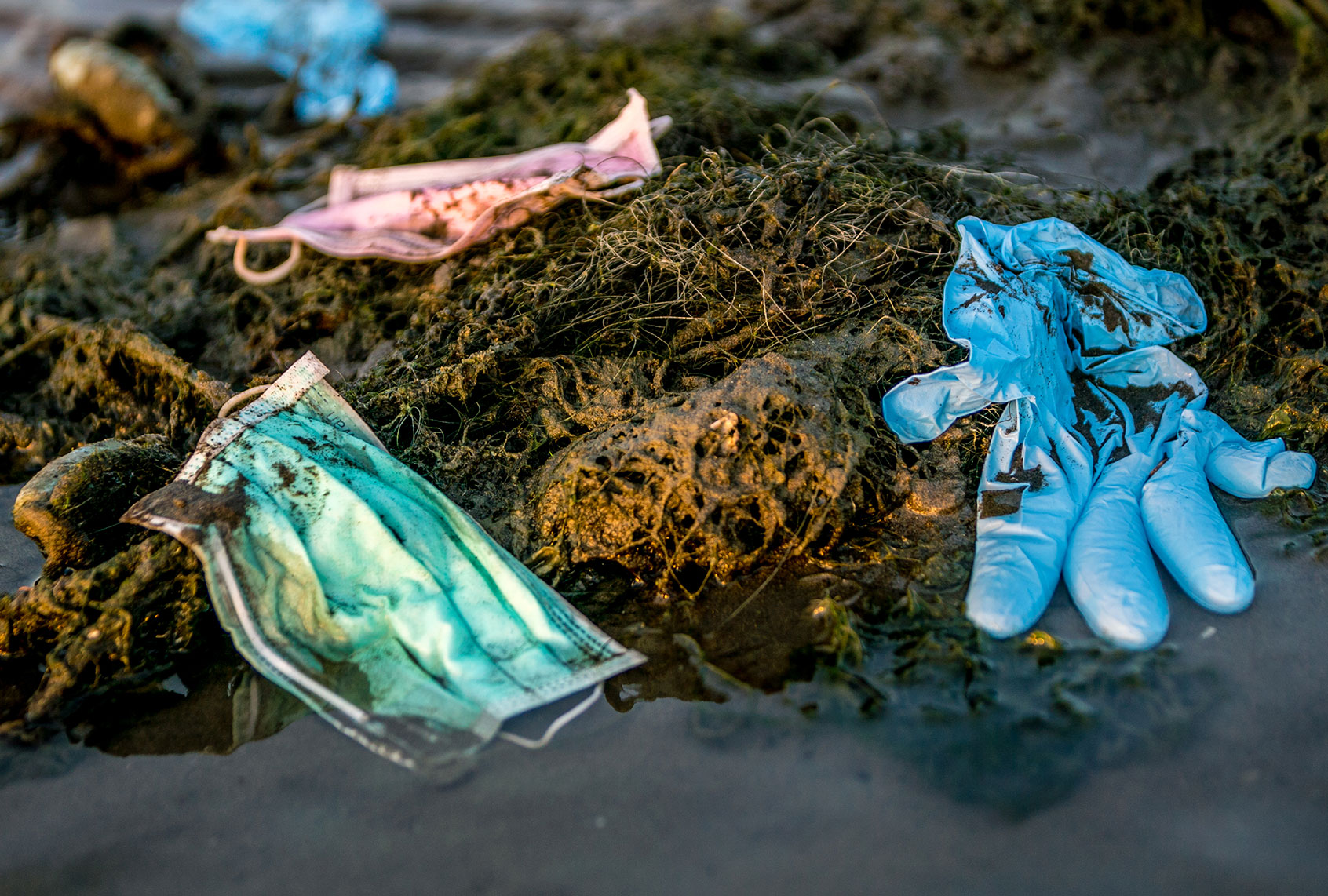
The disposal of healthcare waste is a critical issue that impacts environmental health particularly our oceans Proper management of this type of waste is essential to prevent harmful materials from contaminating marine ecosystems By implementing stringent waste disposal practices in healthcare settings we can reduce the risk of pollutants entering waterways protect aquatic life and ensure the overall health of our oceans Healthcare facilities need to adopt sustainable practices that address waste management and promote environmental stewardship
Deep Dive Into Protecting The World’s Water From Improper Pharmaceutical Disposal
Water is one of the most vital resources on the planet, yet it is increasingly threatened by pollutants that originate from many sources, including health care. Pharmaceuticals are indispensable for treating illness, improving the quality of life, and extending patient survival, but the path these medications take after use or non-use can significantly impact the environment. When pharmaceuticals enter water systems through improper disposal, the consequences can be far-reaching, affecting aquatic life, natural ecosystems, and even public health. As the demand for medications rises, so does the responsibility to handle them safely.
Secure Waste is committed to helping healthcare organizations understand their essential role in preventing water pollution and ensuring that pharmaceutical waste does not contaminate the environment. With robust programs, compliance expertise, and long-term sustainable solutions, Secure Waste empowers facilities to minimize ecological impacts and protect community health for generations to come. World Health Organization (WHO) on protecting our Oceans.
The Unintended Destination of Pharmaceuticals
Pharmaceutical waste is a growing global issue. Every year, millions of pounds of unused, expired, or partially used medications must be discarded by hospitals, pharmacies, long-term care facilities, outpatient centers, veterinary clinics, and households. While regulations have evolved to address proper disposal, the reality is that large quantities of pharmaceutical waste still enter water systems due to misunderstanding, convenience, or lack of structured waste programs.
Many medications are flushed down toilets, rinsed down sinks, or tossed in regular trash. Once improperly disposed of, these substances end up in sewage treatment plants or landfills. Most wastewater treatment plants are not designed to effectively remove pharmaceutical compounds. As a result, trace amounts pass through treatment processes and are discharged into rivers, lakes, and groundwater systems. When medications are disposed of with household trash, they end up in landfills, where rainwater and erosion create leachate that carries these chemicals into soil and groundwater.
Studies have revealed that components of multiple drug types, including antidepressants, antibiotics, hormones, analgesics, anti-inflammatories, and blood pressure medications, have been detected in the drinking water supplies of more than forty million Americans. Even at low concentrations, pharmaceuticals can have biological effects on aquatic and terrestrial organisms. The long-term consequences for humans are still being studied, but scientists have already documented disruptions in wildlife that raise serious concerns.
Fish exposed to pharmaceutical-contaminated waters experience slowed growth, altered behavior, fertility problems, weakened immune systems, organ abnormalities, and hormonal imbalance. Some species exhibit intersex traits, in which male fish develop female reproductive traits due to hormonal pollutants. These indicators provide essential warnings about potential human health risks from long-term exposure to trace pharmaceuticals.
Because healthcare organizations manage a significant share of the medications used in society, they play a central role in preventing these harmful environmental outcomes. Comprehensive waste management programs are essential not only for compliance but also for ecological stewardship and community health protection.
Why Healthcare Organizations Must Lead the Effort
Healthcare facilities are uniquely positioned to influence how pharmaceutical waste is handled. Their involvement spans prescribing, dispensing, administering, storing, and discarding medications. When systems lack solid protocols, pharmaceutical waste becomes difficult to track and easy to mishandle, increasing the risk of environmental contamination.
By implementing strong pharmaceutical waste programs, healthcare organizations can dramatically reduce the amount of medication that enters sewage systems, trash streams, and landfills. Facilities with structured programs ensure that unused medications never end up in the drain or in ordinary disposal. Instead, they flow through approved treatment and destruction pathways that neutralize their chemical composition.
Healthcare organizations are also trusted sources of information in their communities. When they take visible steps to promote safe disposal, their influence extends to patients, caregivers, and households. Many people dispose of medications improperly because they do not know better or because convenient alternatives are unavailable. Healthcare providers can fill this knowledge gap by educating patients and offering simple disposal solutions, such as take-back events, mail-back programs, or sealed disposal kits.
Leadership from healthcare organizations is critical because they are subject to federal and state regulations that govern the management of pharmaceutical waste. By consistently following these requirements and educating their staff, they set a standard of excellence and responsibility within the industry.
How Comprehensive Pharmaceutical Waste Programs Work
A robust pharmaceutical waste program begins with compliance. The Resource Conservation and Recovery Act (RCRA) establishes federal guidelines for hazardous waste management, including specific categories of pharmaceutical waste and disposal requirements. States often add their own regulations, which may be even more stringent. Healthcare facilities must understand these rules and implement policies that align with both federal and state mandates.
A well-structured pharmaceutical waste program includes transparent processes for segregating hazardous and non-hazardous pharmaceuticals, ensuring that medications do not enter general waste streams. It involves designated disposal containers, secure storage areas, locked collection systems, and regular pickups by licensed waste management partners. The program must document every step of the process to ensure transparency and accountability.
Training is essential. Staff must know which medications require special disposal, how to use designated containers, and why flushing or disposing of medicines in the trash is harmful. Regular training sessions keep staff aware of new regulations and best practices, reducing the chance of accidental misuse.
Treatment and destruction methods vary depending on the drug type. Incineration is a standard method that reduces pharmaceuticals to inert ash and gases, preventing them from entering water systems. Other advanced treatments destroy chemical structures, rendering them unable to affect organisms or the environment.
Secure Waste provides these services with a focus on compliance, safety, and sustainability. Our teams help healthcare organizations build strong programs that protect their facilities and communities from the risks of pharmaceutical contamination.
Educating Patients and Encouraging Safe Disposal Habits
While healthcare organizations handle large volumes of medications, a significant portion of unused pharmaceuticals originates in households. Patients may stop taking medications due to side effects, dosage changes, or improved conditions, leaving unused pills in drawers, cabinets, and closets. Without guidance, many people turn to the quickest disposal methods: flushing, rinsing, or throwing medications down the drain or into the trash.
To reduce this problem, healthcare organizations must engage with patients and communities. Education plays a decisive role in shaping behavior. Providers should explain why improper disposal is harmful and offer practical alternatives. Community drug take-back programs, available at many pharmacies, police stations, and public events, allow individuals to safely drop off unused medications. Some healthcare organizations partner with disposal vendors to offer prepaid mail-back envelopes that patients can use from home.
Seal-and-send programs are another option. Patients place unused medications into a secure container that chemically neutralizes them. The sealed container is then mailed or returned to a designated facility for safe disposal. These methods are simple, accessible, and effective in keeping medications out of drains and landfills.
Healthcare organizations can enhance compliance by including disposal instructions in discharge paperwork, adding reminders during prescription refills, or integrating disposal education into patient portals and appointment follow-ups. When patients understand the environmental stakes and have easy access to safe disposal methods, participation increases dramatically.
The Long-Term Environmental Benefits of Responsible Disposal
When healthcare organizations commit to proper pharmaceutical waste management, the ripple effects extend far beyond their walls. Preventing medications from entering water systems protects aquatic ecosystems from chemical exposure that disrupts life cycles, reproductive systems, and natural behavior. It also safeguards plant life, soil quality, and the health of entire food chains.
Improving water quality has direct benefits for communities. Cleaner water reduces treatment costs for municipalities and increases the safety of drinking water sources. It also reduces the risk of long-term human exposure to trace chemicals whose effects are still not fully understood.
Responsible disposal supports sustainability goals and aligns healthcare organizations with global environmental initiatives. As society becomes more aware of pollution issues, healthcare institutions that demonstrate ecological leadership strengthen their reputations and build trust with their communities.
Secure Waste remains dedicated to developing innovative solutions that keep pharmaceuticals out of the environment. Through advanced disposal methods, compliance support, and sustainable waste programs, Secure Waste helps healthcare organizations achieve meaningful reductions in pharmaceutical pollution.
Conclusion
Pharmaceutical waste poses a serious threat to water systems when improperly handled. As medications enter sewage systems, landfills, and waterways, they create environmental and biological consequences that affect wildlife, ecosystems, and potentially human health. Healthcare organizations have a crucial responsibility to prevent this contamination, and they have the tools, expertise, and influence needed to lead the change.
By establishing robust pharmaceutical waste programs, adhering to RCRA and state regulations, investing in staff training, and educating patients about proper disposal, healthcare facilities can significantly reduce the volume of medications entering the environment. Through collaboration and commitment, these actions protect natural ecosystems, preserve drinking water quality, and support long-term sustainability.
Secure Waste continues to drive innovative, compliant, and environmentally responsible solutions to prevent pharmaceuticals from reaching waterways. With strong partnerships and dedicated stewardship, the healthcare industry can play a transformative role in protecting the planet for future generations.
Expert Medical Waste Management: With over 25 years of industry experience, Secure Waste is a trusted local leader in hazardous and biohazardous waste disposal across Maryland, Virginia, and Washington, D.C. Specializing in medical waste management, sharps needle disposal, and biohazard waste removal, the company ensures full compliance with federal, state, and local regulations while prioritizing environmental sustainability.
The company also offers additional services, including secure document shredding and sharps container sales, providing comprehensive solutions for healthcare facilities and businesses. Our cost-effective services help clients maintain regulatory compliance without unexpected costs.
With a commitment to customer satisfaction, Secure Waste offers tailored waste management plans that align with industry best practices. Their team of experts provides reliable, timely, and compliant services, making them the preferred choice for medical waste disposal. For a free waste quote or more information, visit www.securewaste.net