Hazardous Waste Containers: What Are They? And How To Use Them? Secure Waste Expert Hazardous Waste Solutions
Hazardous waste containers come in a variety of types and colors, and many people often wonder why this is the case. At Secure Waste, we frequently receive inquiries regarding hazardous waste containers. As a pioneering company servicing Maryland, Virginia, and Washington, D.C., we specialize in the safe disposal and management of hazardous waste.
Additionally, we offer a diverse assortment of high-quality waste containers tailored to meet various needs. Whether you require guidance or a free quote, don’t hesitate to contact us today for more information.
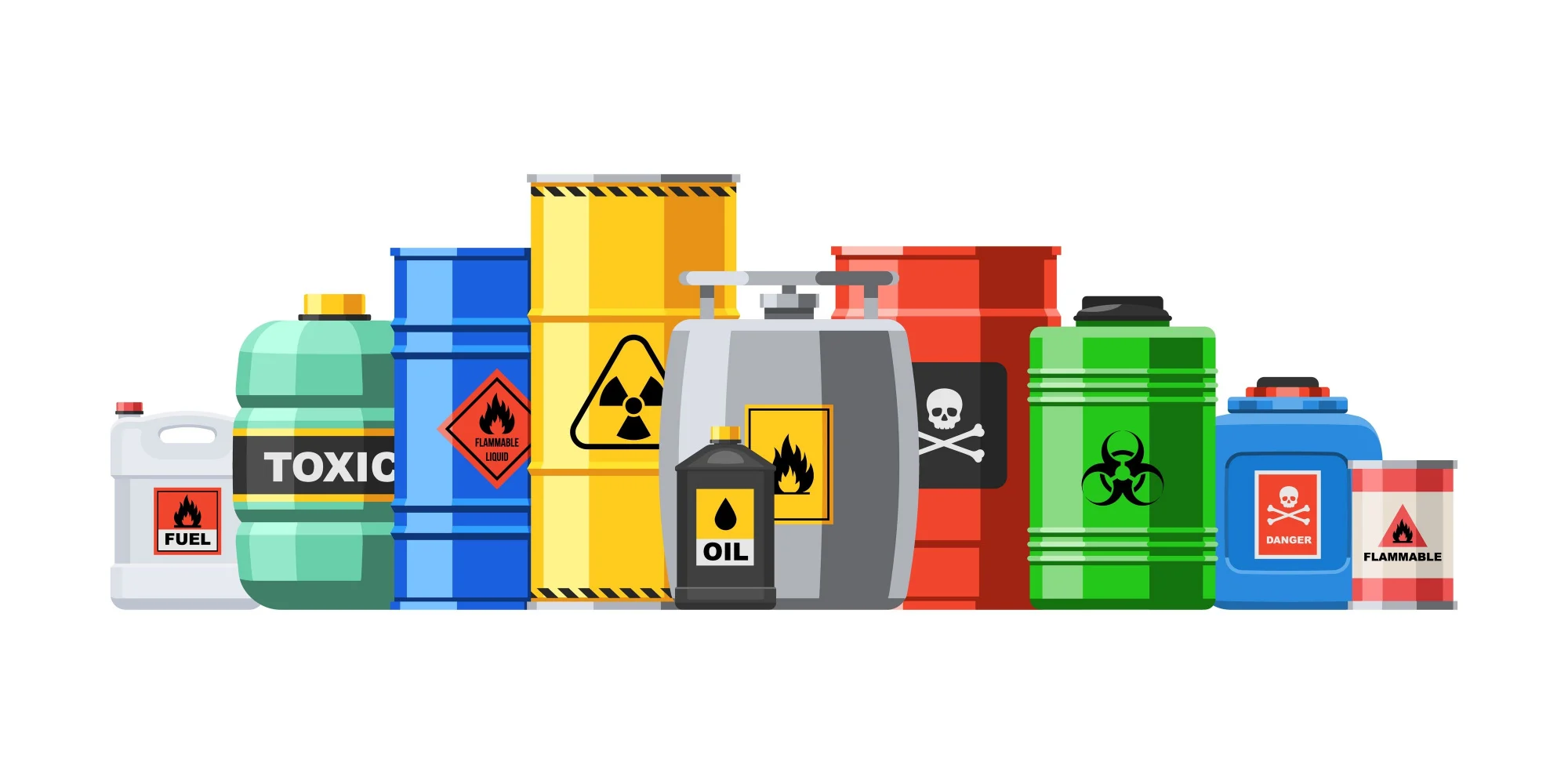
Hazardous waste containers are meticulously designed vessels that play a critical role in environmental protection and public safety.
These containers come in a variety of sizes, ranging from small bottles for laboratory samples to large industrial drums capable of holding hundreds of gallons, specifically engineered to store, transport, and manage dangerous materials safely.
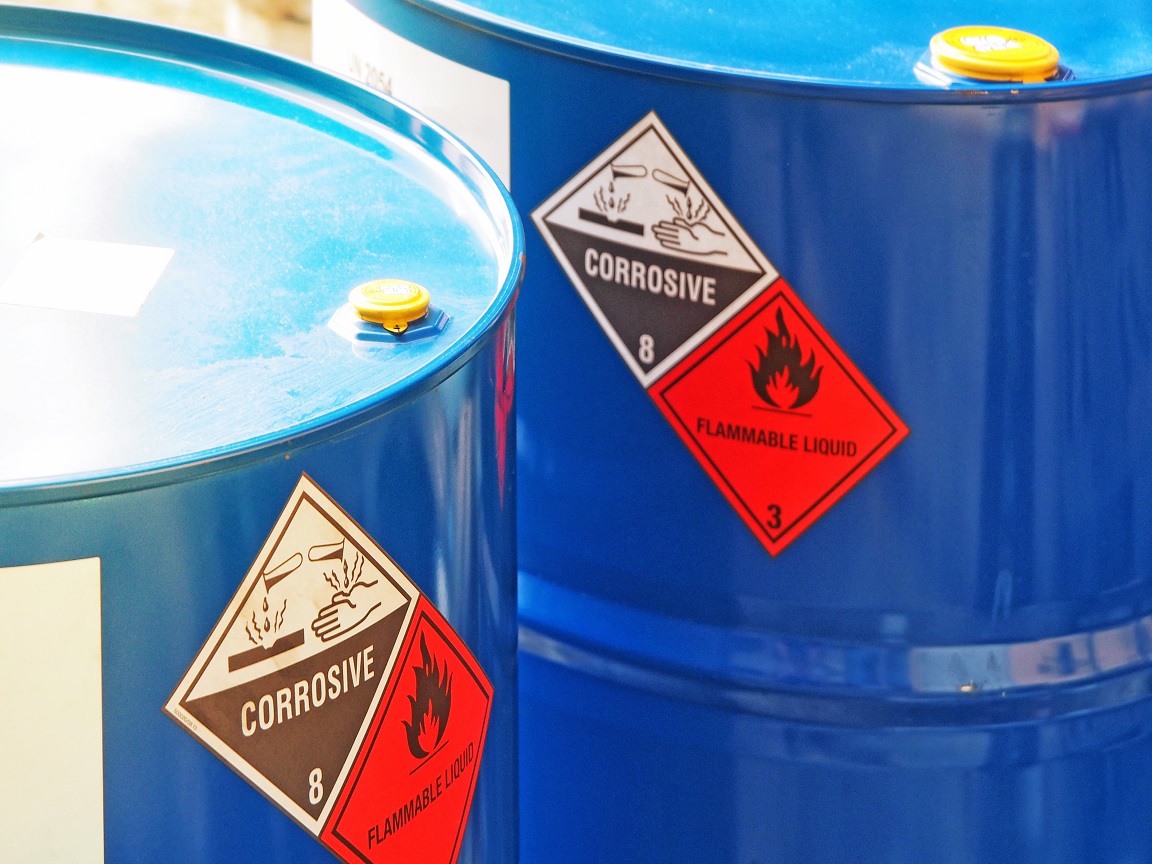
Such materials may include corrosives, flammables, toxic substances, and reactive compounds, necessitating robust construction to prevent leaks, chemical reactions, and other hazardous incidents that could endanger lives and ecosystems.
What does it cost to dispose of hazardous waste? More here with Secure Waste on Hazardous Chemical Disposal and pricing.
Hazardous Waste Containers Key Characteristics
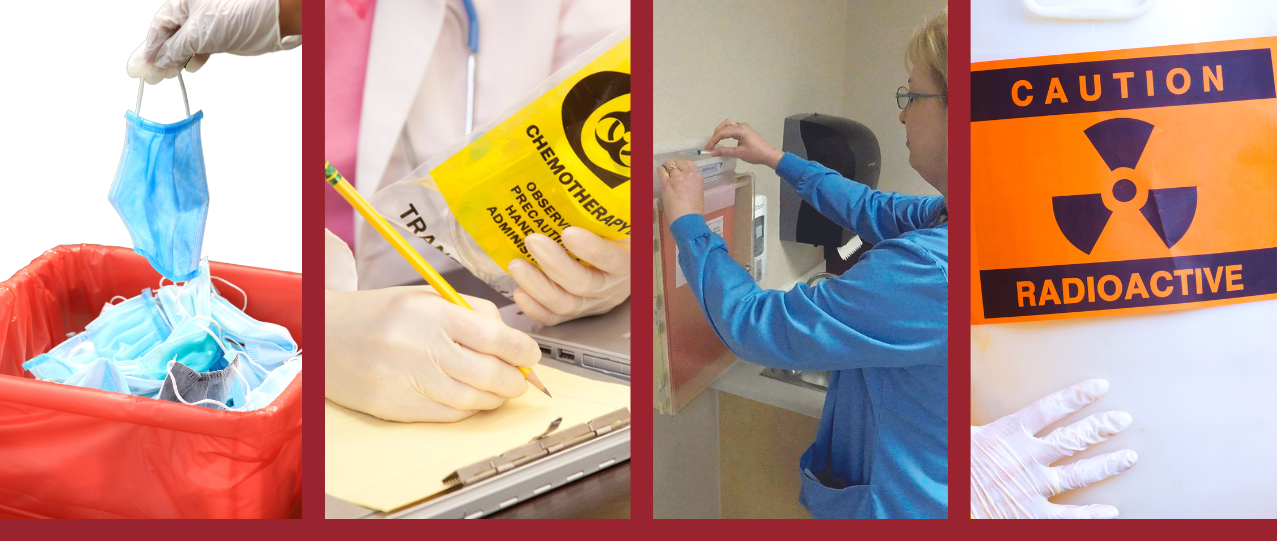
Purpose: These containers are essential for securely enclosing substances categorized as ignitable, corrosive, reactive, or toxic (ICRT). Their design minimizes the risk of exposure to hazardous materials, thereby protecting both personnel handling them and the surrounding environment from potential harm.
Materials: The choice of container materials is crucial and must be compatible with the specific waste they are intended to hold.
Common materials include heavy-duty steel, which provides strength and durability, high-density polyethylene (HDPE) plastic, known for its resistance to chemical corrosion, and specialized glass, often used for highly reactive substances.
Each material offers unique properties suited to different categories of hazardous waste, ensuring both safety and compliance during storage and transport.
Types: The types of hazardous waste containers available are diverse, catering to a wide range of needs and applications. Smaller lab containers are often used for the precise handling of limited amounts of hazardous materials.
The ubiquitous 55-gallon drums are commonly used in various settings for general purposes. Large bulk tankers are utilized for industrial applications, often designed to accommodate significant volumes of liquid waste.
Additionally, specialized bins, such as those made for containing lithium batteries or mixed hazardous waste, are employed in specific scenarios to ensure proper handling and disposal.
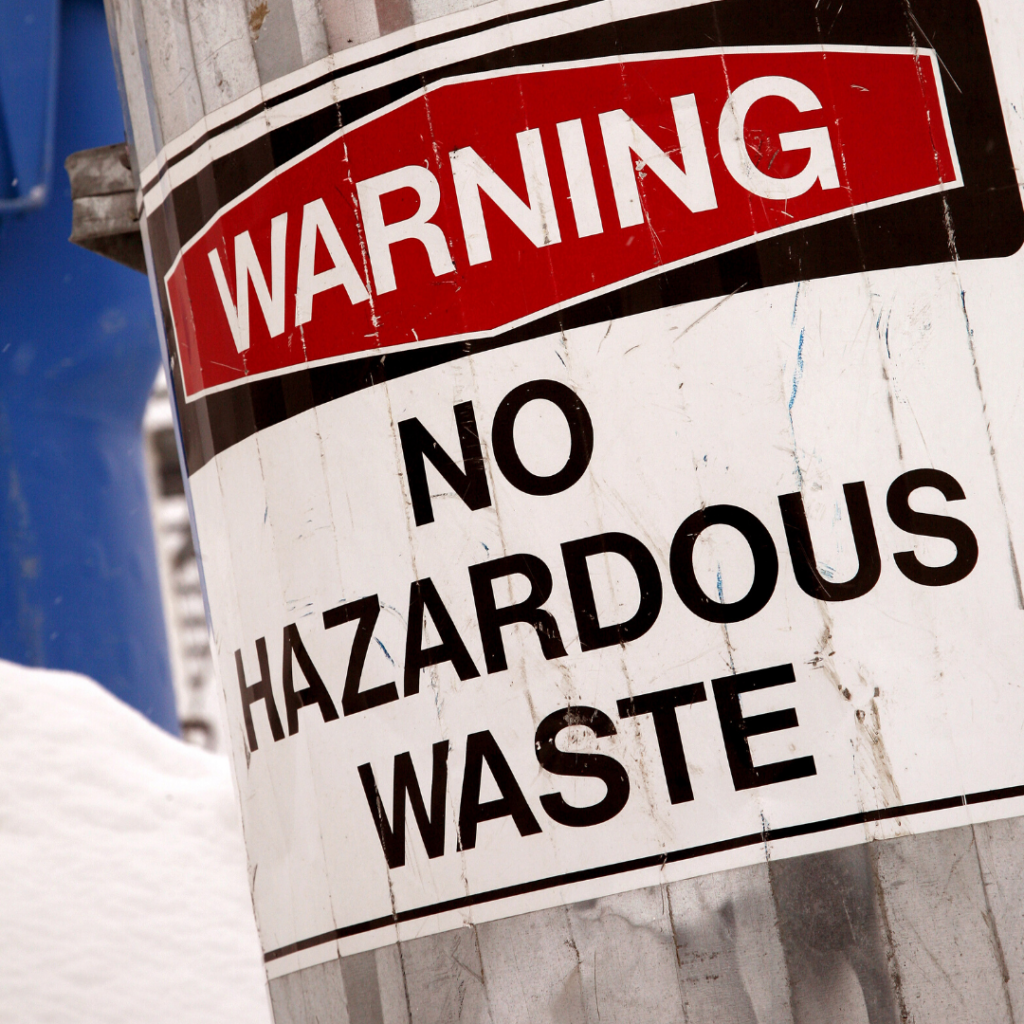
Labeling: Effective waste management relies heavily on clear and precise labeling practices. Labels should not only prominently display phrases like “Hazardous Waste” but also include essential facility information, detailed descriptions of the contents (including their physical state), hazard classifications (such as flammable or carcinogenic), and the date of accumulation start.
This thorough labeling ensures that handlers can safely identify and manage the waste, facilitating compliance with regulatory standards.
Secure Waste sells Hazardous Waste containers. View our inventory.
Why They’re Important
Safety: Properly designed hazardous waste containers significantly minimize the risk of spills, fires, and dangerous chemical reactions during both storage and transportation. By providing secure containment, these containers help avert accidents that could lead to exposure, environmental contamination, or catastrophic incidents.
Compliance: Utilizing these specialized containers helps businesses adhere to rigorous regulations enforced by agencies such as the Environmental Protection Agency (EPA) and the Department of Transportation (DOT).
Compliance with laws such as the Resource Conservation and Recovery Act (RCRA) helps organizations avoid potential fines, legal liability, and reputational damage that can result from improper waste management practices.
Hazardous Waste Segregation: Selecting different types of containers based on the waste’s characteristics is critical for effective waste management.
For instance, plastic drums are typically used for liquids to prevent reaction with metal, while solid waste may require sturdier, specialized bins designed to avoid leaching or contamination. This practice ensures that incompatible materials do not mix, thereby reducing the risk of dangerous reactions.
Examples of Hazardous Waste and What They Contain: These containers may hold a broad spectrum of hazardous materials, including waste oils from industrial processes, volatile solvents used in manufacturing, paints containing toxic pigments, agricultural pesticides, corrosive acids, caustic substances, and photographic chemicals rich in heavy metals.
Each category of hazardous material underscores the vital need for safe and compliant waste management practices to protect human health and the environment.
Expert Medical Waste Management: With over 25 years of industry experience, Secure Waste is a trusted local leader in hazardous and biohazardous waste disposal across Maryland, Virginia, and Washington, D.C. Specializing in medical waste management, sharps needle disposal, and biohazard waste removal, the company ensures full compliance with federal, state, and local regulations while prioritizing environmental sustainability.
The company also offers additional services, including secure document shredding and sharps container sales, providing comprehensive solutions for healthcare facilities and businesses. Our cost-effective services help clients maintain regulatory compliance without unexpected costs.
With a commitment to customer satisfaction, Secure Waste offers tailored waste management plans that align with industry best practices. Their team of experts provides reliable, timely, and compliant services, making them the preferred choice for medical waste disposal. For a free waste quote or more information, visit www.securewaste.net