
Compliant and Environmentally Responsible Medical Waste Management for Modern Healthcare
Compliant and Environmentally Friendly Medical Waste Management
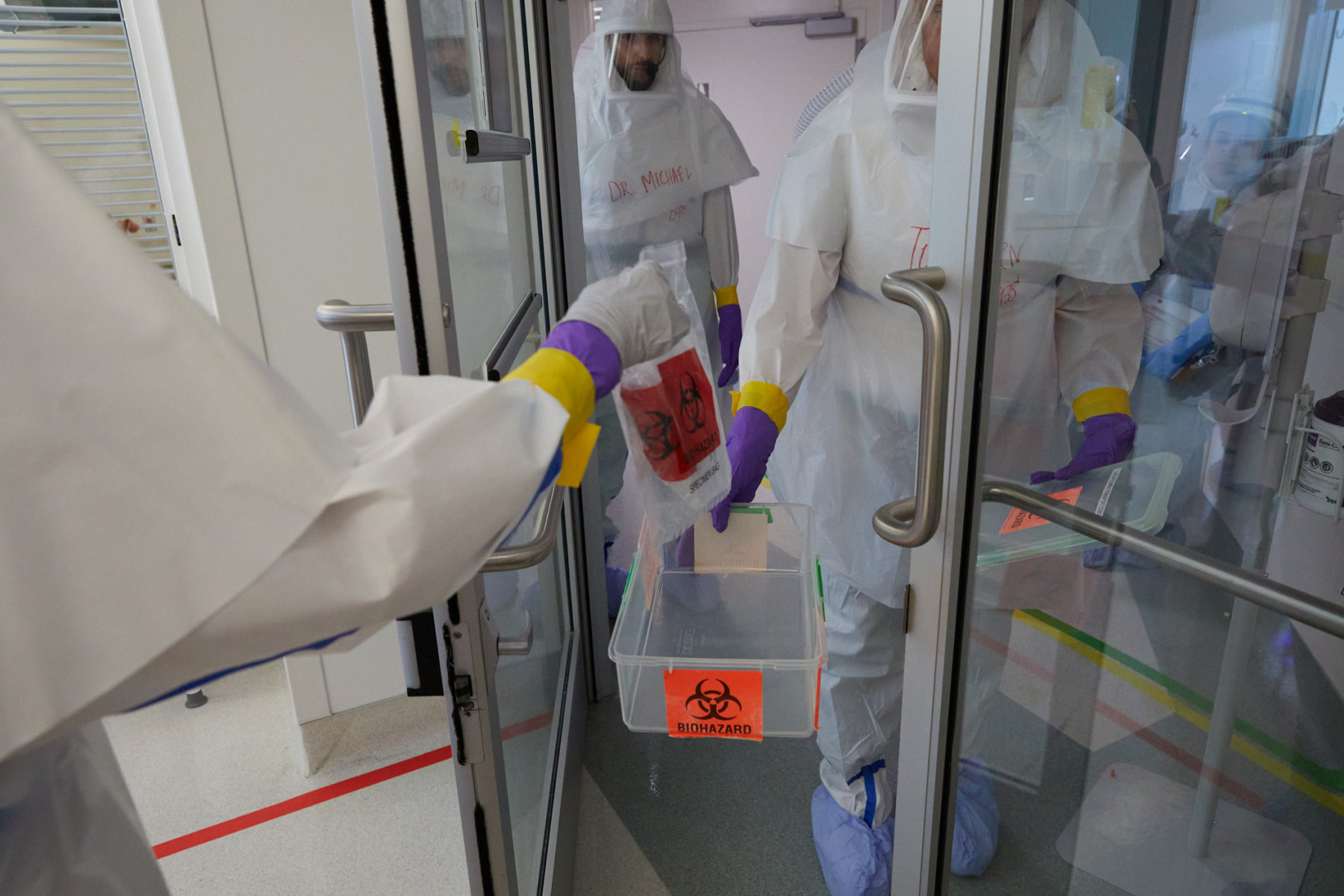
Medical waste management is one of the most critical responsibilities within any healthcare organization. While many facilities focus heavily on internal processes—such as correct segregation at the point of generation, container selection, labeling, and staff training—far fewer fully understand what happens after the waste leaves their building.
The journey from a facility’s loading dock to its final treatment involves complex regulatory rules, specialized transportation requirements, and significant environmental considerations. If a waste service provider mishandles regulated medical waste (RMW), the healthcare organization remains liable for any downstream violations. This means even a well-run internal waste program can fail without proper external oversight.
Secure Waste helps healthcare providers design end-to-end programs that ensure the waste lifecycle—from internal collection to transportation and treatment—is safe, compliant, and environmentally responsible.
Why Medical Waste Management Extends Beyond the Facility
Medical waste is not simply “thrown away.” It is governed by a regulatory framework that dictates how it must be:
- Collected
- Packaged
- Stored
- Transported
- Treated
- Documented
- Disposed of
Once waste leaves the facility, healthcare leaders must rely on a partner who understands the laws and infrastructure needed to manage regulated materials safely. Otherwise, facilities risk:
- Violations of OSHA, DOT, EPA, and state regulations
- Fines or citations during inspections
- Environmental contamination
- Reputational damage
- Liability for incidents caused by third-party handlers
Multiple Waste Streams, Multiple Requirements
Healthcare organizations generate a wide range of waste categories, including:
- Regulated medical waste (RMW)
- Sharps waste
- Pharmaceutical waste
- Pathological and anatomical waste
- Chemical waste
- Trace chemotherapy waste
Each has its own packaging, labeling, storage, and treatment requirements. Mismanagement—by the facility or its vendor—can lead to spills, contamination, exposure risks, and environmental harm. A knowledgeable partner ensures the entire chain of custody protects both people and the environment.
Regulatory Complexity and the Need for Expert Guidance
Multiple agencies govern medical waste, including:
- OSHA — worker safety and exposure control
- EPA — waste treatment, environmental protection, and pharmaceutical disposal rules
- DOT — transportation of hazardous materials
- State environmental agencies — storage, definitions, treatment methods, and reporting requirements
No two states define regulated medical waste the same way. Storage time limits vary widely. Some states require manifests for RMW, while others do not. Some restrict incineration, while others require it for specific types of waste.
This creates a moving regulatory target. Policies written five or ten years ago often no longer meet current standards.
Secure Waste provides:
- Regulatory updates
- State-specific guidance
- Written compliance materials
- Staff training
- Documentation support
With expert oversight, organizations reduce the risk of citations, service interruptions, or regulatory non-compliance.
How Environmental Responsibility Integrates With Waste Compliance
Healthcare is a high-impact industry. Waste generation, transportation emissions, the use of single-use plastics, and energy-intensive treatment processes all contribute to the environmental burden.
Forward-thinking organizations now recognize that compliance and sustainability must work together.
Where Environmental Impact Occurs
- At the point of generation
Mis-segregation leads to excessive waste being placed in red bags and sharps containers. This drives up treatment volume and environmental impact. - In packaging and container use
Single-use plastics, non-reusable containers, and poorly sized packaging contribute to unnecessary waste. - During transportation
Inefficient routing, poor container sealing, or inadequate documentation increases carbon emissions and risk. - At final treatment
Incineration, although necessary for specific waste streams, generates greenhouse gas emissions. Alternative treatment technologies can significantly reduce this footprint.
Secure Waste evaluates each stage to minimize environmental harm while maintaining strict compliance.
Strategies for Creating an Environmentally Conscious Waste Program
1. Improve Waste Segregation at the Point of Collection
Accurate segregation is essential. When staff place general trash into red bags or sharps containers, treatment costs rise and environmental impact worsens.
Proper segregation:
- Reduces total RMW volume
- Decreases incineration or sterilization demand
- Lowers emissions
- Minimizes resource use
Secure Waste provides training, color-coded signage, and workflow tools to help staff make correct disposal decisions—even in fast-paced clinical environments.
2. Choose Sustainable, Durable Container Options
Reusable systems are one of the fastest ways to reduce plastic waste.
Reusable sharps containers:
- Eliminate thousands of single-use plastic units annually
- Meet puncture-resistance and leakproof requirements
- Are sanitized through certified processes
- Reduce long-term cost and waste volume
Secure Waste offers both reusable and disposable container solutions, enabling facilities to meet their sustainability goals while maintaining safety.
- Optimize Transportation and Routing Practices
Transportation is a significant part of the waste lifecycle. Environmentally conscious waste hauling prioritizes:
- Sealed, DOT-approved containers
- Efficient routing to reduce fuel use
- Trained, certified drivers
- Proper documentation and manifest accuracy
With Secure Waste, facilities benefit from compliant transportation practices that protect staff, the public, and the environment.
4. Select Environmentally Responsible Treatment Technologies
The treatment method has a significant impact on environmental sustainability.
Better options include:
- Autoclaving / Steam sterilization — reduces emissions vs. incineration
- Alternative treatment technologies — chemical, thermal, or microwave systems
- Energy recovery systems, when permissible — recycle waste heat for industrial use
Some waste types (e.g., pathological, trace chemotherapy) must still be incinerated, but many others can be processed through more sustainable methods.
Secure Waste partners with facilities that utilize modern, compliant treatment technologies, wherever permitted by state law.
Why Healthcare Facilities Need a Full-Lifecycle Waste Partner
Managing medical waste requires expertise that surpasses internal processes. Healthcare organizations need a partner who understands:
- Federal and state compliance
- Best practices in waste segregation
- Safe transportation and documentation
- Environmental best practices
- Emergency response and contingency planning
- Staff training and ongoing regulatory updates
The Benefits of a Full-Lifecycle Partner
- Greater Compliance Confidence
Secure Waste provides manifest tracking, audit-ready documentation, and compliance materials that help facilities succeed in inspections. - Operational Efficiency
Scheduled pickups, container replacements, and responsive service prevent overflow or service disruptions. - Environmental Stewardship
Facilities receive solutions tailored to reduce waste volume and lower their environmental footprint—without sacrificing compliance. - Transparency and Accountability
Waste tracking and reporting give leaders clear insight into treatment methods, waste volumes, and sustainability performance.
With Secure Waste as a partner, healthcare organizations can focus on patient care rather than waste management logistics.
Conclusion
Compliant and environmentally responsible medical waste management requires more than just basic waste segregation and container use—it necessitates an understanding of the full lifecycle of medical waste, from generation to final treatment. Healthcare organizations must remain aligned with evolving regulatory standards, minimize their environmental impact, and ensure the safe, documented transport and disposal of materials.
Secure Waste delivers the regulatory expertise, operational infrastructure, and sustainability-focused solutions needed to support a safe, compliant, environmentally responsible waste program from start to finish.
To strengthen your medical waste strategy and reduce environmental impact, visit SecureWaste.net and explore tailored solutions that support your facility.
Expert Medical Waste Management: With over 25 years of industry experience, Secure Waste is a trusted local leader in hazardous and biohazardous waste disposal across Maryland, Virginia, and Washington, D.C. Specializing in medical waste management, sharps needle disposal, and biohazard waste removal, the company ensures full compliance with federal, state, and local regulations while prioritizing environmental sustainability.
The company also offers additional services, including secure document shredding and sharps container sales, providing comprehensive solutions for healthcare facilities and businesses. Our cost-effective services help clients maintain regulatory compliance without unexpected costs.
With a commitment to customer satisfaction, Secure Waste offers tailored waste management plans that align with industry best practices. Their team of experts provides reliable, timely, and compliant services, making them the preferred choice for medical waste disposal. For a free waste quote or more information, visit www.securewaste.net