
Effective Management Of Healthcare Waste Can Enhance The Well-Being Of Nurses
Welcome to Secure Waste, a recognized leader in the specialized field of Biomedical waste disposal for the healthcare sector. We take this opportunity to honor the invaluable contributions of our local nurses throughout Maryland, Virginia, and Washington, D.C. These dedicated professionals serve as the backbone of our healthcare system, often being the first point of contact for patients navigating the complex healthcare ecosystem.
Nurses play a crucial role in ensuring patients’ safety and comfort from the moment they enter a healthcare facility. They administer care, advocate for patients’ needs, and coordinate with other healthcare professionals to provide a seamless experience. However, it’s vital to acknowledge the unique challenges they face, including high-stress environments, long hours, and the emotional toll of caring for critically ill patients.
As we express our gratitude for their unwavering commitment, let us also pledge to support these essential healthcare workers who selflessly dedicate their lives to the well-being of others. By fostering a culture that values and empowers nurses, we can help alleviate some of the pressures they encounter, ensuring they continue to provide high-quality care to our communities. Together, let’s advocate for better resources and support systems for our nurses, recognizing their indispensable role in the healthcare journey.

Efficient Waste Management Can Help Improve Nurse Well-Being
Each year, National Nurses Week offers an opportunity to recognize the critical role nurses play in safeguarding the health and well-being of the communities they serve. Over the past several years, however, the demands placed on nurses have reached unprecedented levels. Prolonged public health emergencies, increased patient volumes, and staffing shortages have left many nurses physically and emotionally exhausted. Burnout is no longer a risk—it is a reality facing much of the nursing workforce.
Recent studies show alarmingly high levels of burnout among nurses. A majority report feeling emotionally drained, overwhelmed, or disengaged from their roles. These challenges are occurring alongside major demographic shifts in the nursing workforce. The average age of nurses continues to rise, while fewer younger professionals are entering the field. As a result, healthcare systems are facing a critical shortage that threatens long-term care delivery.
The consequences of nurse burnout extend far beyond the workforce itself. When nurses are overburdened, patient safety, quality of care, and organizational stability are all at risk. Addressing this challenge requires healthcare leaders to look beyond traditional staffing solutions and examine operational processes that either support or hinder nurses in their daily work. One area with a significant yet often overlooked impact is medical waste management.
The Hidden Impact of Inefficient Waste Processes
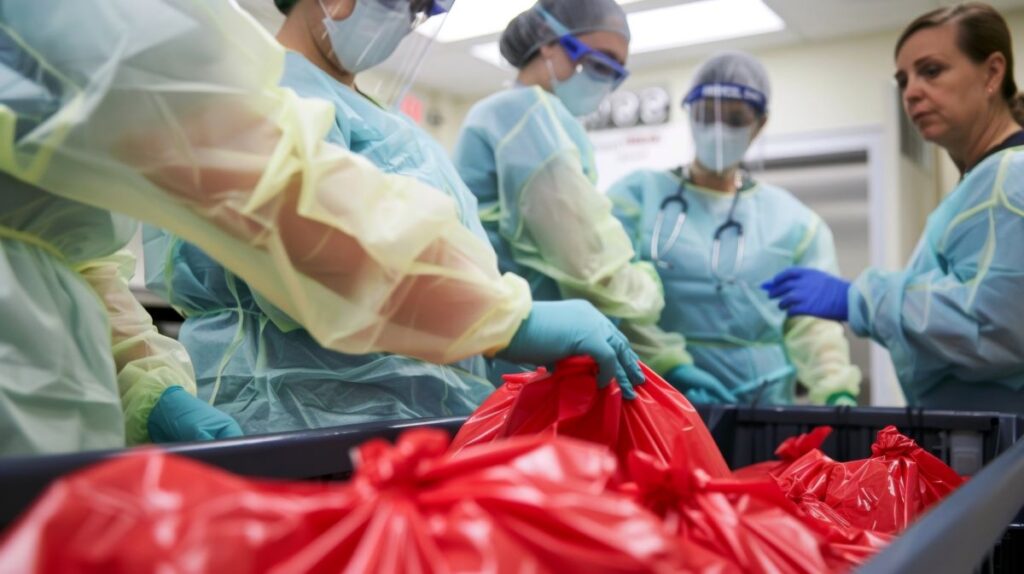
Nurses interact with medical waste systems constantly throughout their shifts. From disposing of sharps and medications to handling contaminated materials, waste management is embedded in nearly every aspect of patient care. When these processes are inefficient, inconsistent, or overly complex, they add unnecessary friction to already demanding workflows.
Research shows that healthcare professionals overwhelmingly believe effective waste management is foundational to providing safe, high-quality care. At the same time, many report that inefficient waste systems contribute directly to fatigue and burnout. When nurses must walk long distances to dispose of waste, remember multiple disposal rules, or navigate unclear procedures, valuable time and energy are diverted away from patient care.
In high-acuity environments, even small inefficiencies can accumulate quickly. Repeated interruptions to locate disposal containers or determine correct waste streams increase cognitive load and stress. Over time, these frustrations contribute to emotional exhaustion and reduced job satisfaction.
Simplifying Waste Management to Support Nurses
Streamlining medical waste management can meaningfully reduce the burden on nursing staff. Simplified systems allow nurses to focus on patient care rather than logistics, helping them conserve both physical and mental energy throughout their shifts.
One strategy healthcare organizations may consider, where permitted by regulations, is consolidating specific waste streams at the point of care. For example, reducing the number of disposal locations or allowing compatible waste types to be handled together can minimize unnecessary movement and decision-making. When disposal processes are intuitive and consistent, nurses spend less time managing waste and more time delivering care.
Time savings from simplified waste processes can be substantial. Even small reductions in disposal-related tasks, when multiplied across dozens of nurses and multiple shifts, can result in thousands of hours redirected toward patient care or recovery time. These efficiencies can also support sustainability goals by reducing excess supply use and minimizing waste-related environmental impact.
Training as a Tool for Confidence and Efficiency
Effective waste management is not only about equipment and placement but also about education. Clear, accessible training helps nurses feel confident that they are handling waste safely and compliantly in all settings. Unfortunately, many healthcare professionals report feeling underprepared, particularly when providing care outside traditional hospital environments, such as in-home or outpatient settings.
Regular, easy-to-understand training that is accessible on flexible schedules can help address this gap. When nurses understand precisely how to manage different waste types and why specific protocols exist, they can work more efficiently and with greater confidence. Training also reduces anxiety related to compliance and safety, further supporting well-being.
Healthcare organizations should view waste management training as an investment in both safety and staff support. Well-trained nurses are better equipped to manage risks, prevent injuries, and maintain focus during demanding shifts.
Waste Management and Sustainability Matter to Nurses
Environmental responsibility is increasingly important to healthcare professionals. Many nurses express strong concern about their organization’s environmental impact and want to work in settings that prioritize sustainability. Efficient waste management systems that reduce unnecessary materials, optimize container use, and minimize transportation needs can align operational practices with staff values.
Supporting sustainability initiatives not only benefits the environment but also contributes to staff engagement. Nurses who feel their workplace reflects their values are more likely to experience job satisfaction and organizational loyalty. Simplified waste systems that reduce plastic use and unnecessary disposal steps can help achieve these goals.
Reducing Burnout Through Smarter Operations
Burnout cannot be solved through wellness programs alone. While mental health resources and supportive leadership are essential, operational improvements are equally significant. Reducing unnecessary complexity in daily workflows sends a clear message that staff time and well-being matter.
Waste management may seem like a small piece of a much larger puzzle, but its impact on daily nursing work is significant. Streamlined processes reduce distractions, minimize physical strain, and create more predictable work environments. These improvements help nurses feel supported rather than overwhelmed.
A Responsibility to Support the Nursing Workforce
Healthcare organizations have a responsibility to protect and support the professionals who deliver care every day. Improving waste management efficiency is one tangible way to ease the burden on nurses while enhancing safety and compliance.
As staffing challenges persist and patient needs grow, healthcare leaders must examine every opportunity to reduce strain on their workforce. Efficient waste management is not just an operational issue—it is a workforce well-being strategy. By simplifying systems, improving training, and aligning processes with staff needs, organizations can help nurses reclaim valuable time, energy, and focus.
Supporting nurses ultimately means supporting patients and communities. When nurses are empowered to work efficiently and safely, everyone benefits.
Expert Medical Waste Management: With over 25 years of industry experience, Secure Waste is a trusted local leader in hazardous and biohazardous waste disposal across Maryland, Virginia, and Washington, D.C. Specializing in medical waste management, sharps needle disposal, and biohazard waste removal, the company ensures full compliance with federal, state, and local regulations while prioritizing environmental sustainability.
The company also offers additional services, including secure document shredding and sharps container sales, providing comprehensive solutions for healthcare facilities and businesses. Our cost-effective services help clients maintain regulatory compliance without unexpected costs.
With a commitment to customer satisfaction, Secure Waste offers tailored waste management plans that align with industry best practices. Their team of experts provides reliable, timely, and compliant services, making them the preferred choice for medical waste disposal. For a free waste quote or more information, visit www.securewaste.net