Healthcare Dry Mixed Recycling – Expert Recycling Solutions From Secure Waste
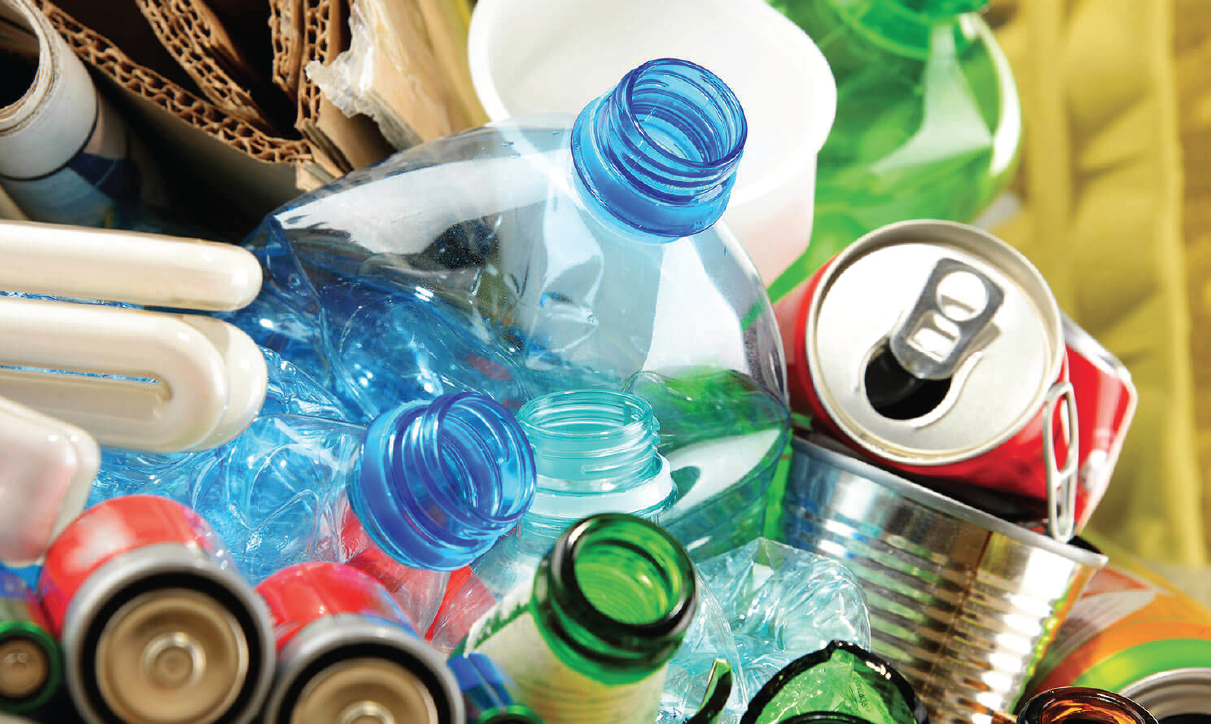
Secure Waste explains that dry mixed recycling (DMR) is an effective, user-friendly single-bin system designed for the streamlined collection of clean, dry, uncontaminated recyclable materials.
This innovative approach encompasses a diverse range of materials, including paper, cardboard, plastics, and metals, making it a versatile solution for households, businesses, and Healthcare facilities alike.
Welcome to Secure Waste! We are a local waste management company proudly serving the DMV area for over 30 years.
Our extensive experience focuses primarily on healthcare waste management and recycling, establishing us as a leader in the field.
We specialize in the safe and responsible disposal of biohazardous waste, hazardous materials, and sharps disposal, ensuring compliance with all regulatory standards.
In addition to our waste disposal services, we offer a premier recycling program that operates across Maryland, Washington, D.C., and Virginia, designed to promote sustainability and reduce landfill impact.
Join us as we delve into the key aspects of dry mixed recycling, an essential practice for minimizing waste and conserving resources. Thank you for taking the time to learn more about our services!
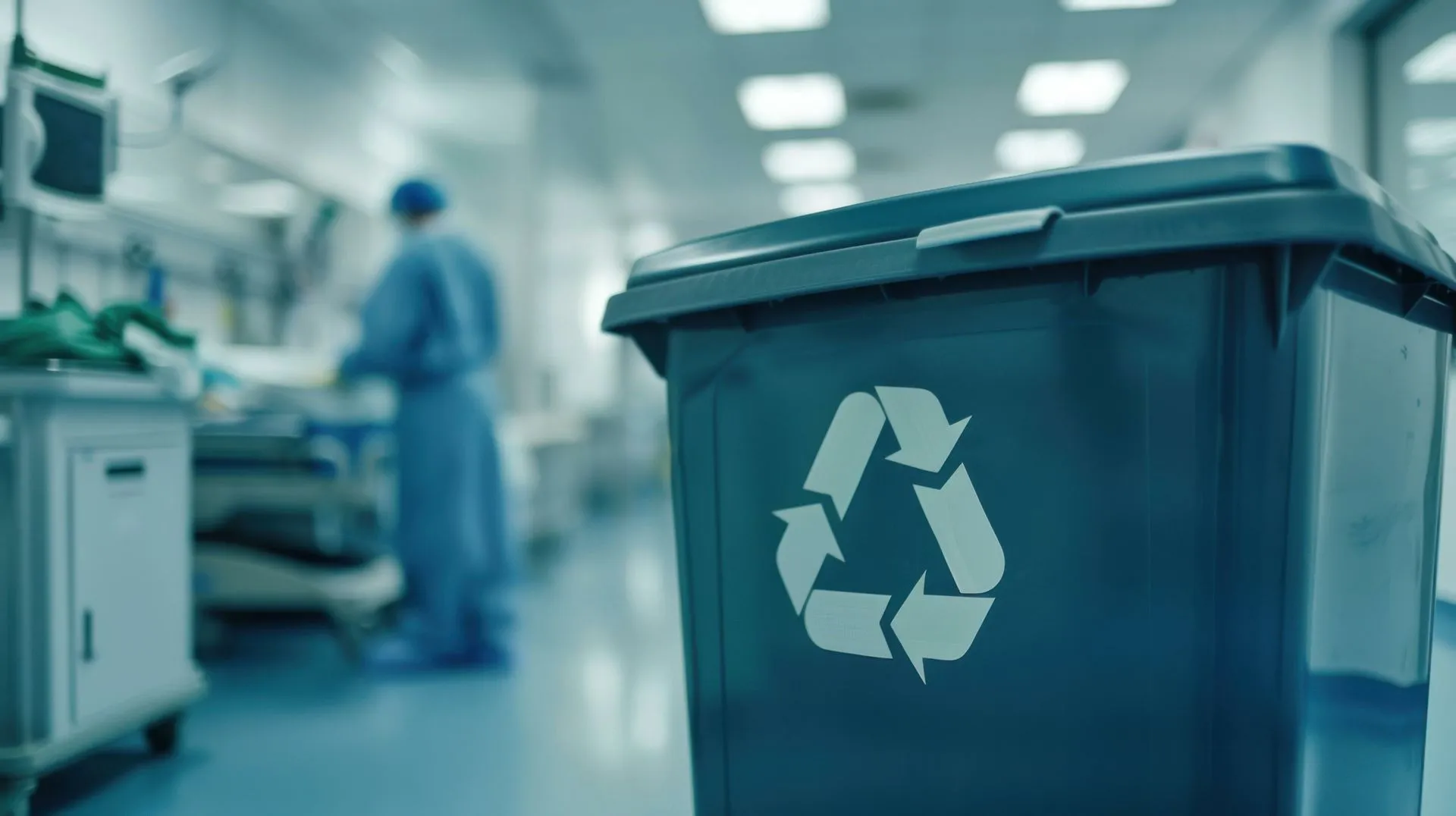
Recycling in the healthcare sector is a crucial initiative to reduce waste and promote sustainability It involves the responsible disposal and repurposing of medical materials packaging and other recyclable items generated in hospitals clinics and other healthcare facilities By implementing effective recycling programs healthcare institutions can minimize their environmental impact conserve resources and reduce operational costs This not only benefits the planet but also enhances the overall efficiency of healthcare operations
Dry Mixed Recycling By The Numbers
Once collected, the materials are transported to a specialized facility known as a Materials Recovery Facility (MRF).
Here, advanced sorting technologies and methods, such as high-resolution optical scanners, conveyor belts, and air classifiers, are employed to ensure that each material type is accurately sorted and processed adequately for recycling.
The use of these sophisticated technologies enables efficient handling of large volumes of recyclables, minimizing human error and maximizing the recovery rate of valuable materials.
By using the DMR system, we can significantly reduce the volume of waste sent to landfills, conserving natural resources and promoting a more sustainable, eco-friendly future.
What to Include (Must be Clean & Dry)
- Paper/Cardboard: This category includes a wide variety of items such as newspapers, glossy magazines, office paper, cereal boxes, and corrugated cardboard. To ensure successful recycling, these materials must be free from contaminants such as food residue, grease, and moisture. Items should be flattened to save space and enhance processing efficiency.
- Plastic: Acceptable plastics include bottles, pots, tubs, and trays, which should be thoroughly cleaned and devoid of food residues to maintain their recyclability. It’s also crucial to check the bottom of containers for recycling symbols, as they indicate which types of plastic are accepted in the DMR system. Generally, plastics labeled with the recycling symbols #1 (PETE) and #2 (HDPE) are widely recyclable, while others may have varied acceptance based on local guidelines.
- Metal: Items such as aluminum food and drink cans, clean aluminum foil, and metal tins are welcome in the DMR system. All metal items should be rinsed and free from contaminants to prevent any adverse effects on the recycling process. Properly recycling these metals not only conserves energy but also reduces greenhouse gas emissions compared to producing new metals from raw materials.
What to Exclude:
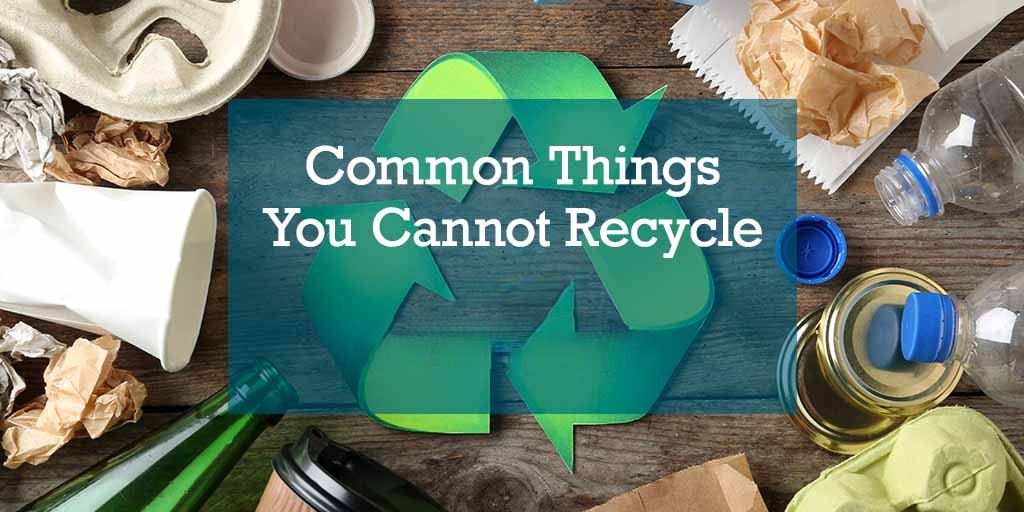
- Food & Liquids: These materials are significant contaminants that can compromise the integrity of the entire recycling stream, thus rendering collected recyclables unsuitable for processing. Proper disposal of food and liquid waste in appropriate bins is crucial to maintaining the effectiveness of the DMR system.
- Non-recyclables: Certain items, such as polystyrene foam (often used in take-out containers), hazardous waste, sanitary products, ceramics, and wood, cannot be accepted in the DMR process. These materials disrupt recycling efforts and complicate sorting and processing, ultimately affecting the efficiency of the entire recycling system.
The convenience of a single-bin system not only streamlines recycling for businesses and individuals alike but also reduces the need for multiple containers, simplifying waste management logistics.
This simplification makes it easier for organizations and communities to adopt sustainable practices, as ease of use directly correlates with higher participation in recycling initiatives. Educational outreach and community engagement can further increase awareness, encouraging individuals to take an active role in recycling efforts.
By fostering greater participation in these initiatives, we collectively contribute to a healthier planet and a greener environment for future generations, ensuring that valuable resources are recycled and reused rather than discarded.
In Conclusion:
Secure Waste will save you money on waste disposal. We understand these hazards.
Staying informed and proactive is vital as new biological challenges arise. Together, we can prioritize health and safety, increase awareness, and promote responsible actions to create a healthier future for all!
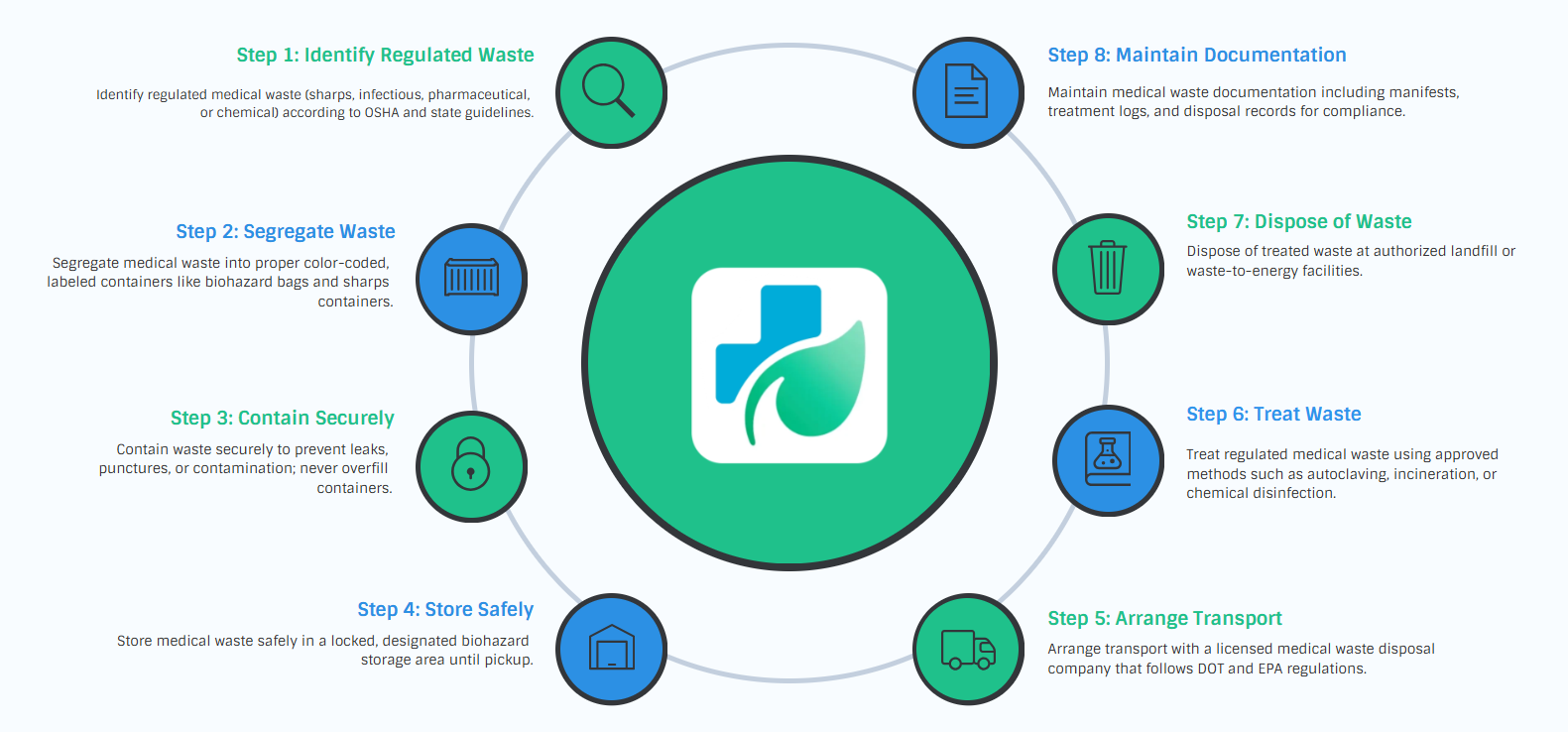
We provide reliable, compliant, and environmentally friendly biomedical waste disposal solutions tailored to your facility’s specific needs.
**Disclaimer** This information is provided for reference purposes only and should not be considered as legal advice or factual information at the time of your reading. Regulations frequently change and can vary from state to state. We encourage you to contact your local regulatory authorities or Secure Waste directly for the most current information. Please note that Secure Waste is not liable, in part or in whole, for any information contained on this page or website.
Expert Medical Waste Management: With over 25 years of industry experience, Secure Waste is a trusted local leader in hazardous and biohazardous waste disposal across Maryland, Virginia, and Washington, D.C. Specializing in medical waste management, sharps needle disposal, and biohazard waste removal, the company ensures full compliance with federal, state, and local regulations while prioritizing environmental sustainability.
The company also offers additional services, including secure document shredding and sharps container sales, providing comprehensive solutions for healthcare facilities and businesses. Our cost-effective services help clients maintain regulatory compliance without unexpected costs.
With a commitment to customer satisfaction, Secure Waste offers tailored waste management plans that align with industry best practices. Their team of experts provides reliable, timely, and compliant services, making them the preferred choice for medical waste disposal. For a free waste quote or more information, visit www.securewaste.net