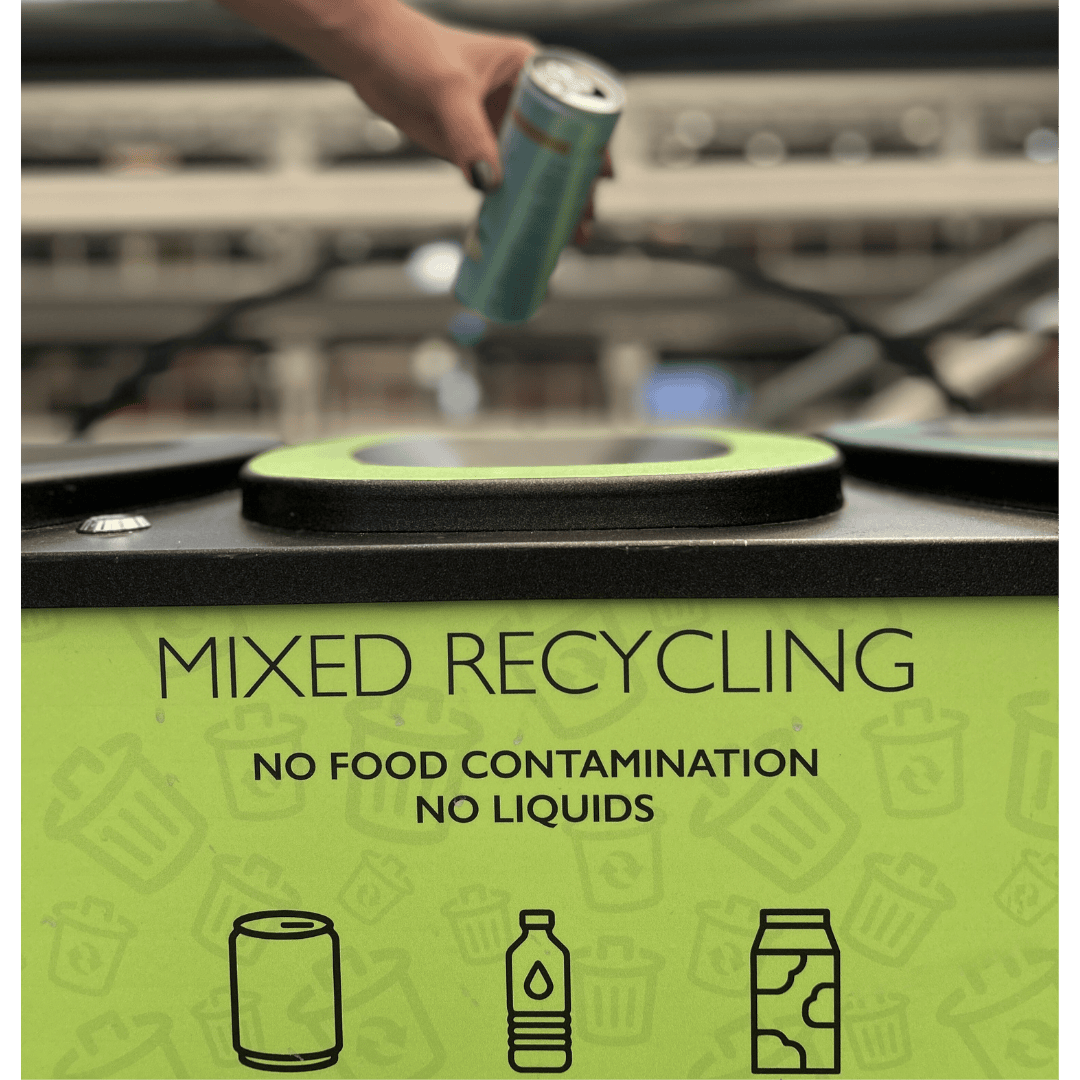
Dry Mixed Recycling: What Is It? Expert Solutions From Secure Waste
Secure Waste frequently receives a wide array of inquiries concerning Dry Mixed Recycling, a critical aspect of contemporary sustainability initiatives.
As a leader in healthcare waste management services, Secure Waste partners with numerous extensive facilities, expertly handling not only biohazardous waste but also substantial volumes of mixed-use recyclable materials.
This includes dietary waste generated in hospital settings, which presents unique recycling challenges and opportunities.
As a pioneer in waste management across Maryland, Virginia, and Washington, D.C., Secure Waste is committed to sharing its extensive expertise and proven practices related to Dry Mixed Recycling.
This commitment is underscored by a dedicated team that stays abreast of industry trends, regulatory changes, and evolving recycling technologies.
In this exploration, we will delve deep into the intricacies of Dry Mixed Recycling, examining the types of materials commonly included—such as paper, plastics, metals, and glass—and the specific sorting and processing techniques that enhance recycling efficiency.
We will also uncover effective strategies that facilities can implement to increase participation in recycling programs, reduce contamination rates, and foster a culture of sustainability among staff and patients alike.
Highlighting the importance of responsible recycling practices, this initiative emphasizes the role we all play in reducing waste and promoting environmental stewardship within our communities.
By improving our recycling efforts, we not only contribute to a healthier planet but also support the economic benefits associated with recycling industries and job creation. More here from Waste & Recycling Association.
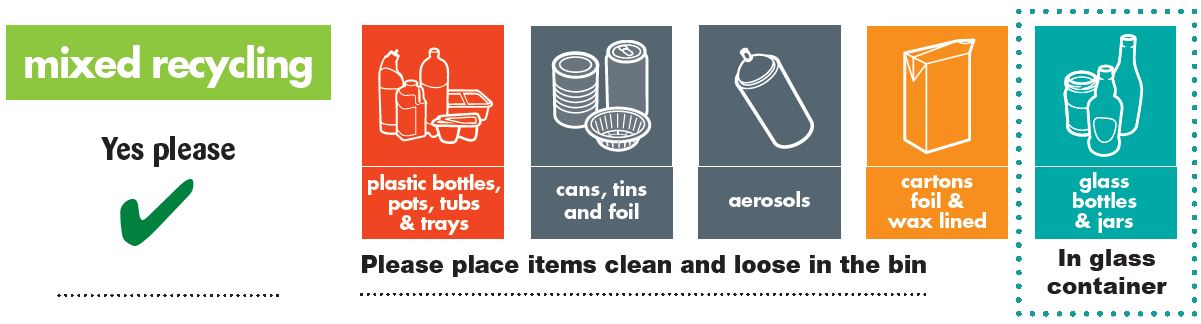
Dry Mixed Recycling A Deep Dive
Dry Mixed Recycling (DMR) epitomizes a progressive and efficient approach to waste management, offering a seamless solution for collecting clean, dry materials such as paper, cardboard, plastics, and metal cans in a single, cohesive bin.
This streamlined system not only minimizes the number of containers required but also simplifies the recycling journey for both households and businesses alike. Following collection, these valuable materials are transported to a state-of-the-art Material Recovery Facility (MRF) that features advanced technology.
Here, a harmonious combination of advanced machinery and highly trained personnel meticulously sorts and processes recyclables into their respective categories.
By consolidating various recycling streams—including cardboard boxes and newspapers, as well as plastic bottles and aluminum cans—DMR plays an essential role in diverting significant amounts of waste from overcrowded landfills.
All items placed in the bin must be free of food residues and liquids, as any contamination can drastically undermine the effectiveness of the recycling process.
What goes in a DMR bin?
- Paper & Cardboard: A wide array of items is acceptable, encompassing newspapers, magazines, office paper, and flattened cardboard boxes. Additional contributors to this mixed recycling initiative include cereal boxes and even greeting cards, all of which are encouraged to support sustainability.
- Metals: Clean, empty aluminum and steel food and drink cans, along with aluminum foil trays, can be included in the DMR bin. Ensuring these items are free from food particles is vital for maintaining their recyclability.
- Plastics: An extensive selection of plastics is welcome, such as empty plastic drink bottles, milk jugs, yogurt containers, and food trays. A quick rinse to remove any residues is highly recommended to safeguard the integrity of the recycling stream.
What doesn’t go in? (Contaminants)
- It is paramount to avoid including any items associated with food waste, liquids, or greasy substances, as these can disrupt the recycling process’s integrity and lead to contamination.
- Glass and ceramics are unsuitable for DMR bins because these materials typically require separate collection and processing due to their unique characteristics.
- Unacceptable packaging, such as crisp packets, foil-lined materials, and waxed cups, cannot undergo recycling through DMR and should be disposed of via alternative waste streams.
- Additionally, all electrical items, batteries, and black garbage bags must be excluded from the DMR bin, as they pose significant contamination risks and necessitate special disposal methods.
How it works:
- Collection: All accepted dry recyclables are conveniently gathered in a single bin, creating a streamlined recycling experience for participants.
- Sorting: Once collected, the materials are transported to an MRF, where a sophisticated combination of sorting machines and skilled workers actively separates them into distinct categories: paper, plastic, and metal.
- Processing: After sorting, the materials are compressed into bales, which are subsequently dispatched for reprocessing. This transformative process converts them into new products, playing a significant role in building a more sustainable economy while reducing dependence on virgin materials.
Key benefits:
- Simplicity: DMR dramatically reduces the complexity involved in recycling by minimizing the number of bins that users must manage, making it a more accessible option for everyone.
- Higher Recycling Rates: By eliminating barriers to participation, DMR actively fosters greater engagement in recycling efforts among individuals and businesses, significantly boosting overall recycling rates within communities.
- Environmental Impact: This innovative recycling system is crucial for decreasing landfill waste and conserving precious natural resources, thereby promoting a healthier and more sustainable environment for both present and future generations.
Expert Medical Waste Management: With over 25 years of industry experience, Secure Waste is a trusted local leader in hazardous and biohazardous waste disposal across Maryland, Virginia, and Washington, D.C. Specializing in medical waste management, sharps needle disposal, and biohazard waste removal, the company ensures full compliance with federal, state, and local regulations while prioritizing environmental sustainability.
The company also offers additional services, including secure document shredding and sharps container sales, providing comprehensive solutions for healthcare facilities and businesses. Our cost-effective services help clients maintain regulatory compliance without unexpected costs.
With a commitment to customer satisfaction, Secure Waste offers tailored waste management plans that align with industry best practices. Their team of experts provides reliable, timely, and compliant services, making them the preferred choice for medical waste disposal. For a free waste quote or more information, visit www.securewaste.net